REVIEW · GRAN CANARIA
Coffee & Wine: North Route of Gran Canaria Tour
Book on Viator →Operated by Tour2b · Bookable on Viator
Coffee and wine, with a side of real farming. This north Gran Canaria route is a fast, well-paced sampler of Arucas, waterfalls, cheese, and the island’s coffee scene—all in one morning-and-afternoon loop. I especially liked the stop in La Laja (Agaete), where you get a guided visit tied to the coffee story, plus a proper coffee tasting.
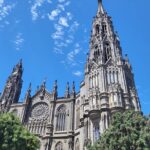
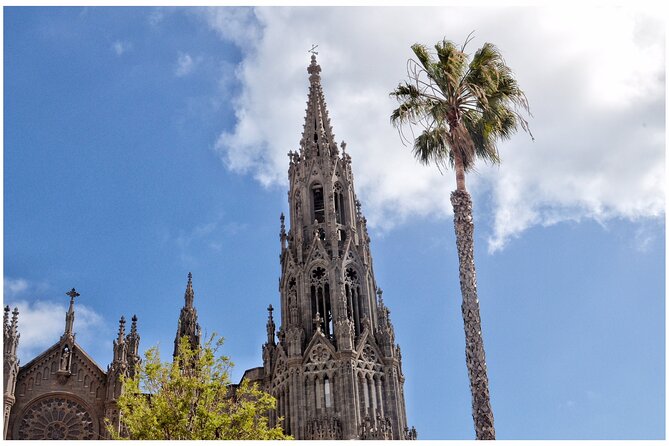
I also love how the day balances built heritage and food culture, with the neo-Gothic San Juan Bautista church in Arucas anchoring the old-town wandering. One heads-up: despite the coffee-and-wine title, the included details clearly emphasize coffee tasting (and the entrance), so the wine portion may feel light or less central than you expect.
You’ll be moving through small towns with short stops, so it’s perfect if you want variety without planning a route yourself. It’s also a good bet if you like guided context—like why sugar cane mattered here and how the north’s agriculture shapes everything you see.
In This Review
- Key things to know before you go
- Coffee And Wine North Route: What You Get For $62.48
- Morning Logistics: 9:30 Start And Las Palmas Pickup Stops
- Arucas Old Town And The San Juan Bautista Church Walk
- Firgas’s 30-Metre Waterfall Fountain In The Center Of Town
- Guía And Its Optional Cheese Tasting (Plus A Short Town Pause)
- Agaete Farms And The La Laja Coffee Estate Tasting
- Puerto de las Nieves: Fishing Village Time And Lunch Choices
- Wine Expectations Vs. What’s Clearly Included
- Who This Tour Fits Best (And Who Might Want Something Else)
- Should You Book Coffee & Wine: North Route of Gran Canaria?
- FAQ
- How long is the Coffee & Wine: North Route of Gran Canaria tour?
- What time does the tour start?
- Is pickup included, and where does it pick up from?
- What language is the tour offered in?
- How many people are in the group?
- What’s the minimum age?
- Is lunch included?
- Is cheese tasting included in Guía?
- Is wine included?
- What should I bring?
- Can I cancel for free?
Key things to know before you go
- 7-hour north loop with 5 stops, timed to keep the day efficient without rushing you out the door
- La Laja coffee estate in Agaete includes entrance and a guided coffee tasting tied to local production
- Arucas + neo-Gothic San Juan Bautista gives you heritage you can actually walk around
- Firgas’s 30-metre waterfall fountain is a quirky, photo-friendly pause right in the center of town
- Guía cheese is optional (extra cost), so you control how foodie you want the day to get
- Puerto de las Nieves free time lets you shift gears toward the ocean and choose your own lunch
Coffee And Wine North Route: What You Get For $62.48
At $62.48 per person for about 7 hours, this tour is built around value: you’re paying for guided direction, multiple town stops, transport from Las Palmas City, and the parts that cost extra—especially entrance plus the coffee tasting.
This is not a slow, sit-down wine weekend. It’s a day trip that mixes food and agriculture with walkable town highlights. The payoff is that you get context for why these places look the way they do: plantations, farm products, and the small-town details that make Gran Canaria feel less like a postcard and more like a working island.
I like that the day includes actual time at places you can explore on foot. You’re not stuck only in vehicles, and you’re not forced into one long museum-style stop either. Instead, you get short, useful windows: church and old town in Arucas, a water fountain moment in Firgas, a cheese-linked stroll in Guía, a guided coffee estate in Agaete, then a breather by the sea in Puerto de las Nieves.
One more practical note: lunch is not included, so budget for a meal on your own when you reach the fishing village. The tour’s free time there is meant for exactly that.
You can also read our reviews of more wine tours in Gran Canaria


Morning Logistics: 9:30 Start And Las Palmas Pickup Stops
The tour starts at 9:30 am, and it offers pickup only from Las Palmas City. They run a series of pickup times at specific hotels and bus stops around the city, so you’re not waiting blind in a parking lot.
Group size is capped at 30 travelers, which matters more than you might think. Smaller groups usually mean fewer arguments about where to meet, quicker roll calls, and a smoother experience when you’re trying to walk together through older town centers.
You’ll also use a mobile ticket, and you should come prepared for a warm day plus a bit of chill depending on weather. The guidance is to bring a hat, warm comfortable clothes, sunscreen, and water. The north can feel different from the south at the same time of day, so layering helps you stay comfortable.
Language is English (along with Spanish options), and the tour includes professional guides. One guide named Francisco stood out in feedback for being fantastic, which tells me the guide quality is more than just a check-the-box translation job.
Arucas Old Town And The San Juan Bautista Church Walk
Arucas is your first stop, and it sets the tone. This town is known for large banana plantations and sugar cane—past centuries even called sugar cane the white gold. You’ll start with a walking look through the old town, which is the kind of place where the main sights are easiest to enjoy at a human pace.
The highlight here is the San Juan Bautista church, famous for its impressive neo-Gothic look. Even if you’re not a church person, this is worth your time because it’s visually strong and makes the town feel anchored, not random. The church also gives you a real sense of architectural style on Gran Canaria—something you don’t always get in quick bus stop photos.
Time on this stop is about 1 hour, and that’s a sweet spot: long enough to wander and still short enough that you won’t lose the rest of the day to wandering. If you like quick walks that still feel meaningful, Arucas hits the mark.
Possible drawback: because this is an early stop, I’d keep your morning energy steady. If you arrive at pickup stressed or under-hydrated, Arucas will feel like more of a job than it should.
Firgas’s 30-Metre Waterfall Fountain In The Center Of Town
Next comes Firgas, a small village you can treat like a breathing break. You’ll get about 1 hour, and the standout feature is the 30-metre waterfall fountain that sits in one of the central streets.
That’s a fun detail because it’s not a distant viewpoint you need to hike to. It’s part of everyday town space—one of those Gran Canaria moments where nature shows up where you least expect it.
Firgas is also a great place to reset your brain before the day turns more “food and farms.” After Arucas’s church and old-town feel, Firgas shifts you toward sound, water, and a gentler pace.
If you care about photos, this is where you can get a quick win without forcing a long detour. And if you don’t care about photos, it still works as a simple orientation moment: you can feel the north’s water theme right away.
Guía And Its Optional Cheese Tasting (Plus A Short Town Pause)
Then you head to Santa Maria de Guia de Gran Canaria—often just called Guía. The stop is shorter, around 40 minutes, but it’s focused.
Guía is tied to cheese traditions, and the tour offers an optional tasting with an extra cost of from €3. This is one of those choices that keeps the tour flexible. If you want to sample without committing to a big food bill, this is a low-stakes way to try something local.
Because time is limited here, I’d treat this stop as a quick hit: a short stroll, a taste if you want it, and a bit of breathing room before heading onward.
One reason I like a stop like this: it gives you a chance to buy a small snack or check out the vibe without turning the day into a full-on meal marathon.


Agaete Farms And The La Laja Coffee Estate Tasting
If there’s a single moment that defines the tour’s value, it’s Agaete and the guided visit to the La Laja estate and the Bodega Los Berrazales. This is where the day moves from “seeing places” to “learning how production works.”
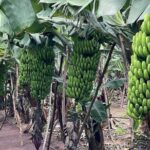
You’ll spend about 1 hour 30 minutes here, and it’s framed around the area’s agriculture: banana, potato, fruit trees, coffee plantations, vineyards, and tropical fruits. That mix matters. You’re not just looking at one crop—you’re getting the broader agricultural picture that explains why the north has this food-driven identity.
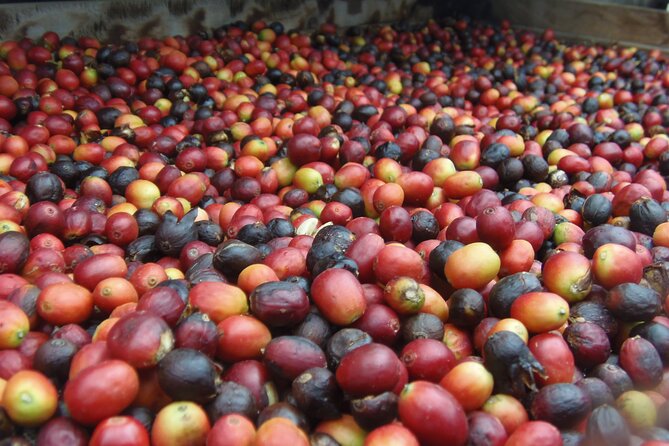
The tour includes entrance and a coffee tasting, and the estate is described as the only coffee producers on the island. That’s a big claim and an even bigger reason to pay attention. Even if you’re not a coffee fanatic, tasting here should feel different because it’s tied to local production rather than a generic coffee stop.
This is also where guides can add real value. A good guide won’t just hand you a cup; they’ll connect the farming story to what you’re seeing outside your window—how terrain and crops shape the island’s daily life. And this is exactly the kind of context that makes the tour feel worth it, not like a string of unrelated checkpoints.
Practical tip: if you’re caffeine-sensitive, ask beforehand about the tasting size. The itinerary doesn’t specify how strong it is or how many pours you get, so it’s smart to plan your comfort.
Puerto de las Nieves: Fishing Village Time And Lunch Choices
Finally, you reach Puerto de las Nieves, a fishing village and the end of the road for guided stops. Your time here is about 1 hour 30 minutes, and you get free time—especially for lunch (lunch is not included in the price).
This is where the day naturally changes texture. You’ve been through towns, churches, water, cheese, and farms. Now it’s the ocean and the port feel—more relaxed, more flexible.
Because it’s a fishing village, seafood tends to be the easy choice, and it’s the kind of place where your meal can feel connected to the setting instead of like you just ordered lunch anywhere. You can also use the time for an unhurried stroll if you’d rather save your appetite.
One more reason this stop works: it’s the place you can slow down without worrying you’ve “missed” the main sights. The tour hands you time, and that’s a gift.
Wine Expectations Vs. What’s Clearly Included
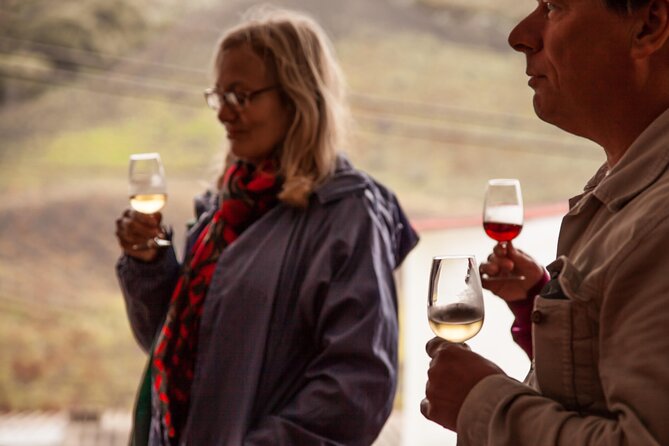
Here’s the honest part: the tour is branded as Coffee & Wine, but the “included” list specifically mentions entrance and coffee tasting—not a clear, itemized wine component.
So, how should you manage expectations? Think of wine as part of the theme, not guaranteed as the core event. If you’re a wine-first traveler, you might be a little disappointed unless you treat the day as mainly a coffee-and-food agriculture experience.
I’d plan your day around coffee and local produce. If wine does show up beyond that, great. If not, at least you’re not surprised—because you already know what the tour is contractually built around.
This also explains a common feeling: people sometimes come expecting wine tastings as a major centerpiece, and then realize the coffee experience is where the included value really lands. If you want wine as a headline, you may want to check what’s actually part of the day beyond the theme before you book.
Who This Tour Fits Best (And Who Might Want Something Else)
This tour fits best if you want:
- A north Gran Canaria sampler with multiple towns in one day
- A real stop tied to production, especially coffee tasting at La Laja
- Guided context without committing to a full-day walking hike
- A mix of heritage and food stops, including Arucas and Guía
It’s also suitable for most people, with a minimum age of 6 years old. That said, because you’re following a set schedule and moving between towns, it’s not ideal if you need total free-floating time.
Skip or rethink if:
- You want a wine-focused itinerary where tastings are a guaranteed centerpiece
- You hate short stops and prefer fewer locations with longer stays
If you’re the type who likes to check off a few meaningful places, eat locally where it makes sense, and still get a guide to do the story-telling for you, this should click.
Should You Book Coffee & Wine: North Route of Gran Canaria?
I’d book it if your priorities are a guided north route + coffee tasting + walkable town highlights. The combination of Arucas’s church, Firgas’s water fountain moment, Guía’s optional cheese, and Agaete’s coffee estate makes the day feel intentional, not random.
But I wouldn’t book it expecting a big, guaranteed wine showcase. Use the wine theme as a bonus, and treat coffee and local produce as the main event. If that matches your style, this is solid value for a 7-hour day with pickup from Las Palmas City and one included tasting experience.
If you tell me your travel dates and whether you’re more coffee- or wine-leaning, I can help you decide if this is your best fit—or suggest how to pair it with another Gran Canaria plan for the wine side.
FAQ
How long is the Coffee & Wine: North Route of Gran Canaria tour?
It runs for about 7 hours.
What time does the tour start?
The start time is 9:30 am.
Is pickup included, and where does it pick up from?
Yes. Pickup is offered from Las Palmas City at listed hotel and bus-stop locations.
What language is the tour offered in?
The tour is offered in English (and there are Spanish options as well).
How many people are in the group?
The tour has a maximum of 30 travelers.
What’s the minimum age?
The minimum age is 6 years old.
Is lunch included?
No. Lunch is not included, though you’ll have free time for it in Puerto de las Nieves.
Is cheese tasting included in Guía?
No. Cheese tasting in Guía is optional and costs from €3.
Is wine included?
The tour highlights mention coffee and wine, but the included details specifically mention entrance and coffee tasting. If wine is important to you, it’s smart to confirm what’s included on the day.
What should I bring?
Bring a hat, warm comfortable clothes, sunscreen, and water.
Can I cancel for free?
Yes. You can cancel for a full refund if you cancel up to 24 hours in advance of the experience start time.