REVIEW · GRAN CANARIA
Gran Canaria Playa del Ingles: Surf lessons all levels
Book on GetYourGuide →Operated by South Coast surfschool · Bookable on GetYourGuide
Surf can be taught fast when you keep it simple. This 3-hour session with South Coast Surf School in Gran Canaria blends beach coaching with real time in the sea, so you’re not just watching waves roll by.
What I like most is the small group size (up to 8). It keeps the energy up and gives you enough attention to make progress, even if you’re brand-new or trying to clean up technique.
One thing to consider is logistics. There’s no hotel pickup, and the class location may feel a little different than you expect for the Playa del Ingles name. Also, while mineral water and fruit are listed as included, one session note said it wasn’t served—so don’t plan your whole day around a mid-class snack moment.
In This Review
- Key Things That Make This Surf Lesson Work
- Playa Del Ingles Surf Lessons: The Real Appeal Is the Teaching Style
- Price and Value: Why $59 Often Feels Fair
- Getting There: The Meeting Point Near the Red Cross Area
- What Happens in 3 Hours: Beach Theory Then 2 Hours in the Water
- Beginners and Advanced Surfers: How They Keep It Individual
- Finding the Right Wave: Small Changes That Make Big Differences
- Instructor Attention: Why Small Groups Feel Like a Shortcut
- Gear and Safety: Wetsuit, Board, and Insurance Built In
- Where to Start: What You’ll Actually Be Doing
- What to Bring (and What to Wear) for a Smooth Session
- Who This Surf Lesson Fits Best
- Should You Book South Coast Surf School in Gran Canaria?
- FAQ
- How long is the surf lesson?
- Are beginners welcome?
- Is it only for people who already surf?
- What’s included in the price?
- What should I wear or bring?
- Where do I meet the instructors?
- Is hotel pickup or transportation included?
Key Things That Make This Surf Lesson Work
- All levels welcome: beginners learn basics; experienced surfers work on goals and adjustments
- Beach theory first, then 2 hours in the water to actually apply what you just heard
- Small groups (max 8) means more individual feedback and less waiting around
- Equipment and wetsuit included, plus accident and liability insurance
- English, German, and Spanish instruction so you’re not guessing the fundamentals
Playa Del Ingles Surf Lessons: The Real Appeal Is the Teaching Style
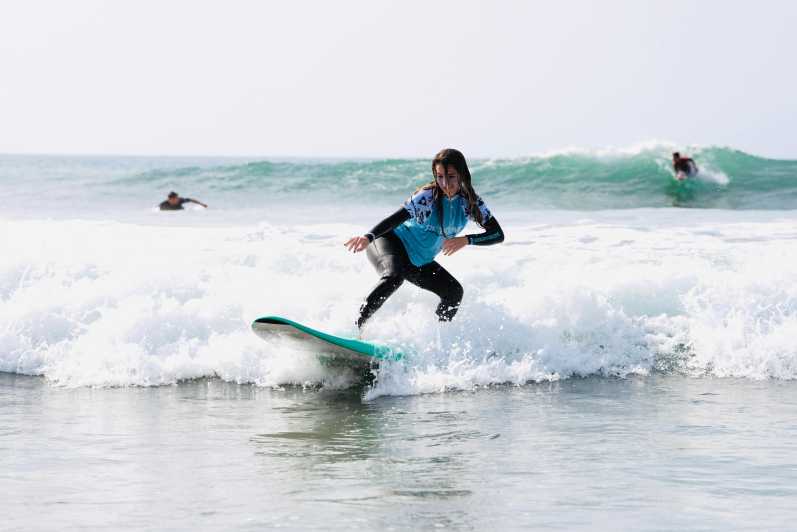
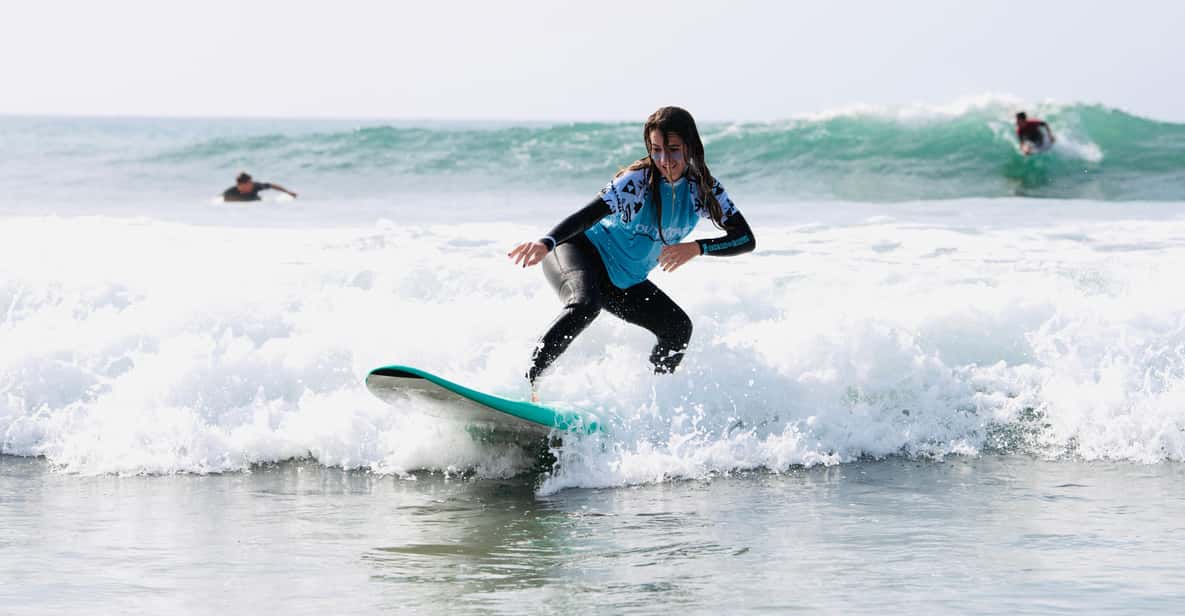
Gran Canaria is good for surfing lessons because the coast gives you plenty of opportunities to learn without turning the whole experience into a survival course. This South Coast Surf School setup leans into that. You’ll start on land with the essentials, then you’ll move into the ocean right away. That mix matters because surfing isn’t just about paddling harder. It’s about timing, balance, and reading what the next wave is doing.
I especially like that the lesson framework is built for both beginners and advanced surfers. The program doesn’t treat you like either a blank slate or a pro already. It’s meant for you to leave with a few usable skills that fit your level, whether that means standing more often or surfing with more control.
And yes, the vibe is exactly what you hope it is on vacation: surf, good waves, sun, and a big smile. The best sign here is simple—people come in tense, then they come out calmer and more confident.
You can also read our reviews of more tours and experiences in Gran Canaria

Price and Value: Why $59 Often Feels Fair
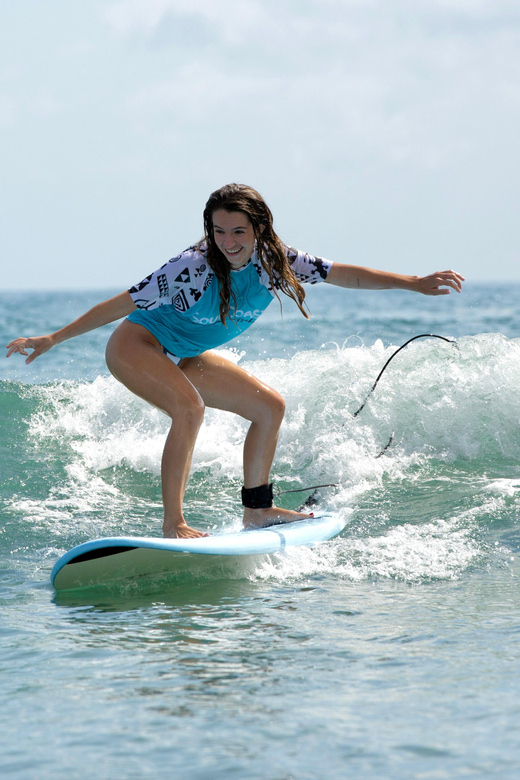
At $59 per person for 3 hours, this isn’t a luxury splurge. It’s positioned as a practical lesson with the essentials covered. And that’s where the value lives.
You get:
- surfboard
- wetsuit
- mineral water and fruit
- accident and liability insurance
So you’re not paying extra for gear rentals or a basic safety layer. For many destinations, that’s where “cheap surf lessons” start to get pricey. Here, the basics are included up front.
The small-group limit to 8 participants is another value lever. If you’ve ever done an activity where you spend half the time waiting for your turn, you already know why this matters. More time gets dedicated to technique and time on the water. You’re far more likely to feel like the session was worth the money when you actually get repeated attempts and guidance.
Getting There: The Meeting Point Near the Red Cross Area
There’s no hotel pickup. That’s normal for many surf schools, but it changes how you plan your morning.
You meet at the SouthCoast surfschool flags, at a beach bar, directly close to the red cross office. That’s clear enough to navigate if you arrive early and don’t cut it to the last minute.
Here’s a practical caution: the session can run near the broader coast area associated with Maspalomas/Meloneras rather than exactly where you first picture “Playa del Ingles.” If your brain maps everything to one strip of beach, do yourself a favor—double-check your exact meeting spot on arrival. Ask where the flags are located and keep your eyes on the shoreline layout. It’s quick, and it saves stress.
What Happens in 3 Hours: Beach Theory Then 2 Hours in the Water
The lesson is structured in two parts:
1) a theoretical class on the beach
2) a 2-hour practice session in the sea
This timing is smart. Surfing instruction works best when your brain gets a short checklist first. Then you test it immediately on the water. If you skip the theory, you end up repeating the same mistake without understanding why.
On the beach, you’ll learn the basic principles—how to handle your board, how to position yourself, and how to think about waves so you’re not just chasing them. The goal is simple: you should understand what you’re trying to do before you get into cold (or at least briny) water.
Then you move into the ocean for the real work. That 2-hour block is where you start to notice improvement. You’ll get repeated runs, plus correction and coaching while you’re actually doing it. If you’re new, this is how you go from standing like a wind-up toy to standing with balance. If you’re more experienced, this is where you fine-tune, not restart from scratch.
Beginners and Advanced Surfers: How They Keep It Individual
The phrase all levels can sound vague. In practice, the better surf schools handle it by adjusting expectations and coaching focus. That’s what this program is designed to do. You’ll be guided step by step toward your surfing goals—whether your goal is to catch waves reliably or to improve your technique and consistency.
For beginners, the big win is not getting overwhelmed. You start with the fundamentals and build up. Many first-timers notice the lesson is calm and methodical rather than chaotic. That matters because surfing can be frustrating if you’re trying to learn everything at once.
For more advanced surfers, the coaching approach tends to be about refinement. Small group time in the water helps because instructors can spot what you’re doing wrong quickly. You don’t just get a generic tip you’ll forget. You get feedback you can act on immediately.
Even better, the beach coaching keeps you from relying on luck. You’re learning a framework for finding the right wave and making your board work for you.





Finding the Right Wave: Small Changes That Make Big Differences
Surf lessons often focus on one thing—standing up. This one covers the bigger picture: finding the right wave. That’s huge. The difference between struggling and progressing is often wave selection, not brute strength.
If you get the wave at the wrong moment, your board feels unstable. If you pick a wave that’s too big or too weak, you spend energy without getting useful rides. Good coaching helps you pick waves that match your level and still push you forward.
This is where a lot of instructors earn their pay. When an instructor is focused on timing and positioning, you start catching waves more often. And when you catch waves more often, you improve faster. It’s that simple feedback loop.
If you want a quick way to judge lesson quality, watch how much the instructor thinks about wave choice—not just paddling. This program’s emphasis on finding the perfect wave is exactly the skill that carries beyond the lesson itself.
Instructor Attention: Why Small Groups Feel Like a Shortcut
With up to 8 participants, you’re not lost in the shuffle. The coaching stays close to you. In the water, instructors can correct what they see, then you can try again right away.
That immediate iteration is one of the strongest parts of the experience. If you’ve ever learned something and had to wait for the next day to practice, you know how frustrating that feels. Surf learning is similar. The ocean changes minute to minute. The more your feedback lines up with your next attempt, the faster you improve.
You’ll also notice different teaching styles depending on language and instructor. For example, Daniel is one coach who’s been praised for explaining well and staying active in the water with the group. The core idea is the same across instructors: you don’t just get talked at. You get coached in motion.
Gear and Safety: Wetsuit, Board, and Insurance Built In
This lesson includes your surfboard and wetsuit. That’s more important than it sounds. A good wetsuit fit affects comfort and confidence. If you’re warm enough to focus on technique, you’ll learn faster.
Accident and liability insurance are also included. Surfing has risk—boards can hit, people fall, and the ocean always gets the final word. Knowing you’re covered lets you relax. Relaxed learners take better instructions and bounce back faster after wipeouts.
One more practical point: the ocean is moving even when you feel like you’re standing still. Wear gear accordingly and don’t fight your body’s need for balance. Let the lesson guide your stance and timing.
Where to Start: What You’ll Actually Be Doing
Expect a mix of learning and doing. In the first beach segment, you’ll cover fundamentals so your time in the water isn’t wasted. Then your practice sessions will focus on applying those basics.
At low to intermediate levels, the emphasis is on:
- learning basic technique
- building confidence standing and riding
- catching waves in a controlled, repeatable way
If you’re more advanced, you can still benefit, since the coaching is meant to support your personal surfing goals rather than force you into one generic drill.
And because it’s only 3 hours total, you won’t lose half the day to long pauses. You’re getting a concentrated dose of instruction and practice—perfect when you’re traveling and want your time to feel efficient.
What to Bring (and What to Wear) for a Smooth Session
The activity includes a wetsuit and board. That means you don’t need to rent anything. But you should still think about your own comfort.
Bring:
- swimwear you’re happy to keep on
- a towel (or plan to buy/borrow one nearby)
- sunscreen and something to protect your head/face from sun
- water shoes if you have them, since rocky spots happen on many coasts (even if the surf zone is calm)
If you’re expecting a long snack break, adjust your expectations. Mineral water and fruit are listed as included, but one session note said it wasn’t offered in a formal pause. If food matters to you during the day, eat beforehand and keep a backup plan.
Who This Surf Lesson Fits Best
This is a great match if:
- you’re new to surfing and want structured coaching fast
- you want a small-group experience where you get feedback in the water
- you’re already surfing and want help finding the right waves and improving control
It may not be ideal if:
- you need hotel pickup or door-to-door transport (not included)
- you strongly prefer a lesson held in one fixed, specific beach area with no room for local variation (the meeting point is clear, but the broader coastal practice area can feel different)
If you’re traveling as a couple, a solo traveler, or a small group of friends, this format is especially convenient. You’ll have enough social energy to have fun, without turning the lesson into a crowded spectacle.
Should You Book South Coast Surf School in Gran Canaria?
I’d book it if your goal is a real surf lesson with enough instruction to make progress in a single session. The combination of beach theory + 2 hours of water time, plus the small group (max 8), is the recipe for learning without wasting hours.
The price feels reasonable because your surfboard, wetsuit, and insurance are built in. And the multi-language support (English, German, Spanish) helps you understand the basics quickly, which is where most beginners struggle.
If you want this to go smoothly, plan to get yourself to the meeting point near the red cross office and arrive with a relaxed mindset. Don’t expect luxury comfort. Do expect solid coaching, time on the water, and the chance to leave with skills you can use tomorrow.
FAQ
How long is the surf lesson?
The experience lasts 3 hours total, with a theoretical class on the beach and then a 2-hour practice session in the sea.
Are beginners welcome?
Yes. The surf school teaches the basic principles of surfing for beginners at a low to intermediate level.
Is it only for people who already surf?
No. It’s described as for all levels, and instructors guide you step by step toward your surfing goals.
What’s included in the price?
Included items are a surfboard, a wetsuit, mineral water and fruit, and accident and liability insurance.
What should I wear or bring?
You’ll receive a wetsuit and surfboard. You should bring appropriate swimwear and personal items like sunscreen, plus a towel if you want one.
Where do I meet the instructors?
Meet at the SouthCoast surfschool flags at the beach bar, directly close to the red cross office.
Is hotel pickup or transportation included?
No. Hotel pickup and transportation are not included.