REVIEW · GRAN CANARIA
Gran Canaria: Banana World Guided Tour & Tasting
Book on GetYourGuide →Operated by MUNDO DEL PLATANO · Bookable on GetYourGuide
Bananas get a whole new backstory here. At Hacienda La ReKompensa on Gran Canaria, I like the walk through thirteen types of banana and the plainspoken farm talk on how the Canary Islands grow them, with guides such as Daniela. Then you finish with a tasting of banana-based products like jams, juices, and banana wine.
I also love the setting: a restored farm complex and museum that looks out over the Atlantic, plus plenty of other fruit trees on the grounds. You’ll see why this place covers more than 56,000 square meters and why there are over 7,000 banana plants and 150 avocado trees in the same area.
One consideration: the tour is not suitable for people with mobility impairments, and it runs rain or shine. Bring comfortable shoes, because the farm paths can be less than slick in wet weather.
In This Review
- Key things that make Banana World worth your time
- Hacienda La ReKompensa: a banana tour with real farm roots
- The guided farm walk: thirteen banana types in one efficient loop
- Museo del Platano: where the story gets structured and the safety briefing happens
- The 1804 house and interpretation center: the banana story becomes culture
- Banana tastings: what you get, what to expect, and what’s actually worth tasting
- Views and “one more wander” time: how to use the time after the guide
- Price and value: is $17 a fair trade for 40 minutes?
- Practical tips before you go to the Hacienda La ReKompensa banana farm
- Wear shoes you don’t mind getting a little “farm-y”
- Plan for a quick, guided experience
- Expect English or Spanish guiding
- Know where to meet your guide
- Who should book Banana World (and who might skip it)
- Should you book this Gran Canaria banana farm tour?
- FAQ
- How long is the Banana World guided tour and tasting?
- Where does the tour start?
- What languages is the live tour guide available in?
- What’s included in the price?
- Is the tour held rain or shine?
- What should I bring?
- Is it suitable for people with mobility impairments?
- What is the meeting point at Hacienda La ReKompensa?
- Can I cancel or pay later?
Key things that make Banana World worth your time
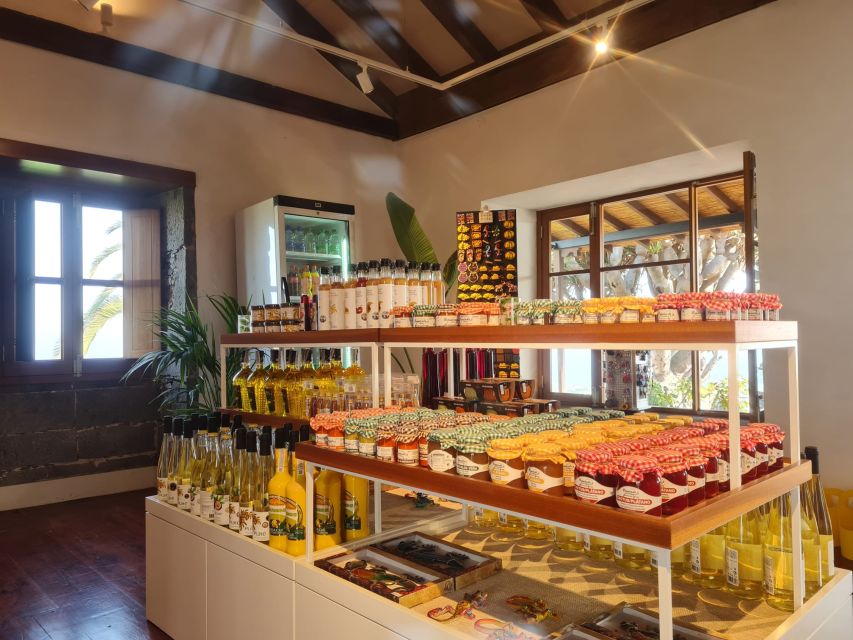
- A farm tour with Atlantic views from the museum area at Hacienda La ReKompensa
- Thirteen banana types shown during the guided walk
- Big numbers you can picture: 7,000+ banana plants, 150 avocado trees, and 56,000+ square meters
- Cultivation and harvest techniques, explained on the ground instead of in a classroom
- Tastings of banana products like jams, banana quince, banana wine, and juices (plus some cosmetic items in the shop)
- A restored Canarian house dating to 1804 that anchors the museum and interpretation area
Hacienda La ReKompensa: a banana tour with real farm roots
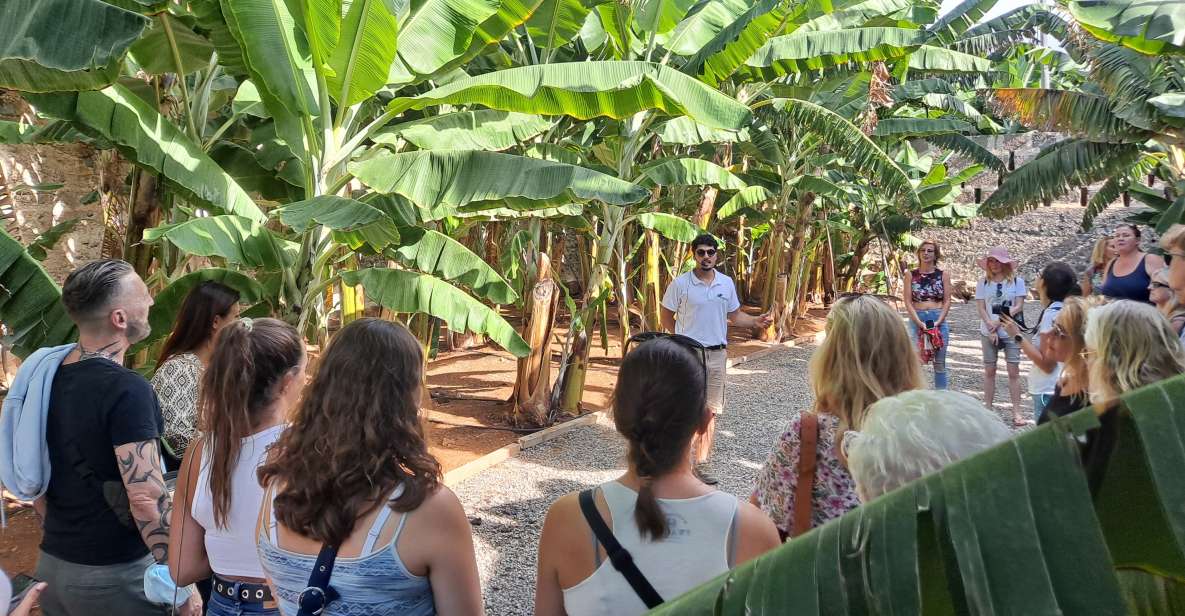
This is not a banana-flavored gift shop with a quick photo line. Hacienda La ReKompensa is built around a working plantation, and the tour’s main job is to show you how banana growing actually works in the Canary Islands.
The farm complex pairs practical agriculture with a museum-style stop, so the experience lands in two parts. First, you walk and learn about the plants and how the harvest is managed. Then you shift to the interpretation area and shop, where the story turns into products you can taste and take home.
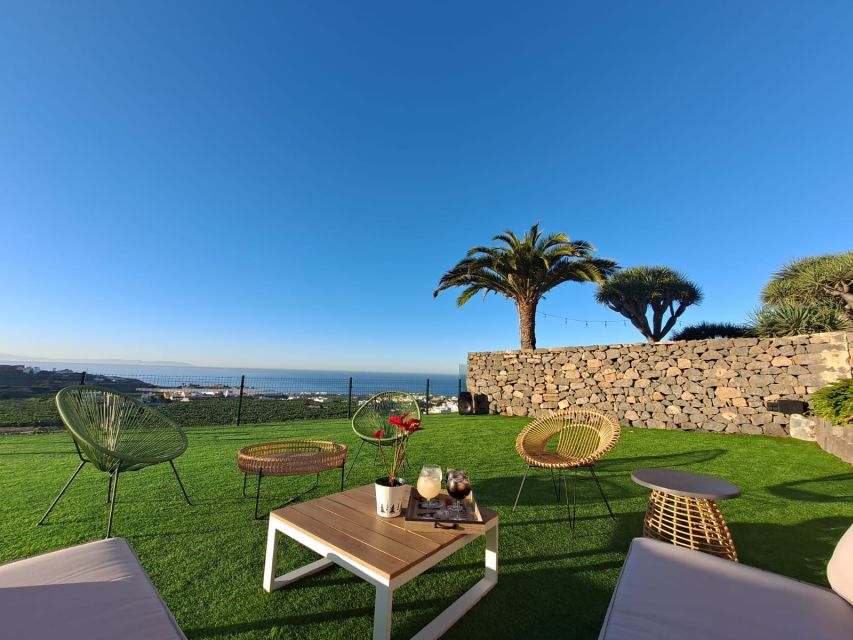
The setting matters, too. From the museum spaces, you get views out over the Atlantic Ocean and the greenery of Gran Canaria, with the plantation right there in front of you. It makes the whole thing feel less like a “stop” and more like a place you understand better after your feet have walked the rows.
You can also read our reviews of more food & drink experiences in Gran Canaria

The guided farm walk: thirteen banana types in one efficient loop
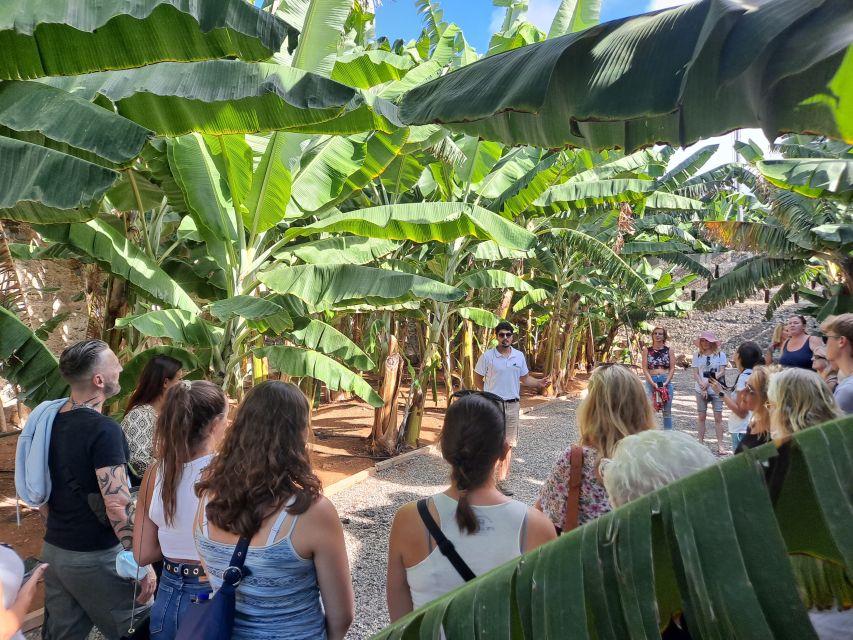
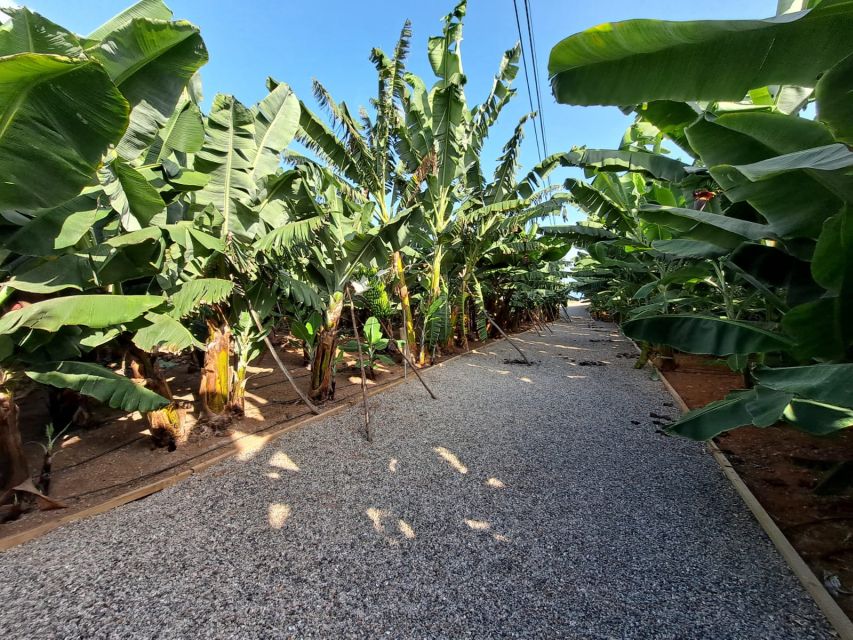
The heart of the tour is the guided walk across the banana grounds. Expect a short, focused outing that’s long enough to explain the basics and give you time for questions, but not so long that you end up bored before you reach the tasting.
Here’s what you’ll see and learn:
- Thirteen different types of banana, pointed out in the field
- the cultivation techniques used for the Canarian banana harvest
- how the banana crop fits into the wider mix of fruit trees
This blend is part of the value. In most fruit-themed stops, you learn trivia and then you move on. Here, you get plant-by-plant context: why certain varieties are grown, how the farm is managed, and what makes this environment work for banana production on Gran Canaria.
One thing I appreciate is that the tour uses the grounds as your “textbook.” You’re not just hearing facts. You’re seeing the trees (and other fruit plants) in the place where those facts matter. Reviews also highlight how interactive guides can be, with plenty of back-and-forth questions during the walk.
The grounds themselves are expansive, so the scale doesn’t feel like a token corner. This plantation spans over 56,000 square meters, and it’s filled with real production: more than 7,000 banana plants plus fruit trees like 150 avocado trees and more.
Museo del Platano: where the story gets structured and the safety briefing happens
Your tour time starts at Hacienda La ReKompensa, and you’ll be directed to the Banana Museum / Museo del Platano area. The schedule is designed so you don’t spend your whole visit in one building. You get a museum start point, then a guided walk through the plantation, and you circle back toward the interpretation center and shop.
Before you head into the main walk, there’s a safety briefing. It’s not the kind of thing you’ll remember later, but it’s useful. Farm paths are uneven in places, and the guide wants everyone moving together and staying aware.
The museum portion also helps you get your bearings fast. Instead of trying to identify banana types by sight alone, you get the foundation first: how banana plants grow, how banana production has evolved on the islands, and how the plantation is run as a system.
And yes, the “museum” part still feels connected to the real place around it. You’re not stuck indoors with a single display case. You’re in a spot that looks out over the ocean and the farm, so the learning stays grounded.
The 1804 house and interpretation center: the banana story becomes culture
One of the smartest parts of this experience is the restored setting. The tour’s interpretation center and shop are housed in a restored Canarian house dating back to 1804.
That detail does two things for you. It makes the visit feel rooted in local heritage, and it explains why the banana isn’t treated as a gimmick. On Gran Canaria, banana farming is part of a broader story of work, land use, and adaptation.
So you get a museum-style explanation of banana production in the Canary Islands, and then you see the modern result: products that keep the banana flavor going long after the harvest.
This restored-house stop also adds a practical bonus for your visit style. If you’re doing this as a short half-day activity, it gives you a comfortable place to slow down, read what you want, and browse the shop without feeling rushed.
Banana tastings: what you get, what to expect, and what’s actually worth tasting
The tasting is included, and it’s one of the main reasons people leave happy. You’re not just offered a single sample either. The tour focuses on banana products made with Canarian bananas.
Based on what’s described for the experience, you can expect tastings that include items such as:
- jams
- banana quince
- banana wine
- juices
- and other artisanal banana-based products
A few practical notes so you won’t feel surprised when you arrive:
- The tasting is about banana products, not just raw banana fruit.
- If you’re hoping to taste the exact bananas growing in the field, keep your expectations on the side of “banana-flavored foods and drinks,” because the experience is built around processed products like jams and liqueurs.
The shop part can be fun even if you’re not a heavy shopper. Some people come for the tour and leave for the food items; others come for the tour and leave for the souvenir-quality products. The information also notes that there are cosmetics featuring banana, so it’s not only edible stuff.
If you like trying small amounts and making mental notes about what you’d actually buy later, this is a good match. The tasting is short and focused, and it ties neatly back to what you learned on the farm.
You can also read our reviews of more guided tours in Gran Canaria




Views and “one more wander” time: how to use the time after the guide
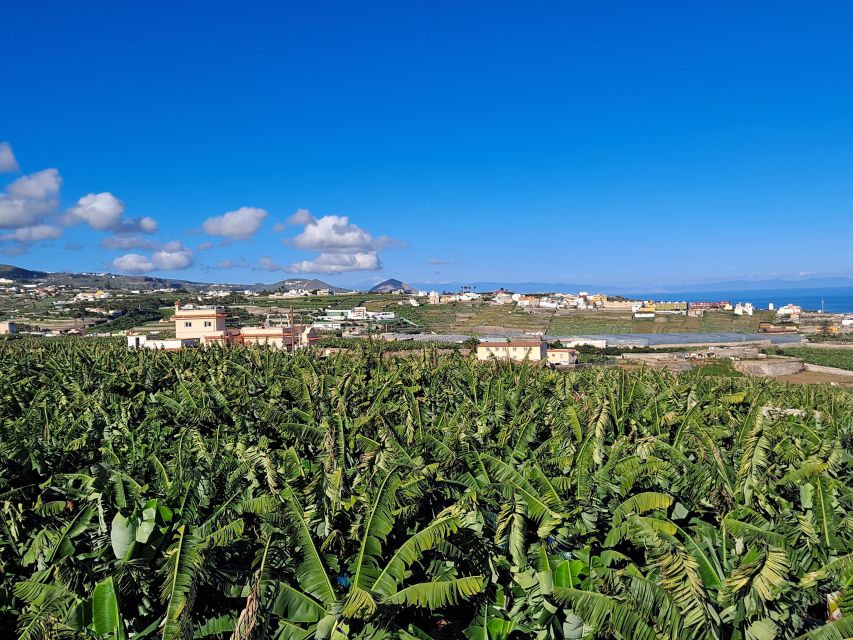
Even though the booked tour slot is short, there’s room to adjust to your pace. Some visitors note that after the guided portion, they can spend time roaming the grounds on their own.
That matters because it turns a timed tour into something you can customize. You can:
- circle back to a spot you missed
- take photos from the best ocean-and-farm angles
- look at extra fruit trees you pass during the guided walk
I’d treat this as your chance to slow down. Use it to connect the information from the guide to what you’re physically seeing around you.
Also, if you’re traveling with kids, you’ll probably like that the site has a small playground mentioned in reviews. The tour is short enough that it doesn’t drag, and the grounds give kids a place to burn off energy when the learning part is done.
Price and value: is $17 a fair trade for 40 minutes?
At $17 per person, this is priced like an efficient activity, and that’s exactly how it plays. You’re paying for three things:
- entry to Hacienda La ReKompensa / the banana museum area
- a guided farm tour
- included banana tastings
You’re not paying extra for the learning component once you arrive. That’s the main value driver. The tasting also adds real weight to the price; you’re not left standing around after the walk with nothing to taste.
Is it worth it if you don’t care about banana products? Maybe not. This experience leans into banana culture and banana-based items. If you want beaches or nightlife, you’ll be better off spending your time elsewhere.
But if you like food-and-farm experiences, or you just enjoy quirky topics explained in an entertaining way, it’s a strong buy. Short duration helps too. You can fit it into a day on Gran Canaria without losing half the day to one long excursion.
Practical tips before you go to the Hacienda La ReKompensa banana farm
A few details will make your visit smoother.
Wear shoes you don’t mind getting a little “farm-y”
The tour requires comfortable shoes, and it runs rain or shine. Even if the path looks fine when you walk in, weather can change traction and ground texture fast on outdoor sites.
Plan for a quick, guided experience
This is a 40-minute style outing, so arrive with a mindset of short and sweet. Bring questions, ask during the walk, and use the tasting time to try things you’re genuinely curious about.
Expect English or Spanish guiding
The guide language is English and Spanish. If you’re booking as a solo traveler or with mixed language comfort levels, the tour’s bilingual setup should help you find a slot that works.
Know where to meet your guide
When you arrive at Hacienda La ReKompensa:
- head toward the big parking space by the estate
- follow signs for Banana Museum
- meet your guide inside the museum
This matters because the site is a working plantation. You’ll waste less time if you follow the signage instead of wandering and guessing.
Who should book Banana World (and who might skip it)
This tour fits best if you fall into one of these groups:
- You like food + agriculture and want explanations tied to real plants.
- You want something short but still meaningful, with a built-in tasting.
- You enjoy local products and want to taste banana-based items made in the Canary Islands.
- You’re traveling with family and want a farm experience that doesn’t require all-day stamina.
You might skip it if:
- you need a fully accessible route (the tour is not suitable for people with mobility impairments)
- you dislike tastings or aren’t interested in banana products beyond the basic fruit
- you’re looking for a long guided hike rather than a compact learning stop
Should you book this Gran Canaria banana farm tour?
I’d book this if you want a compact, low-stress outing that mixes farm facts, a real sense of place, and actual banana tastings. The combination of thirteen banana types, structured museum context in a restored 1804 house, and included products like jams and banana wine makes the $17 price feel justified.
If your main goal is variety—plants, views, and food—this delivers. If you’re picky about food experiences or expect raw fruit tasting, keep your expectations aligned with banana-based products.
If that sounds like your kind of Gran Canaria day, go for it.
FAQ
How long is the Banana World guided tour and tasting?
The tour lasts about 40 minutes.
Where does the tour start?
You start at Hacienda La ReKompensa and meet your guide inside the Banana Museum.
What languages is the live tour guide available in?
The guide is available in English and Spanish.
What’s included in the price?
Included are entry tickets to Hacienda La ReKompensa, a guided tour, and banana tastings.
Is the tour held rain or shine?
Yes, the tour takes place rain or shine.
What should I bring?
Wear comfortable shoes, since the experience happens outdoors.
Is it suitable for people with mobility impairments?
No, it is not suitable for people with mobility impairments.
What is the meeting point at Hacienda La ReKompensa?
Go to the big parking area by the estate, follow signs for Banana Museum, and meet the guide inside the museum.
Can I cancel or pay later?
You can cancel up to 24 hours in advance for a full refund. You can also reserve now and pay later.