REVIEW · GRAN CANARIA
Gran Canaria: Winery Tour, Wine Museum, and Tasting
Book on GetYourGuide →Operated by Timonfaya Travel Lanzarote · Bookable on GetYourGuide
You can walk into a 100-year-old wine story. This Gran Canaria tour at Bodega San Juan – Finca El Mocanal mixes organic vineyards, the island’s wine museum, and a no-rush tasting you can finish in about 1.5 hours.
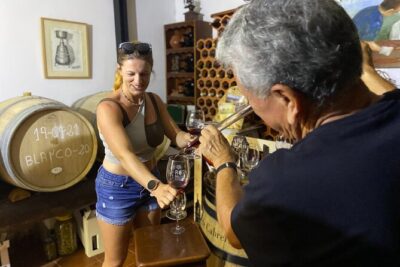
I especially like the hands-on feeling: you’ll stroll among vines, see a 100-year-old stone lagares used for pressing grapes, and smell the cellar as wine ferments in wooden casks. The other big win is the guide—Maria tells the family story clearly, with enough humor to keep it lively while you compare the old museum machinery to the modern winery side. One possible drawback: since there’s no hotel pickup and the meeting point is a specific estate, double-check your directions and arrive a few minutes early so you don’t start the tour hunting around.
In This Review
- The Short Version: What You’ll Love Most
- Entering an Organic Estate That’s Kept Its Traditions
- Meeting at Bodega San Juan – Finca El Mocanal (and Why Timing Helps)
- From Family Photos to Organic Vineyards: The Walk That Sets the Context
- Old Pressing Tools and a Wine Museum You’ll Actually Use
- Old vs. New: How the Modern Facility Fits In
- The Tasting: Two Wines with Cheese, Toast, Olives, and Garden Mood
- Price and Value: Why $34 Feels Fair for What You Get
- Who This Tour Suits Best (and Who Might Want Something Else)
- Should You Book? My Take
- FAQ
- How long is the Gran Canaria winery tour?
- Where is the meeting point?
- Is hotel pickup included?
- What do I get to taste?
- Does the tour run in bad weather?
- Is the tour guide English-speaking?
The Short Version: What You’ll Love Most
- Family-run winery with five generations at Bodega San Juan – Finca El Mocanal
- Organic vineyards grown on unique volcanic soil with endemic grape varieties
- Gran Canaria’s only wine museum, plus a look at old pressing and cellar tools
- Cellar aromas and wooden casks that make the whole process feel real
- A two-wine tasting paired with local cheese, toasted bread, and olives
Entering an Organic Estate That’s Kept Its Traditions
Gran Canaria isn’t only beaches and day trips. This tour is a great reminder that wine culture is real here, not just a side quest. You’re visiting an organic winery that traces back over a hundred years, run by a family with deep roots on the island. That matters because you’re not being pushed through a showroom. You’re walking through a working estate and learning how the place evolved.
The tone is relaxed and human. You get a guided route that moves through the past and then checks in with the present. Expect to hear about how they grow grapes now, but also how they used to work the vineyards and process the grapes when the estate’s methods were more hands-on.
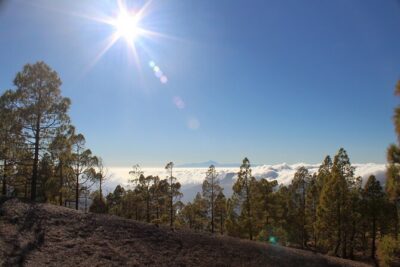
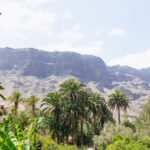
And yes, the setting helps. The estate has rolling vineyard views you’ll want to photograph, and the buildings and museum spaces give you that “wait, people used to do this” feeling.
You can also read our reviews of more food & drink experiences in Gran Canaria

Meeting at Bodega San Juan – Finca El Mocanal (and Why Timing Helps)
The tour starts at Bodega San Juan – Finca El Mocanal. There’s no hotel pickup, so you’ll need to get yourself to the estate. That’s not a deal-breaker, but it does mean you should plan to arrive on time (or slightly early).
Once you’re there, the first part of your experience is getting your bearings. Your guide—often Maria, who is known for clear English and an easygoing style—begins by sharing the family story. You’ll typically see old photos and estate details that connect the vineyard work to the people behind it.
Practical tip: wear shoes with decent grip. Even if it’s not pouring, you’ll be walking on estate paths where rain can make surfaces slick.
From Family Photos to Organic Vineyards: The Walk That Sets the Context
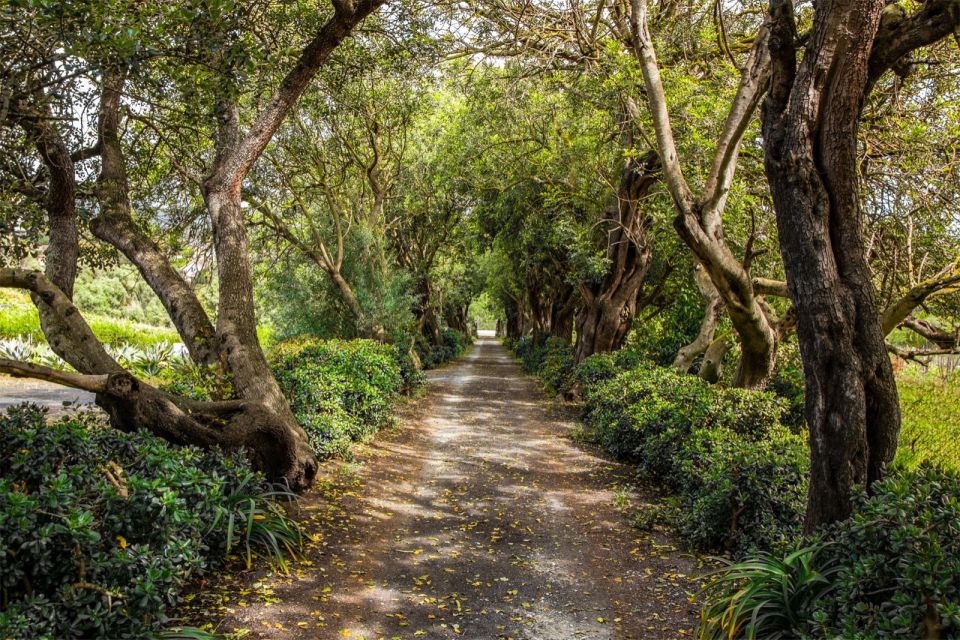
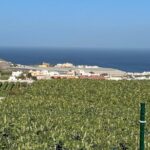
After you meet the guide, you shift from history to how wine happens. You’ll take a stroll through the organic vineyards where grapes ripen in the sun. This is where the tour does something smart: it gives you the “why” before the “what.”
You’ll hear about endemic grape varieties and why the volcanic soil matters. Volcanic ground changes what the vines can do, and that affects the character of the wine. Your guide also talks through the practical side of keeping grapes in good condition, which is where organic farming isn’t just a label—it’s constant work.
If you like food and wine, this part quietly trains your palate. You start understanding what might be behind the flavors you’ll taste later: sun exposure, soil behavior, and the effort it takes to keep the crop healthy.
And if you like photos, this is your best stretch. You’ll get those vineyard views that look great in daylight. Don’t rush here. Slow down for a few shots and let the guide finish the story.
Old Pressing Tools and a Wine Museum You’ll Actually Use
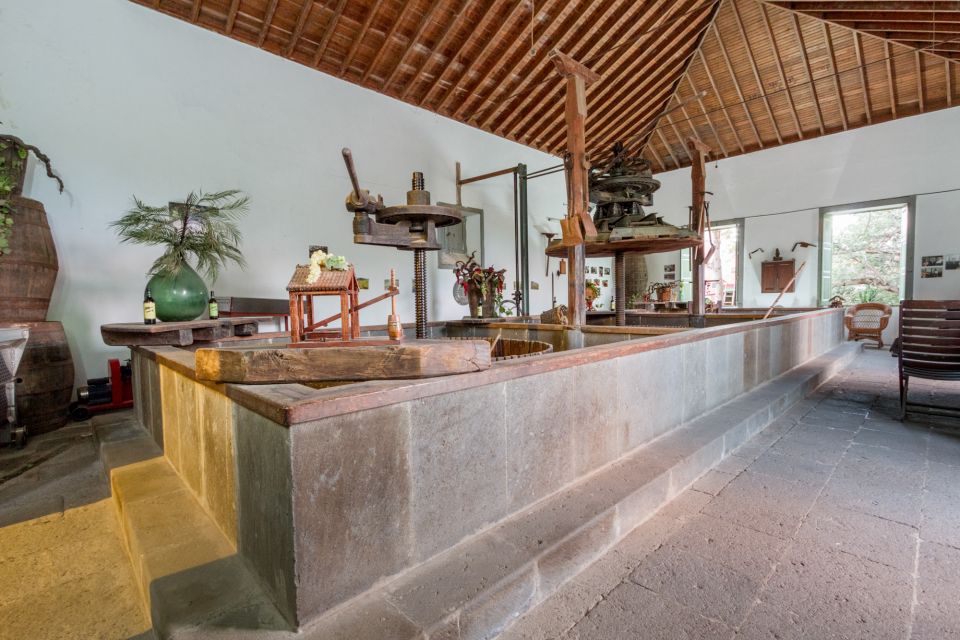
One of the most unique stops is the wine museum, described as the only one of its kind on Gran Canaria. This is where the tour becomes more than just a scenic walk. You’ll see old machinery and learn how winemaking has changed over time.
You’ll also spend time around a 100-year-old stone lagares, the kind of press area where grapes were once trodden. Even if you’ve seen winery museums before, this kind of artifact tends to land differently. It’s physical history. You can stand there and picture the work, the rhythm, and the patience.
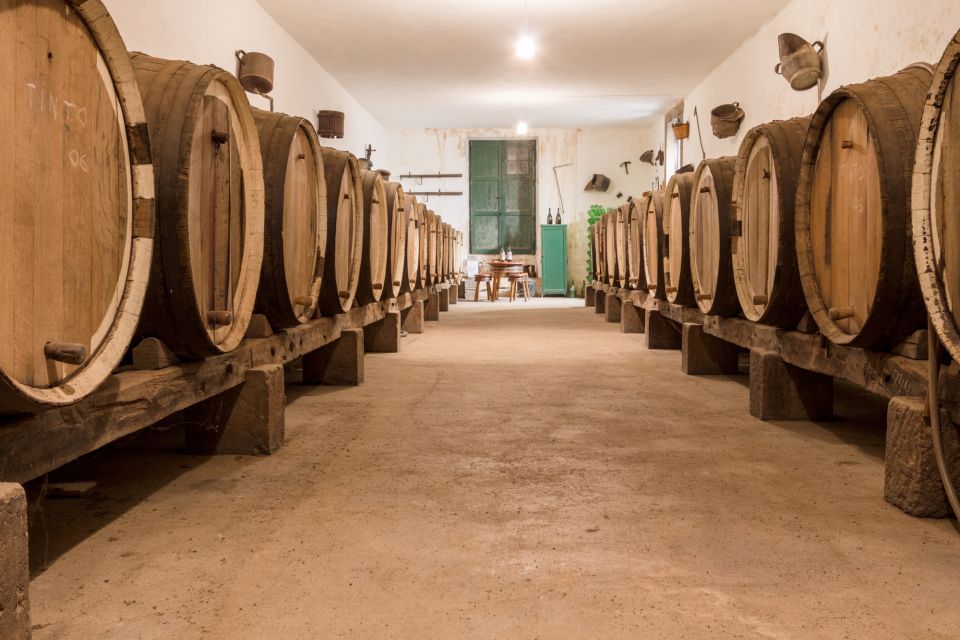
Then you’ll move into the cellar area. This is one of the sensory parts of the tour: you inhale the aroma of fermenting wine in wooden casks. Smell is a huge part of wine education, and it’s also a reminder that wine isn’t just a product. It’s an ongoing process happening right then.
The museum stop also helps you understand why modern wineries still respect the old steps. It’s not about pretending the old ways were perfect—it’s about showing what stayed, what changed, and why.
Old vs. New: How the Modern Facility Fits In
A smart element here is the comparison. You don’t just leave the past behind after the stone lagares and museum machinery. You also get a look at the modern facility and how production has evolved.
This matters for value because it prevents the tour from becoming a one-note history lesson. You’ll see the historical tools and then watch how that knowledge turns into today’s practices.
You’ll also have the chance to connect what you learned about organic farming and volcanic soil back to the production process. In plain terms: the vines you walked past don’t exist just for scenery. They feed into a whole chain that ends at the tasting table.
You can also read our reviews of more museum experiences in Gran Canaria
The Tasting: Two Wines with Cheese, Toast, Olives, and Garden Mood
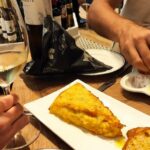
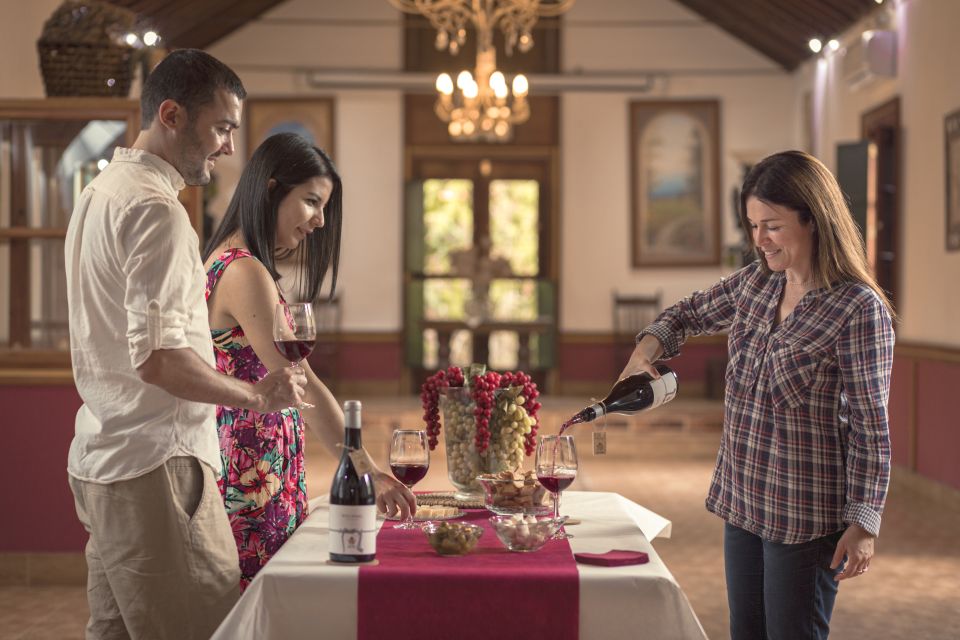
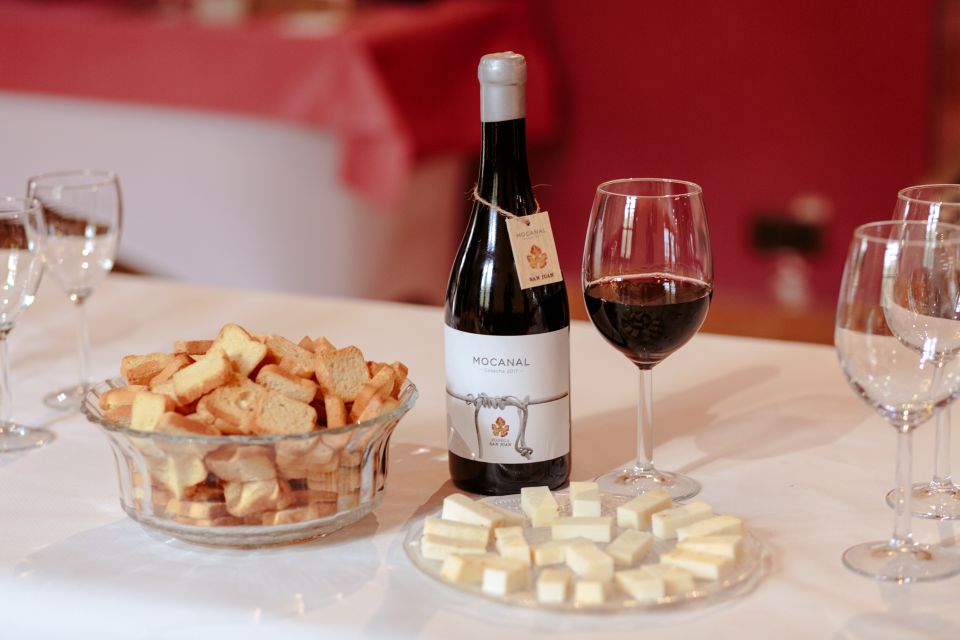
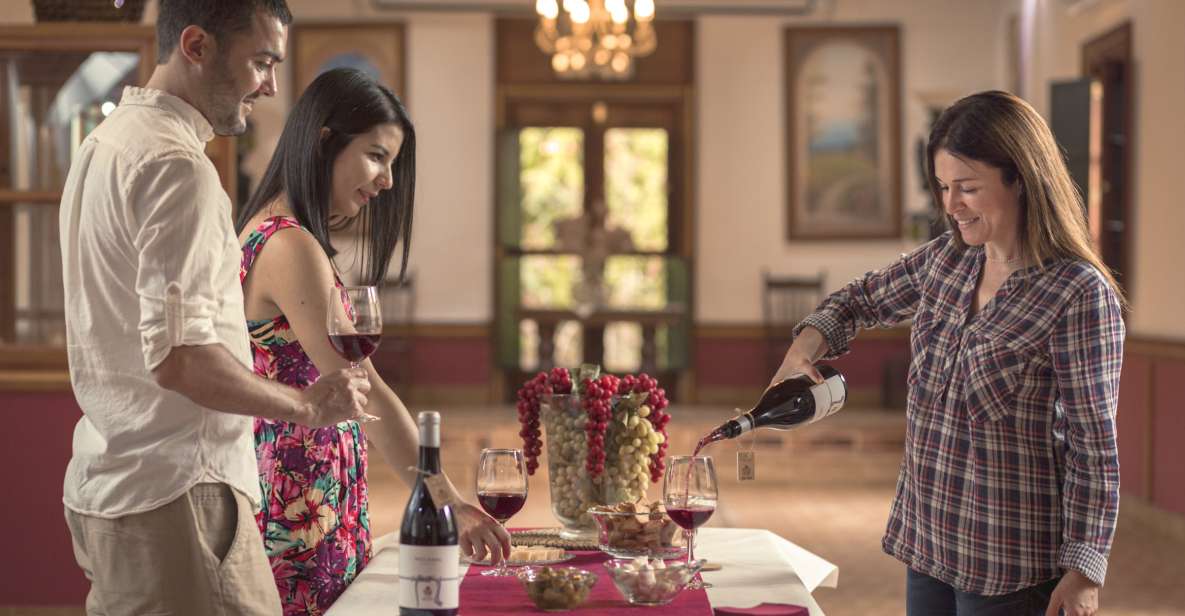
Your tour wraps up with tasting in the designated area. The format is simple and satisfying: two wines plus local cheese and toasted bread. Snacks included also cover cheese, toast, and olives, so you’re not just sipping on empty stomach vibes.
What I like about this tasting is that it’s paired, not random. Cheese and bread give you something to compare against the wine, and your guide can point out differences so you taste with context rather than guessing.
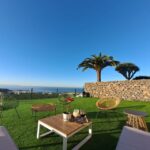
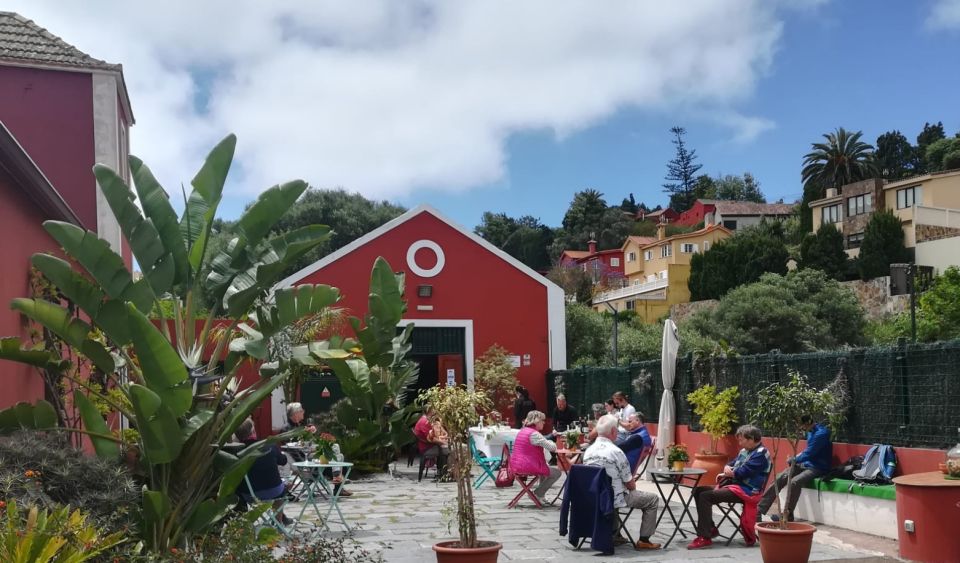
Some tours are “taste and run.” This one is more comfortable. Several guests noted tasting in a beautiful garden on the estate, sometimes with butterflies floating around. You might not get the exact same scene every time, but the setting is designed to feel calm rather than factory-fast.
If you want a takeaway: this is the kind of tasting where you can leave with a better sense of what you personally like, not just a vague memory of a nice wine moment.
Price and Value: Why $34 Feels Fair for What You Get
At about $34 per person for roughly 1.5 hours, this tour hits a good middle ground. It’s long enough to feel like you learned something—vineyard walk, museum visit, cellar time, then tasting. It’s also short enough that you won’t lose a whole afternoon, especially helpful if you’re juggling other Gran Canaria plans.
For value, focus on what’s included:
- Farm tour (vineyards)
- Wine tasting (two wines)
- Snacks (cheese, toast, olives)
You’re paying for a guided experience that mixes history and production, and the tasting isn’t an afterthought. If wine museums and winery cellars are your thing, this is a strong use of time.
Is it the cheapest winery tour on the island? Probably not. But it’s priced like something curated by a real estate team: you’re seeing old tools, learning organic methods, and ending with a paired tasting that doesn’t feel rushed.
Who This Tour Suits Best (and Who Might Want Something Else)
This tour is ideal if you want:
- A family-run winery feel rather than a mass-market production line
- A wine museum stop and a chance to see historic pressing tools
- Organic wine context tied to real volcanic soil and endemic grapes
- A comfortable, short visit with tasting and snacks
If you’re the type who only wants big-scale tastings, modern luxury, or long vineyard drives, you might find this less flashy. But if you care about how wine is made and why a place matters, you’ll likely enjoy it.
Should You Book? My Take
I’d book this tour if you’re looking for an authentic Gran Canaria wine experience that doesn’t eat your day. The combo of organic vineyards, a real wine museum, and a cellar with wooden casks creates a clear storyline. Add in Maria’s guiding style—good English, friendly energy, and lots of practical detail—and it feels like time well spent.
I’d think twice only if you hate tours where you must get yourself to a specific meeting point, or if you’re expecting a long, multi-hour wine crawl. For what it is—1.5 hours with museum history, cellar aromas, and a solid tasting—it’s a smart choice.
FAQ
How long is the Gran Canaria winery tour?
It lasts about 1.5 hours.
Where is the meeting point?
Meet at Bodega San Juan – Finca El Mocanal.
Is hotel pickup included?
No. Hotel pickup and drop-off are not included.
What do I get to taste?
You’ll taste two wines, and they’re accompanied by Gran Canaria cheese and toasted bread. Snacks also include cheese, toast, and olives.
Does the tour run in bad weather?
Yes, it runs rain or shine.
Is the tour guide English-speaking?
Yes, the host or greeter is English.