REVIEW · GRAN CANARIA
Adventure Driving Jeep Tour in Gran Canaria
Book on Viator →Operated by Supercar Gran Canaria · Bookable on Viator
Gran Canaria by Jeep feels like the island changes gear. You get real driving time, then short, high-impact stops that help you understand why these places matter. The mix of volcanic views and human-made engineering keeps it from feeling like a sightseeing line.
Two things I like a lot: first, the tour is built around those fast photo stops, so you’re never stuck in one spot too long. Second, the guide keeps the information at a good pace, which makes the ride feel more like a story than a lecture. In the reviews, the vibe around safety also stands out, even with steep cliffside stretches.
One thing to consider: the route can be bumpy. If you’re sensitive to rough roads, or if you’re traveling with mobility issues, plan for that. Also, if you want to drive, you’ll need a driver’s license.
In This Review
- Key Highlights You’ll Feel Right Away
- What This Jeep Adventure Is Like on Gran Canaria Roads
- Start Point, Pickup Reality, and the 9:30am Rhythm
- Presa de Chira: Engineering That Took Decades and Tons of Work
- Roque Nublo: The Big Volcanic Landmark You’ll Want to See Up Close
- Arguineguín: From Fishing Village Roots to a Working Coast
- The Guide and the Safety Reality Check (What Matters Most)
- Driving Adventure vs. Standard Sightseeing: What You’ll Actually Gain
- Value: Is $323.91 Worth It for Up to 2 People?
- What to Bring (So the Rough Bits Don’t Ruin Your Day)
- Should You Book This Jeep Tour in Gran Canaria?
- FAQ
- How long is the Jeep tour?
- Where does the tour start and end?
- Is pickup available?
- What language is the tour offered in?
- Is food, drink, or water included?
- Do I need a driver’s license?
Key Highlights You’ll Feel Right Away
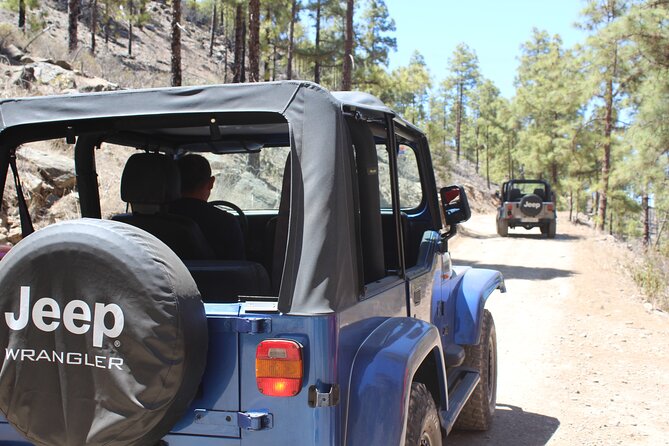
- Jeep driving focus with real time behind the wheel (license required if you drive)
- Presa de Chira: a dam story with numbers that make it feel real, not textbook
- Roque Nublo: a major rock landmark 1,813 meters above sea level
- Quick photo stops timed for sightlines, not long waits
- Small-group feel with a maximum of 20 travelers
- South coast culture stop at Arguineguín, where locals share space with visitors
What This Jeep Adventure Is Like on Gran Canaria Roads
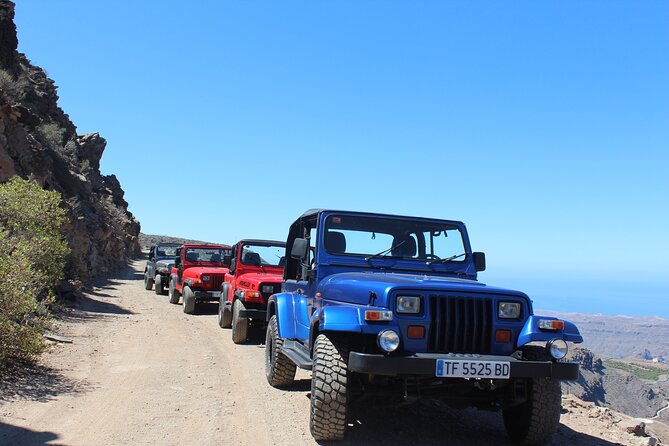
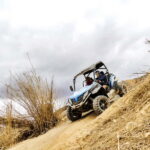
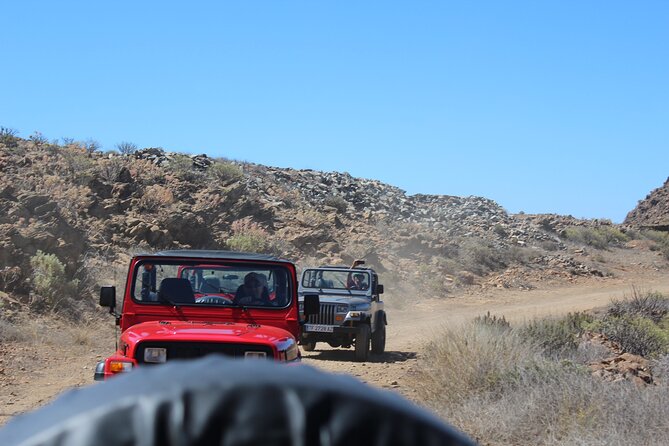
This tour is a driving adventure first, sightseeing second. That matters because you’re not just being transported from point A to point B. You’re actually moving through the island’s terrain, watching the scenery shift as the roads climb and bend.
I like that the stops are short but purposeful. A quick stop can work well in Gran Canaria because the best views often depend on where the light and the road positioning land. You get those bursts of scenery without losing half the morning sitting around.
The Jeep format also changes how you experience the island. You notice the roads, the gradients, and the way the terrain shapes the towns and viewpoints. It’s practical fun, not just a scenic bus ride.
You can also read our reviews of more tours and experiences in Gran Canaria.

Start Point, Pickup Reality, and the 9:30am Rhythm
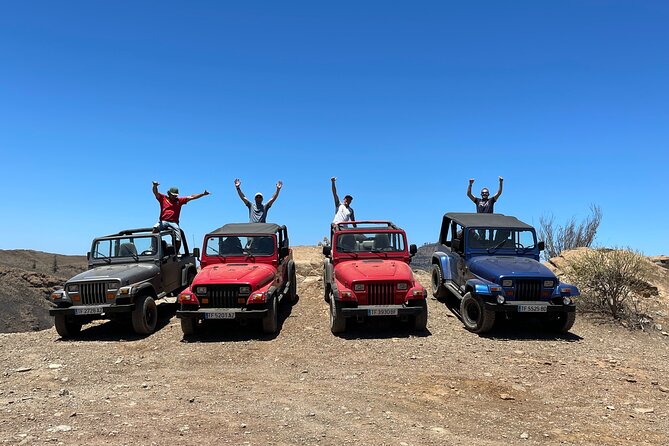
The tour starts at Cruce Palmitos, 35109, Las Palmas, Spain, with the activity ending back at that same meeting point. Start time is 9:30am, so you’re getting rolling early enough to beat the day’s heat and crowds.
Pickup is offered, but you need to plan it carefully. You’ll recognize the collection vehicle by its logo on the side, and you’re expected to stand outside your hotel. Pickup is not available from inside Las Palmas city, so if you’re staying there, double-check what’s realistic for you.
The tour uses a mobile ticket, which is convenient if you travel light. And with a small maximum of 20 travelers, you’ll usually feel like you’re moving with a set group instead of joining a huge crowd.
Tip: if you’re coordinating with another person in your party, treat this as a single plan with one meeting flow. It’s easier than trying to split up and re-find each other later.
Presa de Chira: Engineering That Took Decades and Tons of Work
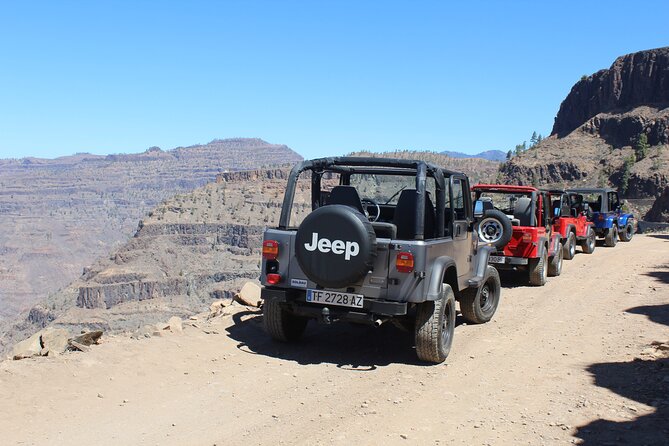
Presa de Chira is your first stop, and it’s a smart choice because it grounds the tour in how Gran Canaria supplies itself. The dam isn’t just a pretty structure to photograph. It has a full timeline of planning changes, engineering decisions, and years of labor.
The story starts in 1932, when the Cabildo of Gran Canaria requested a concession related to public waters flowing through the Barranco de Chira. Project problems around the Soria Dam led to a change in approach. Instead of a diversion dam solution, the engineers switched toward a reservoir dam model focused on water storage.
What I find useful is how the details turn history into scale. During nearly 25 years of work, excavations totaled 36,000 cubic meters. They opened two quarries to provide 28,000 cubic meters of masonry for the dam body, and used around 40,000 cubic meters of inert materials. Access also required major infrastructure: almost 37 kilometers of roads and an 18-kilometer distribution channel.
The stop itself is brief, about 5 minutes, with admission free for this stop. That means you don’t come here to linger for hours. You come to get oriented, understand what you’re looking at, and capture the structure with context.
Consideration: if you want deep time at one site, this is not that kind of tour. It’s built for quick understanding and moving on.
Roque Nublo: The Big Volcanic Landmark You’ll Want to See Up Close
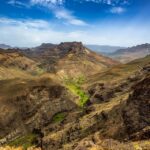
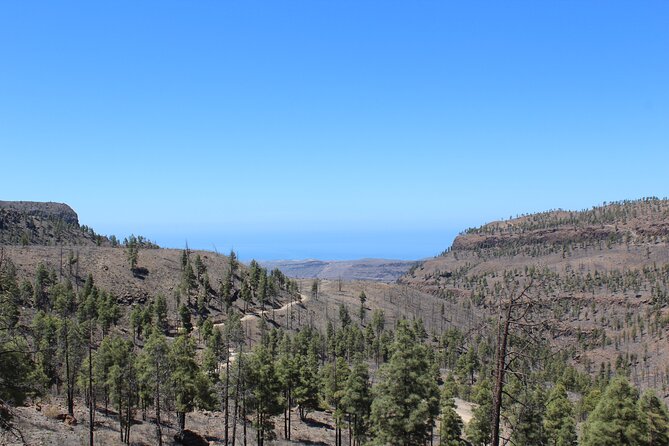
Roque Nublo is one of the island’s signature shapes, and the numbers help you grasp why it matters. This volcanic rock rises 80 meters tall, with its top at 1,813 meters above sea level. It’s the third highest point on Gran Canaria after Morro de la Agujereada and Pico de las Nieves.
What makes Roque Nublo feel special is how it sticks out from the island’s bigger mountain system. It’s called Rock in the Clouds for a reason. Even if you’re not visiting in heavy cloud, the height can put you in a different visual layer than the coast.
The tour stop is again about 5 minutes, and admission is free here too. That short timing is actually a good fit for Roque Nublo because viewpoint conditions can change fast with wind and light. You’ll want your camera ready and your eyes up, not stuck waiting.
Also, the formation is listed as around 4.5 million years old. That’s hard to picture until you see the scale in person. When you stand near it, the age becomes a fact you can feel, not just read.
Arguineguín: From Fishing Village Roots to a Working Coast
Your final stop is Arguineguín, a local-populated town along Gran Canaria’s south coast. The tour frames it as a former typical Canarian fishing village that has grown into a place where locals and tourists share the shoreline.
This is the kind of stop that adds texture. The first two stops are about geology and infrastructure. Arguineguín gives you daily-life context, so the trip doesn’t end as a set of monuments.
Because the itinerary doesn’t promise a long stretch of free time in town, I’d treat this as a quick immersion stop. Look for everyday details: how the waterfront feels, how the town is built for real use, and how the atmosphere shifts compared with the more viewpoint-focused places.
Practical note: the tour does not include food or drink, and water isn’t included either. If you plan to stroll around Arguineguín after a short photo break, consider bringing what you need so you’re not stuck hunting for supplies right after the ride.


The Guide and the Safety Reality Check (What Matters Most)
The tour experience is driven by the guide’s pacing. In the reviews, I saw praise for the way the guide gave just the right amount of information while keeping it entertaining. That’s the sweet spot for tours like this. You learn enough to understand the dam and the rock, without turning the drive into a seminar.
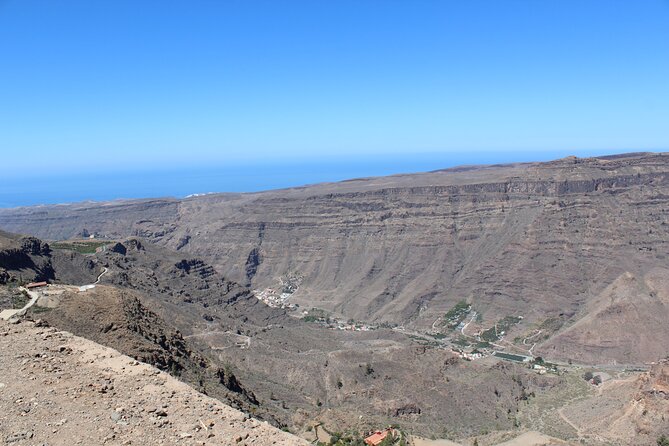
Safety also comes up directly. You’ll be on steep-cliff areas near the road at times. The feedback I’m working from was reassuring: people felt safe during the driving even in sections where the terrain looks intimidating.
That said, here’s the honest part. Some parts are bumpy. If you’re elderly, pregnant, or simply sensitive to rougher roads, the ride may not feel comfortable for long. The tour is not marketed as a smooth, cushy ride.
One more thing you should know: the “in-person guide is not licensed or certified.” That’s unusual wording, so it’s worth taking seriously in your decision-making. It doesn’t mean the tour won’t be well-run, but it does mean you should focus on how the guide communicates, handles safety, and keeps the group on track.
If you’re going for the driving and the viewpoints, this tour can be a fun fit. If you’re going for guaranteed comfort above all, plan carefully.
Driving Adventure vs. Standard Sightseeing: What You’ll Actually Gain
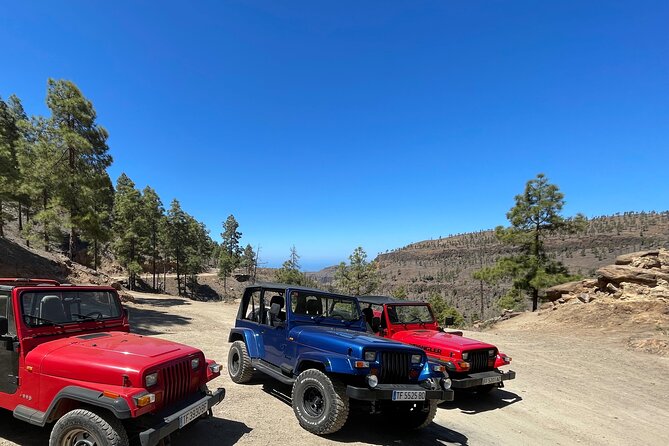
A standard bus tour often gives you a checklist of stops. This one gives you a stronger sense of place because you travel through the island’s terrain. The Jeep format also makes the journey part of the attraction.
You also get built-in pacing tools. The tour includes stops for photo sessions, so you can align your camera with viewpoints instead of trying to guess the best timing yourself. It’s a small detail, but it reduces the frustration of arriving at a place and realizing you missed the angle.
Group size helps too. With a maximum of 20 travelers, you’re less likely to feel crowded at the viewpoints. And because the pricing is per group up to 2, it can work well for couples or two friends who want control over the experience.
And remember: you’re likely out for about 5 hours. That’s long enough to feel like an adventure, but short enough that you still have time to enjoy the rest of your day on your own terms.
Value: Is $323.91 Worth It for Up to 2 People?
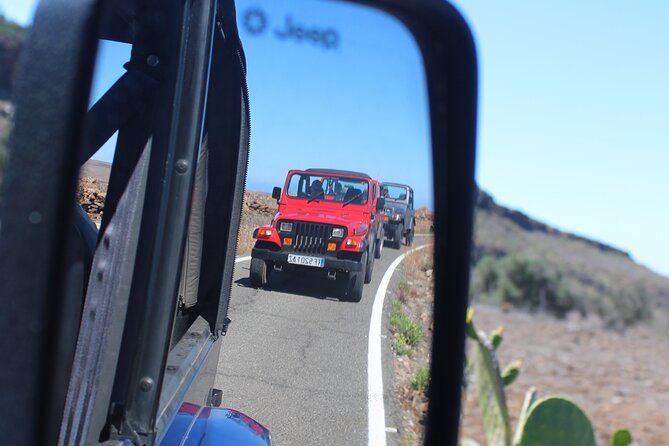
At $323.91 per group (up to 2), the real value question is what you’re getting for that total. This price bundles the vehicle experience, the guided route, and all fees and taxes.
What you’re not paying for is also part of the math. Food and drink are not included, and water isn’t included either. So if you usually expect a snack stop on tours, you’ll need to plan that separately.
On the plus side, Roque Nublo and Presa de Chira are marked as admission free stops. So the money is going into the ride and the structured timing, not ticket costs.
One smart way to think about this price: it’s best when you can fully use the Jeep driving element. If you’re coming as a couple and one of you will drive (license required), you’re spreading value over two people. If you’re coming as a solo rider who won’t drive, you may feel the cost more sharply since you’re paying for an experience built around movement.
What to Bring (So the Rough Bits Don’t Ruin Your Day)
This tour is doable, but you should come prepared for a driving adventure. You’ll want shoes that work well on uneven ground at quick stops. If you’re sensitive to bumpy rides, consider bringing something that helps with comfort.
Since food, drink, and water aren’t included, bring a bottle if you can. Even if you plan not to do much walking in Arguineguín, you’ll still appreciate having water after a drive.
The tour requires moderate physical fitness. That doesn’t mean you need hiking legs. It does mean you should be able to handle uneven outdoor walking for short periods and getting in and out of a vehicle.
Minimum age is 6 years old, and service animals are allowed. So it can work for families, as long as everyone is comfortable with the ride conditions.
Should You Book This Jeep Tour in Gran Canaria?
I’d book this if you want active travel over passive sightseeing. You’ll get a balanced combo of places: human engineering at Presa de Chira, a major volcanic landmark at Roque Nublo, and a real town stop at Arguineguín. The short stop timing keeps energy up, and the guide’s pacing seems to hit the right tone.
I wouldn’t book it if you’re chasing a smooth, luxury comfort level, or if you strongly dislike bumpy roads. This is a driving adventure, and the terrain is part of the experience. Also, factor in the fact that the guide is stated as not licensed or certified, and decide if that detail affects your trust level.
One last planning point: the experience depends on good weather. If conditions are poor, you may be offered a different date or a full refund. If you’re flexible, that makes the deal easier to take.
FAQ
How long is the Jeep tour?
It runs about 5 hours (approx.).
Where does the tour start and end?
It starts at Cruce Palmitos, 35109, Las Palmas, Spain and ends back at the same meeting point.
Is pickup available?
Pickup is offered, but you must stand outside your hotel to be collected. Pickup cannot be done from Las Palmas city.
What language is the tour offered in?
The tour is offered in English.
Is food, drink, or water included?
No. Food and drink, and water are not included.
Do I need a driver’s license?
A driver’s license is required to participate as the driver on this tour.