REVIEW · GRAN CANARIA
South Gran Canaria: Off-Road Valleys & Villages Jeep Tour
Book on GetYourGuide →Operated by Discovery jeep safari · Bookable on GetYourGuide
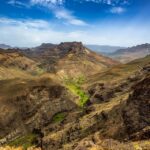
Gran Canaria gets wild inland. This off-road jeep tour sends you into the south’s valleys and villages, with big view stops like Roque Nublo and the Valley of the Thousand Palms. Expect narrow roads, quick photo moments, and little breaks that make the day feel busy but not rushed.
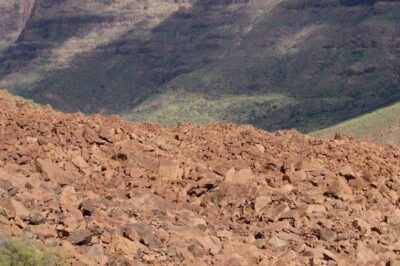
I especially like the mix of scenery types: dry cactus country near the coast, then greener valleys with palm forests and mountain views. I also like how the guide-led stops keep you oriented, so you’re not just driving around, you’re understanding what you’re seeing as you go (some guides I saw mentioned include Juan, Jer, Paco, Luis, and Karolis).
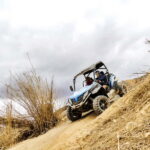
One consideration: this is real dirt-road driving. If you hate heights or motion, the bumpy track runs close to steep drops in places, and the comfort won’t feel like a smooth city ride. Pack a warm layer too, because it can cool up in the higher mountain viewpoints.
In This Review
- Quick take: what makes this jeep tour worth it
- South Gran Canaria by Jeep: why this route beats the coast
- Timing, pickup, and what the 5-hour pace really means
- Maspalomas start and the safety talk (read this part)
- Roque Nublo and the Lake Chira sector: where the island opens up
- Coffee in San Bartolomé de Tirajana, plus the church stop
- Valley of the Thousand Palms and Fataga: palms, village streets, and shade
- Miradors that bookend the best views: Degollada de las Yeguas and Las Moscas
- The off-road reality: what the bumpy drive feels like and how to handle it
- Aloe Vera and food stops: what to expect without being surprised
- Price and value: is $74 a fair deal?
- Who should book this jeep tour (and who should skip it)
- Should you book? My call
- FAQ
- How long is the South Gran Canaria Jeep Tour?
- Is lunch included?
- Where does pickup and drop-off happen?
- What languages are offered for the live guide?
- Is smoking allowed in the vehicle?
- Is the tour wheelchair accessible?
Quick take: what makes this jeep tour worth it
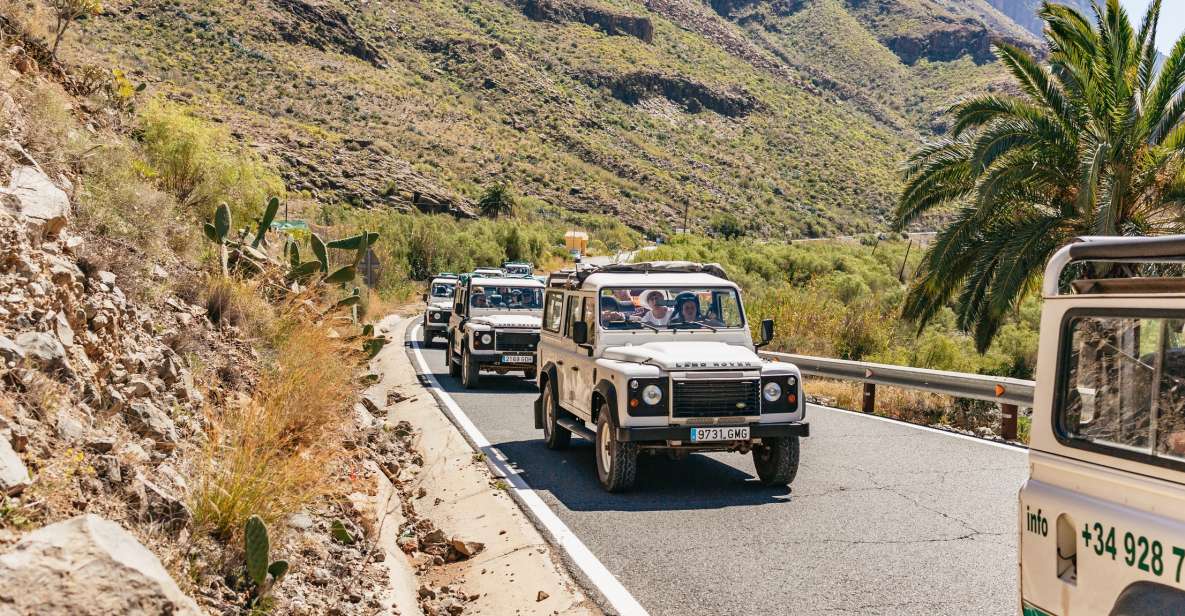
- Off-road driving on narrow tracks that you’d never attempt alone (and that makes the views feel earned)
- Roque Nublo and Lake Chira stops for those signature Gran Canaria “how is that here?” moments
- San Bartolomé de Tirajana coffee break plus time in the town and its historic church
- Valley of the Thousand Palms and Fataga for palms, village streets, and a slower-feeling culture stop
- Multiple miradors, including Mirador Astronómico de la Degollada de las Yeguas and Mirador Las Moscas
- Pickup and drop-off across the south, which is a huge value add versus trying to self-drive
South Gran Canaria by Jeep: why this route beats the coast
Most Gran Canaria days feel like two choices: beach time or a long drive to one viewpoint. This jeep tour is different because it keeps you moving through interior valleys where the island looks sharply different every 10–20 minutes. You go from cactus-and-stone country to greener patches and palm forests, so the “what scenery will we see next?” question stays alive all day.
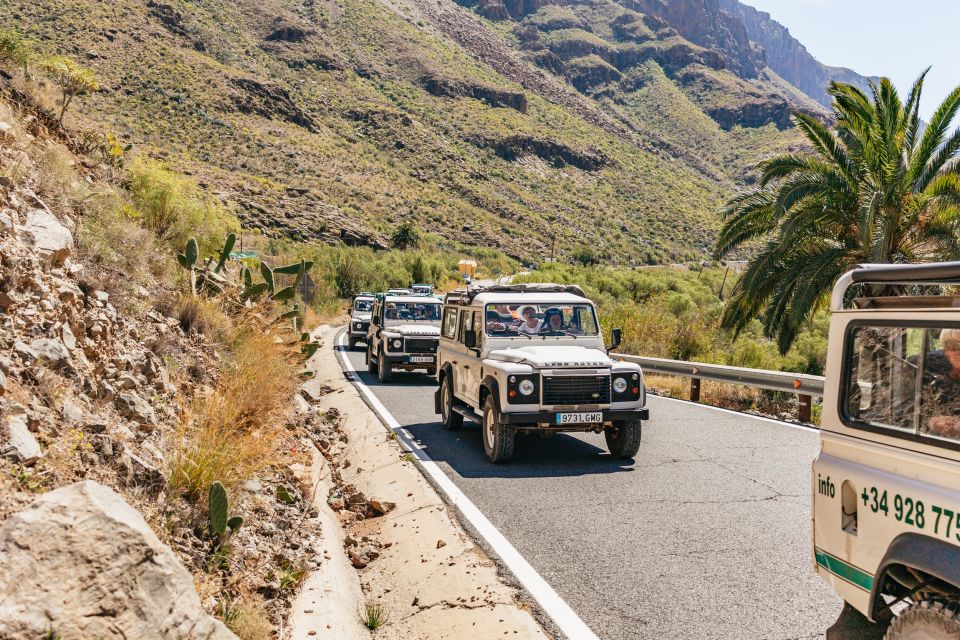
The big selling point is that the route isn’t designed for comfort, it’s designed for access. You’re using an air-conditioned jeep, but you should still expect open windows and wind. You’ll feel the bumps. That’s not a bug here—it’s the point. Several guides (like Jer and Paco, for example) clearly explain what you’re seeing as you pass it, which turns the drive into a guided loop instead of just transportation.
And because pickup is included in the south, you avoid the hassle of renting a car, figuring out roads, and paying for parking. For a $74 price point, that added convenience matters.
You can also read our reviews of more tours and experiences in Gran Canaria.


Timing, pickup, and what the 5-hour pace really means
The tour is listed at about 5 hours, but in practice plan for something close to that plus a little variation depending on where you’re picked up and how long stops run. If your hotel is one of the many south options (for example Maspalomas-area hotels like Dunas Mirador Maspalomas or Seaside Sandy Beach, or Puerto de Mogán spots), you’ll meet at a scheduled pickup point and then roll into the interior.
Pickup is included only for south accommodations from a set list of locations. There’s no pickup from Las Palmas, the island’s capital. That’s great if you’re staying in the south—less great if you’re basing yourself elsewhere.
You’ll start with a Maspalomas photo stop and safety briefing, then you transition into longer scenic driving. The day is built around enough viewpoint time to get good photos, plus a main break where you can stretch, use toilets, and buy drinks.
Practical tip: because the itinerary includes multiple photo stops, wear shoes you don’t mind getting dusty. You’ll step out on uneven ground more than once.
Maspalomas start and the safety talk (read this part)
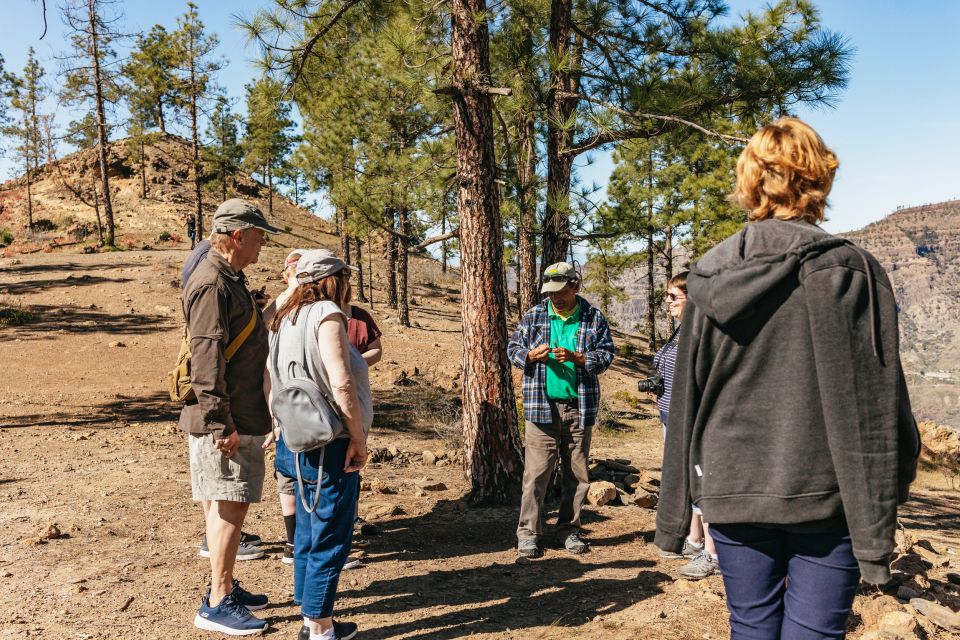
The Maspalomas opener isn’t just a warm-up. You’ll get a safety briefing early, and it matters because later you’ll be on narrow roads near steep drops. Some routes are described as bumpy and twisty, with limited or no crash barrier feel in certain stretches—exactly the kind of place where a good driver’s calm makes a difference.
This is also when you get your bearings. You’ll see a mix of viewpoints and then immediately start changing terrain. After the brief, the driving rhythm shifts into “scenic drive + frequent lookouts.” You’ll spend a chunk of time on the road, including a scenic run toward areas like Salobre and onward toward Lake Chira, with the big-photo stops sprinkled in.
If you’re nervous about heights, this is the time to decide your coping strategy. Don’t hide it from yourself at the start. If the idea of a drop-off makes you tense, you’ll want a seat where you feel most stable—then focus on the view rather than the cliff edge.
Roque Nublo and the Lake Chira sector: where the island opens up
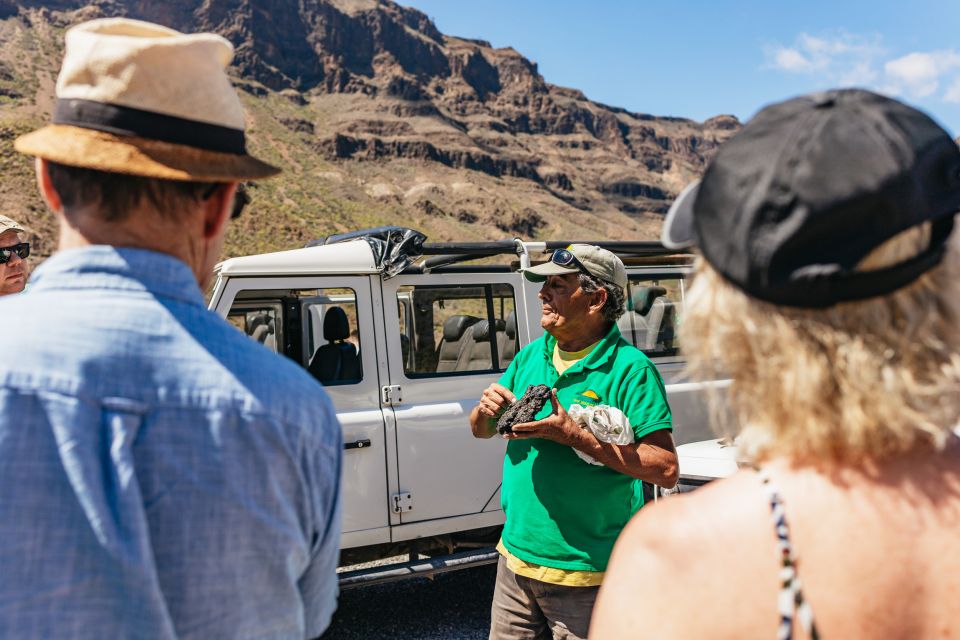
Roque Nublo is one of those Gran Canaria icons that can feel unreal from afar. On this tour, you’ll get that moment while you’re traveling through the island’s interior, so it lands with context instead of feeling like a random stop.
You’re also in the right part of the island for mountain-and-valley panoramas. The itinerary includes scenic driving stretches leading toward Presa de Chira (Lake Chira). Even if you’ve seen photos online, the setting feels bigger once you’re there—more depth, more layers, and a stronger sense of how the island is shaped by volcanic terrain.
A practical reality: you’ll do this in motion and at viewpoint stops. That means you get variety without long hikes. It’s a good choice if you want “mountain time” but don’t want the physical intensity of trekking.
If the weather’s clear, expect sharp visibility and great photo angles. If clouds roll in, you’ll still see the terrain form, but light for photography can soften—so bring a phone charger plan (cold air can drain batteries faster).
Coffee in San Bartolomé de Tirajana, plus the church stop
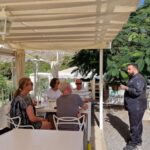
The mid-tour break is where the whole day becomes more human. You’ll pause for a coffee break in San Bartolomé de Tirajana, plus time in town that includes a historic church visit. This is your cultural palate cleanser between mountain viewpoints.
What I like about this part of the day is that it breaks the “just driving and looking” pattern. The itinerary gives you real breathing room, with free time to wander and reset. In some schedules, you’ll also get a chance to grab snacks or drinks during main stops.
From the broader experience of similar groups, a note: lunch can be part of the day as an extra-cost option, and some people choose not to eat with the included restaurant setup and instead find local cafes. Since lunch isn’t stated as included, plan your appetite with flexibility.
If you’re traveling with mixed-energy friends or family, this is the section that gives everyone a fair chance: one group wants photos, another wants a slow walk. The town time helps it feel balanced.


Valley of the Thousand Palms and Fataga: palms, village streets, and shade
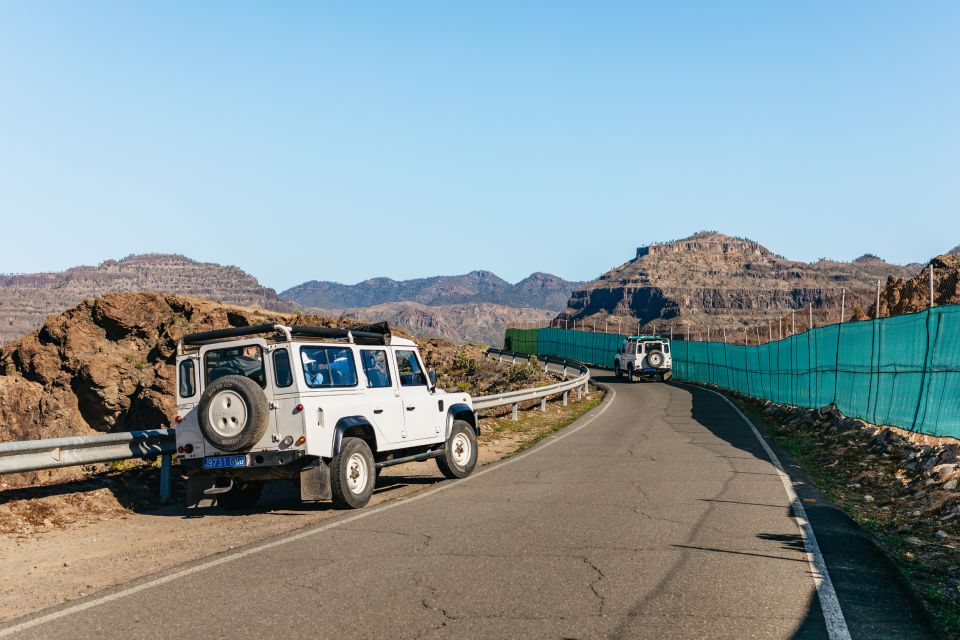
This is the turn toward something that feels quieter and more intimate than the big miradors. You’ll pass through the Valley of the Thousand Palms, then continue to Fataga, a village stop that’s often one of the emotional highlights of the day because it shows a different side of Gran Canaria than the coastal strips.
The Valley of the Thousand Palms is a contrast engine. You go from dry-looking zones to areas where palms show up in clusters, and suddenly the air feels different. It’s not just scenery—it changes the rhythm of the drive. You slow down, people start taking longer looks, and the photo stops feel more like exploring.
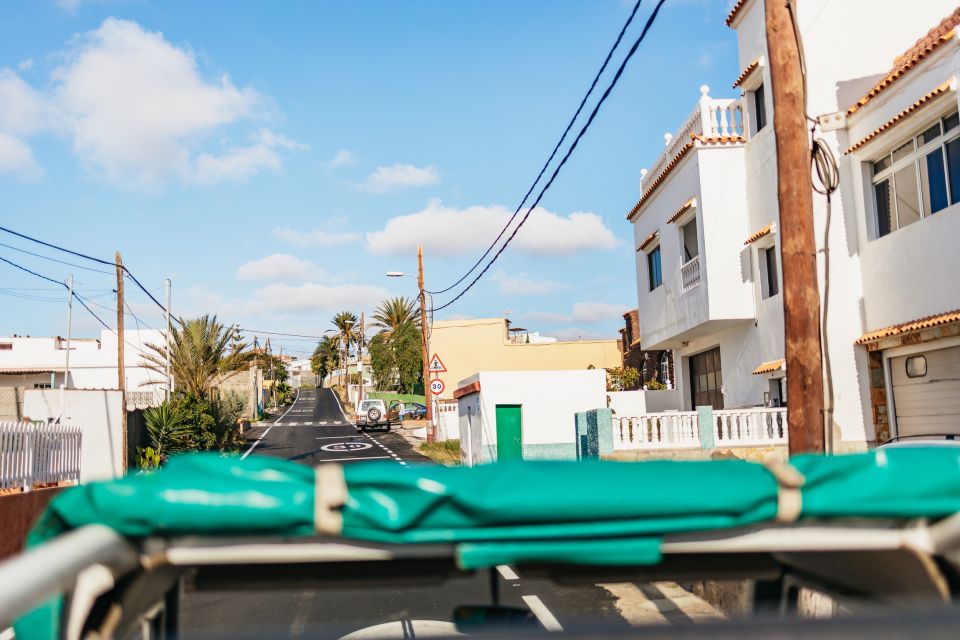
Then there’s Fataga. Village time here is for strolling and taking in charming old buildings, not for ticking a box. Even if you just enjoy the view corners and the small streets, it helps you see how life fits into the island’s folds.
If you like villages, this is your “get off the main highway” moment. If you don’t, you can still enjoy it as a landscape break—less adrenaline, more place.
Miradors that bookend the best views: Degollada de las Yeguas and Las Moscas
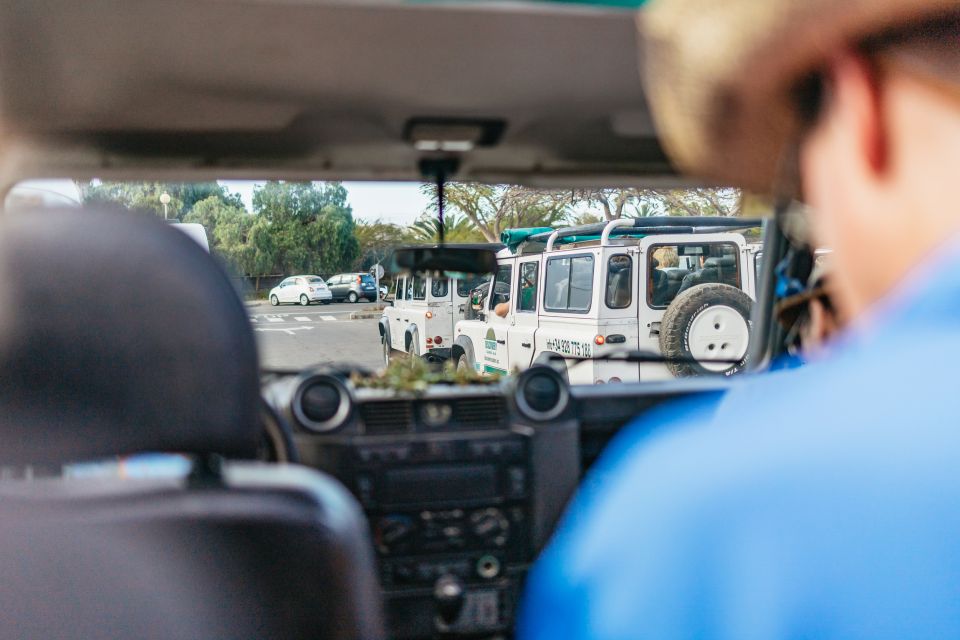
Toward the later part of the tour, you’ll reach mirador stops that act like bookends for the day.
One scheduled stop is Mirador Astronómico de la Degollada de las Yeguas, with a short photo stop and visit time. This is a great spot for perspective: not just a pretty view, but a sense of altitude and the way valleys cut the island into sections.
After that, you’ll get a final viewpoint stop at Mirador Las Moscas before dropping back to your hotel. These last stops are valuable because your eyes have already been trained by earlier scenery. By the time you reach the final mirador, you can see patterns: where water collects (like around reservoirs), where settlements form, and where the slopes look too steep for casual travel.
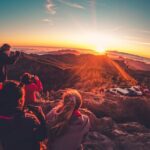
Pro tip: if you want photos, plan for wind. The viewpoints can be breezy, and camera straps can whip. Also, stand in slightly different spots—one step can change the background dramatically.
The off-road reality: what the bumpy drive feels like and how to handle it
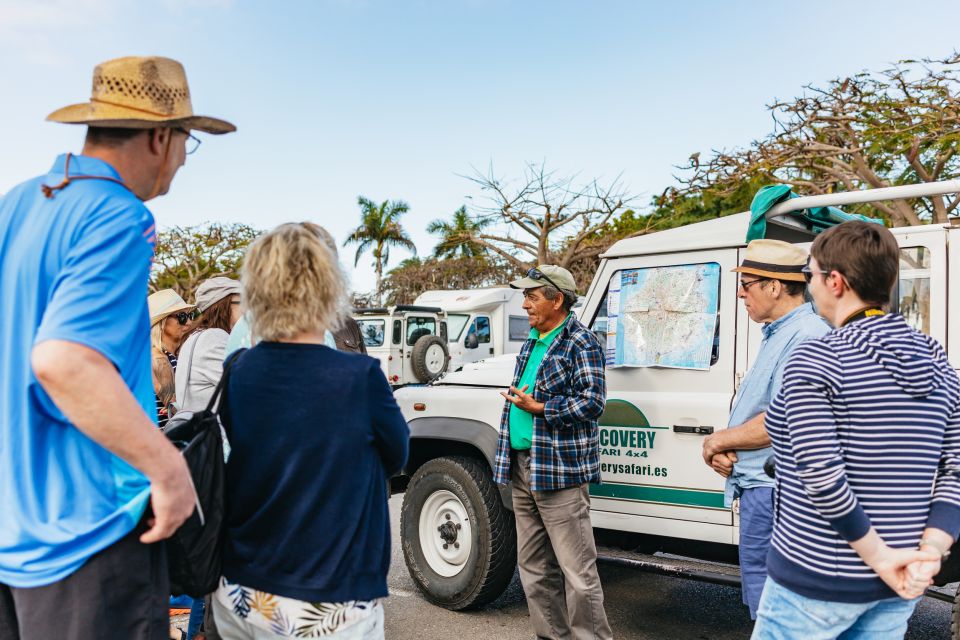
This is where expectations need to be honest. The tour description promises off-road. The on-the-ground experience is that it’s bumpy, dusty, and sometimes close to the edge of the hill. Some routes run along tracks used by emergency vehicles, which is why they can feel narrow and a bit intense.
Here’s what helps:
- Bring sunscreen (it’s required, and the sun can surprise you even when it looks cool).
- Wear layers: several people note it’s noticeably cooler in the higher mountain areas.
- If you get carsick, consider motion-sickness prep. The driving isn’t constant chaos, but it’s enough that you’ll feel it.
- Expect dust in the air on dirt stretches. Sunglasses help.
Comfort notes: people talk about the jeep being air-conditioned, but the feel is still open and breezy. That’s not a downside for most—just don’t expect silent, sealed cabin comfort.
Safety-wise, you’re with a driver who knows these tracks. Still, listen to the safety briefing and don’t treat it like a city bus ride. The fun comes from the fact you’re on the kind of road that most tourists never see.
Aloe Vera and food stops: what to expect without being surprised
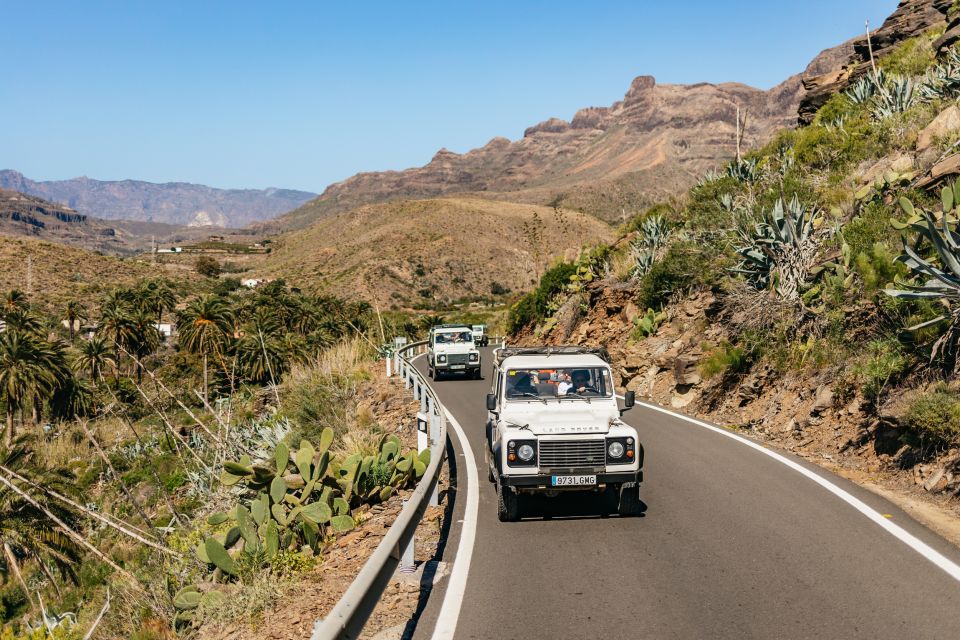
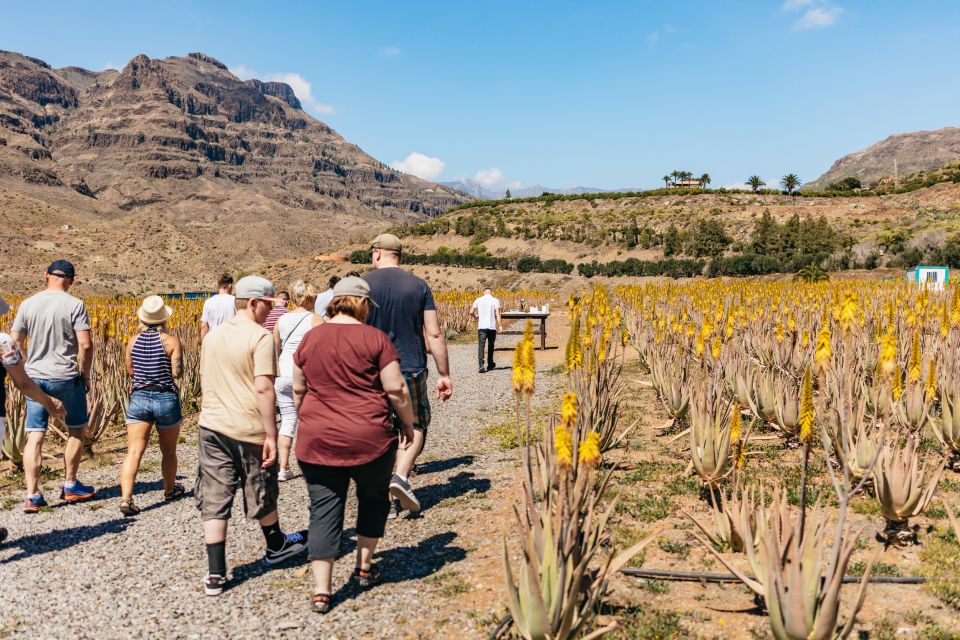
One common add-on you may see on the route is an Aloe Vera farm stop, where they show how aloe products are used and you’ll likely have the option to buy items. Some guests found the presentations interesting, and others felt shopping prices can be high, so go in knowing it’s there as a sales moment, not just a free museum stop.
Food is where your plan should be simple. Lunch is not included in the tour price, and that matches how many people experience it: you’ll get coffee breaks and drink/snack options at stops, but a full meal can cost extra depending on what you choose. Some groups talk about buffet-style lunch add-ons and also recommend hunting out a local cafe instead.
If you care about cost control, bring a snack for the road and treat meals as flexible. If you’d rather minimize decisions, budget for the lunch option once you see what’s offered at the main stop.
Price and value: is $74 a fair deal?
For $74 per person, what you’re really buying is access and convenience. You get:
- Hotel pickup and drop-off in the south (not just meeting at a bus station)
- Jeep transport across a route that would be difficult to self-drive safely
- A guide who explains what you’re seeing across multiple viewpoints and villages
The extra cost area is mainly food, since lunch isn’t included. If you add lunch, your total rises, but you still avoid the big hidden costs: car rental, fuel, parking time, and the stress of navigating narrow rural roads on your own.
This tour is also good value for solo travelers. A lot of the enjoyment comes from being placed into the right language group and having guidance while you focus on views.
Who should book this jeep tour (and who should skip it)
Book it if you:
- Want to see interior Gran Canaria instead of only coastlines
- Like guided viewpoints with photo stops and a mix of valleys, reservoirs, and villages
- Don’t mind a driving day that’s more exciting than comfortable
Skip it or choose another style of tour if you:
- Strongly dislike heights or narrow roads
- Need a wheelchair-accessible tour (this one isn’t suitable for wheelchair users)
- Prefer a smooth, minimal-step outing with no dirt-road elements
If you’re flexible and curious, you’ll get a day that feels like a proper slice of the island rather than a checklist of separate attractions.
Should you book? My call
I’d book this South Gran Canaria off-road jeep tour if your priority is maximum scenery in one day with pickup included. The combination of Roque Nublo views, Lake Chira, San Bartolomé de Tirajana coffee and church time, and the Valley of the Thousand Palms plus Fataga gives you variety that’s hard to replicate solo.
Just go in with realistic expectations: it’s bumpy in places, it can feel close to steep drop-offs, and it’s not a quiet, cushy ride. If that kind of “real driving” sounds fun, you’ll likely love how much you see for the price.
FAQ
How long is the South Gran Canaria Jeep Tour?
The duration is listed as 5 hours, with starting times depending on availability.
Is lunch included?
Lunch is not included.
Where does pickup and drop-off happen?
Hotel pickup and drop-off are included for locations in the south. Pickup is only available for the listed pickup locations, and pickup from Las Palmas is not possible.
What languages are offered for the live guide?
The live tour guide is offered in French, Italian, German, English, and Spanish.
Is smoking allowed in the vehicle?
No. Smoking is not allowed in the vehicle.
Is the tour wheelchair accessible?
No. It is not suitable for wheelchair users.