REVIEW · GRAN CANARIA
Gran Canaria Maspalomas: Surf lessons all levels
Book on GetYourGuide →Operated by South Coast surfschool · Bookable on GetYourGuide
First waves are weirdly addictive. This 2.5-hour surf class at Maspalomas mixes beach teaching with time in the water, run by South Coast Surf School instructors with 30+ years in the ocean. It’s a simple way to try surfing without wasting your holiday on trial-and-error.
What I love is the coaching focus. Expect clear, step-by-step instruction (especially on the pop-up) and a patient vibe that helps beginners feel normal fast. I also like that the lesson includes the surfboard, wetsuit, water, fruit, and accident/liability insurance—so you show up and go.
One thing to consider: there’s no hotel pickup. You’ll need to reach the meeting spot at the SouthCoast surfschool flags near the meet beach bar and close to the red cross office.
In This Review
- Key Highlights You’ll Care About
- Maspalomas South Coast: Why This Place Works for Surf Lessons
- The 2.5-Hour Flow: Beach Basics Then 2 Hours in the Water
- Daniel’s Coaching Style: How You Learn Faster Without Feeling Pressure
- Gear, Comfort, and Safety: What You Get (and Why It’s Included)
- Price Breakdown: Why $59 Feels Fair for a 2.5-Hour Class
- Who This Surf Lesson Fits Best (Beginner to Advanced)
- Tips to Make Your Session Go Smoothly
- Should You Book South Coast Surf School in Maspalomas?
- FAQ
- What’s the duration of the surf lesson?
- Is the surf lesson offered for beginners and advanced surfers?
- What’s included in the price?
- Where do I meet the surf school?
- Do they provide instruction in multiple languages?
- What’s the price?
Key Highlights You’ll Care About
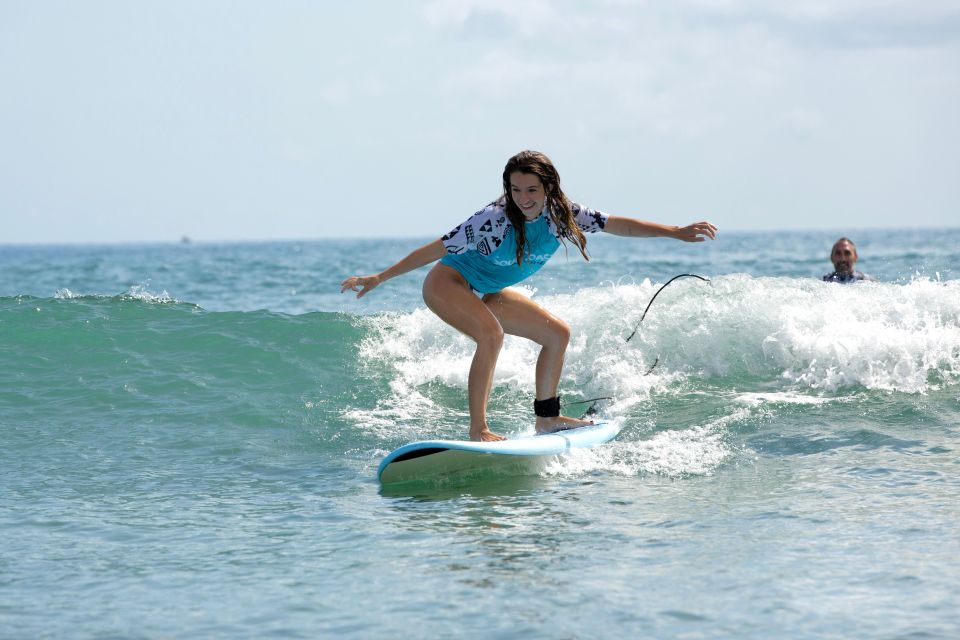
- Beach theory first, then real sea time so you’re not guessing once you paddle out
- Daniel-style pop-up coaching aimed at getting your body into the right position faster
- Small-group feel and individual feedback rather than one generic talk for everyone
- Included board, wetsuit, water, and fruit plus accident and liability insurance
- English, German, and Spanish instruction so you’re not lost while learning
- All levels welcome with support that respects your comfort level
Maspalomas South Coast: Why This Place Works for Surf Lessons
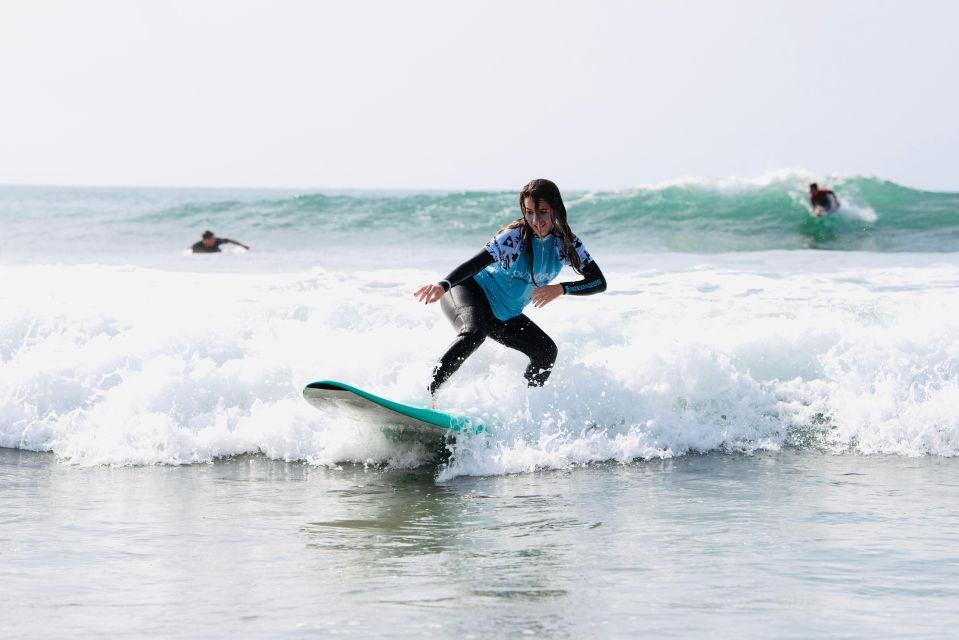
Maspalomas is a smart pick if you want surfing that feels doable. The south coast setting is built for people coming in off the beach and getting straight into the sport. You’re close to where the lesson meets, and the whole experience is designed around getting you onto the board with good guidance, not just watching someone else surf.
The other reason I’m into this location for beginners is the lesson structure. You get some instruction on land before you’re in the water, so you’re not trying to learn balance, timing, and wave reading all at once. When you finally paddle out, you already have mental handles: where your body should be, what you’re practicing, and what success looks like for your level.
Also, the school brings a seasoned ocean mindset. The instructors have over 30 years of experience in the water, and that shows in how they teach: safety comes first, and the focus stays on progress. In a sport like surfing, that matters. You’ll feel less rushed, and you’ll spend more time doing the right actions than repeating the same mistake.
You can also read our reviews of more tours and experiences in Gran Canaria
The 2.5-Hour Flow: Beach Basics Then 2 Hours in the Water
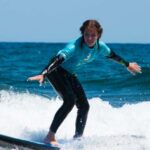
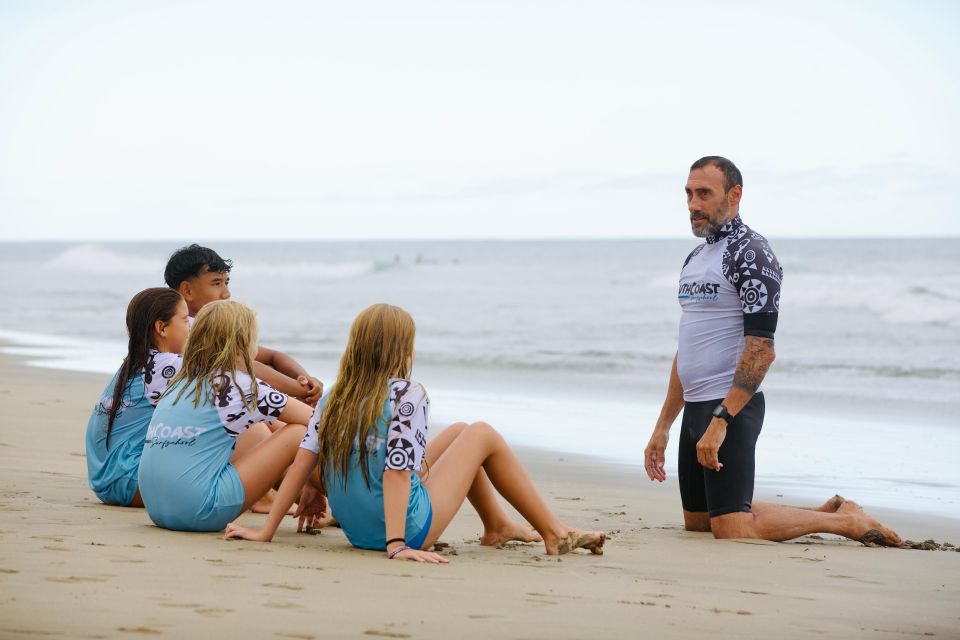
This is a 2.5-hour lesson that follows a clear pattern: a short theoretical class on the beach, then application in the sea. If you’re a first-timer, that timing is gold. You get the basics, you ask questions, and then you try them while things are still fresh.
Here’s what the rhythm usually looks like:
- Meet and gear up at the SouthCoast surfschool flags near the meet beach bar, close to the red cross office.
- Beach instruction: you learn core surfing technique principles and how to handle the board with better control.
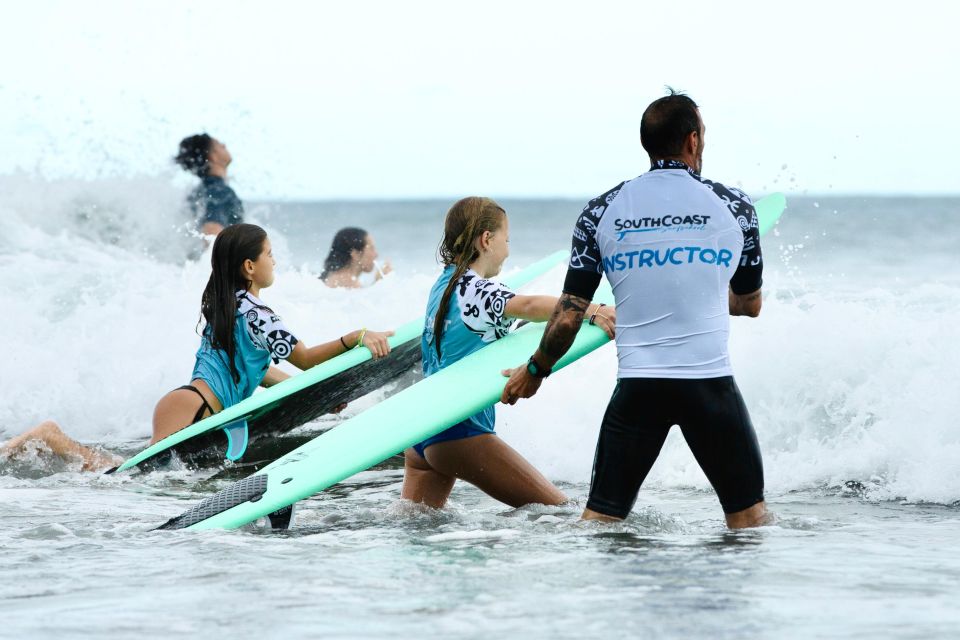
- Sea practice: you apply what you learned in the ocean for about 2 hours of practice time (for the beginner-style structure described).
What makes this plan work is pacing. Surfing demands coordination. If you jump straight into the water without the on-land coaching, you can burn through your confidence before you even have a chance. With this class, you start with the “why” and “how,” then you repeat the motions enough to feel a difference.
You’ll also notice the instruction is built around your goal, not just participation. Beginners are guided through basics. More experienced surfers can still get help with technique and improvement. The school’s pitch is all levels, and the lesson style reflects that: fewer lectures, more feedback.
Daniel’s Coaching Style: How You Learn Faster Without Feeling Pressure
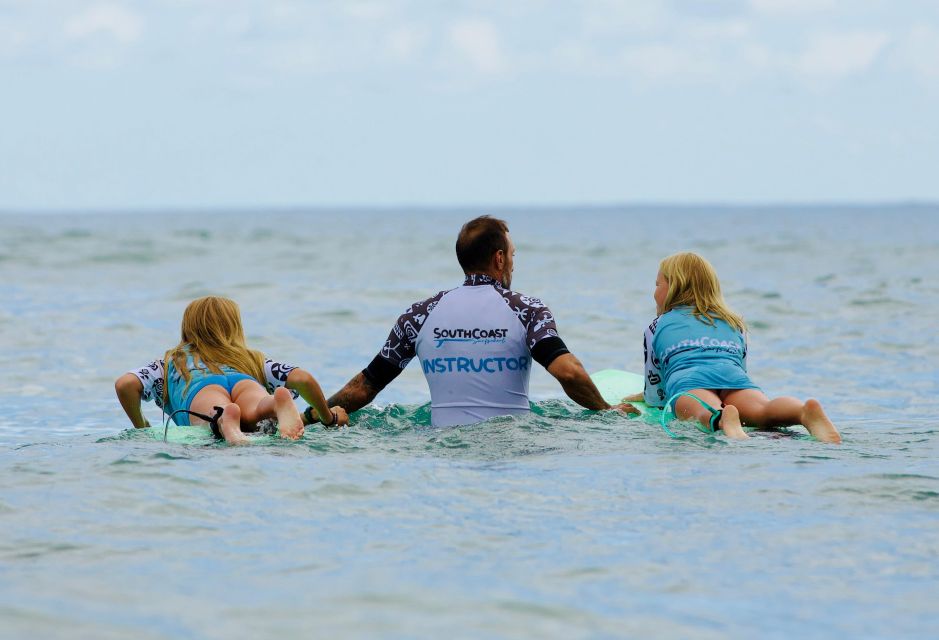
A huge theme in the experience is the quality of the teaching. Names you’ll hear from the instructor team include Daniel, and that stands out for how he teaches: clear explanations, calm energy, and a strong focus on technique that you can actually feel.
What I love about this approach is that it doesn’t treat surfing like a talent contest. People can be uncomfortable in the water—especially when balancing on a moving board while waves do their own thing. The coaching tone helps you relax. In practice, that means you get corrections that are simple enough to follow, plus patience when you’re still finding your feet.
Daniel’s pop-up coaching is a big deal. The pop-up is the moment that decides whether you’re standing or falling. In the lesson, you’re given individual advice on how to set up your body position before you try the movement. Then you practice right away, so the feedback isn’t abstract. It turns into muscle memory, not just a good story.
You’ll likely feel safe, too. The instruction focuses on not pushing you past your comfort level, and that makes a real difference. When you feel in control, you try harder. When you feel safe, you learn quicker.
And yes, it’s still fun. The best line from the experience is basically this: the best surfer is the one having the most fun. That’s not just marketing. A good coach makes you feel like you can improve and enjoy it at the same time.
Gear, Comfort, and Safety: What You Get (and Why It’s Included)
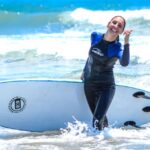
You don’t need to bring a surfboard or hunt down a wetsuit rental. The lesson includes:
- Surfboard
- Wetsuit
- Mineral water and fruit
- Accident and liability insurance
That bundle is part of the value. Surf lessons often look “cheap” until you realize you still need to buy gear or pay for extra rentals. Here, you get the basics covered, and that keeps the lesson price honest.
The wetsuit also matters beyond warmth. It gives you a more comfortable float and helps you focus on technique. When your body feels better, your mind stays on the right tasks: positioning, timing, and balance.
Insurance is another practical detail that many activities skip or hide. Here, you’re covered with accident and liability insurance for the activity, which helps you feel less stressed and more present.
One comfort note: the class meets near a beach bar and is set up for direct beach-to-ocean movement. That usually means you’ll be changing and gearing up quickly, then spending the rest of the time learning. If you like efficiency on vacation, you’ll appreciate that.
Price Breakdown: Why $59 Feels Fair for a 2.5-Hour Class
At $59 per person for a 2.5-hour surf lesson, the real question is what you’re paying for. You’re not just paying for board time. You’re paying for instruction plus included gear and safety coverage.
Consider what’s included:
- Board and wetsuit
- Water and fruit
- Accident and liability insurance
- Instruction in English, German, or Spanish
- A structured session with beach theory and extended sea practice
If you’ve ever priced equipment rentals plus a short class, it can add up fast. Even if you’ve never rented a wetsuit before, you can usually guess how the cost piles on once you’re in the moment.
The one cost you should plan for is transportation. The lesson doesn’t include hotel pickup or transport, so you’ll need to get yourself to the meeting point. If you’re already in Maspalomas (or can reach the area easily), that keeps the $59 value strong.
Also, think about the time investment. Two and a half hours is long enough to get real practice and short enough to fit neatly into a day. It’s a good “try it” window, and it’s also enough time to leave with a clearer sense of what to work on next time.





Who This Surf Lesson Fits Best (Beginner to Advanced)
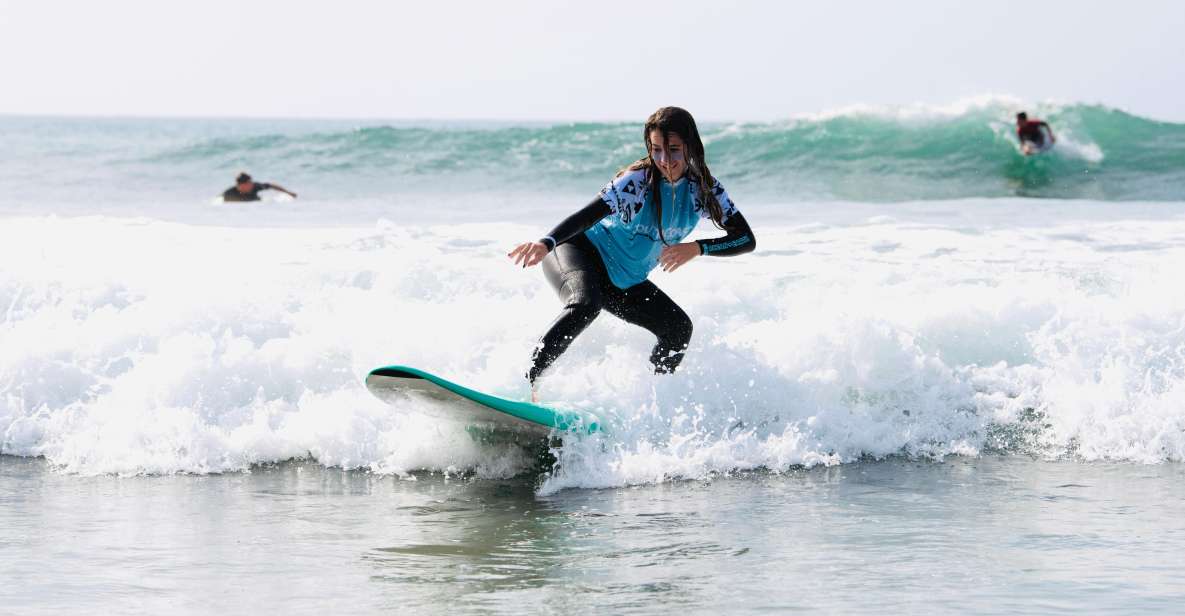
This class is built for all levels, and the teaching plan matches that. For beginners, the biggest win is structure: beach basics first, then a dedicated practice session in the water. For advanced surfers, you’re still likely to benefit from technique coaching and comfort-focused progress, especially if you want refinement rather than a free-for-all.
It also works well for families. The coaching vibe in the session is patient and group-friendly, and the instruction style supports different comfort levels at the same time. You’re not being singled out, but you’re still getting attention and guidance that helps you progress.
If you’re nervous, this matters. A common beginner problem is trying too hard to look competent instead of actually learning the steps. The coach’s calm, friendly approach helps you get out of your head. You start making small improvements quickly, and those small wins build confidence.
If you’re experienced and looking to level up, you’ll want to treat the lesson like a feedback session. Watch for technique cues on the pop-up and balance, and ask questions when the instructor offers individual corrections. Surfing improvement often comes from tiny changes, not huge overhauls.
Tips to Make Your Session Go Smoothly
If you want to get the most out of this class, here’s what I’d do before you go:
- Arrive a bit early so you can get geared up without stress. The meeting spot is specific: SouthCoast surfschool flags by the meet beach bar near the red cross office.
- Treat the beach coaching seriously. The whole lesson is built around those basics, so don’t rush through them.
- Focus on your pop-up setup. If you’re a beginner, that’s the technique point the instructors emphasize for faster improvement.
- Ask for one clear correction at a time. If you try to remember everything, you’ll get overwhelmed once the waves start moving.
- Stay within your comfort zone. The instruction style is designed around respectful progress, so use that safety net to push a little harder each attempt.
And bring a vacation mindset. This is a sport class, yes, but it’s also a good mood day. You’ll learn best when you’re relaxed enough to try, fall, reset, and try again.
Should You Book South Coast Surf School in Maspalomas?
Yes, if you want a well-taught surf lesson that’s built for real learning in a short time. The value is strong because the price includes the board, wetsuit, water, fruit, and insurance—plus you get structured coaching that helps you stand up instead of just trying to survive the first wave.
Book it especially if you’re:
- a true beginner and want calm guidance, not chaos
- someone who wants individual feedback on technique like the pop-up
- a group or family where you want a friendly, patient teaching style
- visiting Maspalomas and want a practical activity you can fit into a day
The main reason to hesitate is logistics: there’s no hotel pickup, so you need to handle getting to the meeting point yourself. If that’s easy for you, the lesson looks like a smart, confidence-building use of your time.
FAQ
What’s the duration of the surf lesson?
The lesson runs for 2.5 hours.
Is the surf lesson offered for beginners and advanced surfers?
Yes. The classes are described as all levels, with instruction tailored so beginners learn basics and more experienced surfers can improve their skills.
What’s included in the price?
The included items are the surfboard, wetsuit, mineral water and fruit, and accident and liability insurance.
Where do I meet the surf school?
Meet at the SouthCoast surfschool flags, near the meet beach bar, directly close to the red cross office.
Do they provide instruction in multiple languages?
Yes. Instruction is available in English, German, and Spanish.
What’s the price?
The price is $59 per person.