REVIEW · GRAN CANARIA
From Puerto Rico de Gran Canaria: Dolphin Watching Cruise
Book on GetYourGuide →Operated by Spirit of the Sea · Bookable on GetYourGuide
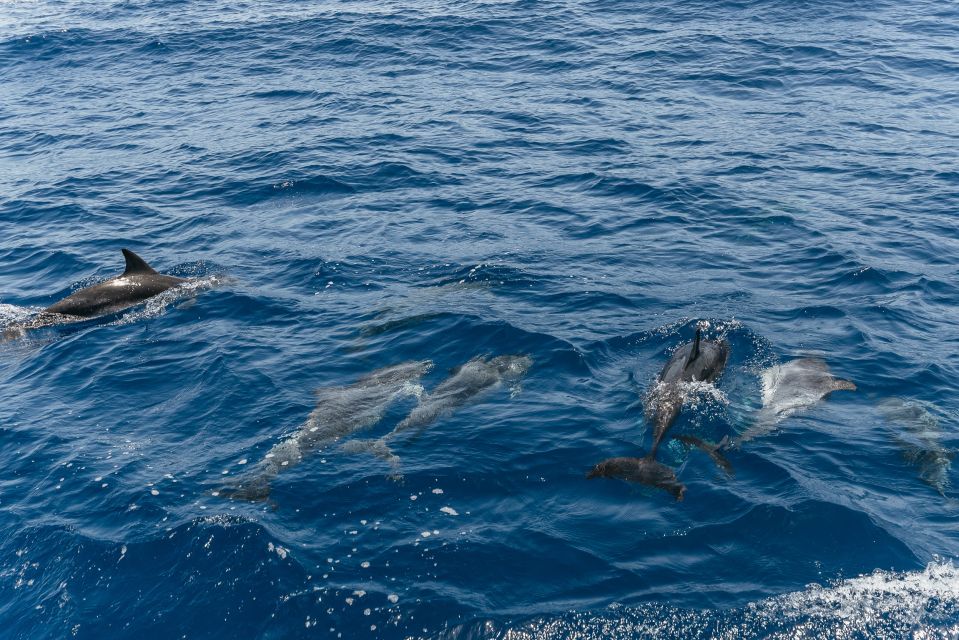
Dolphins come with drama. On the Spirit of the Sea catamaran out of Puerto Rico de Gran Canaria, you get guided cetacean spotting in clear Atlantic waters, plus a rare glass-bottom view when you want it. The one real catch: the Atlantic can feel choppy, and if you get seasick easily you’ll want a plan before you board.
What I like most is how the crew helps you make sense of what you’re seeing, including likely dolphin encounters and occasional whales or other cetaceans. And if sightings don’t happen, the operator includes a sighting guarantee return voucher so you’re not just out of luck.
In This Review
- Key things to know before you go
- From your hotel zone to the port: the transfer rhythm that matters
- Spirit of the Sea: what this catamaran does well
- The 2.5-hour cruise: how the cetacean search usually plays out
- Dolphins, whales, and porpoises: what your guides help you spot
- Respect at sea: permits, distance, and not turning wildlife into a spectacle
- The glass-bottom moment: great when it works, tricky when it doesn’t
- Seasickness reality check: the Atlantic can be rough
- A quick itinerary walk-through: where time goes
- Price and value at about $47: what you’re really paying for
- Who this cruise is for (and who should be cautious)
- Final verdict: should you book Spirit of the Sea?
- FAQ
- FAQ
- How long is the dolphin watching cruise?
- Where does the tour depart from?
- Is pickup included?
- What if the crew can’t spot dolphins or other cetaceans?
- What language are guides and staff available in?
- Is the glass-bottom included?
- What’s included in the price?
- Is there food or drinks on board?
- What should I do if I get seasick?
- What’s the cancellation policy?
Key things to know before you go
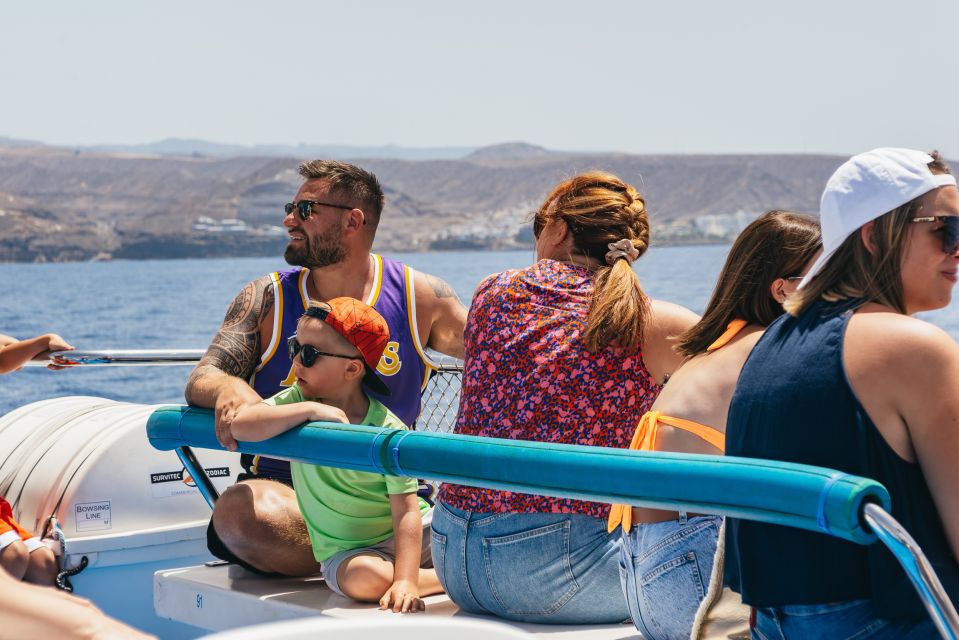
- Guides that help you identify species as you scan for fins and blows on the horizon
- Spirit of the Sea’s glass-bottom setup for an underwater angle from the boat
- A real sighting guarantee: if no cetaceans are spotted, you get a voucher to go again
- Daily departures focused on the southwest coast where marine life is most likely
- Round-trip transfer from the south saves time versus figuring out the port on your own
From your hotel zone to the port: the transfer rhythm that matters
This trip is built around the southern side of Gran Canaria. You start from Puerto Rico de Gran Canaria, and most departures include a return transfer from locations like Mogán, Taurito, Playa del Inglés, Maspalomas, San Agustín, and Bahia Feliz (pickup varies by option). The drive is about 50 minutes each way, so the full day block is closer to half a day than two hours.
Why that matters: dolphin cruises live or die on timing. When the boat leaves on schedule, you spend more time actually searching, not commuting. Multiple ride experiences describe air-conditioned coaches and smooth pick-up timing, so you’ll usually get to the port without stress.
One practical note: if you’re staying in Las Palmas city, pickup isn’t included as part of the standard setup. You’ll likely need to make your own way to the southern pickup area or port meeting point.
You can also read our reviews of more boat tours in Gran Canaria
Spirit of the Sea: what this catamaran does well
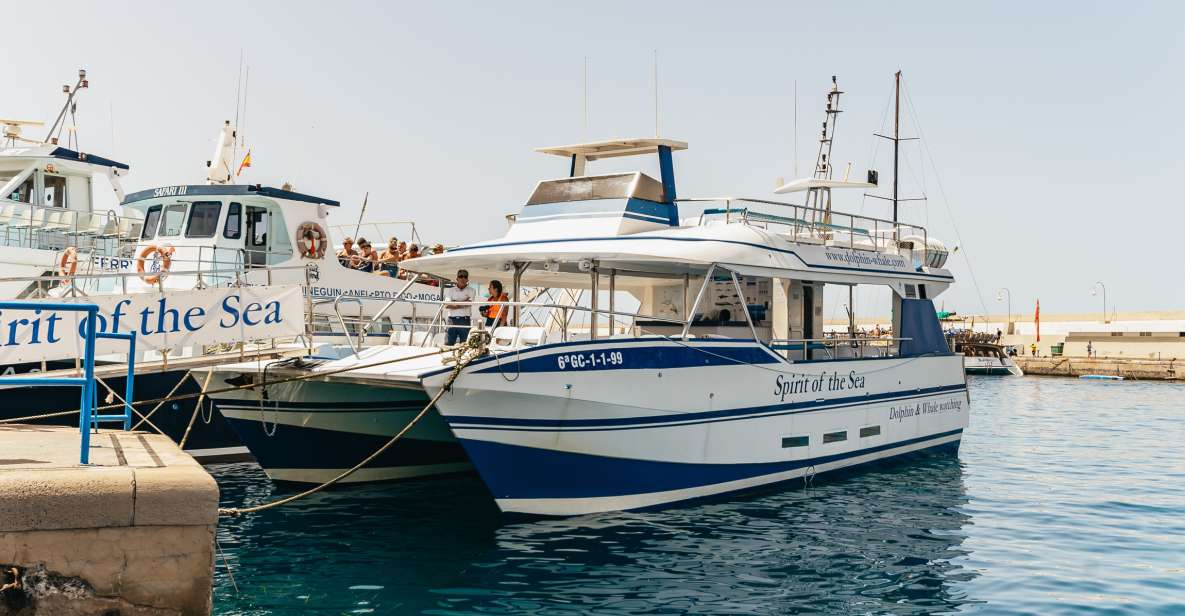
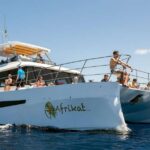
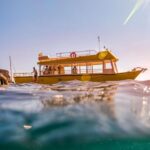
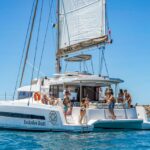
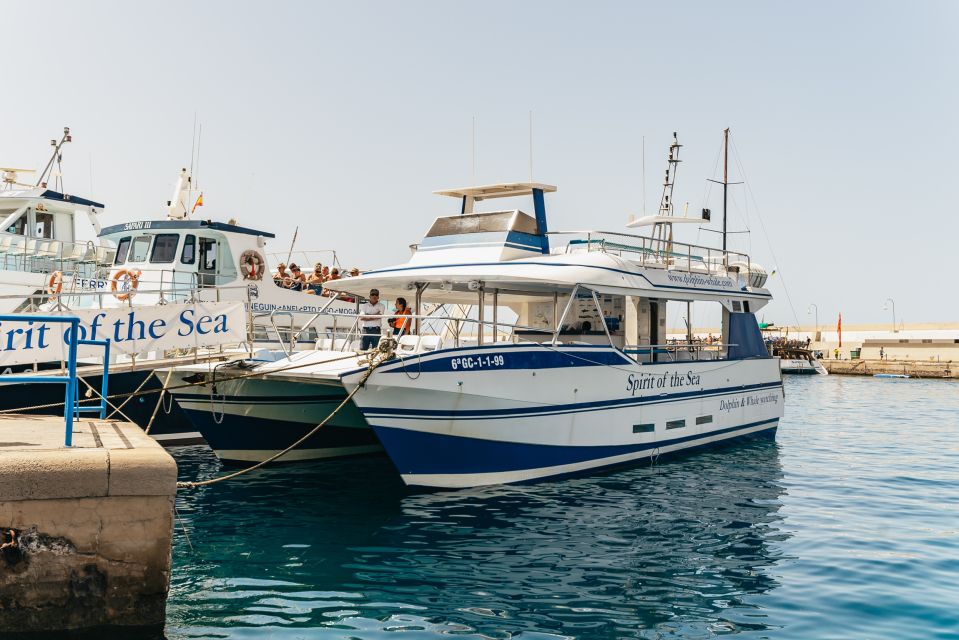
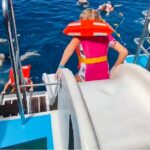
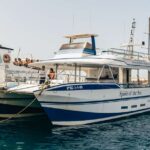
The vessel is the Spirit of the Sea, a catamaran designed for seeing wildlife without doing anything sketchy. It holds up to 97 guests, and it has a large glass-bottom that gives you a chance to look underneath while still on board.
From a comfort standpoint, this setup tends to work because you’re not constantly turning your whole body to see over the rail. You can scan from your seat, then move for the glass-bottom window when conditions line up. A key detail: one person who uses a mobility aid reported that reaching the glass-bottom viewing area required going down steep, narrow steps. The boat is described as accessible overall (including restrooms and bar area), but if glass-bottom viewing is a must for you, plan for possible stairs.
Also, the boat can be a bit “real ocean” out there. Even at anchor or when you’re waiting for a whale, it may move. That’s normal Atlantic behavior, not a sign of a problem.
The 2.5-hour cruise: how the cetacean search usually plays out
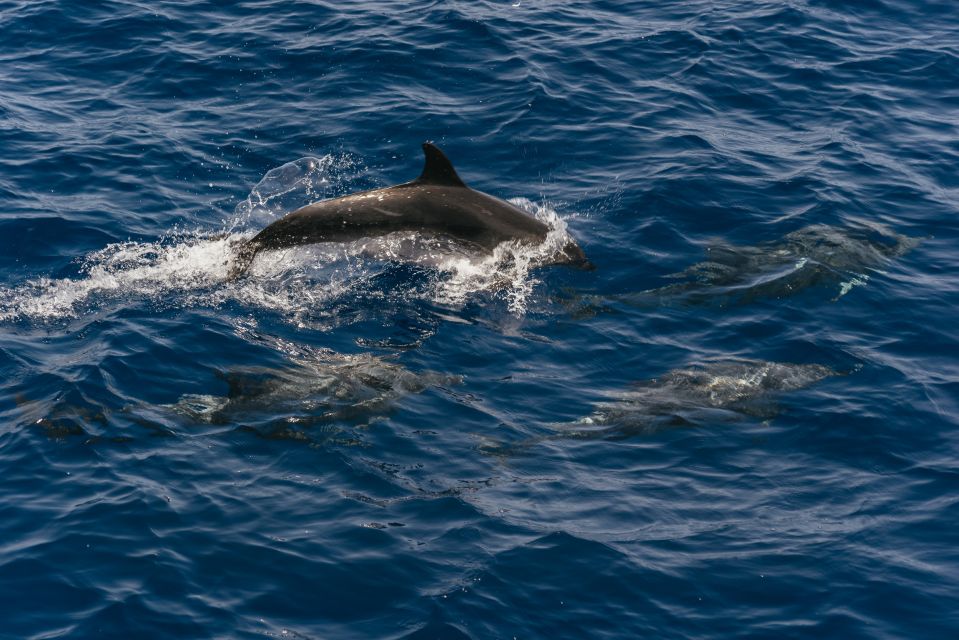
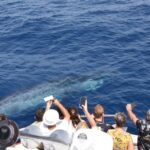
The heart of the experience is a 2.5-hour excursion along Gran Canaria’s southwest coast. The operator searches for dolphins and other cetaceans in their natural habitat, and the region is known for a high variety of marine species. The itinerary is simple: go out, scan, listen, learn what you’re looking at, and then return.
In practice, your time on the water is a mix of cruising and waiting, because wildlife doesn’t show up on a human timetable. Some trips hit a dolphin patch quickly, while others take longer searches. Either way, the crew uses that time to keep you focused: where to look, what body shapes to watch for, and what behaviors can hint at which species you’re seeing.
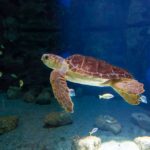
You can also see occasional extras. A handful of accounts mention other sea life like turtles, and even flying fish. Those are not the main promise, but they’re part of the fun when the ocean has a good day.
Dolphins, whales, and porpoises: what your guides help you spot
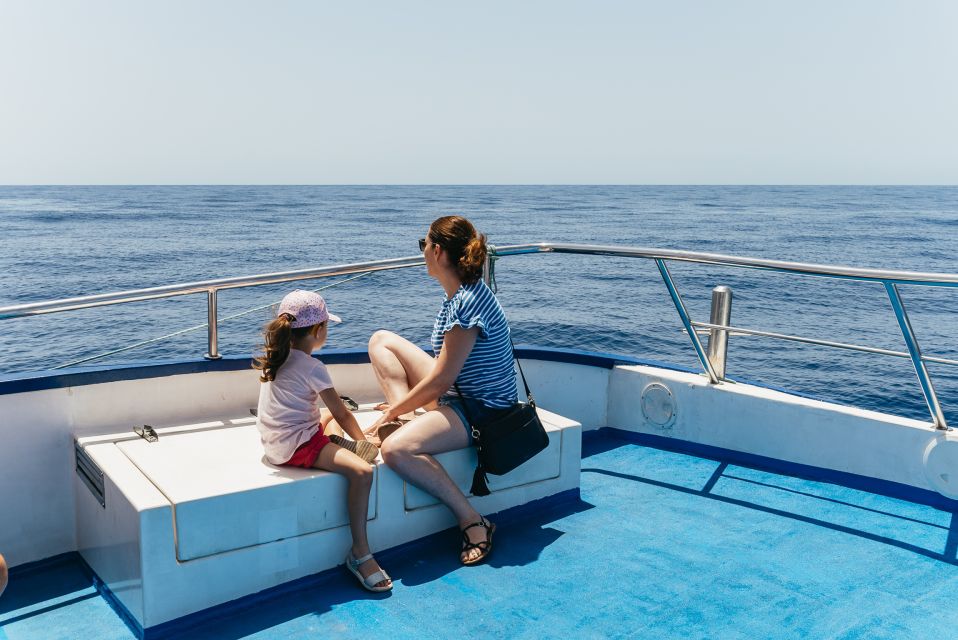
This is not just a boat ride where you hold up your phone and hope. The experience is guided, and the crew is there to help you identify what you’re seeing as you watch.
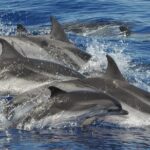
They can guide you through recognition of the different cetaceans that may appear in the area, and the overall program is built around the fact that the Canaries are home to many species of dolphins, whales, orcas, and porpoises. In real-world accounts, dolphins are the big expectation, with some trips also featuring whales.
Why I think that matters for your day: when you learn even a little, you stop feeling like you’re watching from the outside. You notice details faster—how animals surface, the size and shape of blows, the way pods travel, and how close they may come (when it’s safe and ethical).
A nice plus from some accounts: the crew may communicate with other boats when animals are sighted. That’s not about “chasing.” It’s about locating where the animals are, then getting you in the right viewing zone while still respecting rules.
Respect at sea: permits, distance, and not turning wildlife into a spectacle
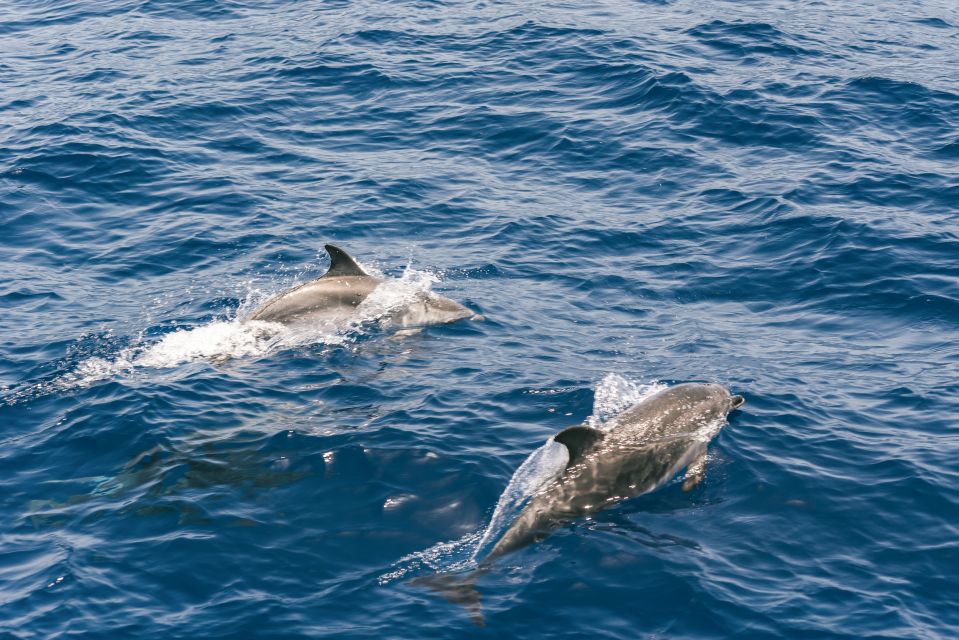
Ethical wildlife viewing is a core selling point here, and it isn’t just marketing language. The operator states it holds the necessary permits from the Canary Islands Government and aims to put animal well-being first. In clear terms: sightings should happen in a way that doesn’t stress the animals, and the crew works to observe without turning a natural moment into a forced encounter.
You’ll notice this approach in the way boats position during sightings and how long they typically stay near animals. Some accounts specifically describe dolphins not being chased and the crew not lingering too long, which is exactly what you want from a responsible operation.
In other words, the goal is not to “manufacture” a photo. The goal is to watch animals behave naturally—and to leave the ocean the way you found it.
You can also read our reviews of more dolphin watching tours in Gran Canaria
The glass-bottom moment: great when it works, tricky when it doesn’t
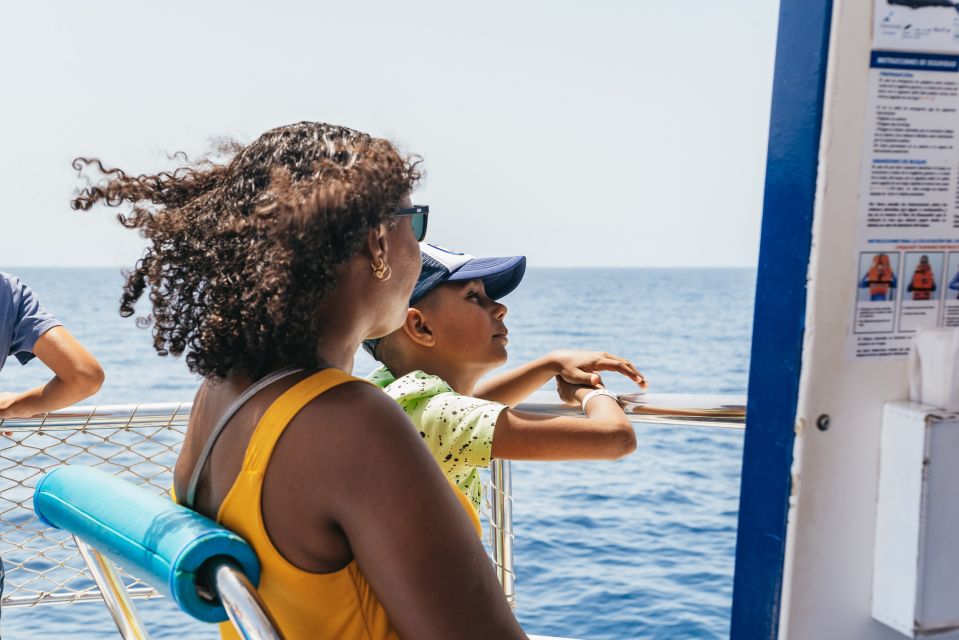
A glass-bottom viewing deck sounds simple until you’re actually on the stairs and the sea is moving. The upside is obvious: it’s a different angle. When you can see through the glass, you’re not just scanning for fins—you’re watching the underwater world at the same time.
The practical downside is accessibility and crowd behavior. One account from a disabled traveler said the glass-bottom viewing area required going below deck via steep, narrow steps, which can be a deal-breaker. The boat is described as accessible overall, but glass-bottom access may still be the part that creates challenges.
Another detail: one account mentioned people moving and blocking views when dolphins appeared. That’s a reminder to bring your patience and a good sense of timing. If you want a clear glass-bottom look, try to get into viewing position early rather than sprinting when you hear a shout.
Seasickness reality check: the Atlantic can be rough
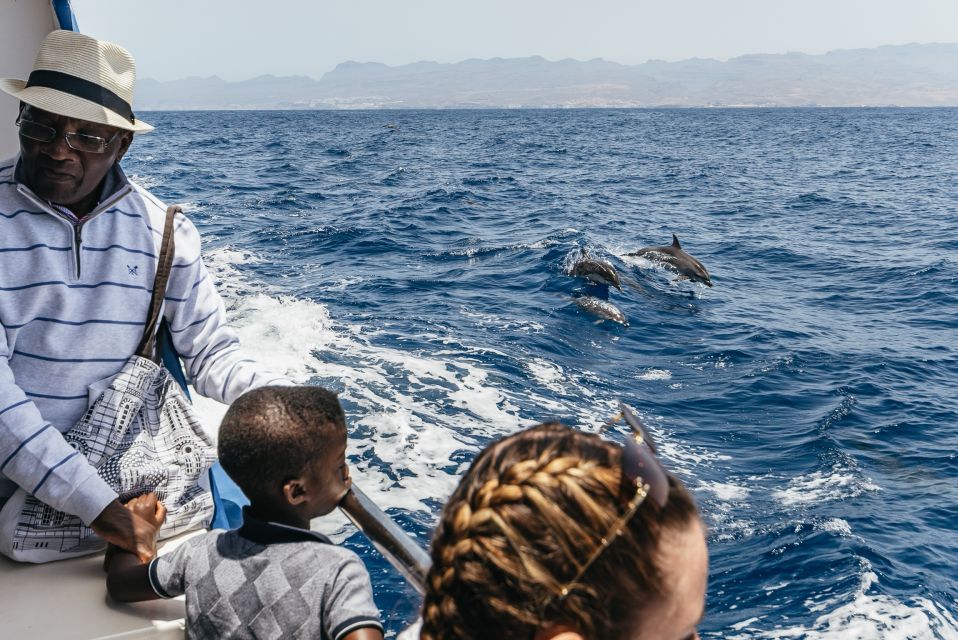
If you’re prone to motion sickness, take this section seriously. The operator explicitly warns that the boat may experience movement even while stationary for whale watching. One account described rough conditions and cold air, with blankets and sick bags available.
They also give straightforward prevention tips:
- take seasickness pills in advance (follow the label directions)
- focus on a fixed point instead of reading or using your phone
- drink water
- avoid fatty foods before you sail
It’s also worth planning your layers. Some accounts mention feeling cold even with extra clothing. That’s not surprising on open water where wind cuts through.
Bottom line: if seasickness ruins day trips for you, this is still possible, but you should prep hard and expect the ocean to be unpredictable.
A quick itinerary walk-through: where time goes
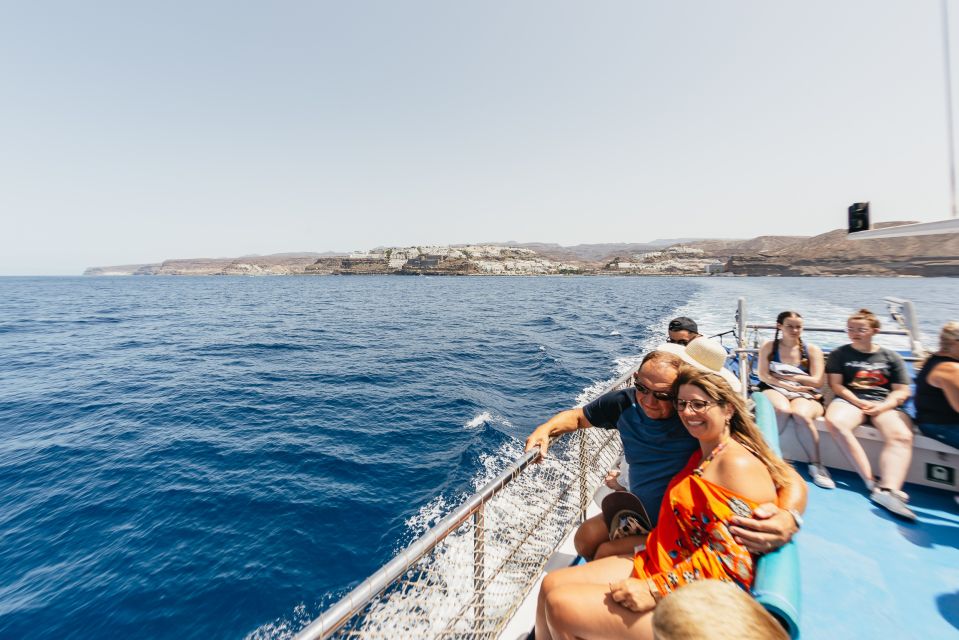
Here’s how your day generally flows once you’re in the program rhythm.
First you get to your pickup point. If you selected transfer from the south, you board the air-conditioned coach and ride for about 50 minutes to the port area. Then you get the cruise itself: 2.5 hours on the water searching along the southwest coast.
After the cruise, you return to shore, then do another 50-minute coach ride back to the southern drop-off zones. Some listings show up to seven drop-off locations across places like Bahia Feliz, Maspalomas, Meloneras, Playa del Inglés, San Agustín, and Mogán.
The upside of this timing: it’s long enough to have real searching time, but not so long that you burn the whole day in transit.
Price and value at about $47: what you’re really paying for
At $47 per person, this cruise is priced in the “good-value” zone for a guided wildlife outing, especially because several parts of the experience are included:
- a 2.5-hour catamaran excursion
- a professional crew focused on cetacean history and ecology
- round-trip transfers from the southern area
- a sighting guarantee: if no cetaceans are spotted, you get a complimentary return voucher valid for one year
That return voucher is a big deal. It turns the experience from high-risk into more reasonable. Dolphin watching can never be fully guaranteed in the wild, but the operator is acknowledging that reality and backing it up.
Also, the boat setup (up to 97 guests plus glass-bottom viewing) and the crew guidance add more value than you’d get from a self-guided outing. You’re not just paying to be on a boat—you’re paying to have someone help you find meaning in what you see.
Who this cruise is for (and who should be cautious)
You’ll likely love this if:
- you want a short, focused wildlife trip rather than an all-day marathon
- you’d rather learn what you’re seeing than only hope for a quick sighting
- you’re staying in the southern parts of Gran Canaria and want easy transport
You should think twice if:
- you get seasick fast and can’t handle choppy open water (prep helps, but movement is part of the trip)
- glass-bottom viewing is essential and you may have difficulty with stairs and movement around the viewing areas
Families can also be a strong fit. Multiple accounts describe children enjoying the experience, and the crew is described as friendly and attentive when people feel unwell.
Final verdict: should you book Spirit of the Sea?
Yes, if you want a practical, guided dolphin-focused cruise with a real ethical stance and a safety net if sightings don’t happen. The biggest reasons to book are the species-spotting guidance and the return voucher guarantee, plus the fact that the departure is organized from convenient southern areas with transfers.
If you’re very sensitive to motion, don’t rely on “it will probably be fine.” Plan for seasickness, dress for wind and chill, and keep expectations grounded: you’re going for a high-quality chance to see cetaceans in their habitat, not a factory-style viewing experience.
FAQ
FAQ
How long is the dolphin watching cruise?
The cruise lasts about 2.5 hours.
Where does the tour depart from?
It departs from Puerto Base in Puerto Rico de Gran Canaria, where you look for the Spirit of the Sea boat and dock.
Is pickup included?
Pickup is optional from several southern areas such as Mogán, Taurito, Playa del Inglés, Maspalomas, San Agustín, and Bahia Feliz. Pickup from Las Palmas city is not included.
What if the crew can’t spot dolphins or other cetaceans?
If the operator is unable to spot any cetaceans during the excursion, you receive a complimentary voucher to enjoy the experience again. The voucher is valid for one year.
What language are guides and staff available in?
The host or greeter is available in English, Spanish, German, and French.
Is the glass-bottom included?
The Spirit of the Sea has a glass-bottom area, and you can use it during the cruise for an underwater viewing perspective.
What’s included in the price?
Included are the 2.5-hour catamaran excursion, a professional crew, and return transfer service from the island’s southern area, plus the sighting guarantee voucher.
Is there food or drinks on board?
There is a bar area with soft drinks, beer, water, and snacks, but these are not included in the price.
What should I do if I get seasick?
The tour recommends taking seasickness pills in advance, focusing on a fixed point instead of using your phone, drinking plenty of water, and avoiding fatty foods.
What’s the cancellation policy?
Free cancellation is available up to 24 hours in advance for a full refund.