REVIEW · GRAN CANARIA
Gran Canaria: Rum, Wines and Banana Tour
Book on GetYourGuide →Operated by LOW COST Tours Gran Canaria · Bookable on GetYourGuide
Bananas, rum, wine, then mojo sauce. I like the Arehucas rum tasting (think multiple pours, including older bottles) and the mojo canario workshop that turns a classic sauce into something you actually make yourself. One possible drawback: the day can stretch long on the bus, and a few long pickup chains mean you may want to plan for restroom breaks.
This tour is built for food lovers who want more than a drive-by. You’ll move between plantations, a rum distillery, and the Agaete area for coffee and wine, with enough instruction to connect each flavor to local life. If you hate long seating time or loose timing for walking, go in with expectations.
In This Review
- Key highlights to look for
- A Taste-First Route Through Northern Gran Canaria
- Arehucas Rum Distillery in Arucas: What You Actually Learn and Taste
- Banana Museum and Banana Farm: The Island Crop With Real Meaning
- Agaete for Coffee, Wine, and Volcanic-Soil Views
- Mojo Canario Workshop: The Sauce Class That Actually Sticks
- Group Size, Pickup Patterns, and Bus Time: The Real Day-Planning Stuff
- What You Get for $81: Value Math for Rum, Wine, Coffee, Bananas, and a Class
- Who Should Book This Tour (and Who Might Prefer Something Else)
- Should You Book This Rum, Wine and Banana Tour?
- FAQ
- How long is the Gran Canaria Rum, Wines and Banana tour?
- What is included in the tour price?
- Is lunch included?
- Where does pickup happen?
- What languages is the tour offered in?
- Is free cancellation available?
- Can I change my pickup point after booking?
- Is the tour suitable for everyone?
Key highlights to look for
- Arehucas in Arucas: a proper distillery stop with a guided walkthrough and generous tasting
- Banana Museum + farm time: see why bananas are basically a Canarian identity crop
- Agaete area flavors: coffee tasting plus a wine tasting in the hills
- Mojo canario class: learn the sauce steps, then eat it with local-style potatoes
- A day of stops, not just photos: even the drive narration adds context to what you’re eating
A Taste-First Route Through Northern Gran Canaria
Gran Canaria often gets sold as beach time, but the north is where the island’s daily rhythm shows up. This tour leans hard into that: sugar cane into rum, bananas into island products, grapes and coffee into everyday pleasures, and mojo into a sauce you’ll recognize on sight.
You get a structured day with guided stops and repeated tastings, so you’re not just traveling—you’re learning through taste. That matters because the Canaries are a place where food is local history in edible form. If you like the idea of connecting where something comes from to what it tastes like, this itinerary fits.
The other big reason this works is that it’s not one single heavy activity. You’re alternating between production (rum), agriculture (bananas), and hospitality (coffee/wine + the sauce workshop). That rhythm keeps it from feeling like a one-note tour.
You can also read our reviews of more wine tours in Gran Canaria


Arehucas Rum Distillery in Arucas: What You Actually Learn and Taste
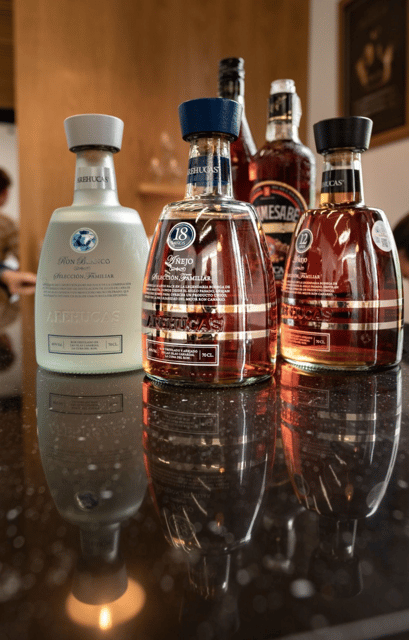
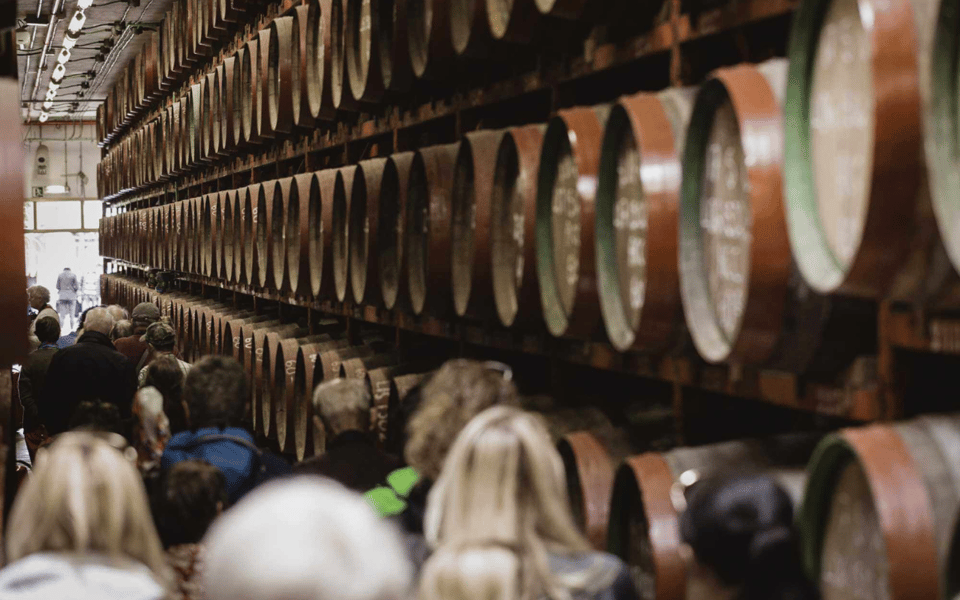
The morning start is all about rum at Arehucas in Arucas. You’ll tour the production line and hear how sugar cane becomes rum, including maturation and refining. The key detail here is that it’s not just a walk past barrels—you’re given a real story of the process, then invited to taste.
Tasting is the main event. On this tour you’ll sample multiple varieties straight from the source, and at times people mention a wide lineup (including older expressions). If you’re a serious rum fan, ask what’s available during your visit and lean into the guide’s pacing—this isn’t a rushed “sip and go” setup, though the day overall is timed tightly.
A very practical tip: rum pours can be strong when served neat. One helpful suggestion from past guests is bringing a mixer like coke or sprite for the tastings. It doesn’t change the value of the experience—it just makes it easier to enjoy more than one glass without your head spinning.
Language note that matters for planning: the distillery tour in Arehucas is guided in English and German. Your overall guide may handle multiple languages during the day, but if you’re Spanish-only, this is worth keeping in mind so you don’t get stuck hoping everything will translate on the spot.
Also, there’s one exception to remember: during festivities, the itinerary may skip the rum factory visit. So if you’re traveling around local holidays, confirm what’s scheduled.
Banana Museum and Banana Farm: The Island Crop With Real Meaning
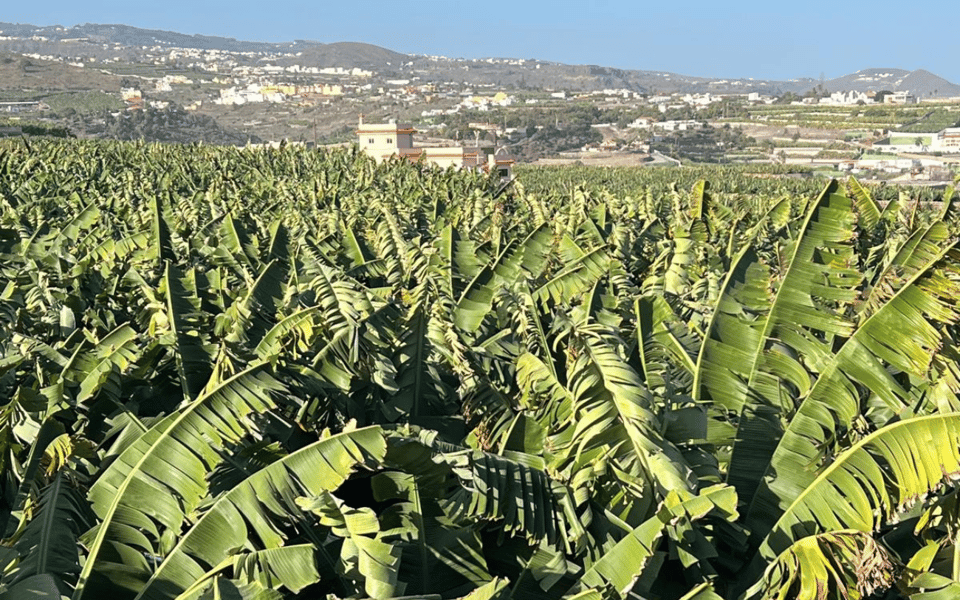
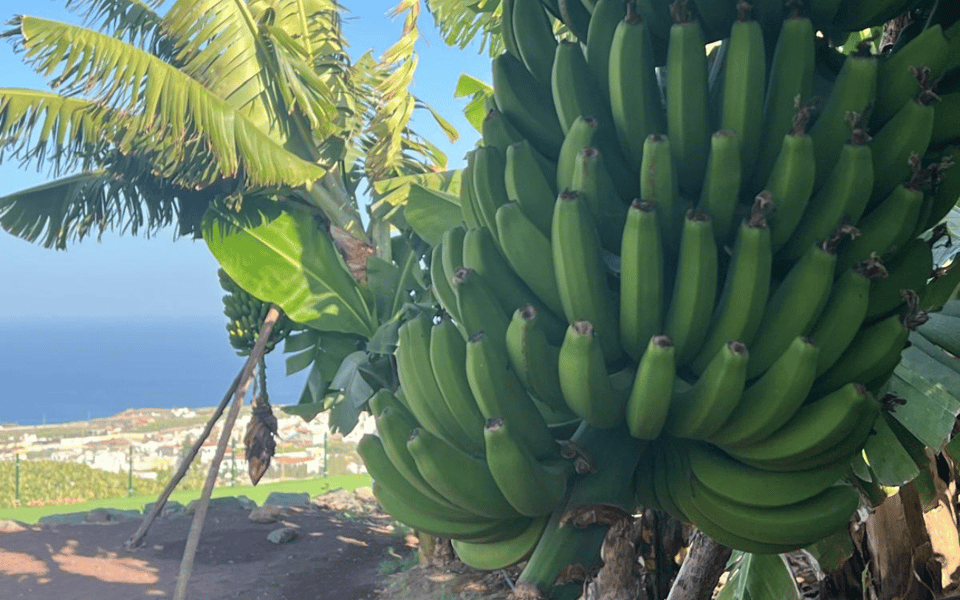
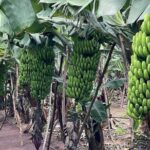
Then it’s bananas—because on Gran Canaria, they’re not just fruit. They’re a piece of identity. This stop usually includes the Banana Museum plus time at a banana-focused farm setting, with a guided explanation of the fruit’s history, differences, and social importance on the islands.
You’ll hear how bananas entered the Canary Islands and how they became part of everyday life on Gran Canaria. It’s also where you can learn the practical side: the fruit’s growth story and why bananas are still tied to local culture and economy.
What I like about this part of the tour is that it doesn’t treat bananas like a theme park prop. The museum angle helps you understand the “why,” and the tasting/product side helps you understand the “how it shows up in real life.” Many tours like this offer one quick sample; here you’re more likely to encounter banana-based products too.
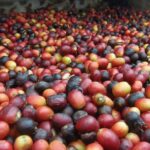
Expect the option to buy items made from bananas and related products, including things like wines, alcohols, pâtés, and creams. You don’t have to purchase, but it’s a good place to pick up something small that actually connects to what you learned.
One practical consideration: the banana stop is more “guided learning” than “free wandering.” If you want lots of time roaming among plants, you might find the guided portion takes priority over extra exploration. Comfortable shoes help, since even a relaxed farm visit can involve uneven ground and some walking.
Agaete for Coffee, Wine, and Volcanic-Soil Views
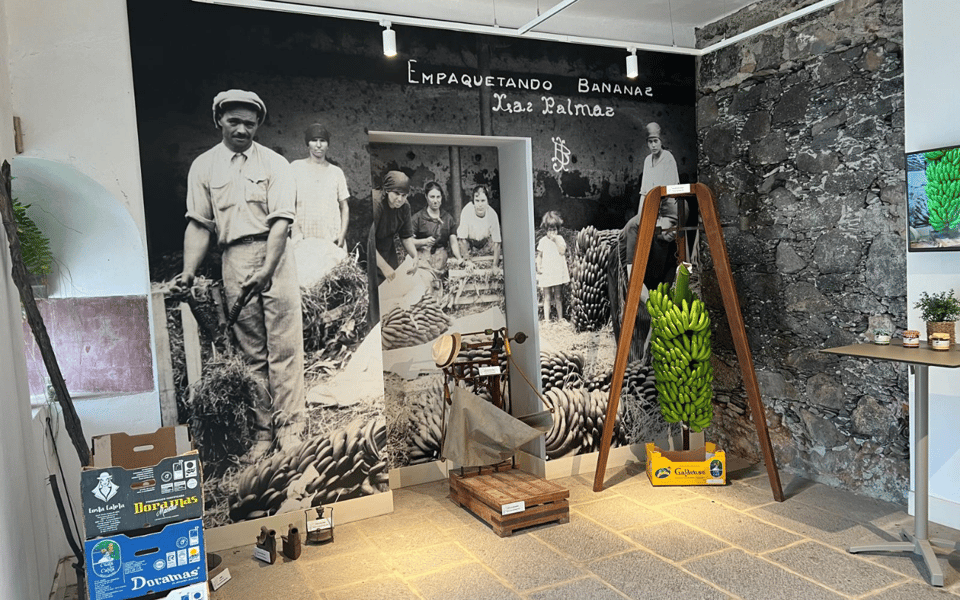
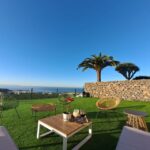
After rum and bananas, the tour heads to the Agaete area. This is where the scenery shifts and the pace starts feeling more like a day out than a factory schedule.
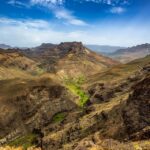
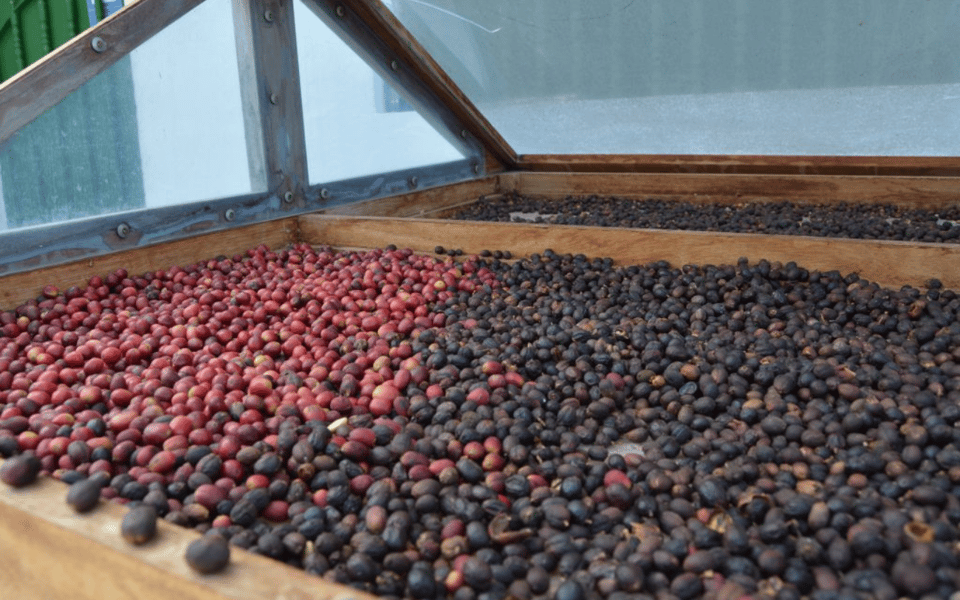
The order in many run-throughs is coffee first, then wine at a finca (a working agricultural property). You’ll get coffee tasting and learn about growing and production in volcanic lands. People sometimes describe the coffee stop as more of a straightforward cup tasting than a long, multi-step tasting flight, so don’t expect a full barista seminar.
Wine is usually a small tasting set—often three pours. You’ll also get guided talk about how the vineyard setting affects flavor and what local varieties are like in practice. Again, the value here isn’t a heavy “wine school” format. It’s the combination of wine plus a sense of where it comes from, plus the chance to compare tastes while the guide connects them to the place.
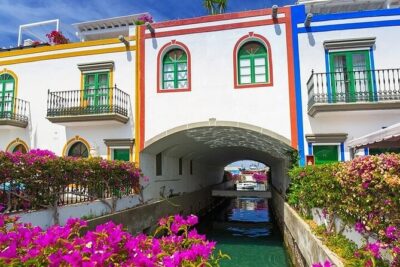
Agaete itself is also a reason to look forward to the day. There’s usually time to enjoy the area around the waterfront. Some guests pick extra exploration time instead of taking the lunch option, and that can be smart if you want sea air, a slower stroll, and a chance to reset between tastings.
If you’re hoping for a big menu moment, here’s the honest heads-up: lunch is not included. When people do add it, it’s often described as an extra-cost set menu, sometimes around the €15 range. Some guests feel the lunch is limited or less interesting than the rest of the itinerary, so treat lunch as optional and decide based on your priorities.
Mojo Canario Workshop: The Sauce Class That Actually Sticks
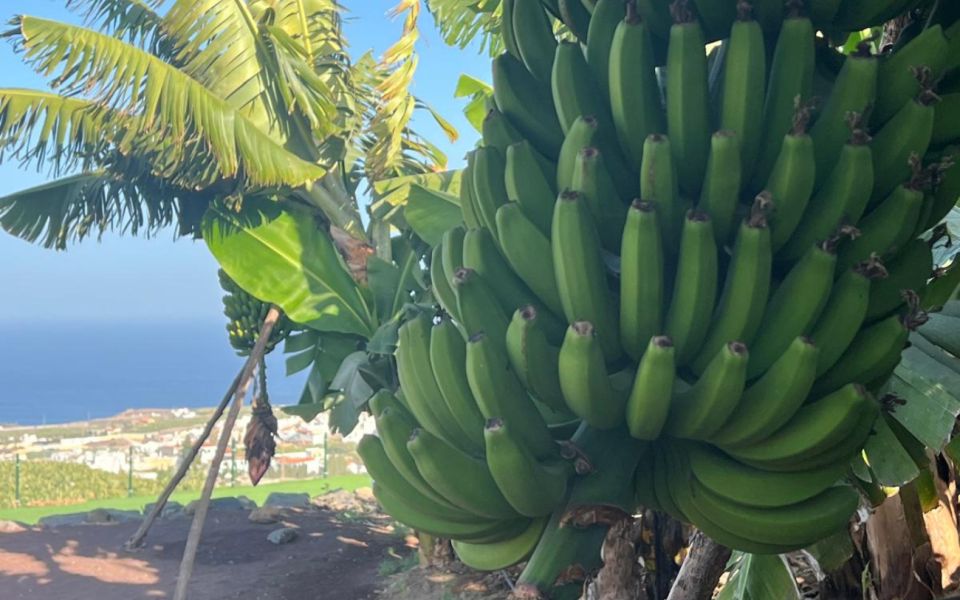
This is the part of the day people remember—because you leave with muscle memory, not just a postcard.
A mojo canario workshop teaches you to make the sauce step-by-step. Mojo canario is often served with Canarian potatoes, and you’ll get to taste what you made as part of the experience. This is a strong choice for two reasons.
First, it’s interactive. You’re working with ingredients, not just listening. That turns the history and food talk from earlier stops into something you can reproduce later.
Second, mojo is a flavor shortcut for understanding the Canaries. When you make it yourself, you stop thinking of it as a generic condiment and start recognizing what makes it Canarian. That also makes the earlier tastings feel more connected—rum and bananas are great, but mojo helps you understand the everyday table culture.
One practical note: the workshop timing can land late in the day when you’re already full of tastings. If you’re sensitive to strong flavors, take your time and pace your bites. And if you’re with a group, keep your attention on the guide’s steps—once you start mixing, it’s easy to lose track if you’re half-talking and half-watching.


Group Size, Pickup Patterns, and Bus Time: The Real Day-Planning Stuff
Here’s the part that can make or break your mood: the transportation and group flow. This tour uses an air-conditioned bus, with pickup from touristic areas. Return transfers go back to the same pickup point.
Two realities show up in guest experiences:
- Pickup can involve many hotel stops, which can extend travel time on the way out.
- Group size can be big. One account mentioned a 50+ seater coach feel.
That means you should plan the day like a scheduled ride, not like a quick hop between spots. Bring something small to nibble, carry water, and consider a light layer—buses can run cool. If you’re at the start of the day and you need restroom access, don’t assume there will be a perfect stop on your timeline.
Audio can also be a factor. If you end up in the back of a full coach, you may struggle to hear the guide clearly during the drive. If clear narration matters to you, ask the pickup staff where your seat is best for listening, or aim for the middle section when you can.
Mobility note: this isn’t marketed as suitable for people with mobility impairments or wheelchair users. There are walks at farm and distillery settings, and the format is built around shared group movement.
Also, remember the pickup location details. There is no pickup in Las Palmas city or at the harbour. You must get yourself to Parque Tropical (South Island) for pickup. If you’re staying elsewhere, build extra time into getting to the meeting point so you don’t miss the scheduled departure.
What You Get for $81: Value Math for Rum, Wine, Coffee, Bananas, and a Class
At around $81 per person for an eight-hour day, the value comes from the sheer number of “included experiences,” not from one single highlight.
You’re paying for:
- Guided rum distillery tour and tasting at Arehucas
- Wine tour plus tasting
- Coffee tour plus tasting
- Banana museum/farm guided tour plus tasting
- A mojo canario workshop
Add up those items separately and you’re usually looking at a collection of standalone tours. Here, they’re bundled into one route. That’s why the tour can feel like a good deal even when you consider the optional lunch.
The main place value can wobble is timing and tasting depth. Wine is often three small glasses; coffee can be a single cup tasting rather than a multi-course presentation; rum tasting volume can be generous but also means you may need mixers to enjoy it comfortably. If you’re the type who wants a long, slow, deeply technical tasting session, you might wish for more time at one stop and less at the bus.
But for most food travelers, the bundle approach makes sense. You’re seeing northern Gran Canaria through its main flavor engines and walking away with a sauce you made yourself.
Who Should Book This Tour (and Who Might Prefer Something Else)
This is a great fit if you:
- Want a guided, taste-focused introduction to northern Gran Canaria
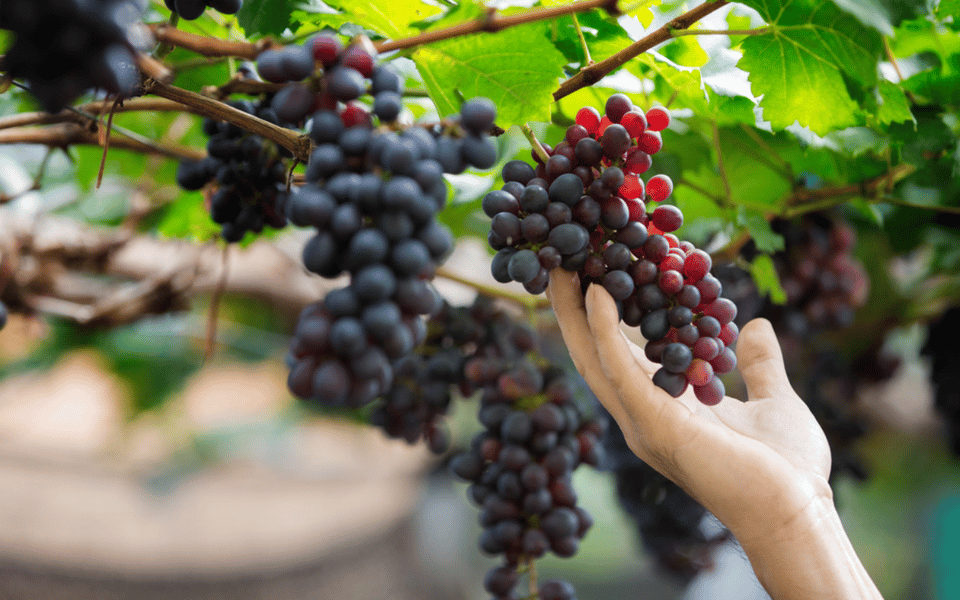
- Like food culture where agriculture matters (sugar cane, bananas, grapes, coffee)
- Enjoy interactive learning, especially making mojo canario
- Prefer staying busy with structured stops rather than planning all day on your own
It might be less ideal if you:
- Hate long coach days or don’t handle long pickup routes well
- Need lots of free time to roam independently at each stop
- Expect a quiet, small-group experience (some days run with very large coaches)
- Are counting on lunch to be included as part of the package
If you’re in the middle—curious but not obsessed—this still works. The mix of tastings and short guided segments makes it easy to enjoy even if you’re not a hardcore rum or wine person.
Should You Book This Rum, Wine and Banana Tour?
If your idea of a good day is guided tasting plus practical food lessons, I’d book this. The strongest reason is the mojo canario workshop. It turns everything else into context, so the rum and wine stop being random sips and start feeling like part of a Canarian food story.
Just go in prepared for the reality of an eight-hour schedule with transport time, and make peace with optional lunch. If you want maximum comfort and minimal waiting, choose a seat where you can hear the guide on drives and keep expectations flexible.
FAQ
How long is the Gran Canaria Rum, Wines and Banana tour?
The tour lasts 8 hours, including the return transfers. The exact timing can vary depending on pickup areas and day-of conditions.
What is included in the tour price?
It includes guided tour and tasting at the Arehucas Rum Distillery, a wine tour and tasting, a coffee tour and tasting, a traditional banana farm guided tour and tasting, transportation by air-conditioned bus, pickup from touristic areas, and liability insurance.
Is lunch included?
Lunch is not included. You can decide on the day whether to purchase it.
Where does pickup happen?
There is no pickup in Las Palmas city or at the harbour. You must go on your own to Parque Tropical (South Island) for pickup. The return drop-off is the same location.
What languages is the tour offered in?
The tour guide is available in English, Spanish, and German.
Is free cancellation available?
Yes. You can cancel up to 24 hours in advance for a full refund.
Can I change my pickup point after booking?
You can request a change of pickup point more than 24 hours in advance to another available pickup point. After that, pickup changes aren’t possible.
Is the tour suitable for everyone?
No. It is not suitable for people with mobility impairments, and wheelchair users (including mobility scooters, non-folding wheelchairs, and electric wheelchairs) are not allowed. Pets are also not allowed.