REVIEW · GRAN CANARIA
Gran Canaria: Rural Villages Guided Sightseeing Tour
Book on GetYourGuide →Operated by Discovery jeep safari · Bookable on GetYourGuide
Gran Canaria can feel like two different islands in one day. This guided loop takes you from Maspalomas up through mountain villages and famous cave houses, then back down toward the north coast. I love how the route mixes old towns like Tejeda with big scenic photo stops, and I also like that you’re not stuck driving yourself for hours on bendy roads. One thing to consider: the day runs rain or shine, and the north-side air can feel cooler than you expect.
If you care about comfort and timing, this tour is built around that. You get roundtrip hotel pickup and drop-off (south Gran Canaria only) and an air-conditioned vehicle, plus a real guide who keeps the day moving with stops that make sense. The only drawback for some people is that it is not suitable for mobility impairments, and there’s no room for luggage or large bags.
Key highlights to look for
- Tejeda and Fataga old-town breaks with photo time and local stops
- Artenara cave houses plus a guided walk that explains what you’re seeing
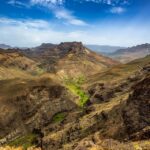
- Panoramic high points like Ayacata and viewpoints along the way
- North-coast contrast with waves and sea views before heading back south
- Optional Canarian lunch in Fontanales (easy to plan around)
In This Review
- Why This Rural Gran Canaria Loop Works So Well
- Getting Picked Up in Maspalomas (and Why It’s Not Just a Detail)
- Mirador Las Moscas, Sand Dunes Views, and the First Big Wow
- Fataga Village: Old Center Time and a Chance to Reset
- Ayacata and Tejeda: High Altitude Towns with Meaning
- Artenara Cave Houses: The Stop That Tells the Story
- Fontanales Lunch Stop: Optional, Local, and Easy to Time
- North Coast Contrast: Waves, Banana Country, and a Cooler Mood
- Las Palmas Pass-By and the Return Down to the Resorts
- Price and What You Get for $83
- What to Bring (and How to Make the Day Easier)
- Who This Tour Fits Best (and Who Should Rethink It)
- Should You Book This Guided Countryside Day?
Why This Rural Gran Canaria Loop Works So Well
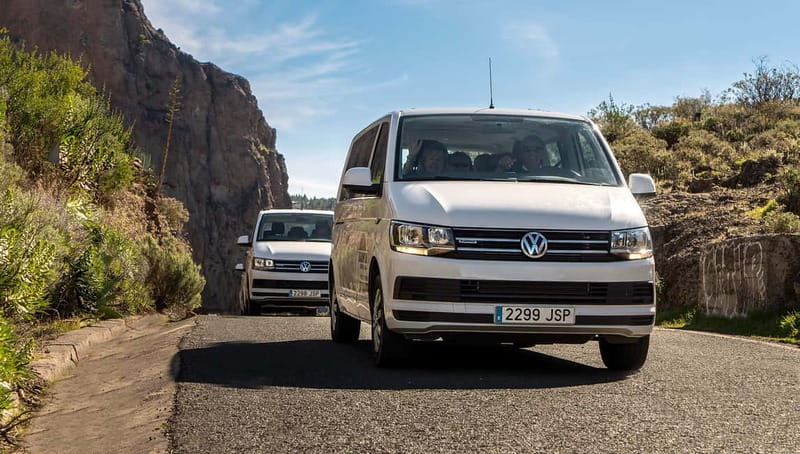
This tour earns its keep because it shows you the island’s contrast without requiring stamina or a rental car. You start in the south, climb into inland villages, then swing toward the north coast where the sea and light feel different.
What I like most is the rhythm. You get a mix of guided time, free time, and quick stops so the day stays varied instead of turning into one long bus ride. And the tour doesn’t just point at views. It helps you understand why these villages sit where they do.
Also, the guide factor matters. In the past, guides such as Juan, Jose, Kevin, Fabio, Uwe, and Charles have been praised for being fun, sharp on details, and good at keeping the group together. That’s not a minor point when you’re bouncing between viewpoints and tight village streets.
Getting Picked Up in Maspalomas (and Why It’s Not Just a Detail)
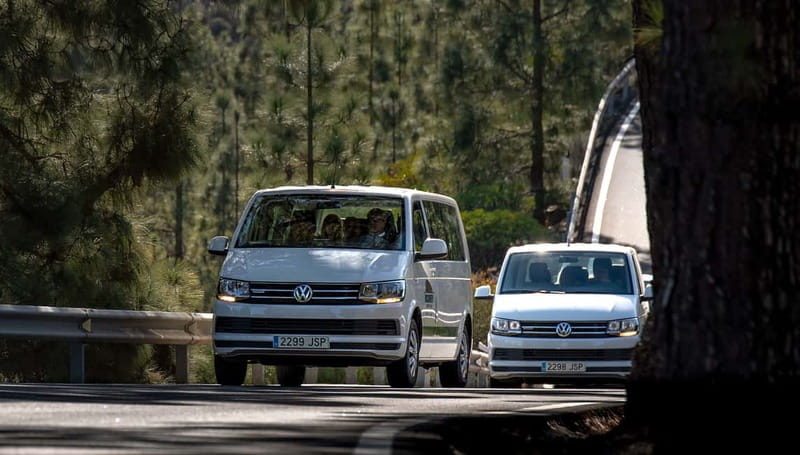
Pickup is one of those “small” things that changes the whole experience. Here, you get hotel pickup and drop-off from many locations in the south of Gran Canaria, and the supplier confirms your exact pickup time and spot after booking.
You’ll typically start with a quick group moment in the van, then roll out for the scenic drive. Some people get nervous about long mountain driving, but several guides/driver setups in the feedback highlight smooth handling on the bendy roads. You also get air-conditioning, which is a big deal in warmer months when the island climb starts feeling serious.
One practical consideration: you cannot bring luggage or large bags. The tour is set up for day travelers, not suitcases. Pack light so the van stays comfortable for everyone.
You can also read our reviews of more guided tours in Gran Canaria

Mirador Las Moscas, Sand Dunes Views, and the First Big Wow
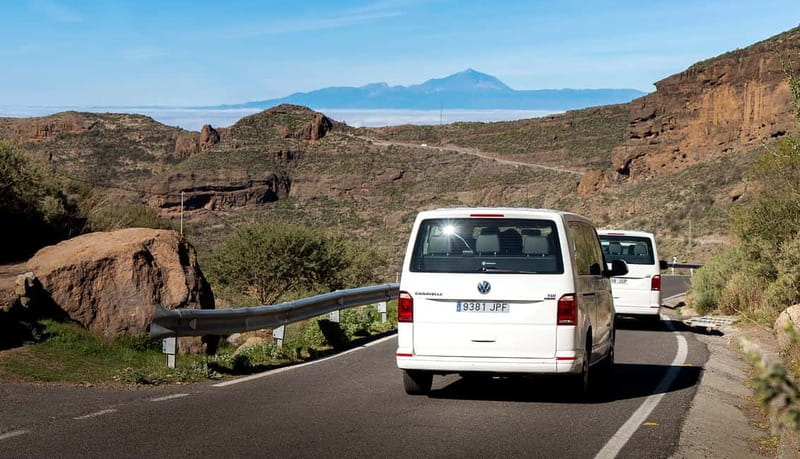
Early on, the route builds anticipation. You head from the Maspalomas area toward scenic stops such as Mirador las Moscas. On the way, you’ll see views tied to the famous sand dunes, which helps you get your bearings fast.
This phase of the day is mostly about perspective. From up above, the dunes and the inland terrain look totally different than they do at beach level. If you’re the type who takes photos and then asks what you’re actually looking at, this part sets you up for the rest of the route.
Don’t assume every stop is a long one. Some photo stops are short, so have your camera ready before the vehicle stops. The guide can’t slow traffic for every “one more shot,” and the day is timed to fit multiple villages.
Fataga Village: Old Center Time and a Chance to Reset
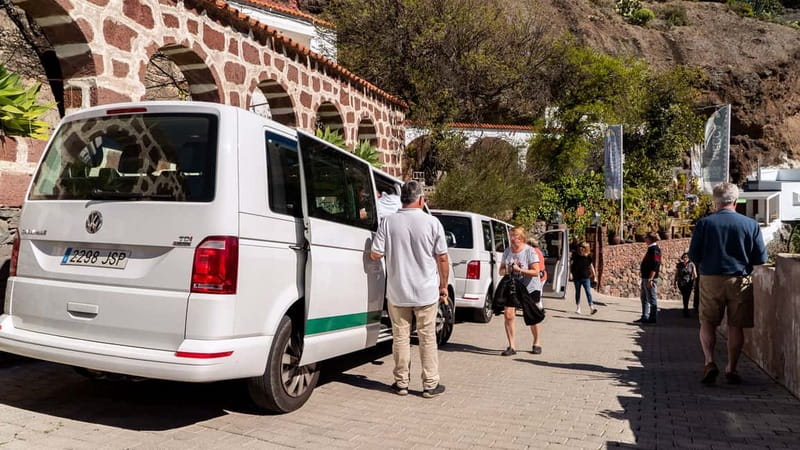
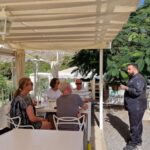
Next comes Fataga, where the tour shifts from “viewpoint mode” into village reality. You get a scenic drive with photo chances, then time in Fataga that can be useful for simple things: a restroom break, a coffee, and wandering the old center.
Fataga is a good stop for people who want more than a quick picture. You’ll feel the pace of the inland Canary Islands here. And even if you don’t go deep into every shop, having a calmer village stretch in the middle of the climb makes the rest of the day easier to enjoy.
Expect the tour to still keep you moving. This isn’t a slow, all-day amble. It’s a curated day that gives you enough time to breathe and still reach the big hitters.
Ayacata and Tejeda: High Altitude Towns with Meaning
From Fataga, the route climbs again toward San Bartolomé de Tirajana, then on to Ayacata and Tejeda, one of the highest altitude areas in the region. This is where the air and views start to change fast.
You’ll spend time in Tejeda at the antique center. The key value here is that you’re not just touring a pretty town. Tejeda is a classic place to taste the local rhythm of the island—especially if you’re interested in foods connected to what grows here.
One standout detail: there’s a famous almond bakery stop you can visit during the Tejeda break. If you like trying local sweets or just want a quick bite that feels tied to the region, this is the moment. It also gives you something to do besides photos while you wait for the guide’s return time.
A small tip: keep an eye on your jacket. Even on a sunny day, altitude can make the wind feel sharper than you expect.
Artenara Cave Houses: The Stop That Tells the Story
If you only remember one thing from this tour, make it Artenara. The highlight here is the famous cave houses, which are one of the island’s most popular attractions. You don’t just pass by. You get guided time and a walk that helps you make sense of what you’re seeing.
This is also one of the best stops for understanding how people adapted to the island’s terrain. Cave homes aren’t random architecture. They show practical thinking—how to live with climate, materials, and access.
The time in Artenara tends to be set for both photos and learning. Plan to use your time well: take a few pictures, then listen to the guide’s explanation before you wander. The story makes the “cool photo” feel more real.
If you’re sensitive to walking time, note this stop includes a walk. The tour isn’t marketed for mobility needs, so if that applies to you, double-check before booking.


Fontanales Lunch Stop: Optional, Local, and Easy to Time
You’ll pass through the Fontanales area on the way back, including a stop at Monte Pavón Mirador for photos. This is a great moment for a scenic break, plus you get a look toward Las Palmas and Tenerife from the viewpoint.
Here’s the lunch part. There’s an optional Canarian lunch during the day, tied to the Fontanales stop. Reviews often mention lunch positively, including comments about good value and decent meal choices. Still, lunch is optional and not included in the base price, so decide based on your appetite and budget.
If you skip lunch, you’ll still be fine. You’ll have multiple short breaks across villages where you can grab something small. Just don’t assume you’ll find a full menu at every exact stop, because some breaks are timed closely.
North Coast Contrast: Waves, Banana Country, and a Cooler Mood
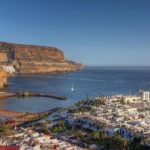
After the interior village stretch, the day swings toward the north coast. You’ll pass banana plantations and then reach a north-side photo stop where you watch the waves splash along the sea.
This is the contrast you came for. The north coast often feels more dramatic, and the light can look different than in the south. A practical piece of advice from past experiences: bring a light coat for the north-side portion. Even when the south is hot, the north can feel breezier.
This section also helps you connect the island’s geography. When you see the interior peaks and then the coast within the same day, the island stops being a map and starts feeling like a place with logic.
Las Palmas Pass-By and the Return Down to the Resorts
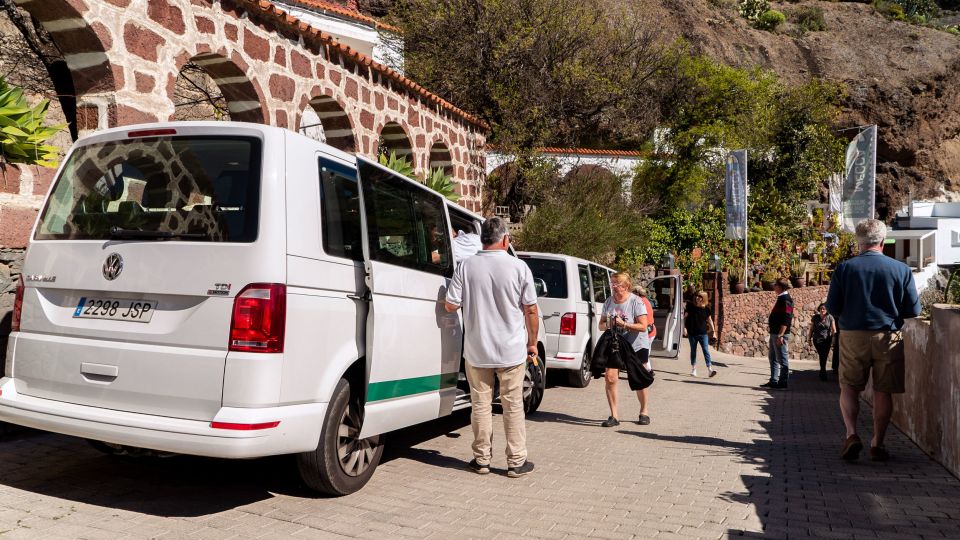
Later, you’ll pass by Moya and then head toward Las Palmas. These are generally not long stays, more like scenic drive moments that round out the day’s variety.
Then the tour transitions to the return ride. You’ve already climbed into villages and viewpoints. The downhill highway drive back toward the south can feel like a victory lap—especially if you’re tired and starting to think about your shower and dinner plan.
Drop-off is spread across many pickup points in the south, so it can feel like the van is stopping repeatedly. That’s normal and part of the “roundtrip convenience” tradeoff.
Price and What You Get for $83
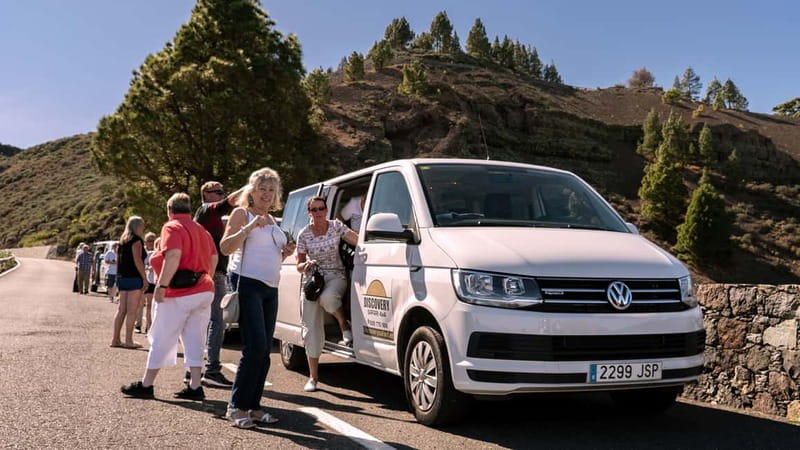
At around $83 per person for an 8-hour day, the value comes from three things: transportation, a guide, and a route packed with stops that would be hard to plan and execute on your own.
If you’re paying for a rental car, you’d spend time and money on driving, parking, and route planning through mountain roads. Add in fuel and the reality that some village moments are short and timed, and a guided day starts to look smarter.
The optional lunch is extra, so treat it as a bonus rather than a guarantee. But even without lunch, you’re getting multiple village breaks, photo points, and the guided cave-house walk—plus you’re not doing the logistics solo.
So I’d call it a solid value if your goal is to see the island’s inland villages and north-coast contrast in one day with minimal hassle.
What to Bring (and How to Make the Day Easier)
This tour is simple on paper: comfortable clothes, a camera, and a good attitude. But the practical details make the day smoother.
Bring:
- Comfortable shoes for village walking and the cave-house walk
- A light layer for the north-coast portion
- A small snack if you tend to get hungry between breaks
- Water, especially in warmer months
Leave behind:
- Luggage or large bags
- Anything that makes van seating complicated
Also, the tour runs rain or shine. If weather flips, you’ll still be moving between stops. Pack like it’s a countryside day, not a beach-only outing.
Who This Tour Fits Best (and Who Should Rethink It)
This tour fits you if you want a guided day that’s heavy on scenery, village culture, and the “why” behind the places. You’ll probably enjoy it most if you like taking photos but also don’t want those photos to feel random.
You’ll likely love it if:
- You’re staying in south Gran Canaria and want an easy pickup-and-dropoff option
- You want inland villages like Tejeda and Artenara without driving yourself
- You appreciate a guide with humor and clear storytelling (many guides like Kevin and Fabio are repeatedly praised for that energy)
Rethink it if:
- You have mobility impairments (it isn’t suitable)
- You need lots of storage for luggage
- You hate walking segments, especially at the cave houses
Should You Book This Guided Countryside Day?
I’d book this if your time is tight and you want the island’s variety without stress. Tejeda’s antique center, the almond bakery stop, and the Artenara cave-house visit are the kind of highlights that are hard to reproduce without careful planning. Add the north-coast waves and the view stops, and you get a whole-day snapshot that feels bigger than eight hours.
Skip it if you’re the type who wants a slow, flexible itinerary or you need full accessibility support. Also, if you only want beaches and resort time, this route is a different mood on purpose.
If you’re on the fence, the best decision tool is this: ask yourself whether you want history-in-place (cave houses and village centers) plus big viewpoint photos in one day. If yes, this tour is a strong match.