REVIEW · GRAN CANARIA
2 Day PADI Scuba Diver Course in Puerto Rico, Gran Canaria
Book on Viator →Operated by Blue Water Diving · Bookable on Viator
Training to breathe underwater is weirdly fun. This 2-day PADI Scuba Diver course in Gran Canaria turns you from nervous beginner into a calm, skill-focused swimmer in a small group. I like that you start in controlled water first, then move to real open-water settings.
My second favorite part is the value package: all necessary equipment is included, plus two open-water sessions. One thing to plan for up front: food and drinks aren’t included, so you’ll want to eat before you start each day.
In This Review
- Key Things You’ll Notice Right Away
- Booking the Right Two-Day Course in Gran Canaria
- Day 1: Confined Water Training (9am–2pm)
- Day 2: Open-Water Sessions on a Local Beach
- What You Actually Get (Equipment, Instructor, and Two Big Underwater Days)
- Timing and Meeting Point: Start Time vs. Course Start
- Hotel Pickup: Where Transfers Help Most
- Price: Is $390.52 Good Value for Two Days?
- Small Group Coaching: Why Max 6 Can Change Everything
- Fitness, Flying, and the Health Questionnaire
- Getting the Most Out of Your Course (Even When You’re Nervous)
- One Small Trade-Off: No Mention of Photos
- Should You Book This PADI Course?
Key Things You’ll Notice Right Away
- Confined-water practice on both days so skills actually stick
- Two open-water sessions on day 2 to apply what you learned
- Equipment is included, adjusted for you
- Small group size (max 6) for more personal coaching
- Select-hotel pickup and drop-off to cut time and stress
- English instruction, with a health questionnaire required before any underwater time
Booking the Right Two-Day Course in Gran Canaria
If you’re short on time, a 2-day PADI Scuba Diver course is a smart way to try scuba without turning your vacation into a training marathon. The schedule is tight, though. Expect an early start and long focus blocks as you learn buoyancy, control, and breathing techniques.
This course is run by Blue Water Diving, based in Las Palmas area (your meeting point is right at their shop on Calle Olimpicos). It’s also designed for beginners. That matters, because the fastest way to enjoy scuba is to feel safe and competent, not rushed.
You can also read our reviews of more scuba diving tours in Gran Canaria
Day 1: Confined Water Training (9am–2pm)
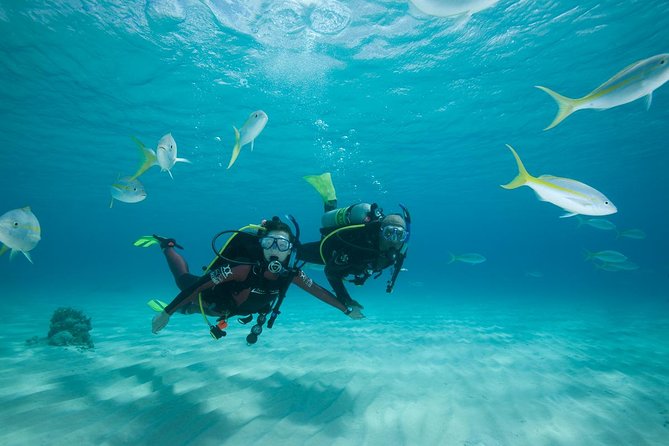
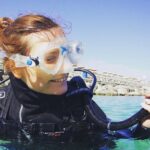
Day 1 is all about building the basics in a controlled setting. You’ll start around 9am and finish around 2pm, following a classic “learn skills first, then polish them” approach. The goal is simple: you learn how to use your gear, how to move underwater, and how to manage breathing and confidence.
This is where good instruction really shows. One review specifically praised Eileen for turning people into divers who felt calm and controlled underwater, and that kind of coaching usually starts with confined-water repetition. You’re not just watching. You’re practicing skills until they feel natural.
A practical tip for day 1: treat it like a lesson, not a sightseeing day. If you show up tired or distracted, you’ll notice it when you’re learning buoyancy and control. Bring a calm mindset and you’ll progress faster than you expect.
Day 2: Open-Water Sessions on a Local Beach
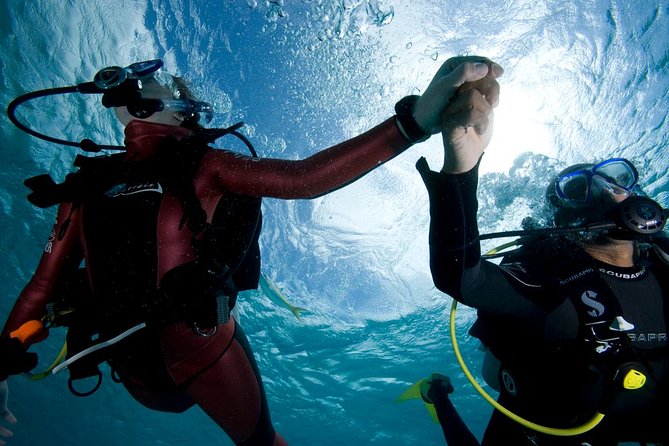
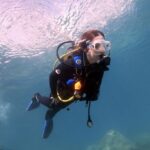
On day 2, you take what you practiced and use it in the open water. After the skills work, you head to one of the local beaches for two open-water training sessions. During those two sessions, the emphasis is on relaxing, getting comfortable, and applying your day-1 skills.
This is also where your instructor can spot issues fast—like breathing rhythm, hand placement, or how you manage buoyancy. One review talked about Chris helping a student work through panic under water with tough love and practical guidance focused on head and breathing. That tells me the team treats comfort and safety as the real curriculum, not just checklists.
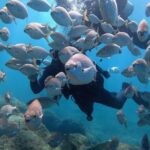
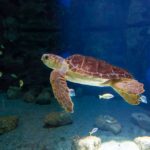
You can also expect nature to play a role. A review mentioned seeing animals and underwater wrecks at the training sites. You might see wildlife too, but the big win is that you’ll be able to look around because you’re not fighting your gear and your breathing.
What You Actually Get (Equipment, Instructor, and Two Big Underwater Days)
The course includes the big-ticket stuff that usually makes scuba hard to DIY: a professional guide and the gear. Highlights say all necessary equipment is included, and reviews back that up, mentioning well-adjusted equipment that made the experience easier.
That matters for your comfort and progress. When your mask fits, your regulator behavior feels consistent, and your buoyancy control is easier to manage, you spend less energy panicking and more energy learning. It’s the difference between coping underwater and actually enjoying it.
You’ll also get the two open-water sessions that turn this from a theory-heavy intro into a real experience. For many people, that’s the part they came for—learning enough skill to stay calm while you explore what’s around you.
Timing and Meeting Point: Start Time vs. Course Start
Things start early. Your meeting point is Blue Water Diving at Calle Olimpicos, C. Doreste y Molina, s/n, 35130 Gran Canaria, Las Palmas, Spain. The stated start time is 8:30am, while the training schedule notes you begin around 9am and finish around 2pm each day.
So plan to arrive on the earlier side. That gives you time to check in, fill out required forms, and get ready without rushing. Scuba is one of those activities where being 10 minutes late can turn into 30 minutes of stress.
Good news: the location is near public transportation, so you’re not stuck if you don’t have a car.
You can also read our reviews of more tours and experiences in Gran Canaria
Hotel Pickup: Where Transfers Help Most
Hotel pickup and drop-off are included, but only for selected hotels. That can be a big time-saver in Las Palmas area if your hotel is on the pickup route. It also makes day 1 simpler because you won’t need to figure out where to go while you’re still mentally gearing up.
If your hotel isn’t on the list, you can still make it using public transport since the shop is near transit. Either way, the key is to double-check whether pickup applies to your specific hotel before you go.
Price: Is $390.52 Good Value for Two Days?
At $390.52 per person, this isn’t the cheapest scuba option, but it also isn’t a bare-bones “try it someday” experience. You’re paying for instruction, included equipment, and two open-water training sessions across a full two-day course.
When I judge value for training like this, I look at three things:
1) You don’t have to rent gear or solve gear problems yourself.
2) You get real coached time, not just a quick orientation.
3) You end day 2 with open-water practice, which is what most people want from a short course.
Add in select-hotel transfers and a max group size of 6, and the price starts to make sense. The smaller group piece matters because it often means more instructor attention when you’re learning buoyancy, control, and breathing.
Small Group Coaching: Why Max 6 Can Change Everything
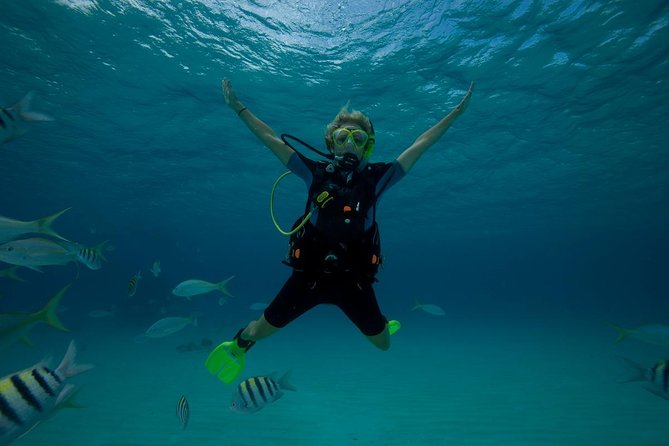
A maximum of 6 travelers means you’re not getting shuffled through like a factory line. The reviews are consistent on this: instructors were friendly, encouraging, and very focused on helping students feel safe.
You can also pick up a pattern from the names people mention: Chris, Eileen, Kate, and Lily appear in reviews as instructors who brought both professionalism and reassurance. One review credited the team with tailoring training to the student’s skills, which is exactly what you want when you’re learning a physical skill underwater.
In practice, small groups help you correct mistakes earlier. If you’re overshooting buoyancy or struggling with breathing, an instructor can see it and fix it before it becomes a habit.
Fitness, Flying, and the Health Questionnaire
Scuba isn’t one-size-fits-all. The course requires a health questionnaire, and some pre-existing conditions (asthma, heart conditions, and similar issues) may prevent you from diving. You’ll also want to avoid diving within 18 hours of flying, which is a safety guideline you should treat seriously.
If you’re healthy and cleared to participate, this is usually straightforward. But if you have any medical concerns, don’t wait until the morning of your first session. Check with your doctor before you book if you’re unsure.
Getting the Most Out of Your Course (Even When You’re Nervous)
It’s normal to feel awkward at first. One review described a student having panic under water on day 2, then getting guidance that helped them carry on safely and meet the course requirements. That’s a reminder that the goal is not pretending you’re fearless—it’s learning to manage fear with technique and support.
Here are a few things that help most people (and don’t require any scuba expertise):
- Get enough rest the night before each training day.
- Eat beforehand since food and drinks aren’t included.
- Be honest with your instructor about what feels hard.
- Focus on breathing and buoyancy first; everything else gets easier after.
Also, don’t underestimate the gear handling. When you learn how to set things up correctly, the underwater part becomes far less stressful.
One Small Trade-Off: No Mention of Photos
One review mentioned that the provider could improve by offering an underwater photo as a souvenir, since the course costs money. That’s not a dealbreaker, but it’s worth noting: there’s nothing in the details here that promises photo packages.
If you want photos, ask in advance whether anything is offered or if the team can help capture moments (and what limitations apply). Otherwise, bring your own plan for phone storage and any camera rules you might need.
Should You Book This PADI Course?
Book it if:
- You’re a beginner and want a structured two-day path with professional coaching.
- You value included gear and want less logistics to manage.
- You like the idea of a small group (max 6) and hands-on skill correction.
- You want to leave with two open-water training sessions done, not just confined-water practice.
Skip or rethink it if:
- You strongly prefer meals included or you don’t want to plan food around an early start.
- You’re flying soon and can’t meet the 18-hour recommendation.
- You have medical concerns and aren’t sure you’ll be cleared after the health questionnaire.
If you want a short, guided route into scuba with a team that’s known for making students feel calm and in control, this is the kind of course that’s built for real beginners—not just people who want to say they tried it.