REVIEW · GRAN CANARIA
Gran Canaria historical house with mango plantation
Book on GetYourGuide →Operated by Juan Maria Marrero Ortega · Bookable on GetYourGuide
A 200-year house with mango trees? That’s the hook. In Mogán, you’ll step into a restored Canarian farmhouse complex and walk through fruit culture tied to local food, including a mango-and-vermouth tasting experience. It’s a small-group, guided stop built around plants, history, and a surprisingly memorable dessert.
What I like most is the cactus garden trail and the way it connects to what you’ll taste later—together the plants and the food feel like one story. I also really like the dessert stop: Gazpachuelo de mango, a cold mango and yogurt soup with chocolate cubes.
One drawback to keep in mind: the visit includes time on uneven ground, and it’s not suitable for people with mobility impairments on the way down to the mango plantation (and it’s also not for baby carriages).
In This Review
- Key points to know before you go
- Stepping Into a Restored Canarian Farmhouse in Mogán
- The Mango Plantation, Avocados, Soursop, and Tunera Cactus
- Wandering the Cactus Garden on Foot
- Mogán Valley Stop: Views, Wildlife Viewing, and a Real Pace
- Vermouth Factory Time: Red and White Lolito Tasting
- Gazpachuelo de Mango: Cold Mango and Yogurt Soup With Chocolate Cubes
- Optional Lunch or Dinner at Valle de Mogán (If You Want More)
- Price and Value: What You Get for Around $63
- Who Should Book This Tour (And Who Might Pass)
- Should You Book the Historical House With Mango Plantation?
- FAQ
- How long is the tour?
- What does the tour cost?
- What’s included in the tasting?
- Where do I meet the guide?
- Is the group private?
- Is this tour wheelchair accessible?
Key points to know before you go
- 200-year-old Canarian farmhouse: a restored small-building complex shaped by traditional local architecture.
- Cactus garden with plenty of variety: you’ll walk picturesque trails and see how native plants fit local life.
- Mango plantation walk-through: watch mango, avocado, and soursop growth and how they show up in Canarian cooking.
- Vermouth tasting (Lolito), red and white: you get both styles in the same visit.
- Dessert: Gazpachuelo de mango: cold mango and yogurt soup with chocolate cubes, served as a playful, local twist.
Stepping Into a Restored Canarian Farmhouse in Mogán
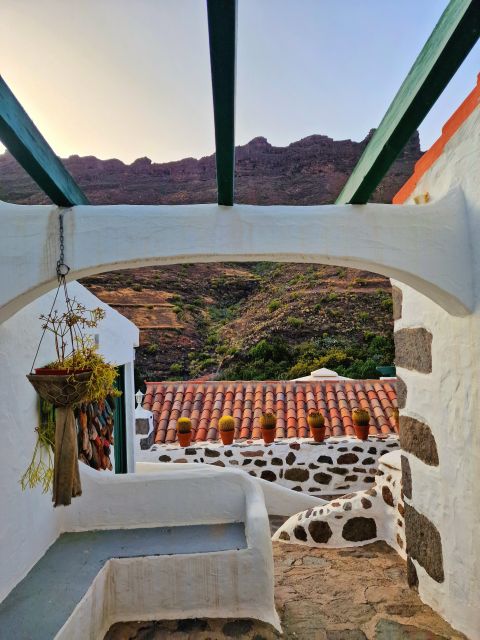
This experience starts in the Pueblo de Mogán area, at the edge of farmland and native vegetation. Your meeting point is the parking of the Valle de Mogán restaurant, at Los Pasitos, 2. The guide will be wearing a black jacket, so you can spot them fast.
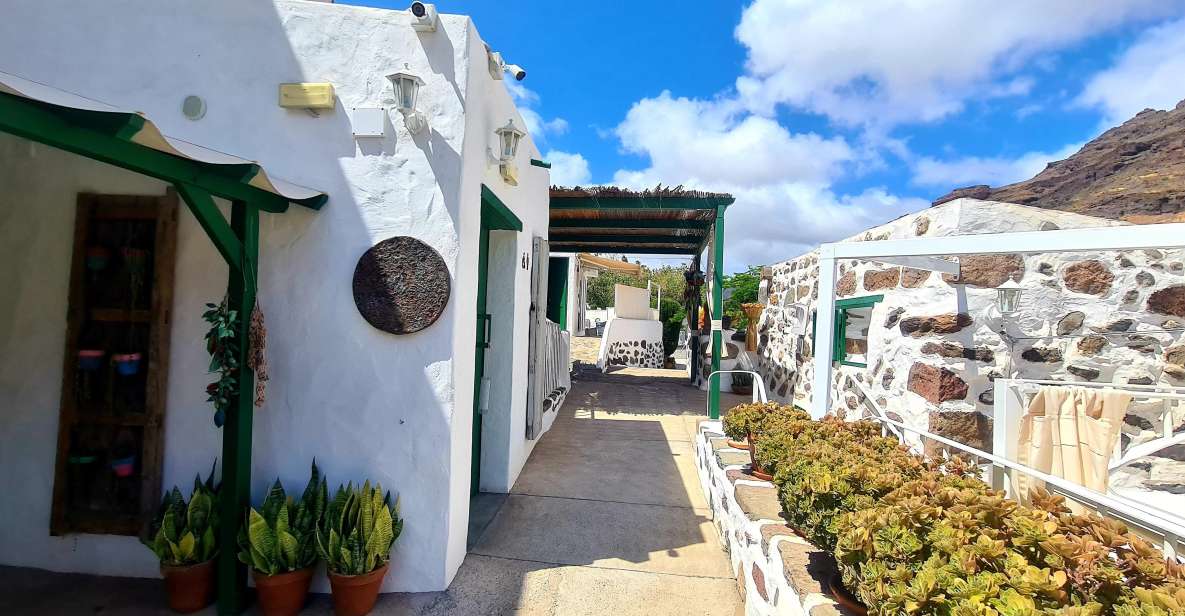
The star of the show is the house itself. You’re looking at a complex of small buildings about 200 years old, faithfully restored to match popular Canarian architecture. It’s not a single-room museum vibe. It feels like the kind of working property that grew around agriculture, shade, and daily routines—only now it’s been cleaned up and presented for you to understand.
What makes this kind of historical stop valuable in Gran Canaria is that it connects “old” with “still used.” You’re surrounded by plants you’ll actually hear about, and you’ll see fruit and cactus in real planting conditions, not just photos.
You can also read our reviews of more historical tours in Gran Canaria
The Mango Plantation, Avocados, Soursop, and Tunera Cactus
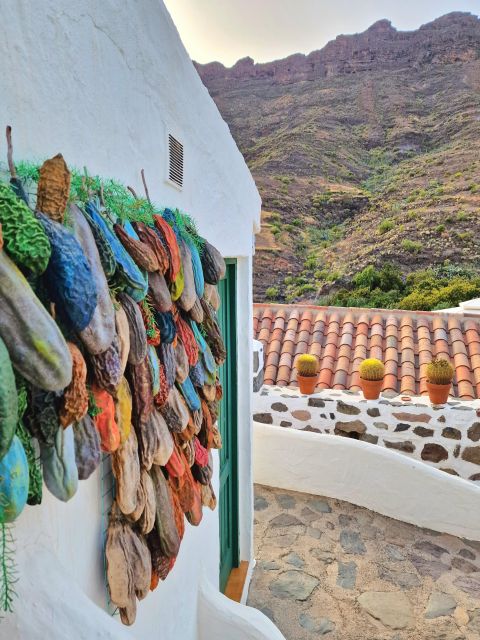
After you settle in, you’ll head into the farm area with native vegetation and views over the Mogán valley. The guide explains how crops are grown and how locals use them in the kitchen, and that’s what turns a pretty walk into something you can remember.
You’ll see how mangoes, avocados, and soursops grow. You’ll also get cactus info, including tunera—the cactus used in Canarian cuisine. If you’ve only seen cactus in a roadside landscape, this makes it feel less like an ornament and more like a food source with local techniques behind it.
A practical note: the experience includes a section down toward the mango plantation. The tour is described as wheelchair accessible overall, but it also clearly says it’s not suitable for people with mobility impairments on the way down. So if you’re using a chair, you’ll want to be careful and ask what paths are involved before booking.
Also, it’s not ideal for baby carriages. Plan on a normal walking day, not a stroller-friendly stroll.
Wandering the Cactus Garden on Foot
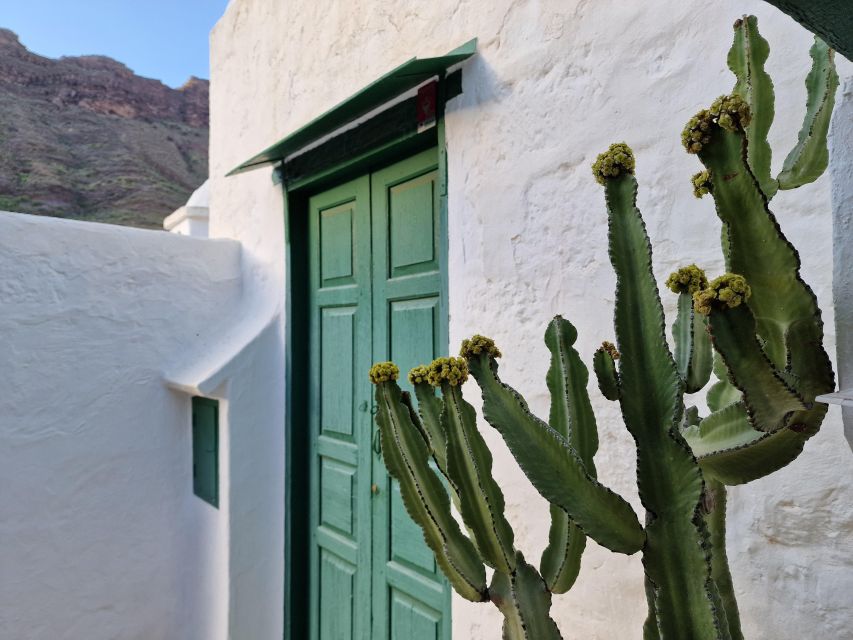
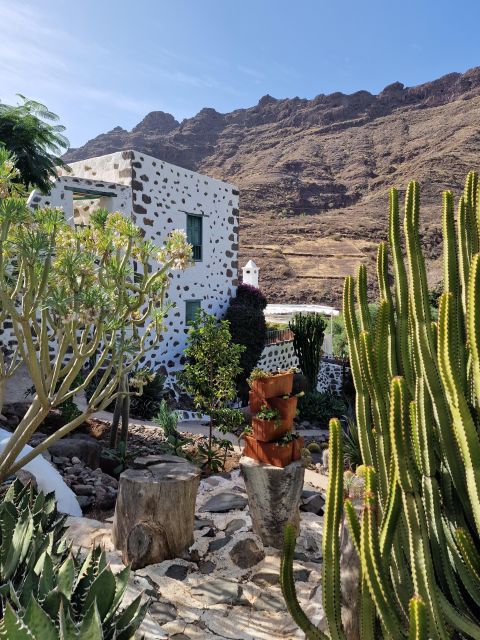
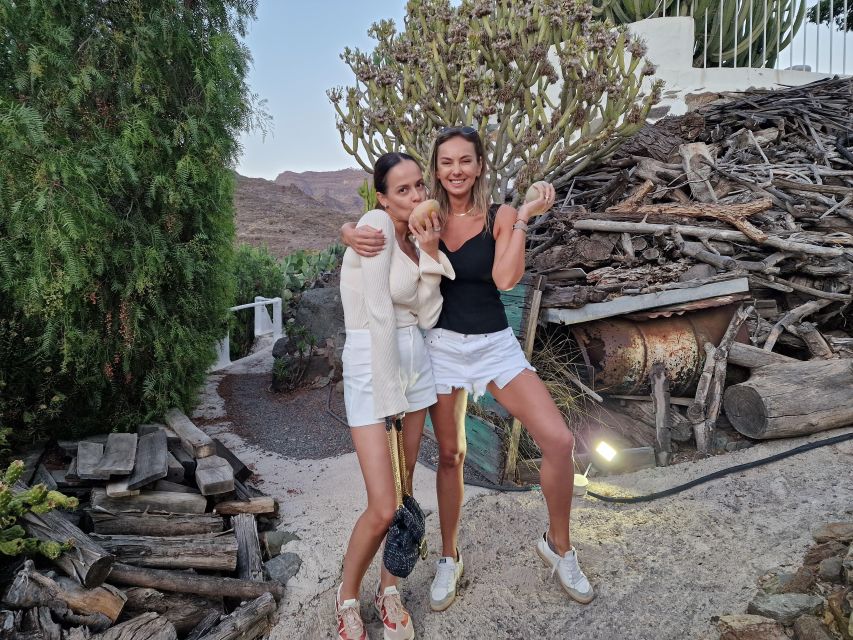
One of the most pleasant parts is the cactus garden. You’ll enjoy picturesque trails, with a big variety of plants. It’s the kind of place where you can slow down and look closely, because cactus here isn’t just “pointy.” You get different shapes and forms, and the guide helps connect the plants to the local story.
This is a good moment for photos—especially with valley views mixed in as you move around. It also breaks up the experience nicely. Instead of racing from one tasting to another, you get a walk that feels like a real farm visit with time to look.
For me, the best tours are the ones where walking and tasting match each other. Here, that’s exactly the pattern: you learn, you look, then you taste.
Mogán Valley Stop: Views, Wildlife Viewing, and a Real Pace
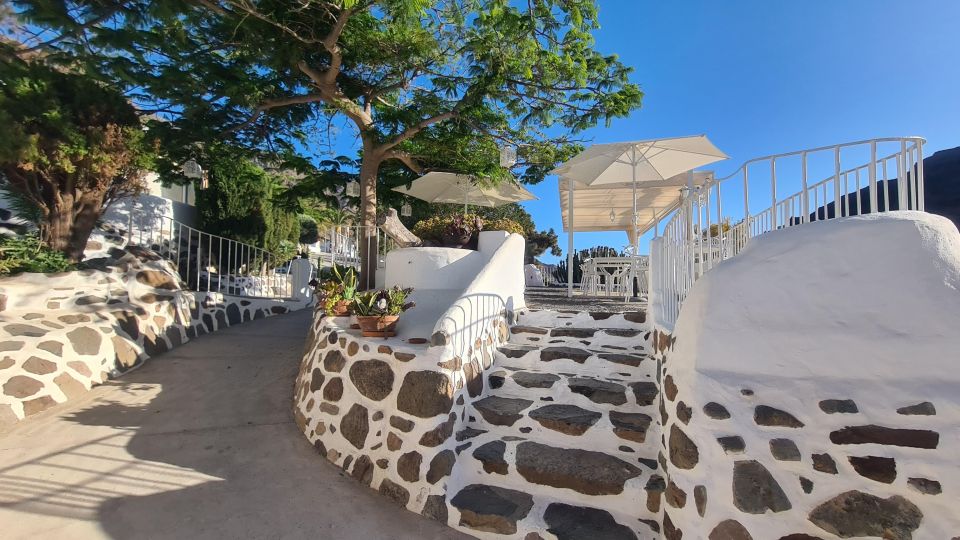
The itinerary includes a long chunk in Mogán—about 75 minutes. That time isn’t just wandering; it’s guided sightseeing with built-in breaks and photo stops. You’ll also get scenic views on the way, plus wildlife viewing.
If you’re someone who likes taking in a place but hates the feeling of being rushed, this timing works well. Two hours total might sound tight, but it’s actually enough to cover the farmhouse setting, spend real time on the fruit and cactus areas, and still reach the tasting portion.
What you should expect on the day:
- Short walking segments, including farm terrain.
- Plenty of pauses for photos and explanations.
- A guide steering the route, so you’re not doing guesswork.
One more detail that matters for comfort: the tour includes water, which is helpful in Gran Canaria heat. It’s a small thing, but it changes the whole experience.
Vermouth Factory Time: Red and White Lolito Tasting
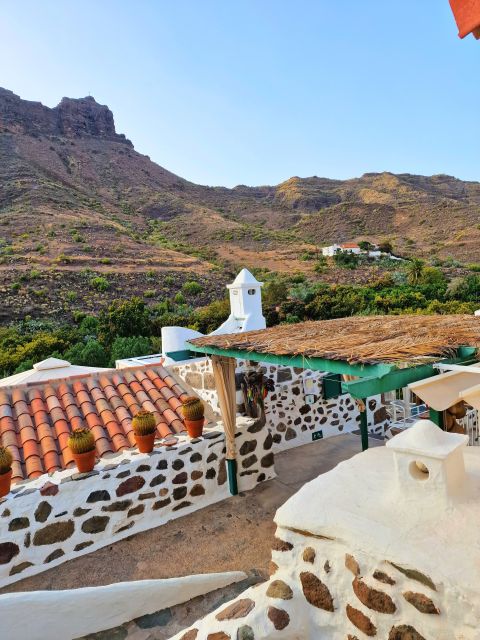
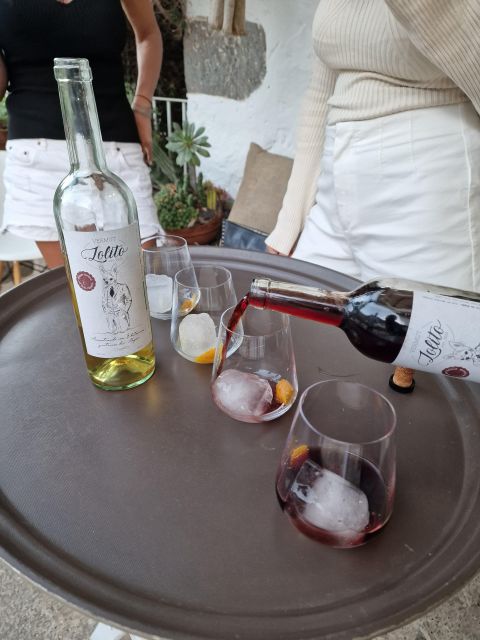
Then comes the tasting section, tied to the vermouth production on the property. The tour’s description is clear: they make the first vermouth in Gran Canaria on their farm. Even if you don’t count yourself as a vermouth person, this part has a strong “local craft” feel.
You’ll visit the winery/production area for about 30 minutes and do a tasting that includes:
- Vermouth Lolito, both red and white
- A guided food-and-drink tasting moment designed to explain what you’re tasting
This is also where the experience gets more interesting than a simple pour. Vermouth culture isn’t just flavor. It’s tied to fruit use, local preferences, and a food rhythm that fits Spanish life. So you’re tasting the outcome of the farm story you just walked through.
If you care about alcohol choices, here’s a good comfort point from the experience feedback: there’s been a request for a special non-alcoholic drink for a child, and the team handled it. That suggests flexibility for non-alcohol options when you ask in advance.





Gazpachuelo de Mango: Cold Mango and Yogurt Soup With Chocolate Cubes
The included dessert is the showstopper for people with a curious palate. You’ll try Gazpachuelo de mango—a cold mango and yogurt soup served with chocolate cubes.
It’s unusual. That’s the point.
You might be thinking: mango + yogurt is one thing, but chocolate cubes? In a lot of places, that kind of combo sounds like a gimmick. Here, it feels more like a local twist on a familiar idea—cold soup plus fruit, then a textural hit from chocolate.
The dessert is included in the standard package. So even if you skip the optional meal, you’ll still leave with a clear taste memory, not just a drink.
Optional Lunch or Dinner at Valle de Mogán (If You Want More)
There’s an upgrade if you’re hungry for more than the tasting. You can add lunch or dinner at the restaurant Valle de Mogán, focused on local dishes made with fresh ingredients.
That’s worth considering if:
- You want the meal to extend the farm story into the kitchen.
- You like tasting sessions that lead into an actual sit-down course format.
- You’re visiting as a food-focused outing rather than a quick stop.
If you do the upgrade, give yourself time to slow down after the walking. The tour itself is about two hours, so adding a meal makes it a longer outing, but a very logical one.
Price and Value: What You Get for Around $63
At $63 per person for a 2-hour experience, this isn’t a cheap “walk and sample” situation—but it also isn’t inflated for what’s included.
You’re paying for:
- A private guide
- Water and bathroom access
- The historical farmhouse visit in Mogán
- The cactus garden and farm walk elements
- The vermouth tasting (red and white)
- The included dessert: Gazpachuelo de mango
- A small group cap of 10 participants, which usually keeps the day from feeling chaotic
For value, I think the key is that you don’t just get one taste. You get an agriculture tour, a cactus garden walk, a history setting, then both vermouth styles plus a dessert that’s different enough to stand out.
If you’re the kind of traveler who remembers places by what they learned and ate—not by a checklist—this pricing starts to look fair.
If you’re on a strict budget, the fact that hotel pickup isn’t included might also matter. You’ll need to get yourself to the meeting area at Los Pasitos, 2.
Who Should Book This Tour (And Who Might Pass)
This is a great fit if you:
- Like hands-on food culture in a real farm setting
- Enjoy guided plant walks (cactus plus fruit crops)
- Want a short, focused outing that still covers several parts of Mogán
- Are interested in local vermouth, especially red vs. white
- Prefer small groups for easier questions
You might pass (or at least ask extra questions first) if you:
- Have mobility limitations that could make farm paths hard—especially on the way down to the mango plantation
- Need to avoid walking on uneven ground
- Have heart problems or high blood pressure, since the tour isn’t recommended for those conditions
- Are traveling with a baby carriage (it’s not suitable)
Also, if you dislike yogurt-based dishes or you’re very sensitive to unusual flavor combos, Gazpachuelo de mango may not be your thing. But if you’re open-minded, it’s a memorable reason to go.
Should You Book the Historical House With Mango Plantation?
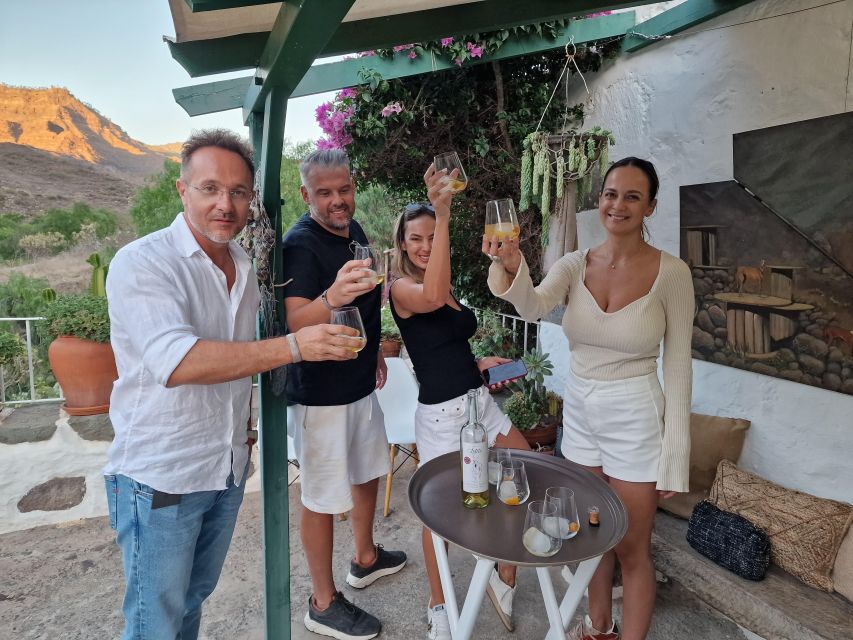
Yes, I’d book it if you want a short, guided taste of Mogán that mixes history, plants, and food in one smooth loop. The restored 200-year farmhouse gives the setting, the cactus garden and fruit crops give the learning, and the tasting ends it in a way that actually sticks with you—red and white Lolito vermouth plus Gazpachuelo de mango.
I’d hesitate only if mobility is a concern, because parts of the route can involve a descent toward the mango plantation. If that’s you, ask before you book and make sure the paths work with your needs.
If you’re in Gran Canaria and you’re tired of tours that feel like a photo stop with no soul, this one has a clear rhythm: walk, learn, taste.
FAQ
How long is the tour?
The tour lasts about 2 hours.
What does the tour cost?
The price is listed as $63 per person.
What’s included in the tasting?
You get a vermouth Lolito tasting of both red and white, plus the dessert Gazpachuelo de mango.
Where do I meet the guide?
Meet at the parking of the Valle de Mogán restaurant at Los Pasitos, 2. The guide will be wearing a black jacket.
Is the group private?
You’ll have a private guide, and the group size is limited to 10 participants.
Is this tour wheelchair accessible?
It is described as wheelchair accessible, but it also says it’s not suitable for mobility impairments on the way down to the mango plantation.