REVIEW · GRAN CANARIA
Maspalomas: Ryker Moto Tour to Fataga (Mountain buggy)
Book on GetYourGuide →Operated by Tourist Discovery · Bookable on GetYourGuide
Three wheels, big mountain views. This guided Can-Am Ryker tour from Maspalomas heads inland for twisty roads, quick cultural stops, and lookout moments you can actually enjoy at a relaxed pace. You’re trading beach straightaways for cooler air, curving mountain lanes, and the kind of scenery that makes you slow down just to look.
Two things I really liked: the intro from guide Adrian makes a first ride feel manageable, and the itinerary mixes riding time with enough time in Fataga to feel like you actually landed somewhere, not just passed through. Add the planned stop at an Aloe Vera plantation and a return viewpoint at Mirador Astronómico de la Degollada de las Yeguas, and you get variety without rushing.
One consideration: you do need a car license, and while “some experience helps,” you’ll be relying on the induction and your comfort with a three-wheeled road vehicle. If you’re not confident on curvy roads yet, give yourself a bit of patience early on—everyone’s learning begins at the same starting point.
In This Review
- Key points to know before you ride
- What this Maspalomas to Fataga Ryker tour is really like
- The Ryker induction: how Adrian sets you up to feel confident
- The route rhythm: riding segments, then village time
- Fataga village stop: where the tour turns local
- Aloe Vera plantation stop: why it fits on a mountain ride
- The Mirador Astronómico viewpoint: your big finale over Maspalomas
- Price and value: is $88 per person worth it?
- Small group energy: how the day stays personal
- What to bring (and what not to bring) for a smooth ride
- Who this tour is best for (and who should skip it)
- Should you book the Ryker Moto Tour to Fataga?
- FAQ
- Do I need a car license to drive the Ryker?
- How long is the tour from Maspalomas to Fataga?
- What’s included in the price?
- Is food and drinks included?
- Where do you meet?
- Can two adults share one motorcycle?
- What languages are the guide?
Key points to know before you ride
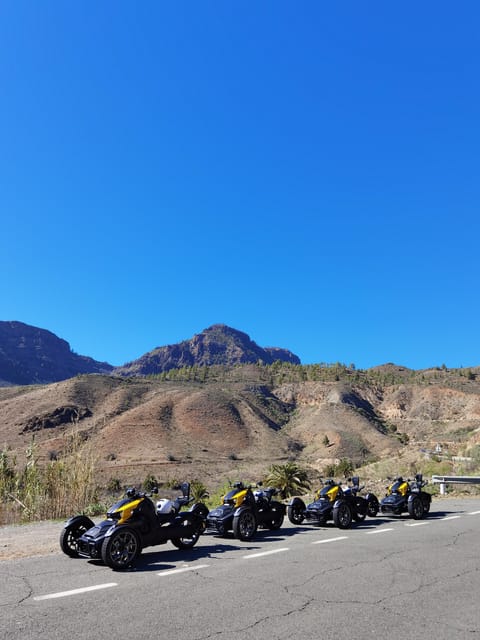
- Small group size (up to 10) helps you get individual attention during the start-up teaching and stops.
- Adrian’s calm instruction is a big part of why the ride feels safe and fun for newcomers.
- Fataga is worth the pause, not just a quick photo stop.
- Mirador Astronómico de la Degollada de las Yeguas gives you a high vantage over the Maspalomas area.
- Helmet, fuel, and Ryker rental are included, so you’re not doing mental math mid-tour.
- You must bring your driver’s license (car license) to drive; passengers only ride if your booking allows it.
What this Maspalomas to Fataga Ryker tour is really like
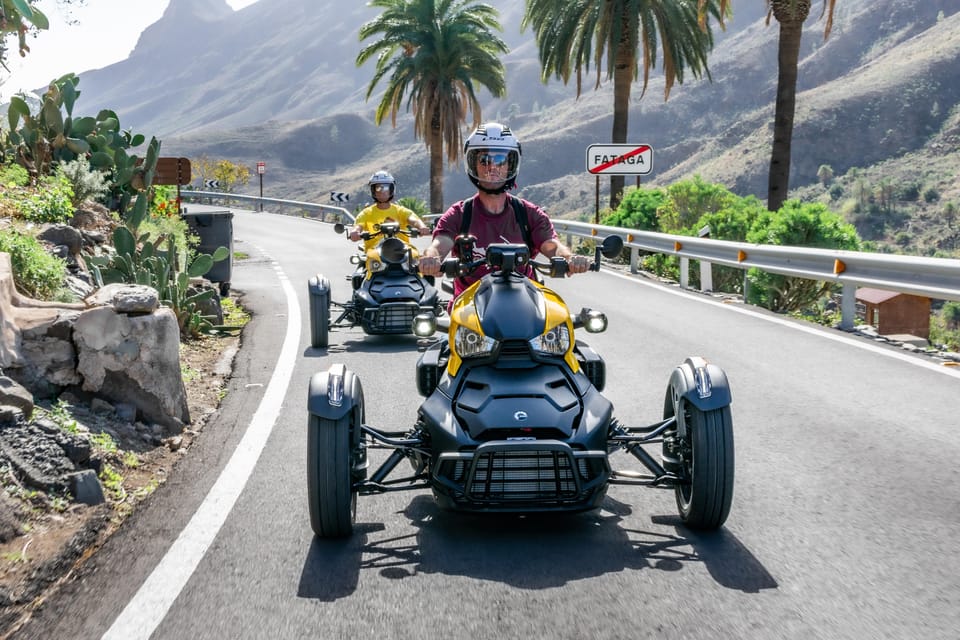
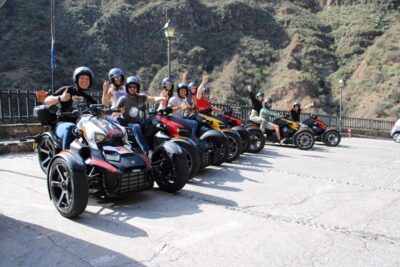
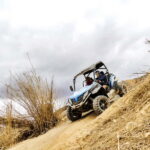
This is Gran Canaria in a different gear. Instead of hopping on buses or doing another photo-and-leave excursion, you’re on a Can-Am Ryker: a three-wheeled road vehicle that’s designed to feel stable and easy once you’ve had a short lesson.
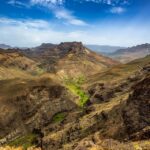
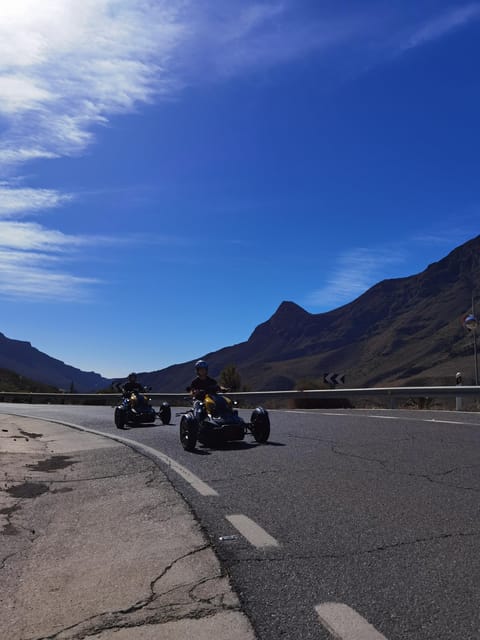
The big payoff is how the scenery changes as you head inland. Maspalomas gives you one kind of view—coastal, bright, airy. Then the route trades that for mountain air and winding roads that naturally slow your thinking down. On curvy sections, you feel the difference immediately: you’re not just traveling, you’re riding.
What helps most is the pacing. The tour is only 2.5 to 3 hours, with guided stops that break up the ride. That matters because the longer you stay seated on roads that ask for attention, the more you either relax into it or start wanting it to be over. Here, it stays in the sweet spot.
And yes, you’re going to stop for photos. But the stops aren’t only about pictures. Fataga is a real “walk and look” village break, the Aloe Vera stop is a themed change of pace, and the mirador is the kind of lookout that makes you point, then grin, then take another look because the view keeps widening.
You can also read our reviews of more tours and experiences in Gran Canaria.

The Ryker induction: how Adrian sets you up to feel confident
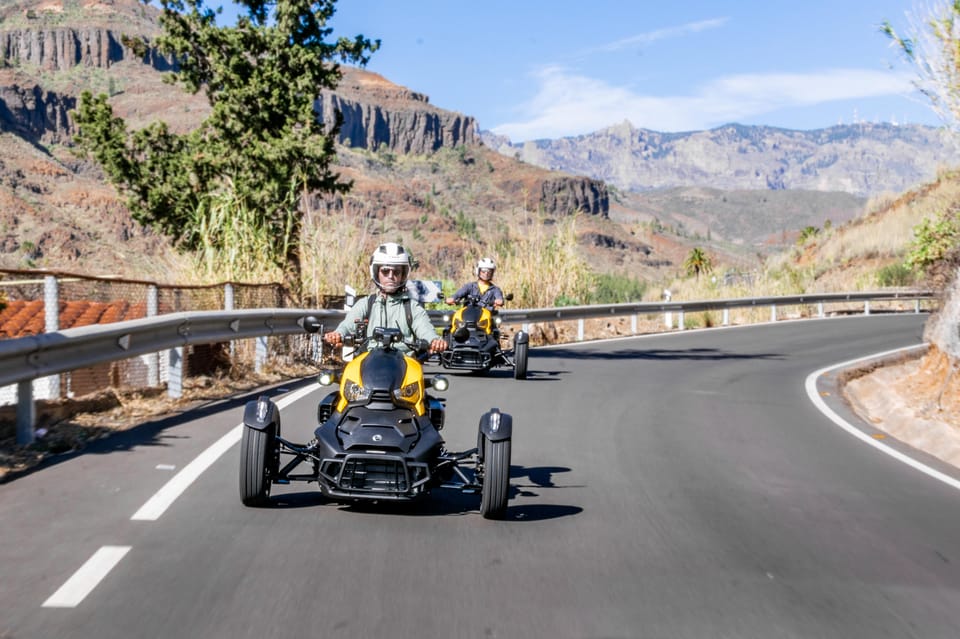
Before anyone heads out, you get a brief induction and paperwork at the office/garage, plus an explanation of how to handle the Can-Am Rykers. This is not a long training course, but it’s enough to get you past the first awkward moments.
This is where Adrian earns serious credit. The common thread in the best experiences is how patient and practical the instruction feels—especially for people who have never driven a motorcycle or similar vehicle before. You get shown what to do and then you get to do it, with help close by.
Two things that make this tour work for first-timers:
- Short, clear teaching before the road: you’re learning basics in a controlled moment rather than guessing while riding.
- A group pace that can flex: the ride feels safe because you’re not forced to sprint just to keep up.
Also, you’ll be on a road-legal machine, not an off-road “thrill zone.” That means you can focus on technique (smooth acceleration, controlled turns, scanning ahead) rather than worrying about your tires. The curvy roads are part of the fun, but they’re also what makes the views feel earned.
If you want to feel ready, wear comfortable shoes with grip and keep your clothes breathable. On a warm day in Gran Canaria, being comfortable makes the ride smoother—less fidgeting, fewer distractions.
The route rhythm: riding segments, then village time
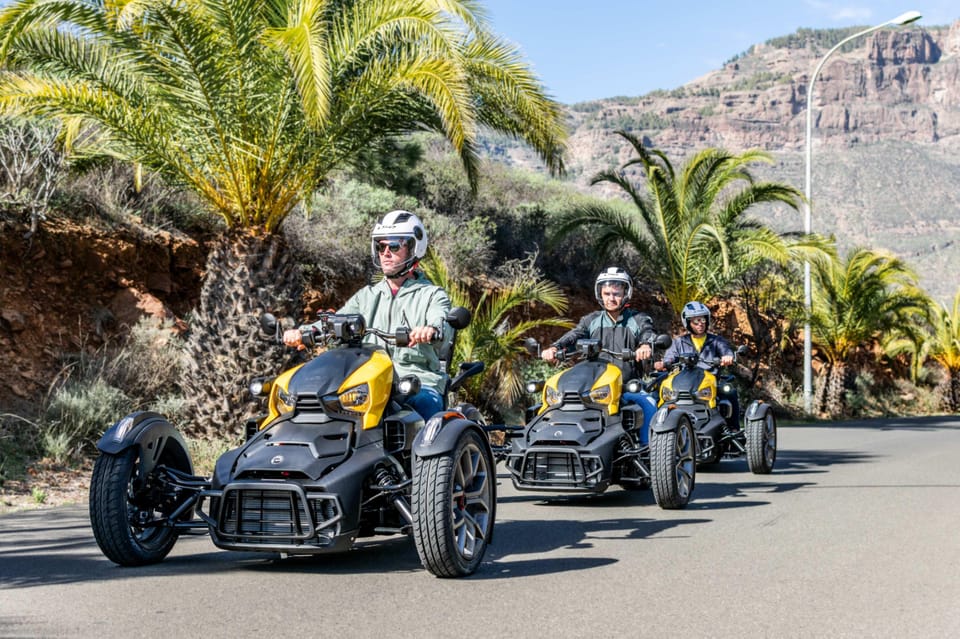
Your tour starts in Maspalomas, with an option that also uses Playa del Inglés. If you choose the Playa del Inglés option, you’ll have short guided time there before the ride portion. Either way, the structure stays similar: briefing, then the scenic mountain drive, then breaks.
The ride itself is the main event. You’ll feel the altitude change as you move inland, and the curvy roads make it fun in a way straight roads never do. This isn’t a speed tour; it’s a “hands-on the wheel” tour. You’re out there, not behind a window.
Then the tour shifts into stop-and-feel mode:
- Fataga is next, where you can slow down and take in the village.
- On the way back, you get a viewpoint at Mirador Astronómico de la Degollada de las Yeguas.
- There’s also the Aloe Vera plantation stop built into the plan.
One neat aspect of this format is that it gives you both kinds of travel satisfaction. You get the thrill of driving, plus the emotional reset of stepping into a small town.
Fataga village stop: where the tour turns local
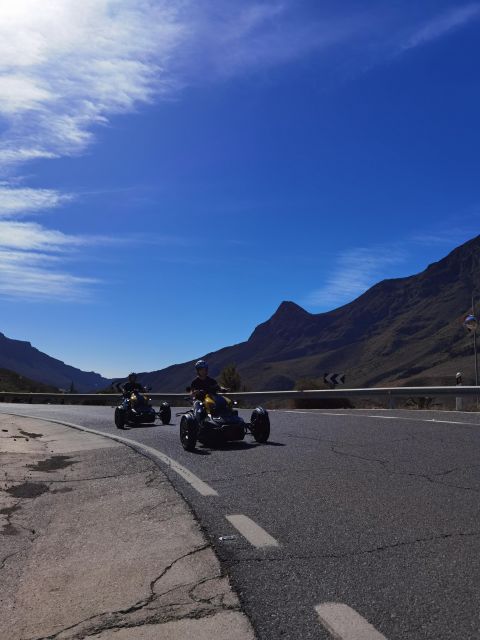
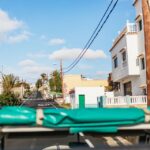
Fataga is the pause that gives this tour personality. Instead of seeing a town at 30 km/h from a parking lot, you get time to walk around and look at the place properly.
In the plan, the Fataga guided time is about 40 minutes. That’s long enough to wander past pretty houses, browse, and decide whether you want a drink or snack before you head back on the Ryker.
What I like about this kind of stop is the mix of rhythm and freedom:
- You’re guided enough to know what to see.
- You still get time to move at your own pace, which is where the best little details pop up.
If you’re thinking about buying gifts, this is where it makes sense. A quiet village shop moment is the opposite of a tourist-market rush, and the time window is just right—you’re not stuck there so long that you’re ready to escape, but you’re not rushed through either.
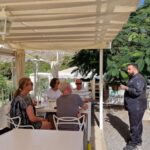
Practical tip: bring cash/card for small purchases and a drink if you want one. Food and drinks aren’t included, so plan to grab something during breaks rather than expecting the tour to feed you.
Aloe Vera plantation stop: why it fits on a mountain ride
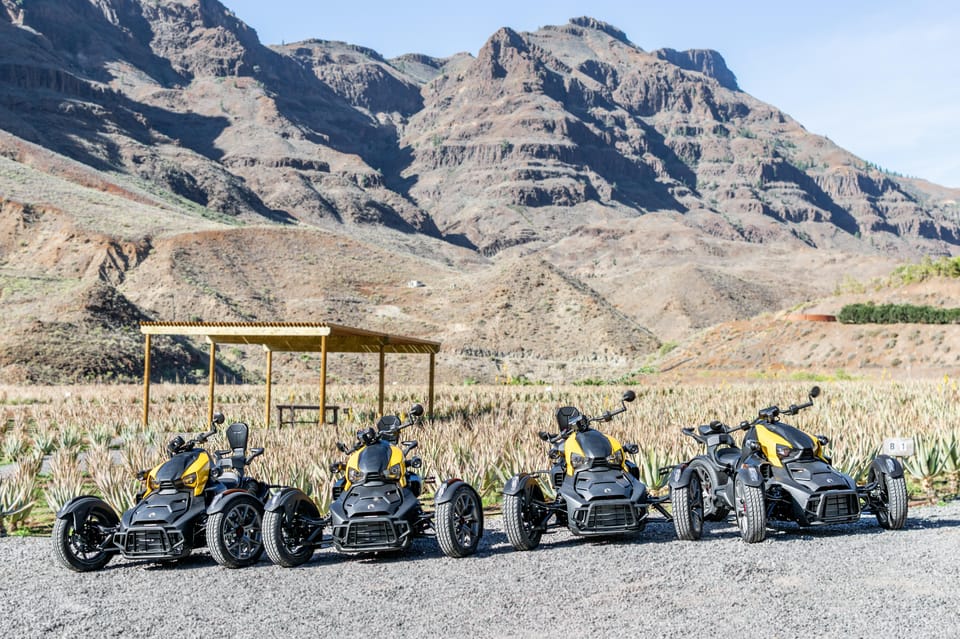
This tour includes a visit to an Aloe Vera plantation. Even if you’re not shopping for skincare, the stop adds a real-world connection to something Canary Islands-based and practical.
Why it works on this itinerary: it changes the setting without requiring extra time. You’re already inland, already out of the beach zone. So the plantation feels like a natural topic switch—part nature, part local product, part “we’re actually on the island.”
Some people report the Aloe Vera stop didn’t work out within their specific timing, but it’s part of the intended route. If it’s important to you, ask on the day whether the plantation visit will be included for your group and starting option, then treat it like a bonus if it happens smoothly.

The Mirador Astronómico viewpoint: your big finale over Maspalomas
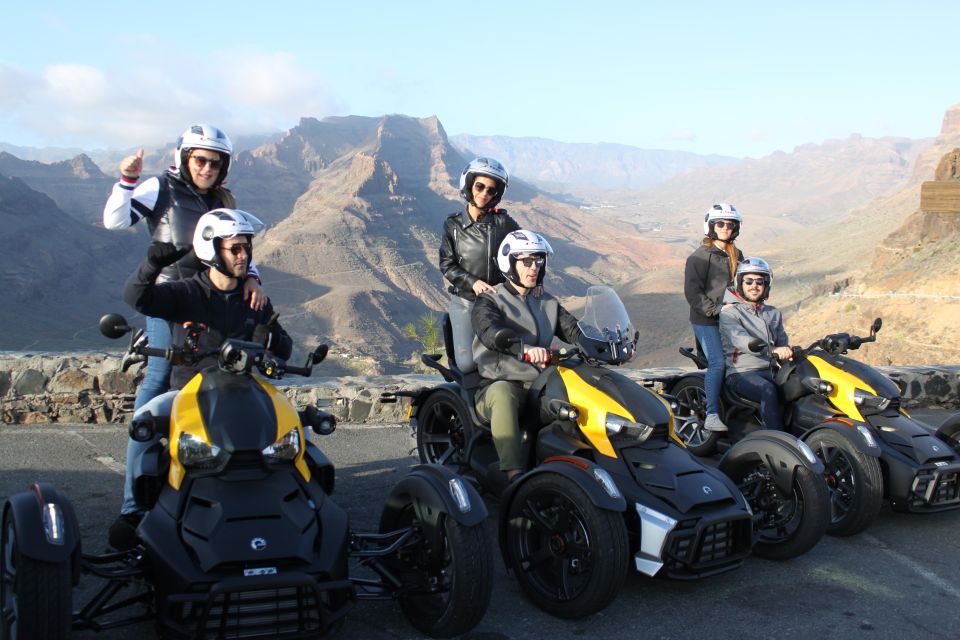
The return drive includes the panoramic Mirador Astronómico de la Degollada de las Yeguas. A mirador stop is the kind of thing you can’t replace with another photo on your phone later, because you’re getting height, scale, and depth all at once.
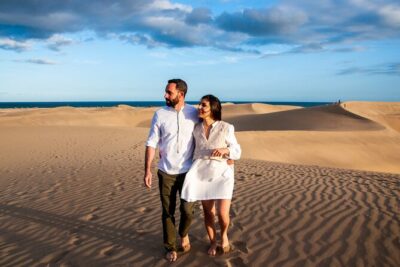
This particular lookout is described as covering nearly all of Maspalomas, including the iconic sand dunes. That combination is exactly why it’s a good finale: you end your ride with a “show me the whole thing” moment, where the coast and inland relationship becomes obvious.
Here’s what makes these miradors worth your time:
- You get a natural pause built into the route.
- The views help you understand the island’s shape, not just its pretty angles.
- You’re at a spot where pictures actually make sense because the distance is large.
The guides also take care of photo moments. If you want clean shots with you and the Ryker, you’ll likely get help positioning and timing the angle so you don’t just get a blurry streak-and-smile photo.
Price and value: is $88 per person worth it?
At about $88 per person for a 2.5–3 hour guided experience, the value depends on what you’re comparing it to.
If you’re deciding between a standard sightseeing tour and something more hands-on, this is often a strong option because:
- You get a Can-Am Ryker rental (not just a seat on a bus).
- Fuel and helmet are included, so you’re not adding basics later.
- You get guided driving plus structured stops.
The cost also buys you time efficiency. You’re seeing multiple parts of the island core area—Maspalomas, Fataga, Aloe Vera, and a major viewpoint—without needing separate transport bookings.
The one caveat is the license requirement. You must bring your driver’s license and be eligible to drive (drivers under 21 aren’t suitable). If you’re traveling without a driver who can legally ride, the per-person value may shift quickly, because the tour description notes that when two adults book, you can share one motorcycle, and an extra vehicle may be available in the shop.
If you’re a couple where one person drives and the other rides as a passenger, the value often feels even better because you avoid paying for two separate vehicles.
Small group energy: how the day stays personal
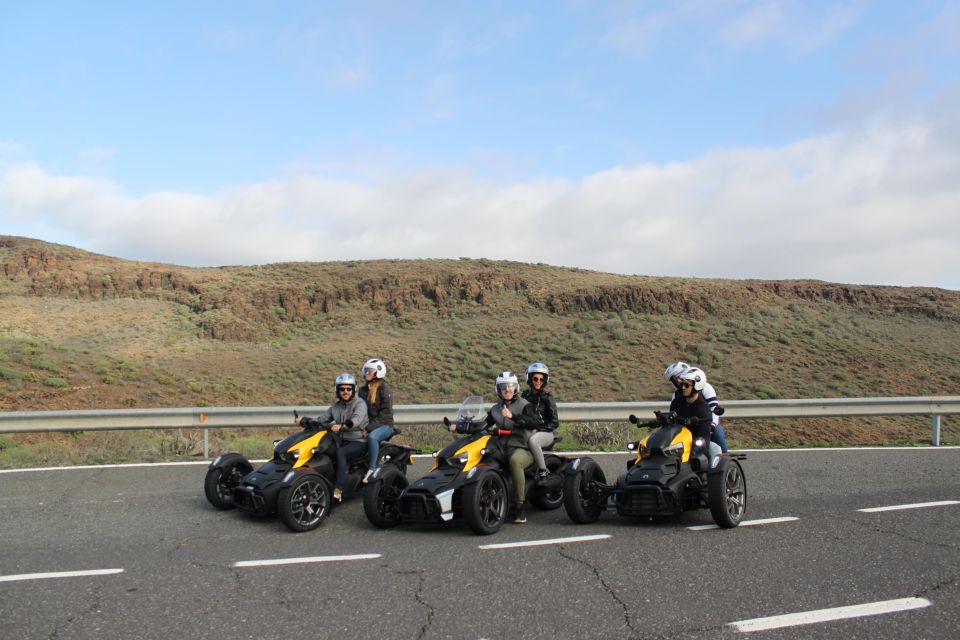
This tour is limited to 10 participants. That size matters because it’s easier to manage safe spacing, easier for the guide to answer questions, and easier to regroup at stops.
What you’ll notice during the ride is that the group experience doesn’t feel like a conveyor belt. The best run of the day comes when the guide can watch your control—turning smooth, staying steady—and then help the group move as one without pressuring anyone.
If you’re nervous about motor vehicles, small group size usually helps more than you expect. You’re not trying to keep up with a larger pack, and you can signal if you want a slower pace or extra reassurance.
What to bring (and what not to bring) for a smooth ride
Plan like you’re going out for a short adventure, not just a walking tour.
Bring:
- Passport or ID card
- Driver’s license (car license needed to participate as a driver)
- Comfortable shoes and clothes
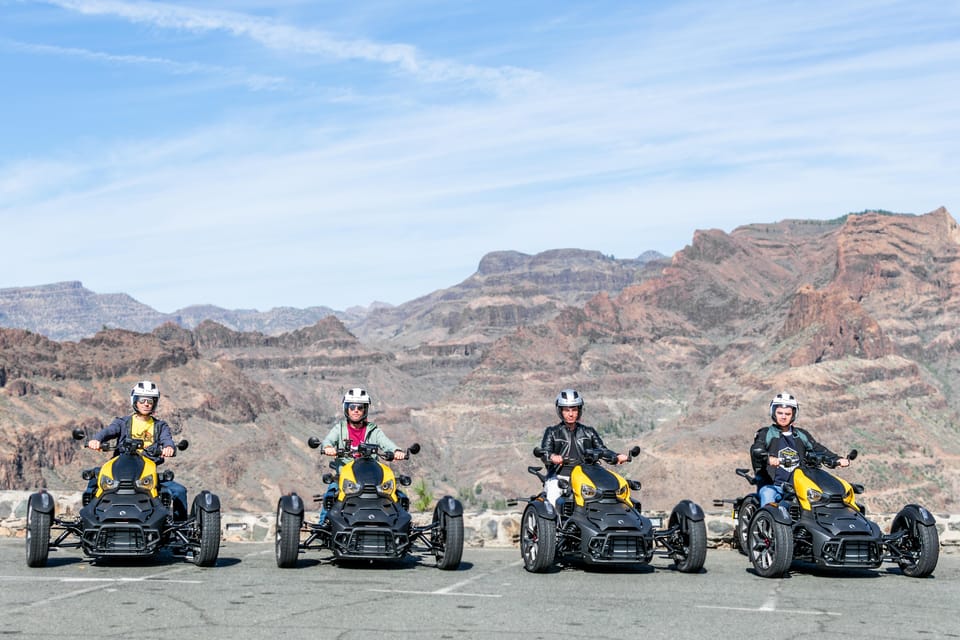
Helmet is included, and that’s a big convenience win. You also don’t need to worry about fuel logistics since it’s included.
Not allowed includes:
- Weapons or sharp objects
- Smoking or vaping in the vehicle
- Alcohol and drugs
- Headphones
- Selfie sticks
This is worth taking seriously. Headphones and distractions reduce your ability to follow directions, and that matters when roads ask for full attention.
Weight limit is listed as 287 lbs (130 kg). If you’re near the limit, check the day-of guidance with the operator before you book.
Who this tour is best for (and who should skip it)
This is best for you if:
- You want to drive something fun but approachable, like a trike-style road vehicle
- You like scenery with winding roads and viewpoints, not just city stops
- You want a short day with a mix of riding and walking
- You’re traveling as a couple or friend pair and want one shared vehicle setup when possible
It’s less ideal if:
- You’re bringing children (not suitable for under 12)
- You don’t have a driver over 21 who can bring a valid car license
- You want a food-focused day (food and drinks aren’t included)
- You’re expecting off-road trails. This is about road driving on mountain routes.
Should you book the Ryker Moto Tour to Fataga?
If you’re choosing between another island tour where you sit back and hope you get good photos, I’d say book this one—because the driving is the point.
The real reason to book is the combination of approachable instruction plus high-quality views. Having Adrian as the guide changes the experience from uncertain to confident for a lot of people, especially first-timers. You also get a thoughtful mix: Fataga for the human scale, an Aloe Vera stop for local flavor, and a panoramic mirador that ties the whole day together.
Book this tour if you meet the basic requirements (license, age, comfort with curvy roads). Skip it if you want a laid-back walking day only, or if you’d struggle with the idea of driving a road vehicle even after an induction.
If you do book, go in with a simple mindset: take the first few minutes slowly, listen closely, and let the island reveal itself one turn at a time.
FAQ
Do I need a car license to drive the Ryker?
Yes. A driver’s car license is required to participate as a driver.
How long is the tour from Maspalomas to Fataga?
The duration is about 2.5 to 3 hours.
What’s included in the price?
Included are the Can-Am Ryker rental, helmet, fuel, and insurance coverage in case of an accident (motorcycle damage is not included if you are responsible for the accident).
Is food and drinks included?
No. Food and drinks are not included, so you’ll want to budget for a snack or drink during stops.
Where do you meet?
The meeting point can vary based on which starting option you book, including options around Maspalomas and Playa del Inglés.
Can two adults share one motorcycle?
The tour notes that when booking for 2 adults, you may share 1 motorcycle. You can purchase an extra vehicle in the shop if needed.
What languages are the guide?
The tour guide speaks Spanish and English.