REVIEW · GRAN CANARIA
Full-Day Tour Exploring History, Nature and Aloe Vera Farm
Book on Viator →Operated by VIMOTIONS · Bookable on Viator
Big views, fast stops, and real local places. This full-day Gran Canaria loop strings together Guayadeque caves, old-town Agüimes, volcanic wonder Roque Nublo, and an included aloe vera farm visit, all with a guide and south-of-island pickup.
I love the way the day mixes history you can see (like cave dwellings) with big nature moments tied to island identity. I also like that guides can handle multiple languages; I’ve heard names like Tom and Miguel credited for keeping the commentary moving.
One thing to weigh: it’s a long day with lots of coach time, and the aloe stop may feel more commercial than you expect if you’re after only hands-on farming.
In This Review
- Key highlights at a glance
- A full-day Gran Canaria loop that actually gives you a map of the island
- Pickup, timing, and the reality of coach travel
- Agüimes old town and Guayadeque Valley caves
- Casco Historico de Agüimes
- Guayadeque Valley Natural Monument and cave dwellings
- Arucas and Teror: rum, bananas, and Basilica of Nuestra Sra del Pino
- Arucas (plus rum and bananas)
- Teror and the Basilica of Nuestra Sra del Pino
- Valleseco’s protected greenery and the punch of Roque Nublo
- Valleseco: 80% protected nature area
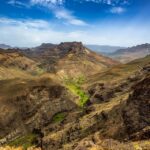
- Roque Nublo: volcanic crag and ancient significance
- Fataga area and the aloe vera farm visit: learning, with a heads-up
- What the farm visit includes
- A balanced expectation
- Lunch time: not included, but you’ll want a plan
- Group size, guide style, and why names matter
- Price and value: what your money is really buying
- Who should book this tour (and who should skip it)
- Should you book this full-day Gran Canaria tour?
- FAQ
- What time does the tour start, and how long is it?
- Is pickup and drop-off included in the price?
- Where does pickup operate?
- Is lunch included?
- Are admissions included for the stops?
- How long are the stops on the schedule?
- Is the group size limited?
- Does the tour provide a guide and insurance?
- What happens if bad weather cancels the tour?
- Can I cancel for a full refund?
Key highlights at a glance
- Guayadeque Valley cave dwellings in a Natural Monument setting
- Roque Nublo: a volcanic crag linked to aboriginal worship
- North and centre overview in one day, ideal for first-timers
- Hotel pickup from southern Gran Canaria and drop-off included
- Aloe vera farm visit is included and focused on uses and properties
- Time for quick town walks like Teror and Valleseco, plus mountain viewpoints
A full-day Gran Canaria loop that actually gives you a map of the island
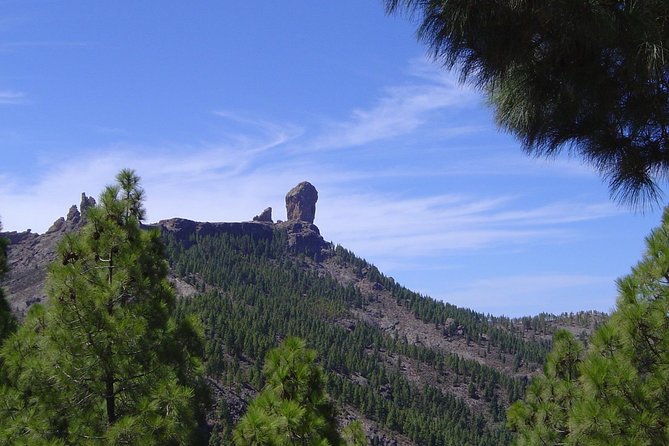
If you’re trying to get your bearings fast, this tour has a strong advantage: it doesn’t pick just one theme. You get a chain of places that represent different sides of Gran Canaria—old aboriginal heritage at Guayadeque, classic town life at Agüimes and Teror, protected natural areas around Valleseco, then the island’s iconic rock at Roque Nublo.
It also works well because you’re not doing it solo. A guide keeps the story thread going, so the scenery isn’t just scenery. Even the “small” stops start to feel like part of one bigger picture: how people lived, what the land protects, and what the island reveres.
You can also read our reviews of more historical tours in Gran Canaria
Pickup, timing, and the reality of coach travel
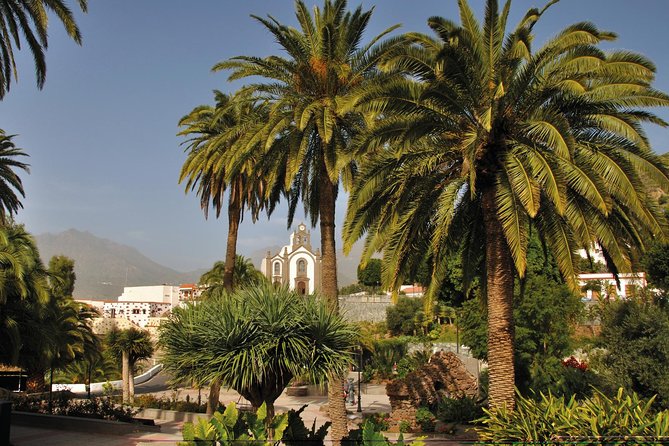
This is built as a day trip, starting at 9:00am, with pickup aimed at hotels in the south of Gran Canaria (typically between 09:00 and 10:30). Transfer to your pickup point can also be an option if your hotel isn’t directly on the route.
Duration is listed at about 7 hours, but don’t be surprised if your real day stretches a bit. Several people describe a long, packed experience where a big chunk of your time is spent in the vehicle. That doesn’t make it bad—it’s just the trade-off for covering Agüimes, Arucas, Teror, Valleseco, Roque Nublo, and the aloe farm in one go.
A practical tip: if you’re prone to motion sickness or you want maximum photo time, sit where the views will face you (and plan for winding mountain roads). Also, wear shoes you can walk in quickly—some stops are short, so you’ll want to be ready to move the second the doors open.
Agüimes old town and Guayadeque Valley caves
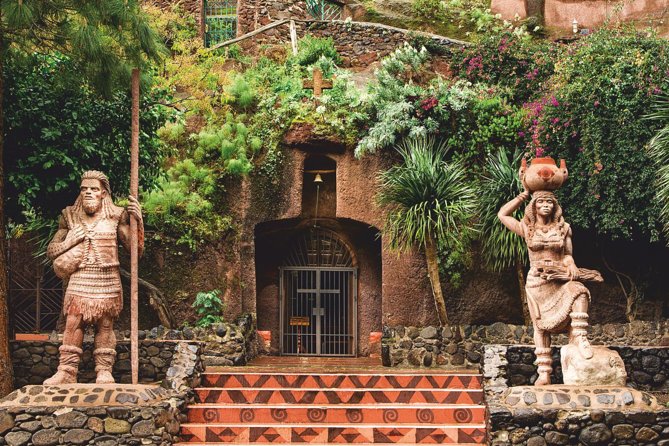
This is the start that sets the tone.
Casco Historico de Agüimes
Agüimes’ historic centre is known for its roots as an ancient aboriginal settlement. Even if you only get about an hour, you’re dropped into a place that feels older than the usual tourist strips. It’s a good warm-up if you like wandering narrow streets and picking up the local rhythm before the tour heads into the mountains.
Guayadeque Valley Natural Monument and cave dwellings
Then comes the star nature-and-history stop: Guayadeque Valley, declared a Natural Monument in 2000. The key detail is the cave dwellings—settled by the first pre-Hispanic inhabitants, and still in use today.
What makes this stop worth your time: it’s not just a viewpoint. You see how people actually shaped their living spaces into the landscape. You’ll likely walk at an easy pace (the tour time is around 1 hour here), so it’s a “heritage experience” more than a strenuous hike. Still, you’ll want comfortable footwear and an eye out for cave entrances, stonework, and the valley’s dramatic cuts.
You can also read our reviews of more tours and experiences in Gran Canaria
Arucas and Teror: rum, bananas, and Basilica of Nuestra Sra del Pino
After the cave start, the tour pivots to classic towns with their own identity.
Arucas (plus rum and bananas)
You’ll spend about one hour in Arucas. This town is famous for local rum and banana cultivation—so even if you don’t go deep into production, the visit gives you context for what grows well here and what people turn into a local craft.
In practice, this is the stop for photos, a quick stroll, and picking up that Canarian “everyday life” feeling before you head higher.
Teror and the Basilica of Nuestra Sra del Pino
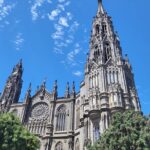
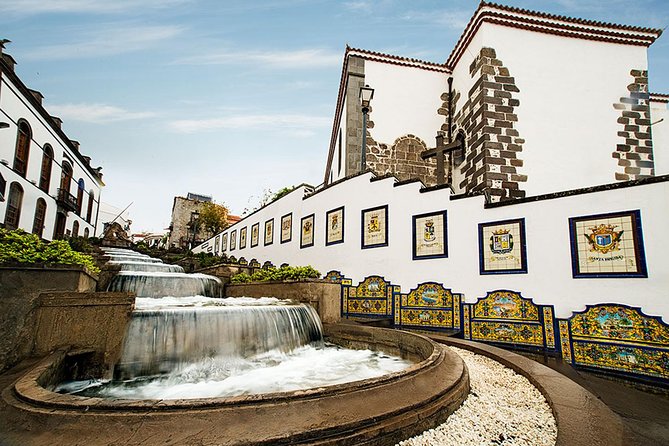
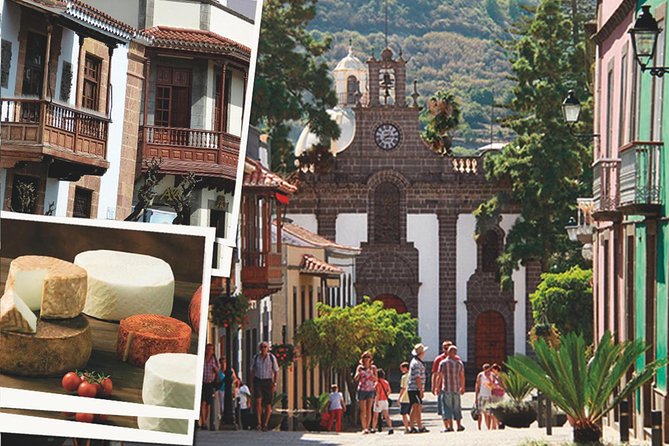
Then you’re in Teror for about one hour. Teror is home to the Basilica of Nuestra Sra, Del Pino, a major religious landmark for the Canary Islands deanery, plus stately homes and palaces in a Canarian style.
If you like architecture more than museums, Teror is a nice change of pace. You don’t need hours to notice the visual character—just enough time to walk, absorb the church-front energy, and wander along the town’s rhythm.
Valleseco’s protected greenery and the punch of Roque Nublo
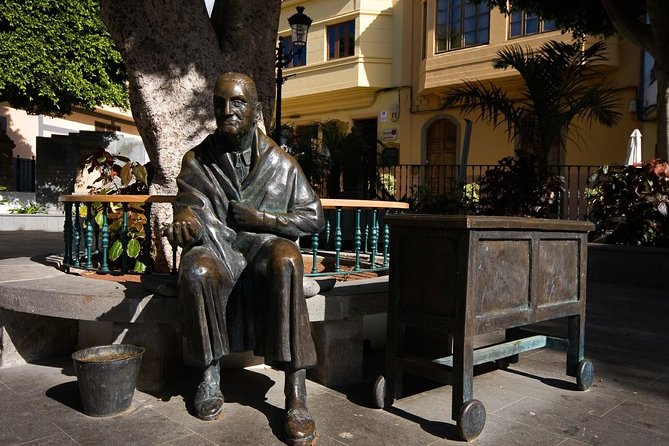
This is where the day shifts into “Gran Canaria looks like Gran Canaria.”
Valleseco: 80% protected nature area
Valleseco gets around 2 hours, which is the longest stretch of real time at a stop besides the early and late segments. The area is described as overflowing with vegetation, and about 80% of its territory is a Protected Natural Area.
What that means for you: you’re not just passing through. You should get enough time to walk through streets, pause for views, and have your lunch option at your own pace (lunch isn’t included in the tour price).
This stop is also a good buffer if you end up feeling rushed earlier. Two hours gives you a breather—use it.
Roque Nublo: volcanic crag and ancient significance
Roque Nublo is next, with about 1 hour on site. This volcanic rock is considered one of the largest natural crags in the world, rising roughly 80 metres above its base.
The most memorable detail is its meaning to islanders: it’s described as an ancient place of worship for the aborigines, and the surrounding area was protected as a natural area (1987) and then a rural park (seven years later).
Even if your time is short, Roque Nublo delivers. It’s dramatic, and the story makes it more than a photo spot. You’re standing in a place tied to belief and landscape—so you’ll probably feel the scale more than you expect.
Fataga area and the aloe vera farm visit: learning, with a heads-up
Fataga is known as the Valley of the Thousand Palm Trees—though on this tour you’re not lingering in the village itself. Instead, this segment focuses on the aloe vera farm visit (about 1 hour).
What the farm visit includes
On the property, you’ll learn about aloe vera’s uses and properties. The “miracle plant” idea comes up often on the Canaries, and this stop is designed to give you a structured explanation of why aloe matters here and how it’s marketed and processed.
A balanced expectation
Here’s the honest heads-up: the aloe stop can feel like more than a pure nature lesson. Some people describe it as being packaged like an infomercial or heavily retail-driven. That doesn’t mean the plant info is useless—it just means you should go in expecting a farm visit that may also nudge you toward purchasing.
If you’re the type who loves learning hands-on and you’re curious about aloe products, you’ll likely enjoy this. If you came for scenery only, treat it as a quick, informative stop rather than a full-on agricultural experience.
Lunch time: not included, but you’ll want a plan
Lunch isn’t included, and that matters because Valleseco is one of the key meal windows (with about 2 hours there). You’ll have free time to walk and then handle lunch on your own.
In practice, you may be taken to a restaurant option for a set-menu meal. One person mentioned a 3-course menu with a drink around €12–€13, but your exact choice and price can vary.
My advice: decide before you go what you’ll do for lunch. If you’re flexible, pick the easiest option and accept that you’ll likely eat at a busy venue. If you prefer control, bring snacks and plan to top up during the longer stop.
Also bring water. Mountain roads and long coach stretches add up.
Group size, guide style, and why names matter
This tour caps at a maximum of 40 travellers, and it’s accompanied by a local guide all day, with insurance included. That part is a big value marker: you’re not just getting transport—you’re getting interpretation.
In the wild, people have credited guides like Tom, Miguel, Simone, Maribel, and Angel for keeping things informative and organized. Some guides handle more than one language, but pacing can vary depending on how the day moves and how groups come together.
So if you care about deep storytelling, you’ll want to be okay with “high-level but guided.” It’s not a slow walk through one museum. It’s an island overview, and that comes with quick transitions.
Price and value: what your money is really buying
The price is listed at $59.61 per person, and that doesn’t look outrageous for what’s included—especially for a day that covers multiple regions.
Here’s what you’re paying for:
- Guide throughout
- Transfer with south-of-island pickup and drop-off
- Aloe vera farm visit included
- Insurance included
- Stop admissions are listed as free for the town and nature segments
Lunch is the main extra cost. If you can eat cheaply or pack snacks, the overall budget stays manageable.
Is it a bargain? It’s fair value if you want a fast, guided sampler of Gran Canaria’s north and centre. If you hate time pressure or you mainly want one long hike, you might feel the day is too “see-and-go.”
Who should book this tour (and who should skip it)
Book it if:
- You’re visiting for the first time and want a one-day orientation.
- You want history that you can point at (like cave dwellings) and a major viewpoint (Roque Nublo).
- You’d rather ride comfortably with a driver than stress about mountain roads yourself.
- You like meeting other small groups and hearing the island explained as you go.
Consider skipping (or tempering expectations) if:
- You hate coach-heavy days and prefer fewer stops with longer free time.
- You’re strongly against shopping-style stops, because the aloe segment may not feel purely educational.
- You want detailed, slow storytelling at every location—this schedule is built for coverage, not deep study.
Should you book this full-day Gran Canaria tour?
I think it’s a solid choice if your goal is to see a lot and understand what you’re looking at. You’ll leave with clear anchors: the Agüimes historic feel, the living cave heritage at Guayadeque, protected nature around Valleseco, the power of Roque Nublo, and an aloe vera stop that explains the plant’s role in the Canaries.
If you do book, come ready for a long day and pack flexibility for lunch and timing. Bring comfy shoes, sun protection, and a mindset of “quick walks, big views.” Do that, and this tour is a practical way to get your Gran Canaria map—without renting a car.
FAQ
What time does the tour start, and how long is it?
The tour starts at 9:00am. It runs for approximately 7 hours, though the total day can feel longer once pickup and travel time are included.
Is pickup and drop-off included in the price?
Yes. Transfer is included, including pickup and drop-off in southern Gran Canaria.
Where does pickup operate?
Pickup is offered only from hotels in the south of Gran Canaria. Pickup happens approximately between 09:00 and 10:30, either at your hotel or at the nearest pick-up point to your hotel.
Is lunch included?
No. Lunch is not included in the activity price, so you’ll need to plan for your meal during the free time.
Are admissions included for the stops?
Admission tickets are listed as free for the stops mentioned in the schedule, and the aloe vera farm visit is included as part of the tour.
How long are the stops on the schedule?
The schedule includes about 1 hour at Casco Historico de Aguimes, 1 hour at Arucas, 1 hour at Teror, 2 hours at Valleseco, 1 hour at Roque Nublo, and 1 hour at the aloe vera farm stop.
Is the group size limited?
Yes. The tour has a maximum of 40 travelers.
Does the tour provide a guide and insurance?
Yes. The tour includes a guide and insurance.
What happens if bad weather cancels the tour?
The experience requires good weather. If it’s canceled due to poor weather, you’ll be offered a different date or a full refund.
Can I cancel for a full refund?
You can cancel up to 24 hours in advance for a full refund. If you cancel less than 24 hours before the start time, the amount paid is not refunded.