REVIEW · GRAN CANARIA
Gran Canaria: Discover Scuba Diving Beginner Program
Book on GetYourGuide →Operated by Delphinus Diving School Gran Canaria · Bookable on GetYourGuide
Half-day scuba, minus the nerves. I like how this beginner program starts in Mogan with calm, shallow-water practice, then steps you into an Atlantic open-water swim to see real sea life. My other favorite part is the hands-on equipment coaching in a controlled setting, so you learn what to do before you’re out on your own. The main drawback to keep in mind is that conditions can be hit-or-miss, and if the water is murky you may see less than you hoped.
You’ll also appreciate the small-group setup (limited to 2 participants) and the fact that equipment plus scuba insurance are included in the price. For $117 for a 4-hour experience, it can feel like good value, especially because you’re not just paying for time in the water—you’re paying for instruction, safety checks, and a guided progression. Just be ready for a day that moves at training pace, not free-roaming pace.
In This Review
- Key Things That Matter Before You Go
- Why This Beginner Program Feels Low-Stress
- From 09:30 Meeting to Mogan’s Calm Water
- Theory Lesson: The Stuff That Makes Underwater Feel Less Strange
- Shallow-Water Skills and Equipment Setup You’ll Remember
- The Atlantic Open-Water Swim: Sea Life Expectations (and Visibility Reality)
- Price and What You Actually Get for $117
- Transfers, Languages, and How the Day Runs
- Who Should Book This First-Scuba Option (and Who Should Skip It)
- Should You Book This Program in Gran Canaria?
Key Things That Matter Before You Go
- Small group of up to 2 means more time for questions and personal attention
- 09:30 meeting time at the instruction center keeps the schedule tight and predictable
- Theory + shallow-water practice before the Atlantic open-water swim helps confidence
- All equipment included so you can focus on learning instead of shopping
- Scuba insurance included gives you real peace of mind
- A participant’s guide + continuing-course discount make this a smart first step
Why This Beginner Program Feels Low-Stress
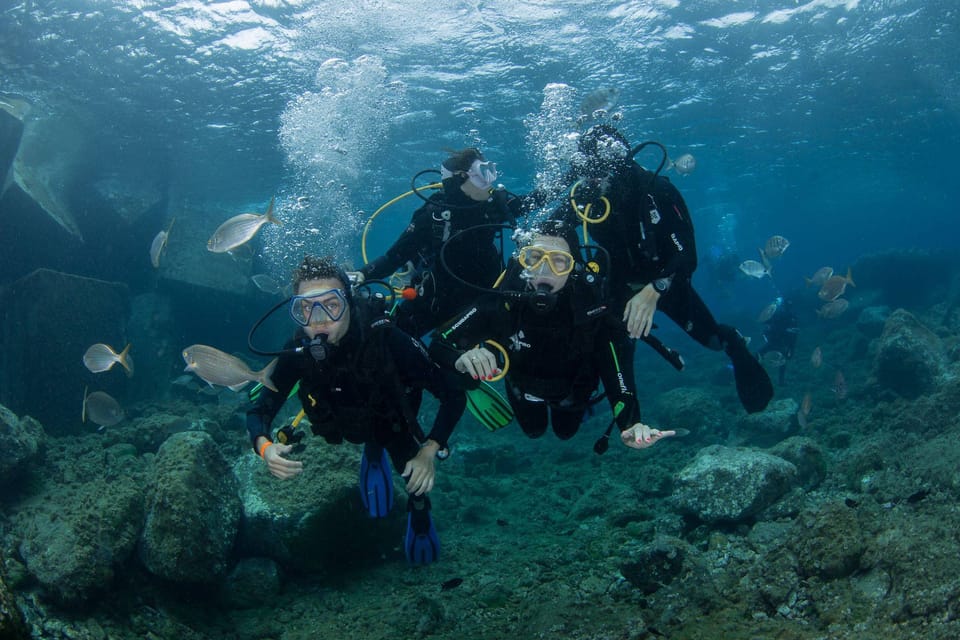
This is built for first-timers. The structure is simple: you get a theory lesson, you practice core skills in calm, shallow conditions, and only then do you go out for an open-water swim off the coast. That order matters because it reduces guesswork once you’re breathing underwater.
I also like that the team prioritizes comfort and safety. You’re not thrown in at the deep end; you’re coached through how the gear works and how your body should respond. For many people, that turns scuba from intimidating to genuinely fun.
One more thing: you’ll get a participant’s guide as a keepsake. It’s not just a souvenir. It can also help if you want to continue or upgrade later, which is a nice perk if you’re thinking about taking the next step.
You can also read our reviews of more scuba diving tours in Gran Canaria
From 09:30 Meeting to Mogan’s Calm Water
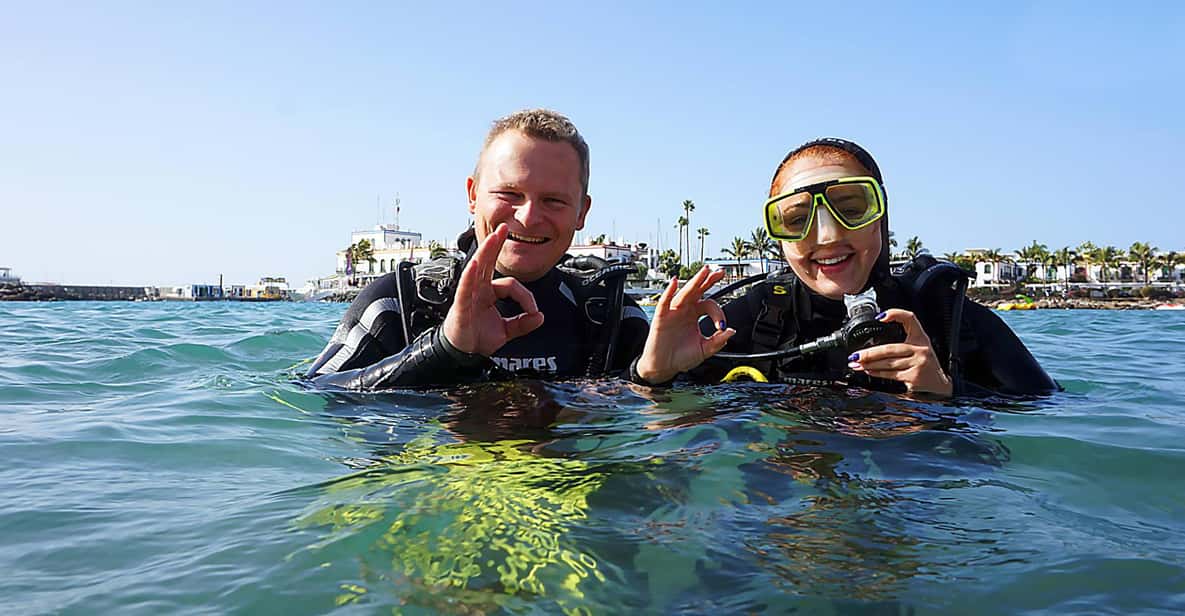
Your day starts at 09:30 AM at the instruction center. If you requested pickup, transfers happen by minivan or bus, and the exact timing depends on where your hotel or accommodation is located. That’s normal for island logistics, but I’d still plan to be ready a little earlier than you think you need.
The program runs about 4 hours, so you’re not spending half the day traveling around. That short window is a plus if you’re in Gran Canaria for beaches and warm weather and you don’t want scuba to swallow your plans.
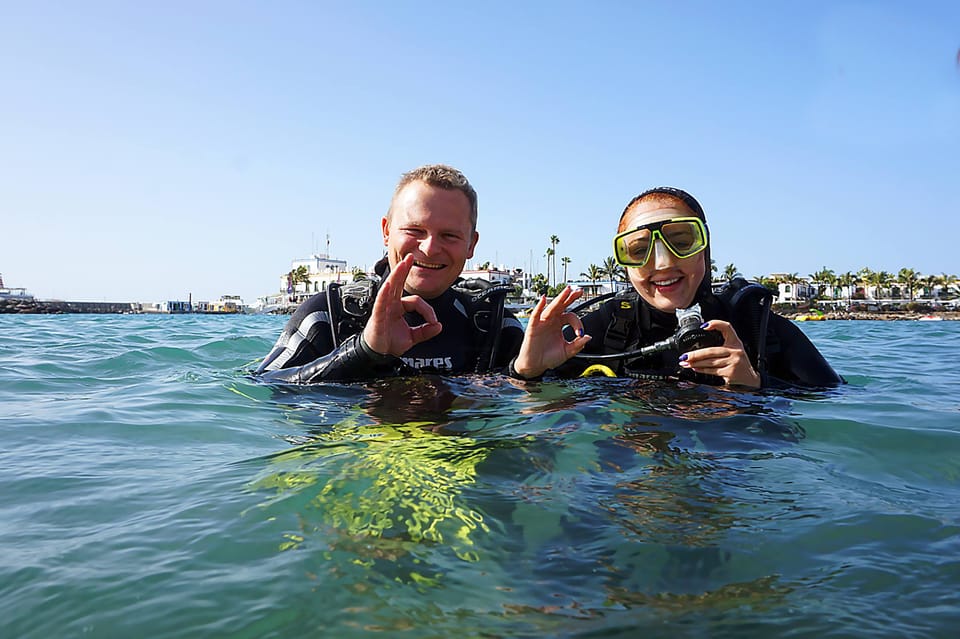
Once you reach the area near Mogan on the coast, the goal is to get you comfortable fast. This isn’t about exploring the ocean at first—it’s about learning how to handle your breathing, buoyancy basics, and the gear while staying in a controlled, shallow environment.
Theory Lesson: The Stuff That Makes Underwater Feel Less Strange
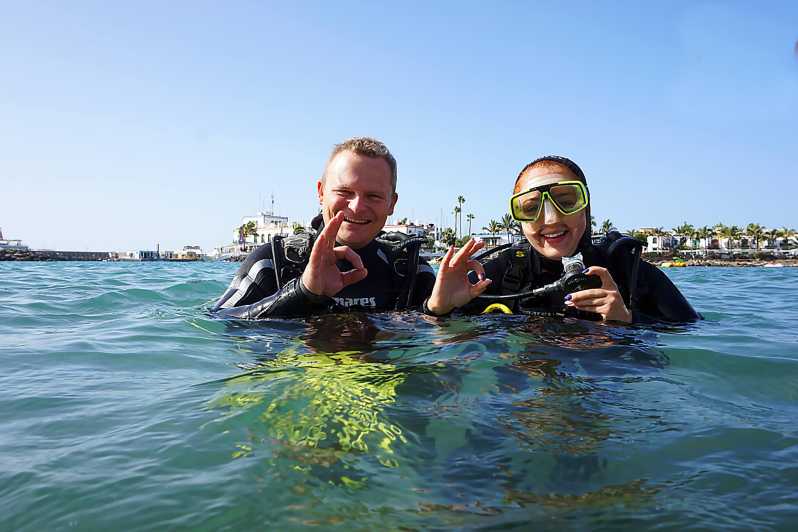
Before you get wet, you’ll receive a diving-theory session designed for beginners. The focus is on the basics you actually need to understand what’s happening underwater. That helps you avoid the common panic cycle: not knowing why something feels different, then feeling worse.
The teaching style is centered on safety and clarity. You’ll also learn how to use the equipment properly in a way that connects directly to what you’ll do once you’re in the water. When the theory matches the practice, you don’t have to rely on memory during the exciting part.
This is also where your instructor should be able to answer your practical questions. Not just what you should do, but why. That matters because scuba isn’t hard, but it is precise—and beginners benefit from that reassurance early.
Shallow-Water Skills and Equipment Setup You’ll Remember
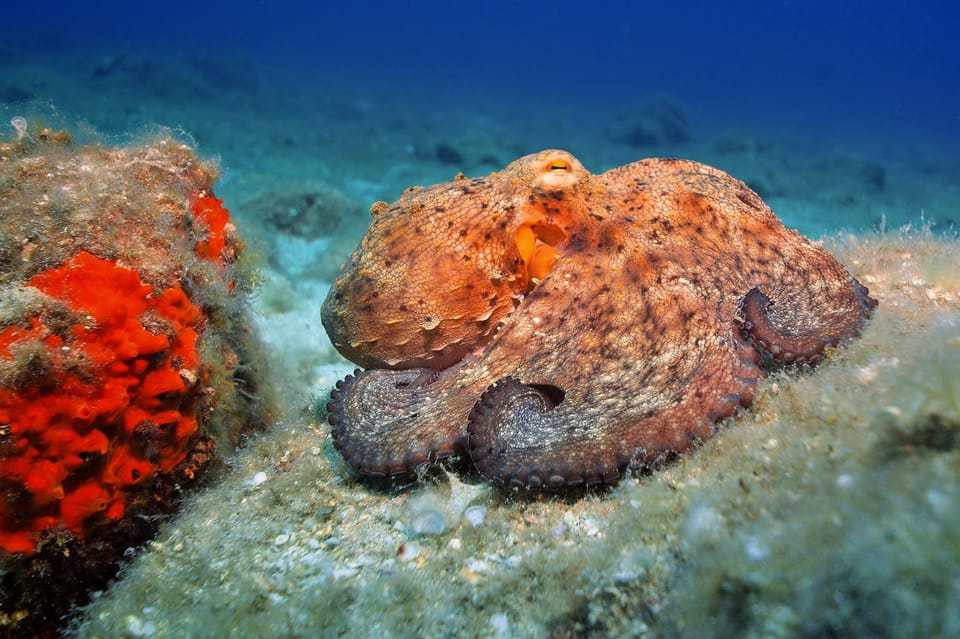
The shallow-water portion is the real foundation of this experience. You’ll practice core skills with professional instructors in a safe environment, then build comfort before you move toward open water.
You’ll also get guidance on how to use the scuba equipment. That includes getting comfortable with the gear before you’re dealing with ocean conditions. For a first-timer, that’s everything. It turns the experience from a checklist of scary moments into a system you can manage.
Two practical notes that can save you stress:
- You need swimwear and a towel. Pack them so you’re not scrambling at the last minute.
- There’s an option for an individual mouthpiece for €4. If hygiene or personal comfort matters to you, this is worth considering.
Time matters here too. One of the drawbacks you might encounter on a structured beginner program is that the training portion can feel longer than expected compared with the open-water window. That doesn’t mean the day is wasted. It means the company is doing its job—teaching you first, then letting you enjoy the ocean second.
The Atlantic Open-Water Swim: Sea Life Expectations (and Visibility Reality)
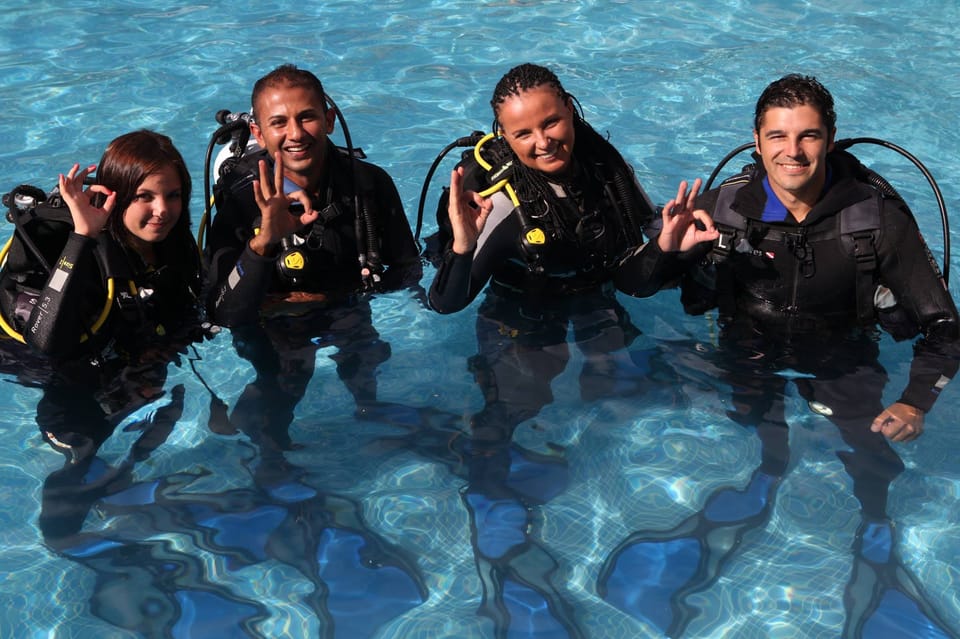
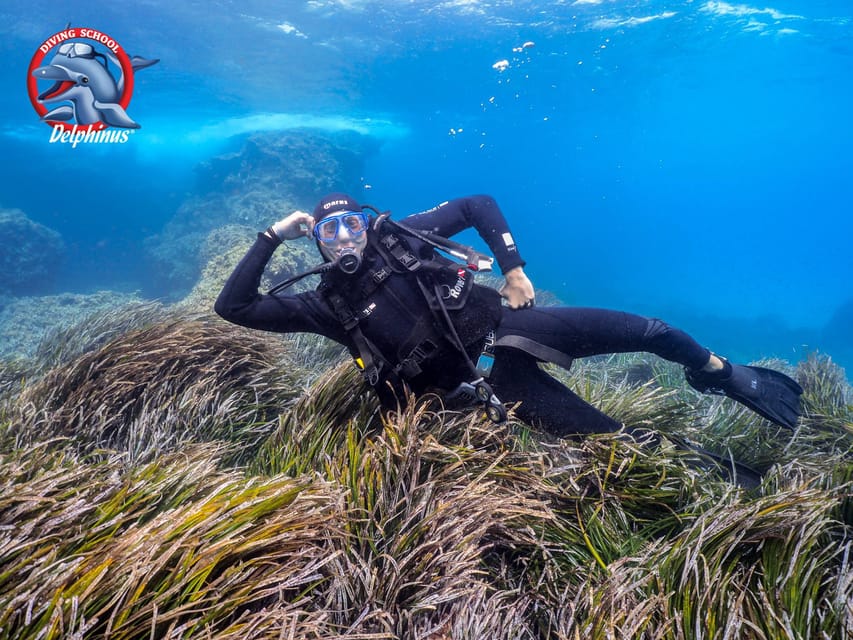
The highlight is the open-water swim off the coast in the Atlantic Ocean. This is where the day shifts from instruction mode to discovery mode. You’ll get to marvel at marine life while your instructors keep an eye on safety and comfort.
Here’s the reality check: visibility can vary. Some days you’ll feel like the ocean is putting on a show; other days you may find the water less clear, which limits what you can see. If you’re hoping for crystal-clear views, you’ll still have a great learning experience, but plan to be flexible with what you can observe.
Also, don’t expect to be fully free to roam in every direction. Beginner sessions are structured, and you’ll likely spend time near the coast while you demonstrate skills and stay within a safe learning zone. That structure is part of what makes the program approachable.
If you want the best shot at enjoyable sightseeing, bring a calm mindset. Focus on enjoying the fish, textures, and movement around you rather than hunting for a specific animal.




Price and What You Actually Get for $117
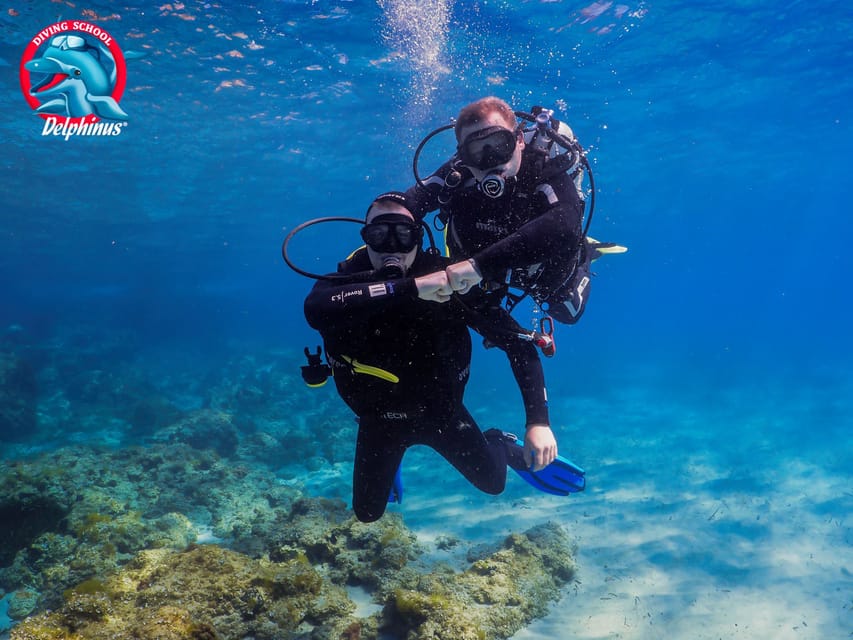
At $117 per person for about 4 hours, this is priced like a real instructional course, not just a water activity. And that’s because several important pieces are included:
- All scuba equipment
- Scuba insurance
- Hotel pickup and drop-off (available free upon request)
- Guiding and instruction by a qualified team member
- Discount on continuing education courses
If you’ve ever priced scuba elsewhere, you know equipment rentals and insurance can add up fast. Here, you’re getting those essentials baked in. You’re also buying time with professionals, which is what makes this beginner-friendly instead of chaotic.
What isn’t included:
- An individual mouthpiece for €4
- Underwater photography for €34
So, if you want personal hygiene comfort, plan for the €4 option. If photos matter, you’ll want to decide in advance whether you’ll want the paid underwater picture set.
Transfers, Languages, and How the Day Runs
Logistics on Gran Canaria can be a little different from point-to-point mainland travel. The transfer is done by minivan or bus, and the exact pickup time depends on your lodging or meeting point. I’d treat pickup time as a range and give yourself a small buffer, especially if you’re juggling other plans that day.
Language is another thing to plan around. Instruction is offered in English, German, Spanish, French, Polish, and Italian. If you strongly prefer one language, confirm when you book that your group will match your language needs. That’s not about drama—it’s about making sure you get the explanations quickly and comfortably.
Finally, because the group is limited to 2 participants, the pace can feel more personalized, but it can also mean the day stays structured. This is a program where you should expect guidance to be active, not passive. Your instructor is steering the experience for a reason.
Who Should Book This First-Scuba Option (and Who Should Skip It)
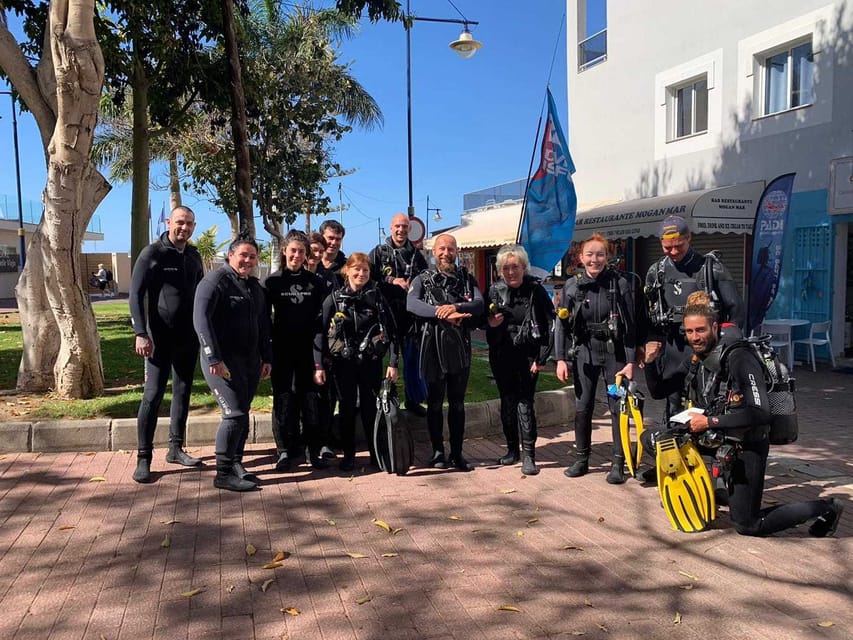
This program is a great fit if:
- You’re at least 10 years old
- You’re fit and healthy for a scuba activity
- You want a guided, step-by-step start in shallow water before open water
- You’re curious about continuing later (the participant guide and continuing-course discount help)
You also get the benefit of a controlled learning environment. If your goal is confidence, not just a photo moment, this format works.
Who should skip it:
- Pregnant women (not suitable)
- Anyone with medical concerns should check with a doctor before arrival and bring medical certification if needed
If you’re unsure, don’t guess. Ask your doctor and come prepared. Scuba is safe when your body is ready, and your experience depends on that.
Should You Book This Program in Gran Canaria?
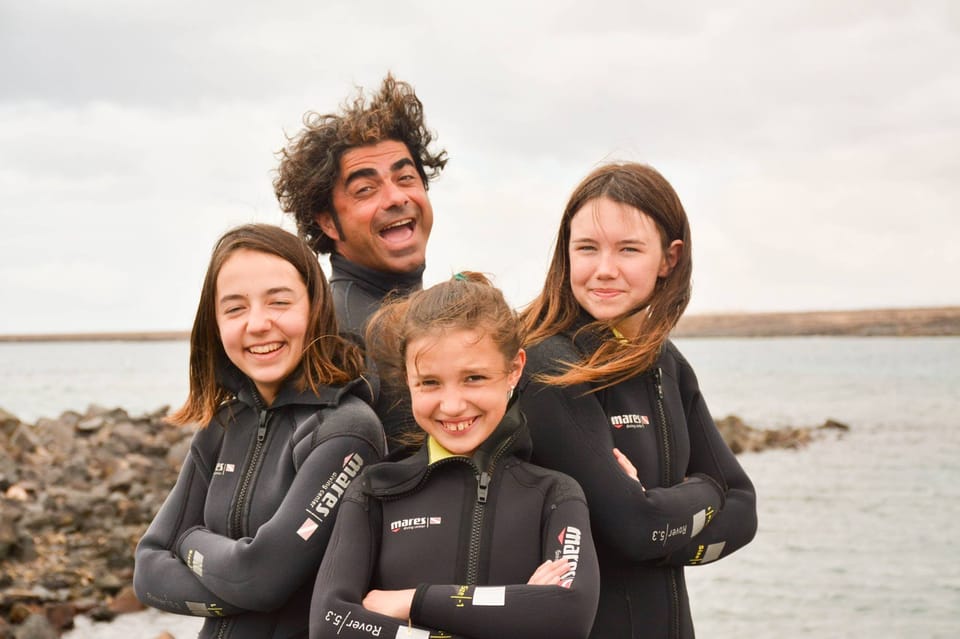
If you want a first scuba experience that prioritizes safety, clear coaching, and a real chance to see Atlantic sea life—this is a solid choice. The combination of small-group attention, equipment + insurance included, and a structured progression from shallow practice to open water makes it a practical way to try scuba without turning it into an all-day guessing game.
I’d particularly book if you value instruction over wandering. And if you’re sensitive to comfort, consider the optional €4 individual mouthpiece.
If you’re chasing maximum underwater visibility and maximum freedom to explore, adjust expectations. Conditions can vary, and beginner structure keeps you within a learning zone. But even with that in mind, the day is built to get you comfortable fast—and that’s exactly what most people need on their first attempt.