REVIEW · GRAN CANARIA
Beginners Scuba Diving Experience in Gran Canaria
Book on Viator →Operated by Blue Water Diving · Bookable on Viator
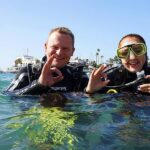
First-time scuba can feel weird. This 2-hour beginner session in Gran Canaria is interesting because you practice breathing and basic skills in calm shallow water, then you head out for a reef swim with a pro watching closely. I especially like the small group size (max 8) and that all equipment is included, so you don’t waste your trip on rentals and guesswork. The main consideration: there’s no hotel pickup, and if your schedule is tight (like cruise timing) you’ll want to plan how you’ll get to the meeting base.
You’ll check in at Blue Water in Las Palmas, handle paperwork, get your gear fitted, and go step-by-step. The instructors are known for patient coaching too, including helping people manage anxiety before going under. You’ll also need to take a health questionnaire, and if you’ve flown recently (within 12 hours) you’re told not to do the activity.
In This Review
- Key Things I’d Bet On
- Entering The Session: Where You Check In and What Starts the Day Right
- The Paperwork and Gear Fit: The Part That Determines Comfort
- Shallow Water Skills: Breathing Under Pressure Without the Chaos
- The Reef Swim: What Happens After You’re Comfortable
- Safety and Instructor Support: Why This Feels Manageable
- Price and Value: What You’re Really Paying For
- Timing, Group Size, and the One Thing to Watch For
- Who Should Book This Beginner Scuba Session
- Should You Book Blue Water’s Beginner Scuba Session?
- FAQ
- FAQ
- Where does the beginner scuba experience start?
- How long is the experience?
- What’s included in the price, and what should I bring?
- Do I need prior scuba experience?
- What is the minimum age?
- Are there any health or timing rules I should know?
- What if the weather is bad or I need to cancel?
Key Things I’d Bet On
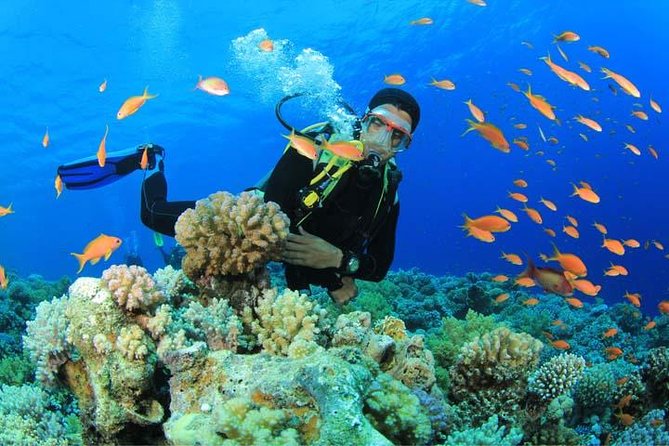
- Max 8 people means you get real attention, not just a quick wave from shore
- All gear included (you bring swimwear and whatever you need to change afterward)
- Shallow-water skills first so you build comfort before the reef swim
- In-water safety support with instructors keeping close by during the underwater time
- Full reef wildlife opportunity including lots of fish, plus occasional larger sightings like stingrays
Entering The Session: Where You Check In and What Starts the Day Right
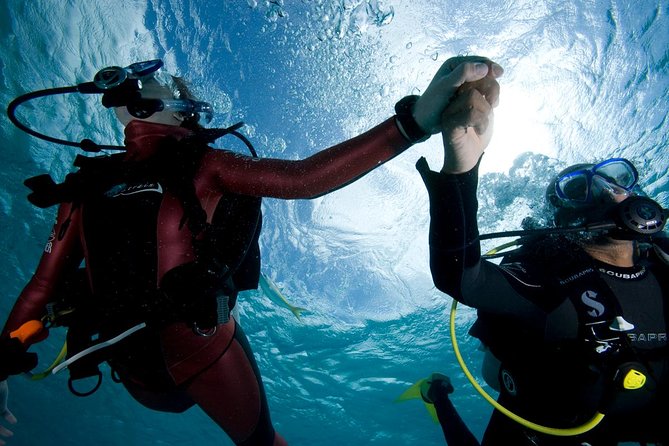
Your experience starts at Blue Water Diving, at Calle Olimpicos, C. Doreste y Molina, s/n, 35130 Las Palmas, Las Palmas. It’s a practical setup: you’ll meet the instructor at the base, sign paperwork, and get sorted for equipment. If you’re thinking, Great, I just want to get in the water, that process matters—because it’s the difference between “I’m stressed” and “I know what’s happening next.”
From there, the day follows a simple logic. You don’t jump straight into deep water. Instead, you begin in a controlled, shallow environment so you can learn the breathing pattern, how to clear equipment if needed, and how to move while staying calm. That structure is a big part of why this works well for true beginners.
One more real-world note: there’s no pick-up or drop-off. Also, one review experience mentioned that the activity location can be farther south (toward Amadores Beach / Puerto de Mogán) depending on how the operator runs the day. So if you’re on a cruise or relying on tight timing, confirm your exact start point and travel time before you lock your schedule.
You can also read our reviews of more scuba diving tours in Gran Canaria
The Paperwork and Gear Fit: The Part That Determines Comfort
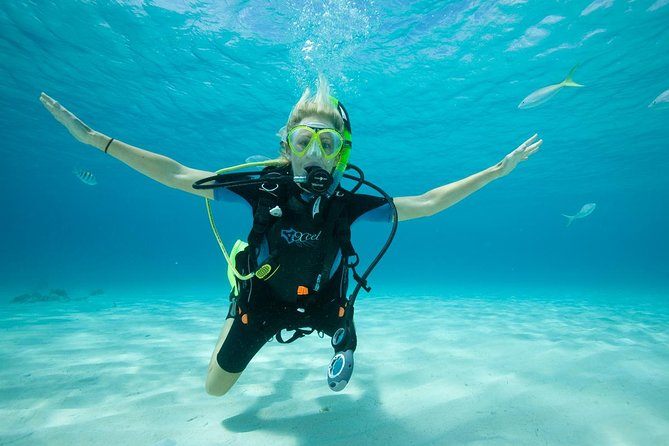
Most first-time visitors underestimate how much gear fit affects the whole experience. Here, you’ll organize yourself at the start, complete the paperwork, and then you’ll get equipped with the necessary scuba gear. The big win is that equipment is included, so you’re not learning on borrowed kit that doesn’t fit right.
What you should bring is straightforward:
- Swimwear (you’ll be putting it on under/around the wetsuit-style gear)
- A change of clothes for after
- Any small personal items you prefer for comfort (like a towel), since food and drinks aren’t included
If you tend to get nervous, the calm gear-fit stage matters. When your mask and regulator feel correct, your brain can focus on breathing and buoyancy, not on fighting uncomfortable equipment.
Shallow Water Skills: Breathing Under Pressure Without the Chaos
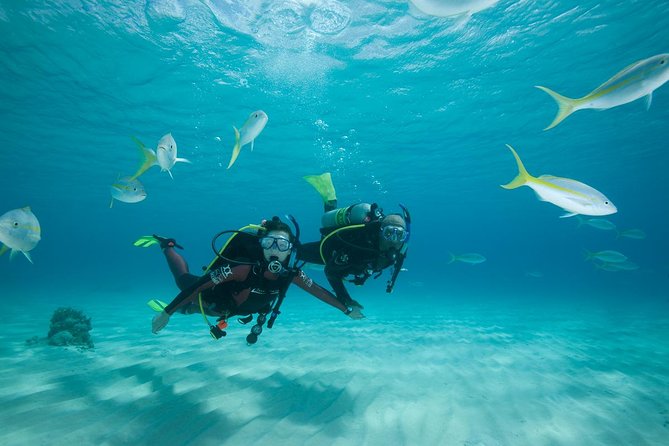
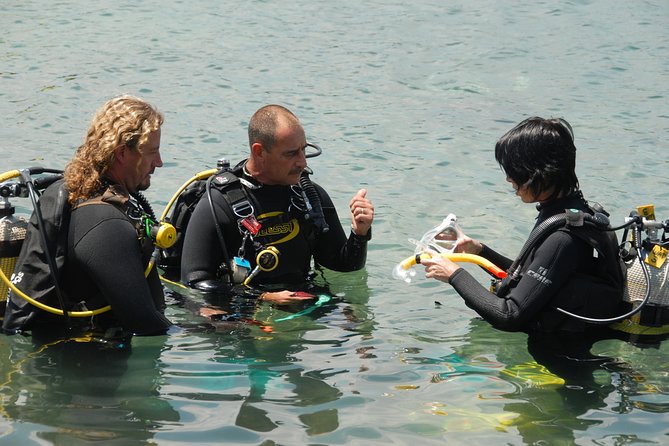
The first underwater phase is designed for comfort. You start in shallow water and go through a skills session that focuses on the basics: learning how breathing works through the regulator and getting used to being under water while staying oriented. You’ll be guided step-by-step, and the whole point is to turn scuba from a scary unknown into a set of motions you can repeat.
Some groups practice kneeling in the harbor area on the bottom while getting used to the feeling. That detail may sound small, but it helps. Being closer to the seafloor and having a stable position can reduce panic fast, especially if you’re the type who worries about drifting or not knowing what to do.
The instructors are also reported to be highly supportive if someone’s anxious. One account described an anxiety attack during the prep, and the team working patiently so the person could still take part. That’s exactly what you want for a first attempt: not bravado, not rushing, but steady coaching.
The Reef Swim: What Happens After You’re Comfortable
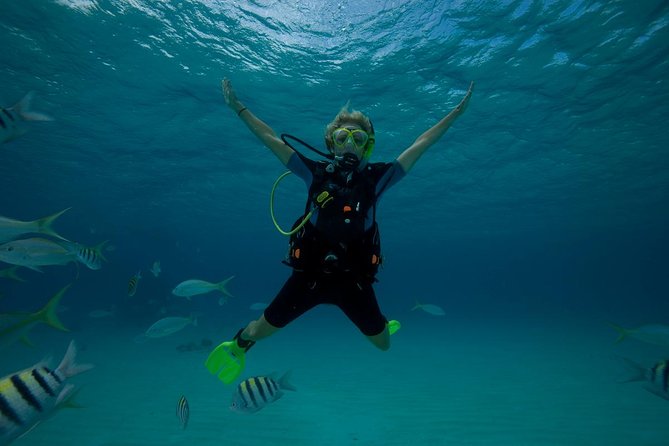
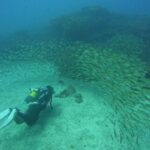
Once you’re comfortable with the breathing and basic skills, you go out to the reef area. Typically, there’s a boat transfer to the site. Then the group goes down together, swims around, and returns to the surface, with the instructor staying close enough to help and monitor safety.
Depth varies by group and conditions, but reports include around 8 metres for just over 30 minutes, and another experience with around 11 metres. Don’t obsess over the number—what matters is that this is structured for beginners. You should expect a guided experience where you’re not doing everything on your own.
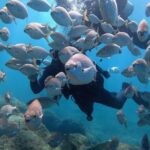
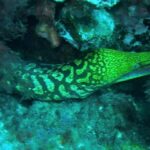
What you’ll likely see: lots of fish and reef life. Several accounts mention:
- shoals of fish and individual fish moving through the reef
- crabs and sea cucumbers
- occasional bigger sightings like a stingray, and sometimes even baby barracudas
Even if you’ve never seen a seahorse before, don’t assume you won’t. One person noted it was hiding during their session, which is a very normal underwater story. Reef wildlife can be shy. The bigger win is that you’re close enough to notice how the sea floor changes, how fish react to your movement, and how calm the underwater world can feel once you’re settled.
Safety and Instructor Support: Why This Feels Manageable
This is where this experience earns its high rating. The training model keeps you supported from the first breath to the last return. You’re not just handed a tank and told to figure it out.
A few safety-related features that show up in real experiences:
- instructors are in the water with you and stay attentive
- the group size is capped at 8, which makes it realistic to keep eyes on everyone
- you’ll have close guidance during equipment use and underwater movement
- you must complete a health questionnaire, and some conditions (like asthma or heart issues) may prevent you from diving—so it’s worth talking with your doctor if you have anything you’re unsure about
You’ll also want to follow the timing rule: don’t plan the scuba session within 12 hours of flying. That’s the kind of guidance you don’t ignore when you’re trying to stay safe.




Price and Value: What You’re Really Paying For
At $108.89 per person for about 2 hours, the value comes from what’s included and what’s avoided. You’re not buying a full training course. You’re buying:
- guided instruction and coaching
- all necessary equipment
- a structured progression from shallow practice to an underwater reef swim
- close safety monitoring in a small group
Compared to assembling gear yourself and trying to schedule separate lessons, this format is efficient. You also get a realistic taste of scuba without committing to months of training right away.
If you’re already leaning toward doing a longer course later, this can be a smart first step because it helps you learn how scuba feels in your body. Several accounts suggest people left ready to plan the next step afterward, which is exactly what you want from a “try it” experience.
Timing, Group Size, and the One Thing to Watch For
The session runs around 2 hours (approx.), and it’s commonly booked ahead (about 15 days on average). That’s a clue: spots can fill, and good weather windows matter. You’ll also want to be flexible, because the activity requires good conditions. If it can’t run due to poor weather, you’ll be offered another date or a full refund.
One drawback to keep in your head: some schedules can feel rushed. One experience described timing that ran later than expected, and a feeling that the shallow-water practice time wasn’t enough for a brand-new beginner. That doesn’t mean the overall program is unsafe, but it does mean you should arrive ready to participate fully and ask questions if you feel you need more time in the shallow area.
If you’re very anxious, tell the instructor right away at check-in. You’ll get the most out of this by communicating early, not once you’re already underwater.
Who Should Book This Beginner Scuba Session
This works best if you want an entry-level scuba experience where you:
- want step-by-step coaching
- prefer small group attention
- want to see marine life without doing a full course
- don’t mind spending a couple hours in and around the water with a structured routine
It’s also a good option if you’re curious about whether scuba is your thing. People describe leaving excited and feeling hooked, even if the goal wasn’t just wildlife spotting.
The minimum age is 10, and service animals are allowed. Most people can participate, but health restrictions apply through the questionnaire and medical guidance. If you’re unsure about your fitness or medical history, you’re better off checking with your doctor before you show up.
Should You Book Blue Water’s Beginner Scuba Session?
If you want a safe, guided first scuba attempt with all gear included, a short training progression, and a strong focus on comfort, I think this is a solid choice in Gran Canaria. The high satisfaction rate and the repeated emphasis on patient support are exactly what you want when you’re figuring out how to breathe underwater.
I’d hesitate only if you need hotel pickup, have very tight logistics, or you’re extremely worried about practice time being shortened. In that case, confirm the exact location and timing with the operator first, and talk to the instructor early about your comfort level.
FAQ
FAQ
Where does the beginner scuba experience start?
The start point is Blue Water Diving, Calle Olimpicos, C. Doreste y Molina, s/n, 35130 Gran Canaria, Las Palmas, Spain. The activity ends back at this meeting point.
How long is the experience?
It’s listed as about 2 hours.
What’s included in the price, and what should I bring?
The price includes a professional guide and all necessary equipment. You’ll need to bring your swimwear. Food and drinks are not included.
Do I need prior scuba experience?
It’s designed for beginners, starting with shallow-water skills before you go to the reef area.
What is the minimum age?
The minimum age is 10 years old.
Are there any health or timing rules I should know?
You’ll complete a health questionnaire before diving, and some conditions may prevent you from diving. Also, diving within 12 hours of flying is not recommended.
What if the weather is bad or I need to cancel?
The activity requires good weather. If it’s canceled due to poor weather, you’ll be offered a different date or a full refund. Cancellation is free up to 24 hours in advance for a full refund.