Wine and views in one smooth loop.
This Gran Canaria experience pairs a mountaintop viewpoint with real wine-making context, then finishes with an outdoor tasting at a winery. I love the format: you get explanations as you drink, with local food pairings that make the wines feel tied to the island instead of just poured for fun.
Second, I like how the route helps you understand why the wine changes across the island, from soil and climate cues at the mirador to the village-area setting around Santa Brígida. The one drawback to plan around: the tasting happens outdoors and the tour needs good weather, so if the day is windy or rainy, you may need a flexible mindset.
In This Review
- Key points to know before you go
- A wine-tasting afternoon built around Gran Canaria microclimates
- Getting there from Playa del Inglés: timing, pickup, and group feel
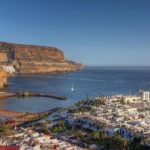
- Stop 1 at Mirador Pico de Bandama: the scenery that explains the wine
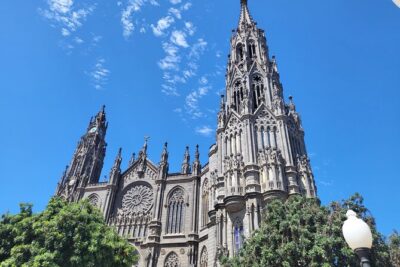
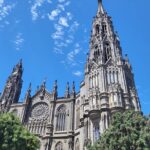
- Santa Brigida village time: where the winery setting comes into focus
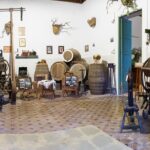
- Wine House Museum and the winery: outdoor tastings with local pairings
- What you actually get for the $116.55 price
- Practical tips to make the day feel effortless
- Who should book this wine tour?
- Should you book Taste Gran Canaria’s unique wines?
- FAQ
- How long is the Taste Gran Canaria wine experience?
- Where does the tour start and end?
- Is pickup available?
- What time does the tour start?
- How big is the group?
- What languages is the guide available in?
- What are the main stops?
- Are tastings included in the price?
- Is the tasting held outdoors?
- What is the cancellation policy if the weather is bad?
Key points to know before you go
- Mirador Pico de Bandama context: scenery plus cues about the island’s wine-growing conditions
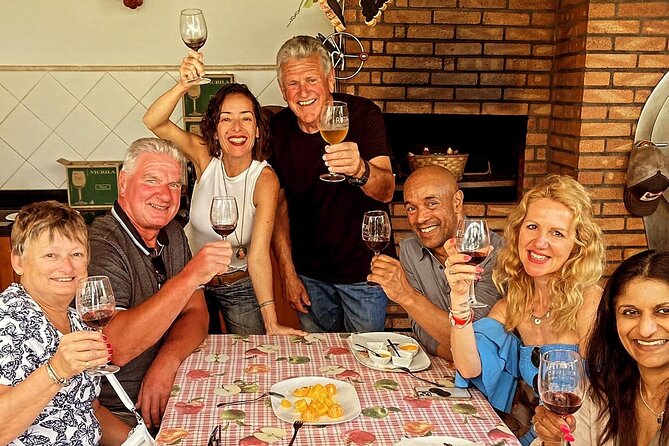
- Small group size (max 8): more time for questions and chat with your guide
- Outdoor tasting with pairings: wine, local products, and explanations while you enjoy the views
- Winemaker-style hosting: you’re shown vineyards and the production winery, not just a counter pour
- Two village-to-winery segments: time to reset between scenic and tasting stops
A wine-tasting afternoon built around Gran Canaria microclimates
Gran Canaria is one of those places where the weather can feel like it is changing its mind every hour. That is exactly why this tour works. The day is built around the idea that wine is not just a bottle label, it is a match between grapes and specific conditions.
You start with a high viewpoint that connects what you are seeing to how grapes grow nearby. Then you move down into the Santa Brígida area, where the winery setting feels more grounded and practical. By the time you reach the Wine House Museum stop, the tasting makes more sense because you already have some geographic clues in your head.
I also like that the focus stays on the real basics: climate, soil, and how grapes are grown. No magic. Just good farming and good people explaining it.
You can also read our reviews of more wine tours in Gran Canaria
Getting there from Playa del Inglés: timing, pickup, and group feel
The tour runs about 4 hours 30 minutes total, with travel time included. That matters because wine tours can turn into half-day marathons if you are waiting around. Here, you have a clear flow, and the schedule is tight enough to keep the experience feeling fresh rather than rushed.
You start at Playa del Inglés (Maspalomas) at 10:00 am, and it ends back at the same meeting point. If you are staying in the southern part of the island, pickup can be arranged, and the operator notes that you can ask when booking. For most people, that reduces the stress of figuring out buses or taxis across hilly roads.
Another small win: you are in a group capped at 8 travelers, which helps keep the vibe calm. Your guide works in English and Spanish, so you are not stuck listening through a distant headset. And you’ll receive a mobile ticket, which is handy when you are bouncing between stops.
Stop 1 at Mirador Pico de Bandama: the scenery that explains the wine
You spend about 30 minutes at Mirador Pico de Bandama, and the admission ticket is included. This stop is not just a quick photo break. It is the tour’s “why” moment.
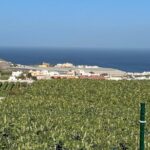
From up high, you get a sense of the island’s dramatic variation, and the guide connects those observations to wine-making. The program highlights the engaged history of wine making here, along with the role of soil and climate. You also get that simple, practical takeaway: on Gran Canaria, a good wine is often the result of matching grape choices to the conditions they have.
What to watch for in this segment: listen when your guide explains how the area’s microclimates shape growing. Even if you are not a wine nerd (and no shame if you are not), you’ll leave with a clearer mental map of the island.
Potential consideration: viewpoints are often exposed and can be windy. If you get cold easily, bring a light layer.
Santa Brigida village time: where the winery setting comes into focus
Next comes Santa Brigida, with about 2 hours on the clock and admission noted as free for this segment. This is where the tour shifts from mountain perspective to the human scale of the island.
The key idea is that Santa Brigida acts like a runway into the winery part of the day. You are spending time in the village area where the winery/state is situated, so the tasting stop later feels less like a random appointment and more like you are walking into the right environment.
This is a good place to take a breather and reset your pace. If you are the type who likes to ask questions, this segment also gives you a natural moment to do it before the tasting gets in your way.
What you might notice here: the energy changes. Up at the mirador, everything is about distance and geography. In Santa Brigida, you start to feel the rhythms of daily life, which makes the winery visit feel more authentic rather than staged.
Wine House Museum and the winery: outdoor tastings with local pairings
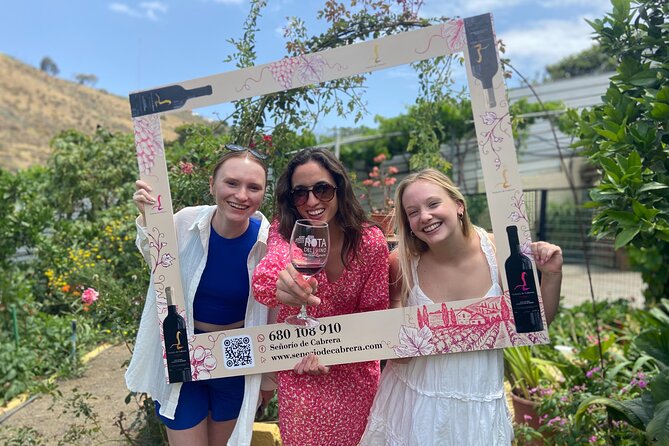
The best part of the day is the Wine House Museum stop. You have around 2 hours, and entrance and tastings are included.
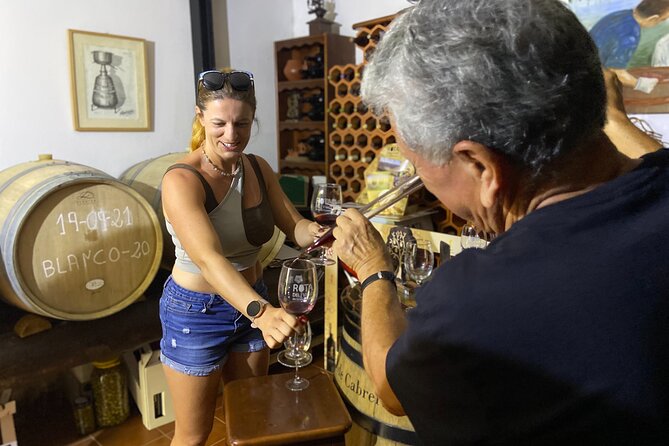
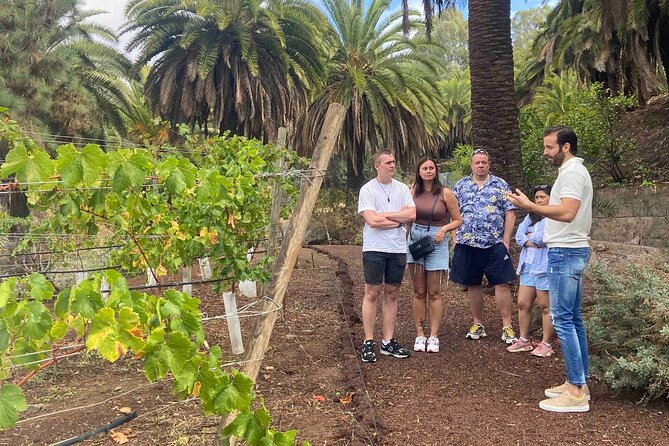
This is where the tour becomes hands-on. You are welcomed by the winemaker, and the experience is built around walking you through both the vineyards and the production side of the winery. That matters because wine can feel mysterious if all you ever do is drink it. Seeing how grapes are grown, and how the wine is produced, makes the tasting far more meaningful.
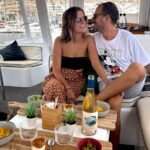
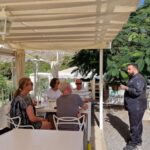
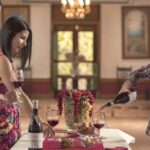
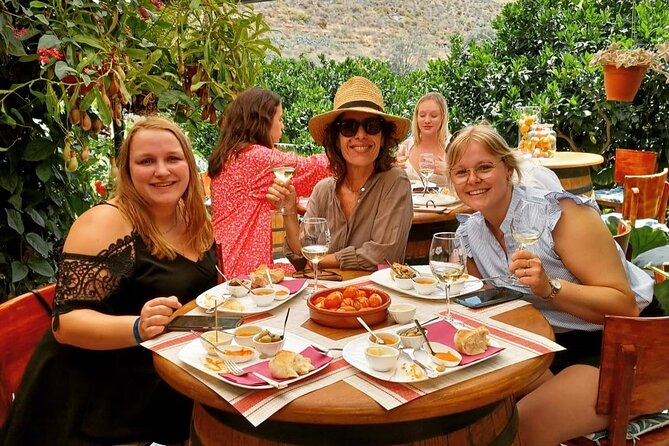
One detail I really value in this setup: the tasting is outdoor, paired with local products, and explained as you taste. That means you are not just receiving pours. You are learning what to look for while you are tasting.
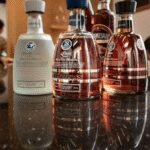
In the tasting itself, you can expect a small lineup rather than a nonstop drinking session. The experience is described as including around three wines, plus a surprise drink, along with snacks such as olives and other local bites. The guide also talks you through what you are experiencing, including why the wines taste the way they do.
A standout theme from the winery portion is variety in grape-growing methods. You’ll hear about vineyards where grapes are cultivated using both modern and older approaches. It is a clever way to show that “traditional” and “modern” are not just marketing labels. They are farming decisions that affect flavor and character.
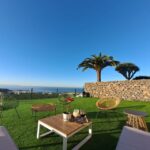
Also, because the tasting is outdoor, you get the bonus of views during the pour. Just remember: outdoor wine tasting is weather-sensitive. If the day is comfortable, you’ll love this part. If not, it still stays worthwhile, but you’ll want to be dressed for the elements.

What you actually get for the $116.55 price
At $116.55 per person, this tour is not a budget bus ride. But it also does not feel like a luxury-only experience. The value is in the combination.
Here’s what you are paying for, in practical terms:
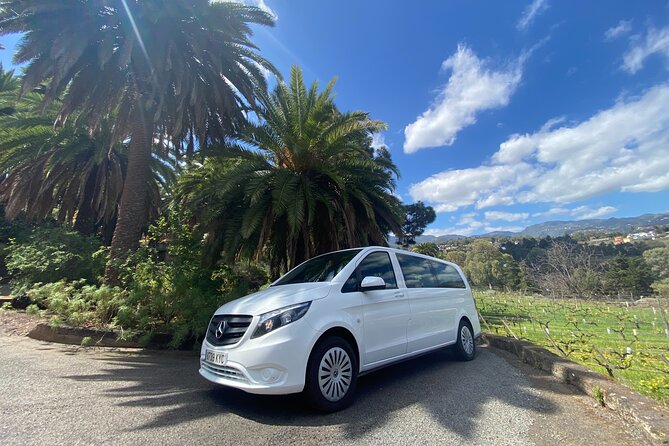
- Private transportation included
- Guide in person in English and Spanish
- Winery entrance and tastings included
- All fees and taxes included
Then there is the group-size factor. A max group of 8 can make a big difference in how much attention you get during Q&A, and how much time you have for the winemaker explanation. This is one of those tours where being a small group changes the whole experience, not just the comfort level.
Compared to doing tastings on your own, you are also paying for structure. You get the “why this stop first” logic, and you do not have to manage transport between a viewpoint, a village area, and the winery itself.
If you love wine but don’t want to spend your day in planning mode, this pricing starts to look pretty reasonable.
Practical tips to make the day feel effortless
A few things can help you enjoy this tour more, especially since it mixes altitude and outdoors.
- Wear comfortable shoes. You’ll be moving through viewpoint areas and around a winery property.
- Bring a light layer. Even when the island is warm, a mirador stop can feel cooler or windier.
- If you have questions about wine styles, bring them up early. The winemaker and guide are best used while everything is fresh.
- Expect a tasting format, not a drinking marathon. You’ll likely get several wines, plus bites, but it is still paced like an organized experience.
- If you are sensitive to walking or uneven ground, consider that the mirador is a viewpoint. The tour is short at that stop, but it is not a fully flat stroll.
Who should book this wine tour?
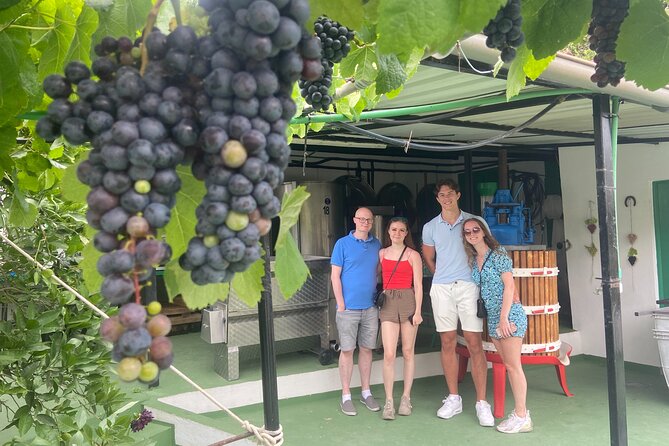
This is a strong match if you want a wine day that feels connected to place. You’ll probably enjoy it most if:
- you like learning how climate and soil shape wine
- you want an outdoor tasting with local food pairings
- you prefer a small group and conversational guidance
- you want a structured way to see more than just the tasting room
It may be less ideal if your day needs to be purely beach time, or if you hate outdoor tastings and do not handle weather changes well. Since the tour requires good conditions, you should choose a day you can be flexible.
Also, this is a nice option for couples and friends because the small group size keeps it personal. And with in-person guidance in English and Spanish, you’ll get more than a generic explanation.
Should you book Taste Gran Canaria’s unique wines?
I think you should book this tour if you want the sweet spot between scenery and wine education. The mix of Mirador Pico de Bandama context, the Santa Brigida setting, and the Wine House Museum winery tasting is a smart way to learn what makes Gran Canaria wine taste the way it does.
What seals it for me is the hosting style: you are welcomed by the winemaker, the tasting is outdoor with local pairings, and the day stays intimate in a group capped at 8. If you can handle a viewpoint stop and you like tasting wines with explanations, this is one of the better ways to spend an afternoon on the island.
If the forecast looks messy, keep in mind it depends on good weather. In that case, the best move is choosing a flexible plan in your trip schedule.
FAQ
How long is the Taste Gran Canaria wine experience?
It lasts about 4 hours 30 minutes, and the total duration includes travel time.
Where does the tour start and end?
It starts at Playa del Inglés, 35100 Maspalomas, Las Palmas, Spain and ends back at the same meeting point.
Is pickup available?
Pickup is offered, especially for people staying in the southern part of the island. You can ask when booking.
What time does the tour start?
The start time is 10:00 am.
How big is the group?
The tour has a maximum of 8 travelers.
What languages is the guide available in?
The guide is available in person in English and Spanish.
What are the main stops?
The experience includes a stop at Mirador Pico de Bandama, time in Santa Brigida, and a Wine House Museum winery tasting.
Are tastings included in the price?
Yes. Winery entrance and tastings are included, along with the included stop ticket at Mirador Pico de Bandama.
Is the tasting held outdoors?
Yes, the wine tasting is described as being outdoor, paired with local products.
What is the cancellation policy if the weather is bad?
The experience requires good weather. If it is canceled due to poor weather, you will be offered a different date or a full refund. Free cancellation is available up to 24 hours in advance.