REVIEW · GRAN CANARIA
Las Palmas: Sunset & Night Sky Guided Astronomy Hiking Tour
Book on GetYourGuide →Operated by RockNatour · Bookable on GetYourGuide
A sky full of stars feels different in Gran Canaria. This sunset-to-night astronomy hike takes you from a forest trek to Tejeda’s Ventana del Nublo, with a guide helping you read the heavens as darkness settles.
I really like two things about this tour: the small group size (max 10) keeps it personal, and you get practical star knowledge you can actually use after the hike, including help spotting features like the Milky Way. One thing to consider is that you’ll need your own car—there’s no transfer and public transport doesn’t work well for these mountain meeting zones.
In This Review
- Key Things I’d Not Skip
- Sunset Starts on the Camino in the Darkening Air
- How Ventana del Nublo Turns Sunset Into Astronomy Class
- Reading the Night Sky: Constellations, Planets, and the Milky Way
- Your Comfort Setup: Hammock, Blanket, Hot Drinks
- The Itinerary Flow (So You Know What’s Coming)
- Small Group Energy: Why Max 10 Matters
- Price and Value: Is $68 Worth It?
- Who Should Book This (and Who Might Pass)
- Logistics That Actually Matter: Car, Meeting Point, Weather
- Should You Book Las Palmas Sunset & Night Sky Astronomy Hiking Tour?
- FAQ
- How long is the Las Palmas sunset and night sky astronomy hiking tour?
- What’s the group size?
- Is a telescope used during the tour?
- What’s included with the tour?
- Do I need my own car to reach the meeting point?
- Where does the tour take place?
- What should I bring?
- Will the schedule ever change?
- Is the tour guided in English?
Key Things I’d Not Skip
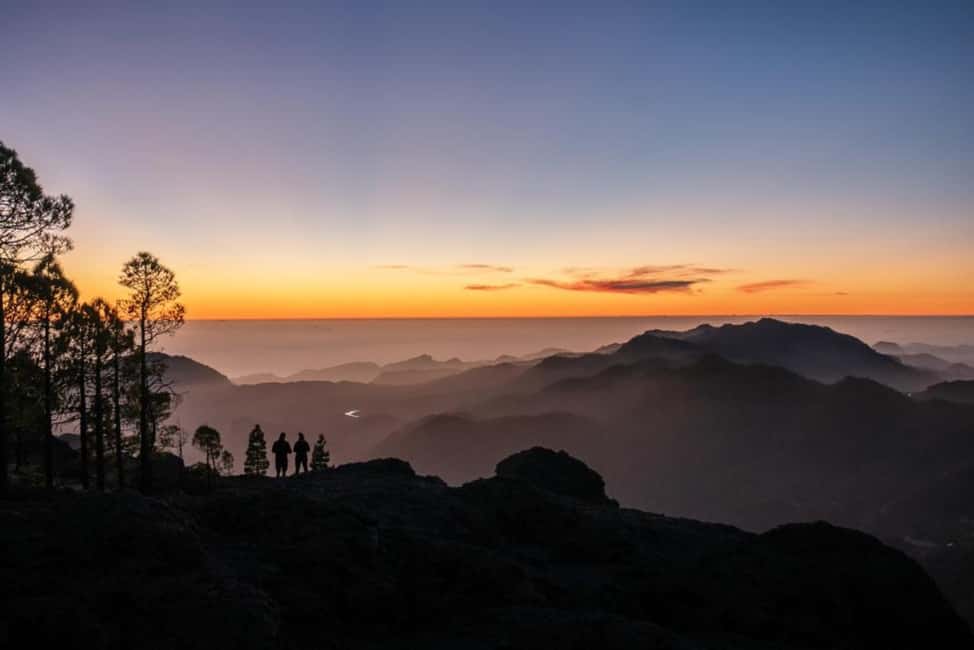
- Ventana del Nublo at sunset: Iconic views that line up with the switch from day to night.
- Real star-spotting skills: Learn how to identify constellations and planets without needing telescopes.
- A guided forest hike: Walk the Camino de Santiago de Gran Canaria section as the light changes.
- Included comfort and gear: Hammock, blanket, light, and binoculars help you settle in fast.
- Snacks and hot drinks included: A simple way to stay comfortable while you watch the sky.
- English live guide: Clear explanations, plus a screen for astronomy concepts.
Sunset Starts on the Camino in the Darkening Air
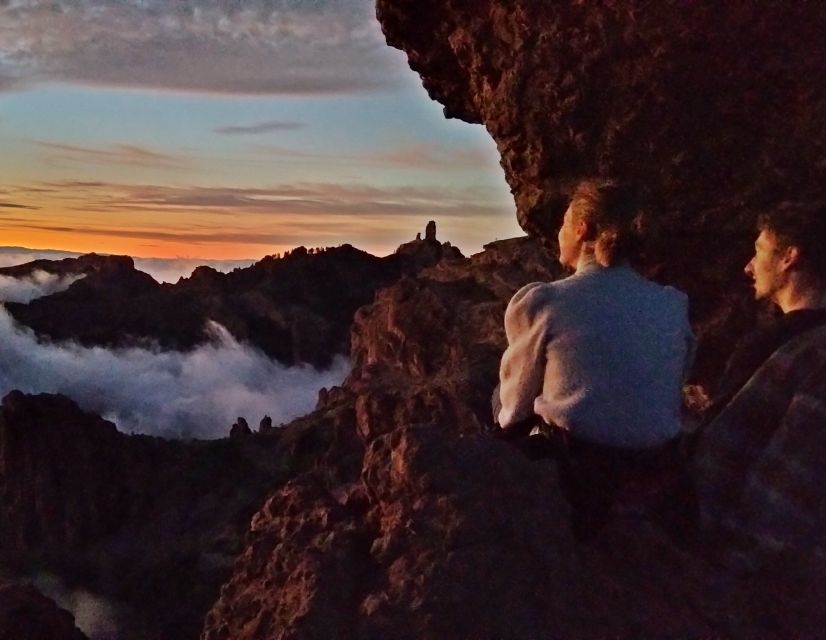
This tour begins in the mountains of Gran Canaria, right around a campground area where you can also park. You start the walk as the island is still in that in-between time—when the last warm light is fading and the air feels cooler.
The route goes along the Camino de Santiago de Gran Canaria, one of the most famous trekking paths on the island. That matters because it gives you more than a photo stop. You’re moving, and your eyes naturally adjust as daylight thins—so the night sky doesn’t feel like a sudden switch. It feels earned.
You’ll also be guided by an English-speaking leader who uses a screen to explain astronomy concepts as you go. That makes the experience feel like you’re learning a skill, not just being shown something pretty.
You can also read our reviews of more guided tours in Gran Canaria
How Ventana del Nublo Turns Sunset Into Astronomy Class
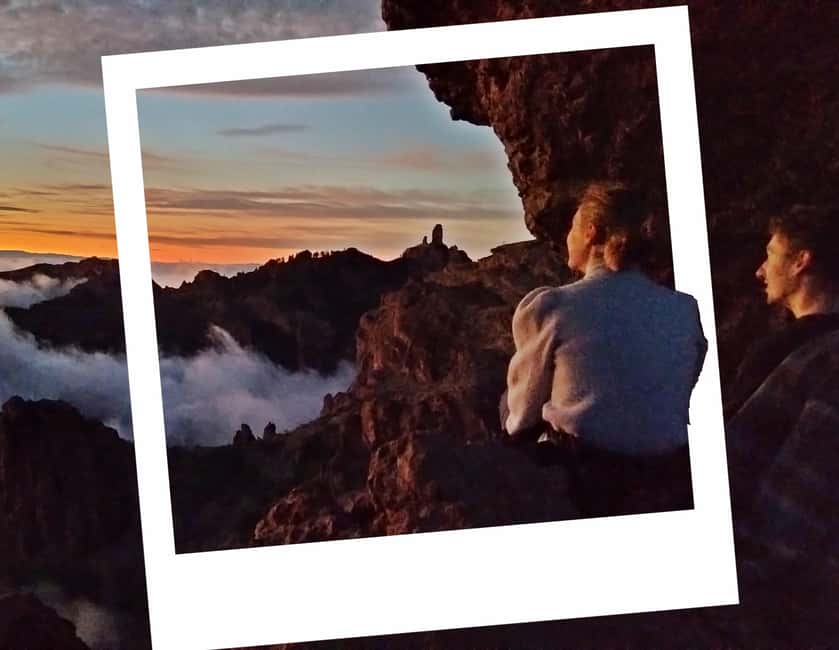
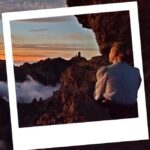
The big moment arrives when you reach Ventana del Nublo in Tejeda. This is the kind of viewpoint that makes people slow down without being told. As the sun drops, the guide links what you see in the sky to simple ideas you can remember later.
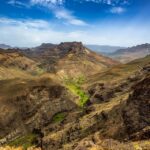
The views are part of the lesson. From here, you watch the sunset with sights that include Roque Nublo and Teide in the wider scene. The sky darkening isn’t just atmosphere—it’s the timing you need for easier star identification.
This is where the tour earns its name. Before full night, you’ll learn basic concepts of astronomy so you understand what you’re looking at when stars start to pop out. The guide then helps you connect those ideas to real patterns in the sky instead of floating facts you’ll forget.
Also note: there are no telescopes used on this hike. That’s not a drawback if your goal is learning how to observe with your own eyes (and simple help like binoculars). But if you were expecting a telescope show, you should set that expectation now.
Reading the Night Sky: Constellations, Planets, and the Milky Way
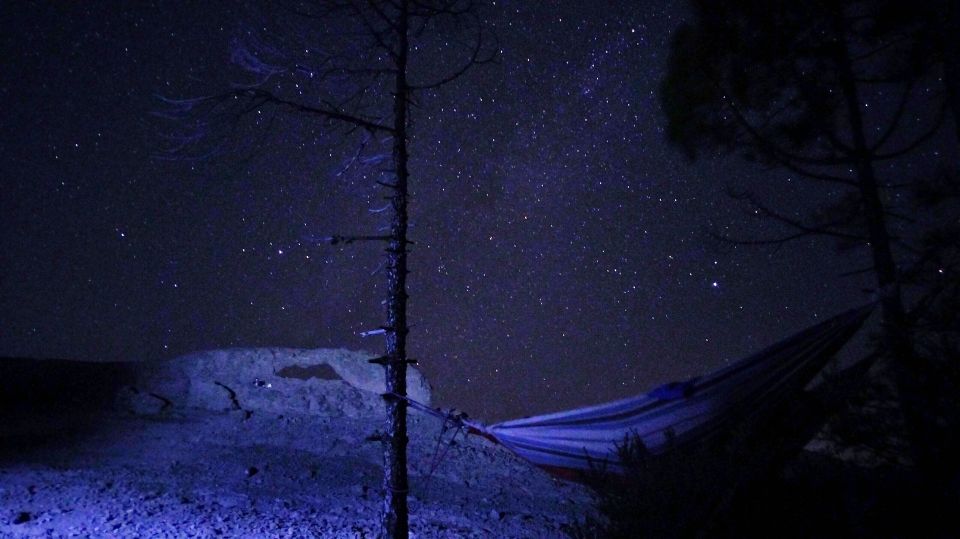
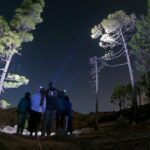
Once the sun is gone, the tour shifts from views to “how to see.” You’ll spend time outside using the included setup (think binoculars, plus a light and comfort items) while the guide points out constellations and planets.
The key value here is that you’re not only looking—you’re practicing. You get instruction on how to interpret what’s up there so you can enjoy the night sky again later, without a telescope and with whatever you have on hand.
And yes, the Milky Way comes into play. As darkness deepens, the sky quality becomes the star of the show—literally. The whole experience is designed around the moment when the stars become distinct enough that your brain can start seeing patterns.
If you’re hoping to learn a few “anchor” constellations you can recognize on future trips, this is the kind of tour that gives you that foundation. That’s especially handy when you travel without a lot of specialized gear.
Your Comfort Setup: Hammock, Blanket, Hot Drinks
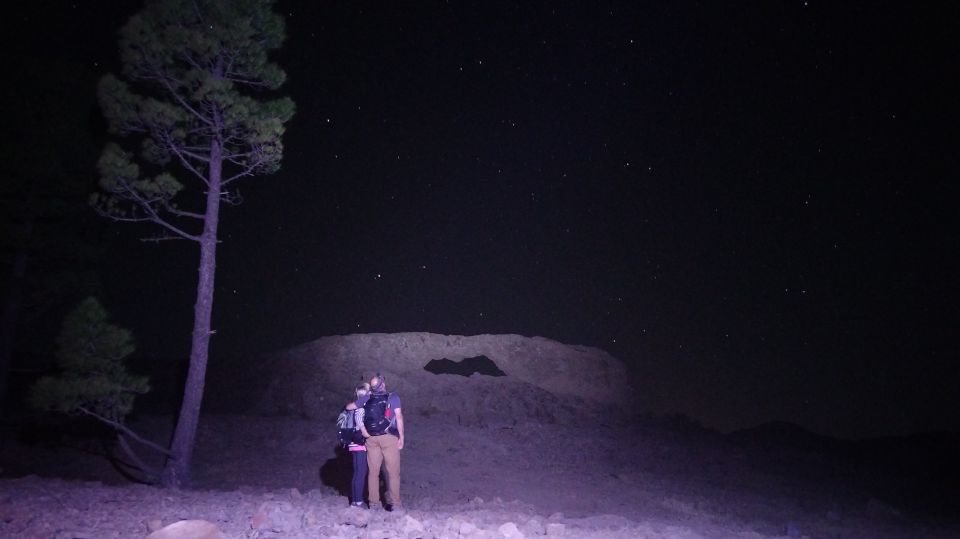
I like tours that understand reality: people get cold at night. This one doesn’t pretend you’ll be fine in a T-shirt. You’re provided with a blanket and even a hammock, plus a light and a screen for the learning portion.
There are also snacks and hot drinks during the sky-watching time. It’s not just a nice touch. It helps you stay put long enough for the sky to settle into something you can actually observe well.
You still need to bring warm clothing and hiking shoes, but the included comfort elements make the difference between standing around and actually relaxing into the experience. That matters because star spotting is easier when you don’t feel rushed or shivery.
The Itinerary Flow (So You Know What’s Coming)
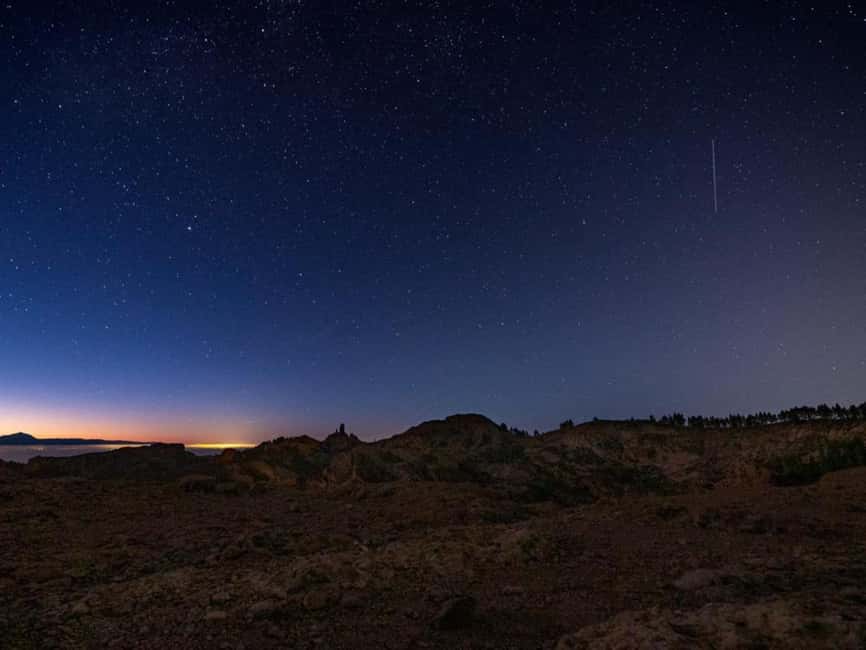
This tour runs about 3 hours total. The exact start time depends on availability, and the provider may adjust the date or meeting point depending on weather conditions to get the best possible conditions for viewing.
A typical flow looks like this:
- Meet at the campground area where you can park. From here, you begin in the island’s mountainous region.
- Hike the Camino section toward the Ventana del Nublo area, with the changing light giving you a natural transition from sunset to night.
- Arrive at Ventana del Nublo and watch the sunset. This is where the guide links the view to basic astronomy concepts while the sky is still bright enough to frame what comes next.
- After sunset, shift into constellations and planets, with help identifying what’s visible and time to spot the Milky Way.
- Snack and hot drink time while you observe.
- Return to the meeting point, keeping the experience in a tight, efficient loop.
You’ll notice something: it’s designed to be cohesive. It doesn’t feel like three separate activities stapled together. The hiking builds the setting, the viewpoint becomes the classroom, and the nighttime becomes the practice.
You can also read our reviews of more evening experiences in Gran Canaria
Small Group Energy: Why Max 10 Matters
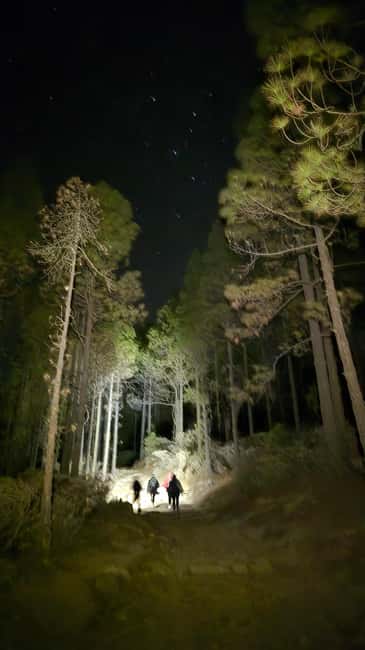
One of the most consistently praised parts of this experience is the guide interaction. A small group capped at 10 helps a lot. You’re not lost in a crowd when the sky gets complicated or when you want a clearer explanation about what you’re seeing.
The tour also supports interactive learning. The guide uses a screen for astronomy concepts, then takes that explanation outside where the sky is the real diagram. When the group is small, the guide can adjust pacing and point things out more directly.
In at least some cases, guides have included Pablo, and people highlight how well he explains the sky. Even if you don’t get Pablo, the format stays the same: clear guidance, steady pacing, and enough time to actually connect the dots.
Price and Value: Is $68 Worth It?
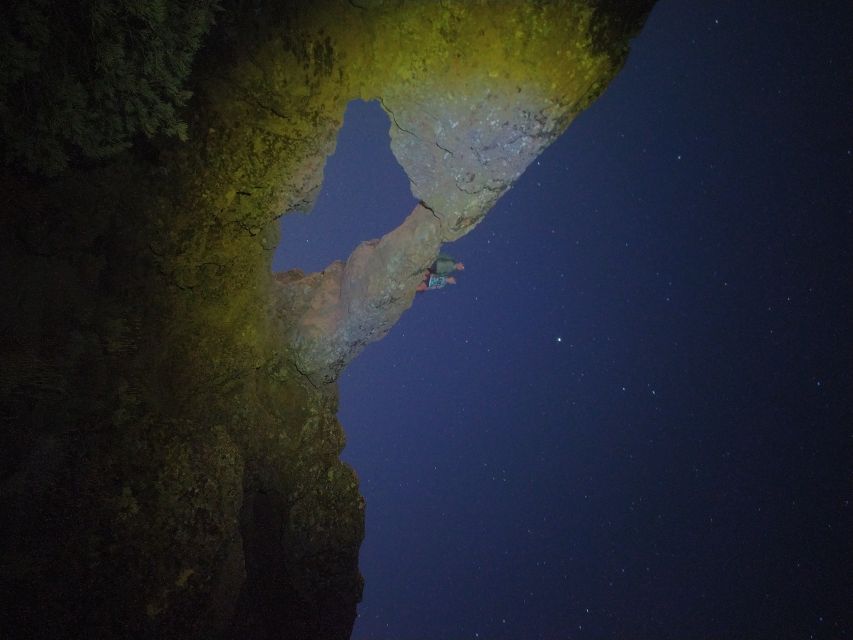
At $68 per person for about 3 hours, this isn’t a “grab a ticket and wander” activity. It’s closer to a guided field lesson that also includes food, comfort items, and basic observation tools.
Here’s what you’re paying for, in practical terms:
- A live English guide leading the hike and teaching astronomy basics
- Binoculars (so you’re not just guessing with your eyes)
- A screen for explanations
- Snacks and hot drinks
- Blanket, hammock, and a light to help you stay comfortable while waiting for the sky to come into focus
- A guided route through scenic terrain toward a major viewpoint
If you enjoy learning small skills you can reuse—like spotting constellations and recognizing the Milky Way—you’ll likely feel the value quickly. If your goal is only a quick sunset photo and you don’t care about astronomy basics, you might decide it’s more than you need.
In my view, it’s best seen as a guided “night sky literacy” experience. The cost makes more sense when you treat the tour as an educational outing, not just scenery.
Who Should Book This (and Who Might Pass)
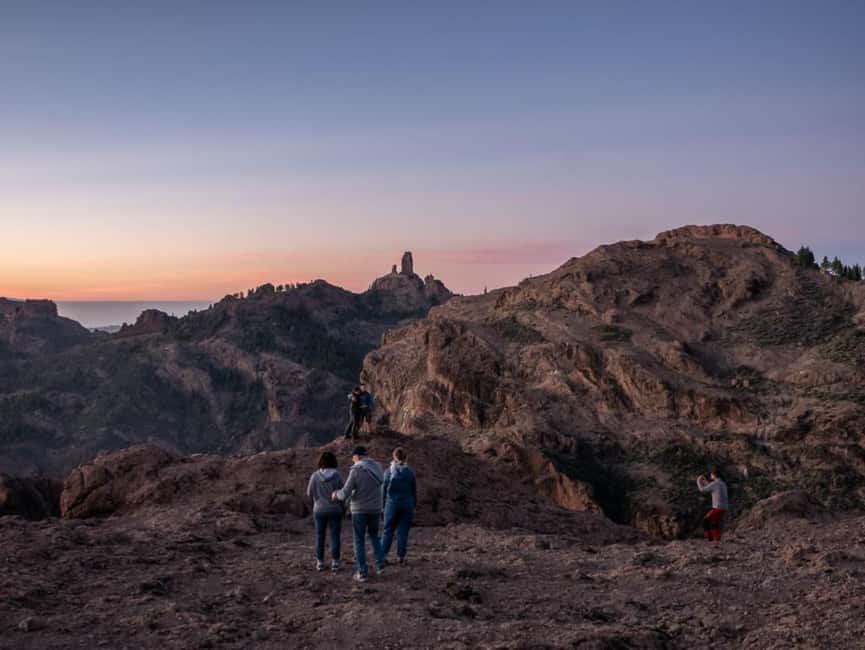
This tour is a strong match if you:
- Like hiking at a relaxed pace and want a guided route through the scenery
- Want to understand the sky instead of just looking at it
- Travel in a couple or small group and want a more personal guide experience
- Are willing to dress warm and spend time outside after sunset
You might consider passing if:
- You expected telescope viewing (telescopes are not used here)
- You don’t have a car and you don’t want to handle the mountain meeting point logistics
- Night hikes aren’t your thing, even with blankets and hot drinks
Logistics That Actually Matter: Car, Meeting Point, Weather
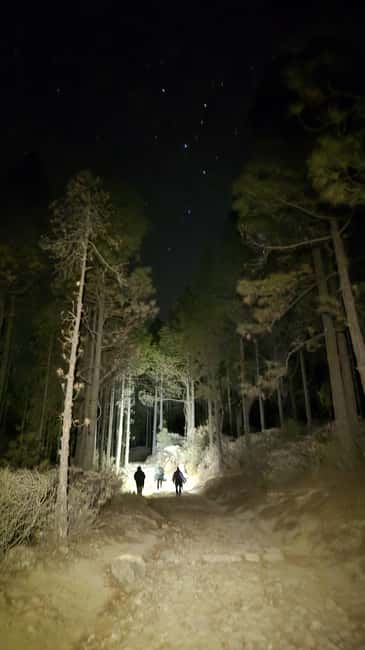
Here’s the part that can make or break your plans: you need your own car. Transfer isn’t available, and public transport doesn’t work in these zones around the meeting area. So build that into your day.
You’ll also want to be flexible. Depending on weather conditions, the provider could change the date or meeting point to aim for the best viewing conditions. That’s smart for astronomy, where clouds and haze can turn a star show into a dim disappointment.
The meeting and ending are back at the same campground area. That keeps the total commitment tight and simple once you’re there.
A final practical tip: wear hiking shoes and bring warm layers. The included blanket helps, but it’s not a substitute for proper clothing when you’re standing outside at night.
Should You Book Las Palmas Sunset & Night Sky Astronomy Hiking Tour?
I’d book this if you want a night-sky experience with actual take-home value. The mix of hike + Ventana del Nublo sunset + guided star identification is a great way to see Gran Canaria after dark and learn how to enjoy the sky again at home—or on your next island trip.
I’d hesitate only if you’re unwilling to drive to the meeting point or you were specifically hoping for telescope viewing. Otherwise, the format is built for what most people really want: comfort, clear explanations, and time to look long enough to make the stars meaningful.
If you’re the kind of person who likes learning a few things that you can point to later, this one earns its 4.9-style reputation.
FAQ
How long is the Las Palmas sunset and night sky astronomy hiking tour?
It lasts about 3 hours.
What’s the group size?
The tour is limited to a small group of up to 10 participants.
Is a telescope used during the tour?
No. Telescopes are not used in this activity.
What’s included with the tour?
You get a guided astronomy hike, hammock, blanket, light, snacks and a hot drink, binoculars, and a screen for astronomy explanations.
Do I need my own car to reach the meeting point?
Yes. Transfer isn’t available, and public transport doesn’t work in these zones.
Where does the tour take place?
It’s in Gran Canaria, Spain, with the hike ending at the Ventana del Nublo area in Tejeda.
What should I bring?
Warm clothing and hiking shoes.
Will the schedule ever change?
Yes, depending on weather conditions, the activity may require a change of date or meeting point.
Is the tour guided in English?
Yes, the live guide speaks English.