REVIEW · GRAN CANARIA
Gran Canaria: Scuba Diving for Beginners
Book on GetYourGuide →Operated by Blue Water Diving · Bookable on GetYourGuide
First breath underwater changes everything. In Gran Canaria, this beginner scuba tryout pairs a certified PADI instructor with a small group so you can learn at a comfortable pace, not on someone else’s schedule. You’ll get hands-on help with the basics, and once you’re in the water, the ocean experience feels real fast.
One possible drawback to plan for: there’s no hotel pickup, so you’ll need to get yourself to Puerto Escala harbour in Puerto Rico.
In This Review
- Quick hits before you go
- Why this PADI Discover Scuba starter works for beginners in Gran Canaria
- Getting to Puerto Escala harbour and what starts the session
- Theory and safety basics: what you learn before you ever go under
- Shallow-water practice: breathing, clearing your gear, and equalizing
- Your open-water experience up to 12 meters: what happens in the real water
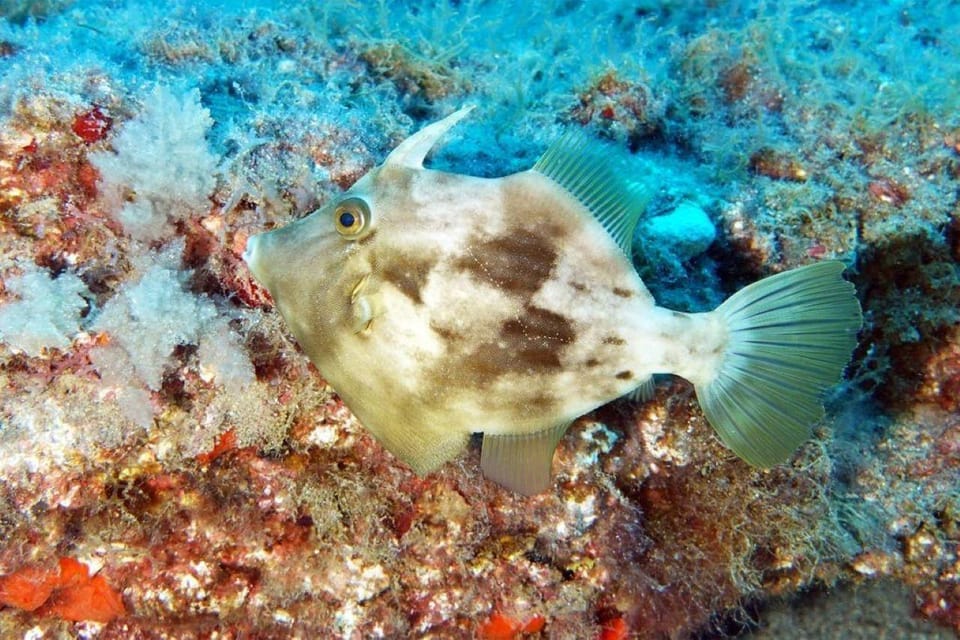
- What you’ll see in the Canary Islands waters
- Who you’ll dive with: small group coaching and instructor support
- Price and value: what $106 buys you (and why it can be fair)
- What to bring and how to prep (so the day feels easier)
- Who should book this beginner scuba experience
- Should you book it?
- FAQ
- Do I need prior scuba experience?
- Is it a certification course?
- What’s the minimum age?
- Where do we meet?
- What’s included in the price?
- How long does the experience last?
- What language will the instructor speak?
- What should I bring?
- Is hotel pickup included?
Quick hits before you go
- PADI-style DSD intro: beginner-friendly tryout, not a full certification course
- Small group (max 8): more coaching per person, less waiting around
- Full gear rental included: mask, fins, wetsuit, regulator, tank, and more
- Skills first, then open water: breathing, clearing a regulator and mask, and equalizing
- Supervision throughout: you stay close to the instructor team, including during the deeper portion (up to 12 m / 40 ft)
Why this PADI Discover Scuba starter works for beginners in Gran Canaria
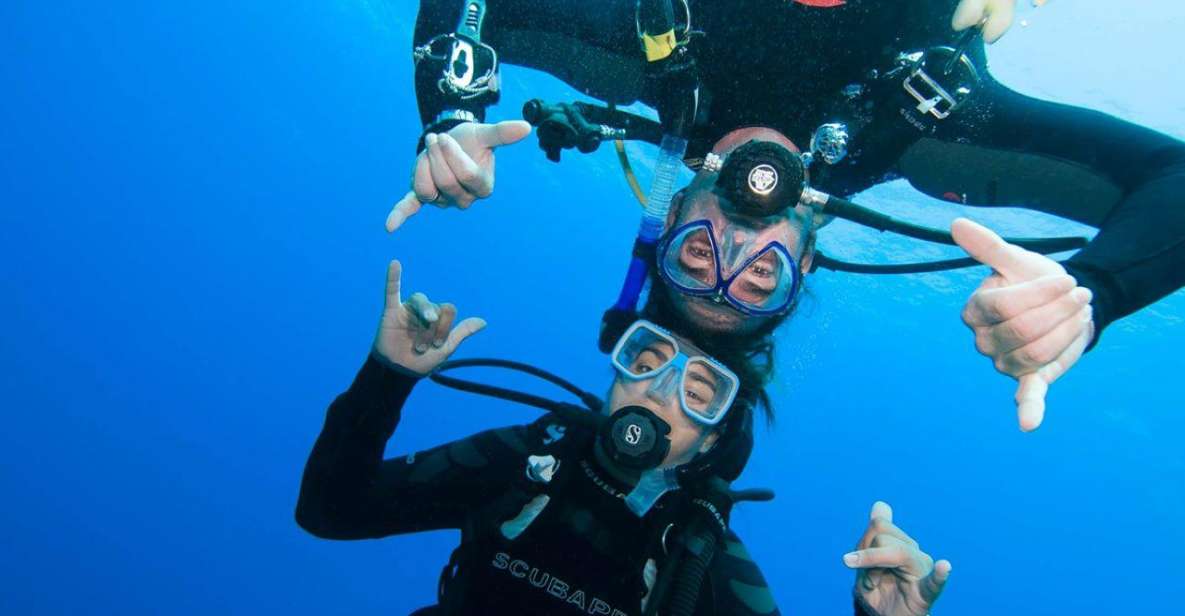
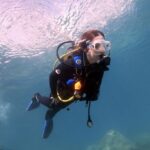
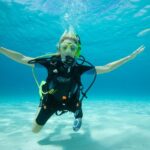
If you’ve ever stood at the edge of the water and wondered what it would feel like to breathe underwater, this is a smart way to find out. You’re not thrown in. The whole format is built for first-timers: short instruction, then repeated practice of the key motions you’ll need later.
What I like most is how clearly the session is structured. You start with safety talk and basic theory, then you move to shallow, controlled practice, and only after that do you go to open water up to 12 meters (40 feet). That progression matters because it turns scuba from something scary and new into a skill you can actually follow.
The second thing I like is the coaching style. In beginner settings, nerves can spike fast. The instructor’s job is to get you comfortable with the gear and keep your breathing steady, so you can enjoy the marine life instead of fighting your own body’s stress response.
You can also read our reviews of more scuba diving tours in Gran Canaria
Getting to Puerto Escala harbour and what starts the session
Your day begins at Puerto Escala harbour in Puerto Rico, Gran Canaria. You’ll meet the Blue Water team there, and the session kicks off from the harbour area rather than a hotel lobby. That’s a small detail, but it affects your day. I’d plan to arrive a little early, especially if you’re also dealing with towels, a charged phone, and any last-minute questions.
Once you’re at the meeting point, you’ll meet your instructor and group. This is where the small-group setup earns its keep. With a limited class size, you spend less time watching others and more time getting your turn on the skills.
Theory and safety basics: what you learn before you ever go under
Before you hit the water, you’ll get a short intro to what matters most. The goal isn’t to bury you in technical detail. It’s to teach you the handful of concepts that keep first-timers safe and confident.
You’ll cover:
- Basic scuba theory at a beginner level
- Hand signals for communication underwater
- Safety guidelines and what the instructor expects you to do if something feels off
You’ll also be walked through how the gear works. That includes what each piece does and why it matters for comfort. Getting this right at the start saves you from guessing later, especially with your mask and regulator.
Shallow-water practice: breathing, clearing your gear, and equalizing
This part is the real foundation. In a confined water area, you’ll practice the essential skills that make your open-water time smoother.
The session focuses on core tasks like:
- Breathing underwater so you get used to the rhythm
- Clearing a regulator and mask if water gets in
- Equalizing pressure, which is one of the most common first-time challenges
If you’ve never equalized before, you should know this: it can feel awkward at first, and it’s normal to worry about it. One of the most useful things about this format is that instructors help you work through it calmly. In real experiences, people have had moments of panic or trouble equalizing, and the team stayed hands-on and patient.
Also, take the practice seriously. You don’t need to be fearless, but you do need to practice the steps so your body learns them.
Your open-water experience up to 12 meters: what happens in the real water
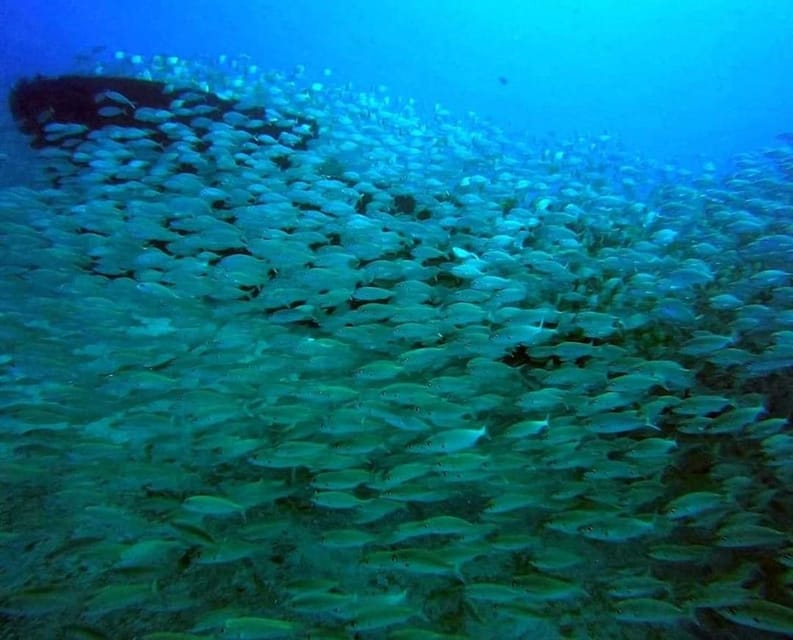
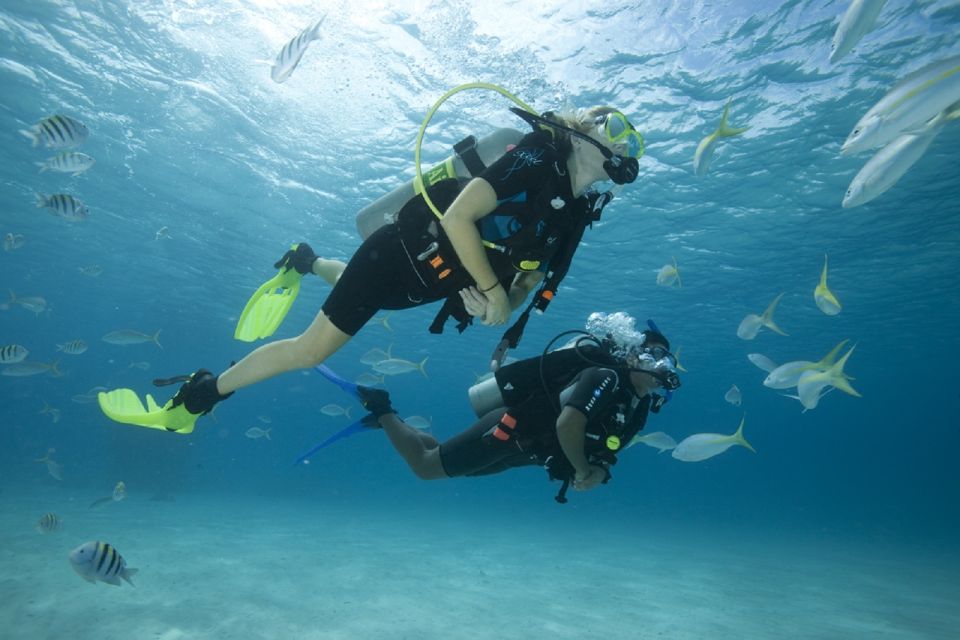
After the shallow practice, you’ll head out for open water. The session is supervised closely, and your experience goes to a maximum depth of 12 meters / 40 feet. For most people, that depth feels like a milestone: it’s deep enough to feel clearly underwater, but controlled enough to stay within a beginner-friendly range.
In the water, your time is about two things:
- Applying the skills you practiced—breathing, clearing if needed, and keeping communication simple
- Looking around and enjoying the marine world without turning it into a performance
This is where the experience stops being a class and starts becoming a memory. People often describe their first real look at fish and underwater life as something they won’t forget, and that tracks with what you’re doing here: you’re not just learning; you’re witnessing.




What you’ll see in the Canary Islands waters
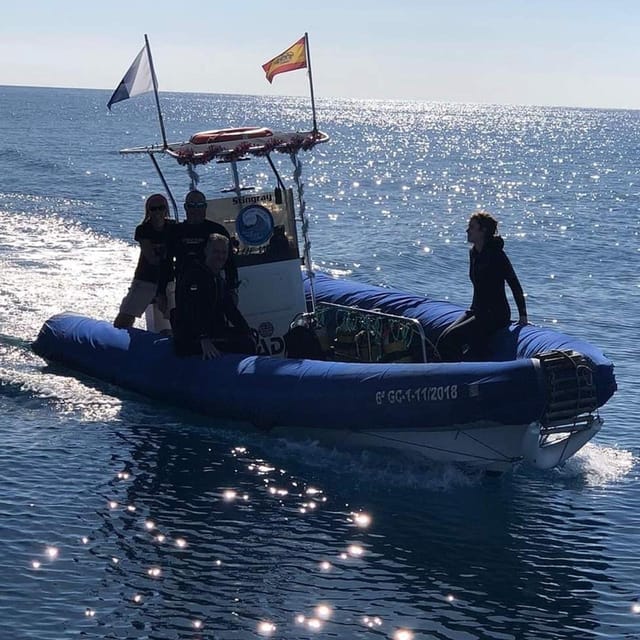
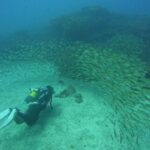
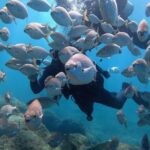
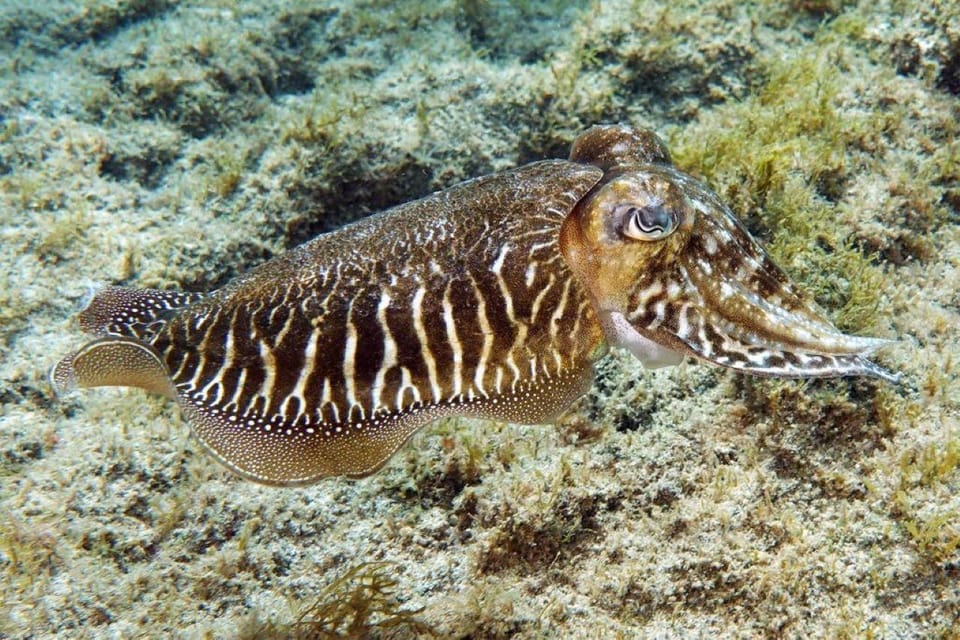
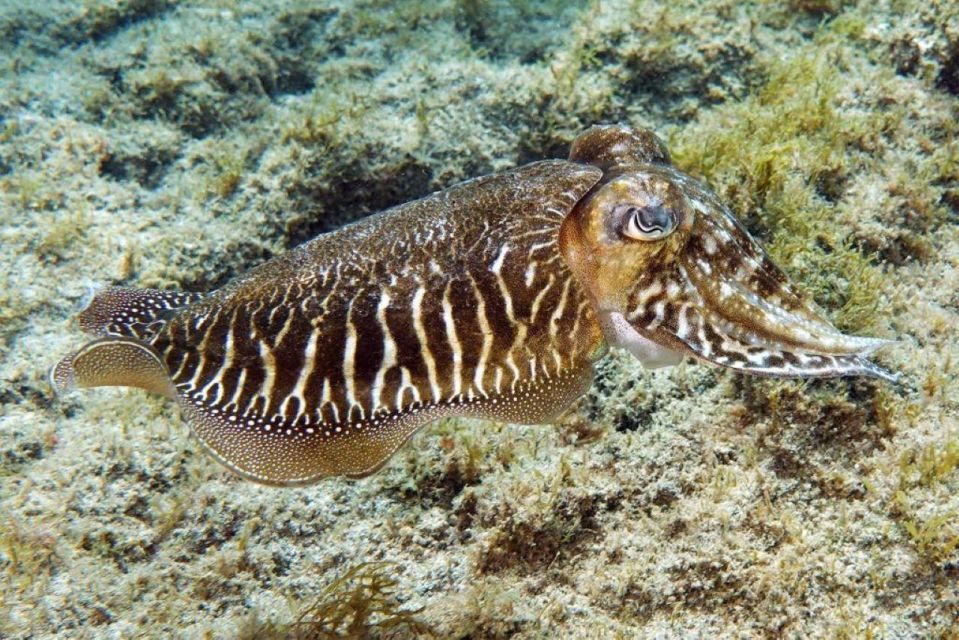
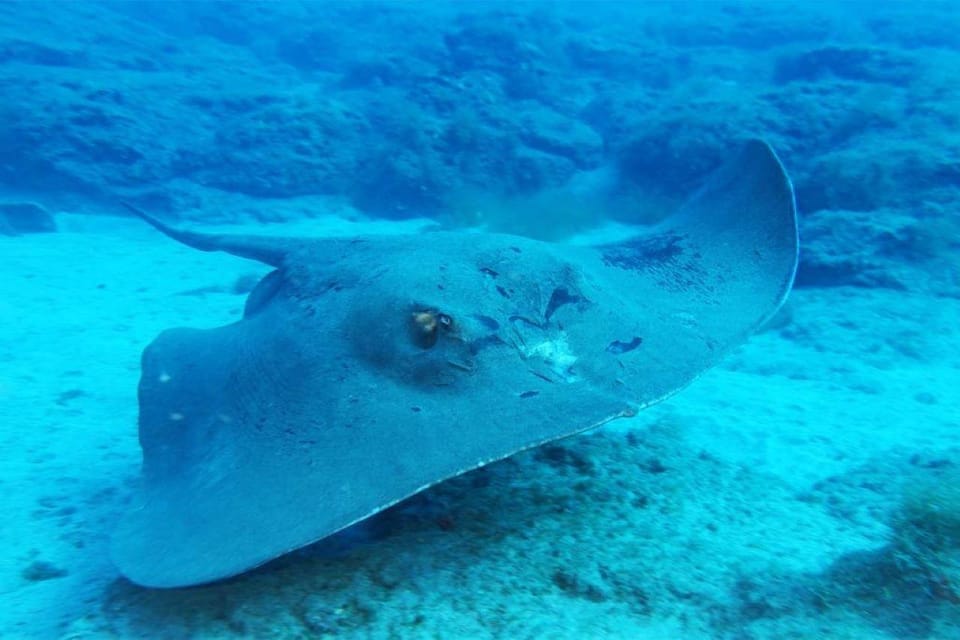
You’re in the Canary Islands, which means chances are good you’ll see plenty of fish and reef life during your session. The specific mix can vary with conditions, but the common theme is variety close enough for beginners to actually appreciate.
Some examples from real first-timer moments:
- Lots of fish sightings that feel close and personal
- At least one memorable octopus encounter mentioned by participants
- Opportunities to swim comfortably while also capturing underwater video
If you’re thinking about photography, this is a good moment to manage expectations. You’ll likely use your phone while you’re in the water, so keep it protected and ready, and don’t count on perfect footage. The win here is capturing a few clear seconds of that first underwater breathing moment and the creatures you notice along the way.
Who you’ll dive with: small group coaching and instructor support

This experience limits the group to 8 participants, and that’s a big deal. In a larger group, beginners often spend time waiting, and confidence can shrink while you wait. In a smaller group, you get more frequent checks from the instructor team.
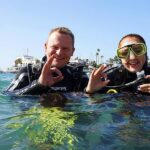
The instruction also seems to be built around patience and calm reassurance. In multiple first-time accounts, instructors took extra time to relax people, get them used to the gear, and guide them through any stumbles. Names that come up include Kate (often praised for calm, patient tuition), Jasmine (helpful and attentive), and Harry (clear explanations and active support). Other team members mentioned include Eddy and Daniel, plus Jerry and Lilly in earlier experiences.
Even if you’re not a nervous person, this coaching style helps. It keeps you focused on simple tasks like equalizing and steady breathing, instead of letting your mind run wild.
Price and value: what $106 buys you (and why it can be fair)
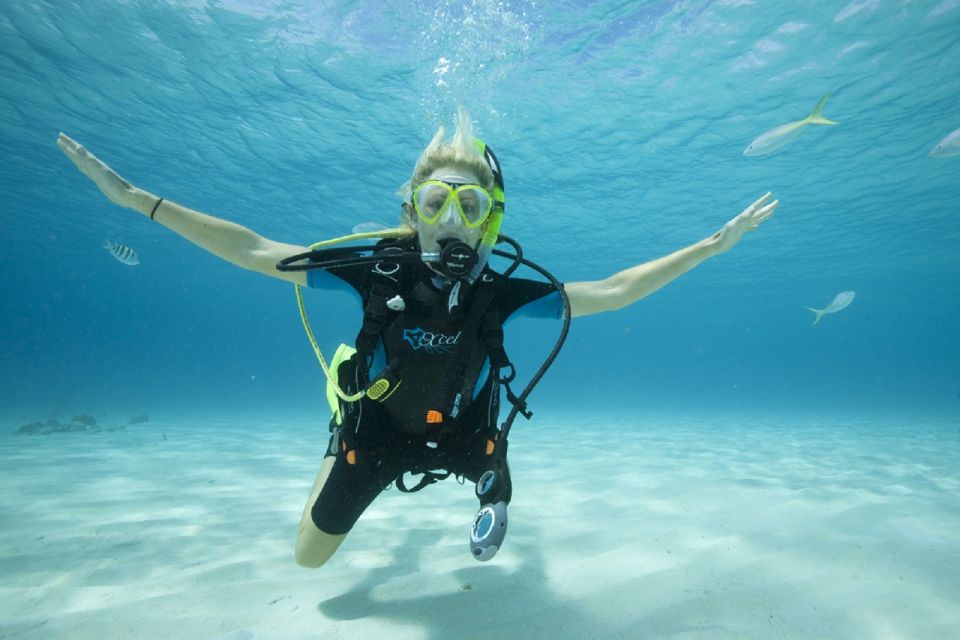
At $106 per person for 2 hours, the value depends on what’s included and how much instruction time you get. Here’s what you’re paying for:
- Certified PADI instructors
- Full gear rental (so you don’t have to buy or transport equipment)
- Insurance included
- A structured skills session plus supervised open-water experience
That bundle is what makes the price feel reasonable for many vacation budgets. If you had to rent gear on your own and hire a private guide, costs usually climb fast. Here, you’re buying the whole beginner pipeline: instruction, practice, equipment, and supervision.
The one tradeoff is travel to the meeting point. Since hotel pickup isn’t included, your total cost might be higher once you add local transport. Still, even with that, the included gear and guided training do most of the heavy lifting on value.
What to bring and how to prep (so the day feels easier)
Pack like you want to be comfortable, not like you’re going to a gym.
Bring:
- Swimwear
- Towel
- A charged smartphone (handy for underwater video during the experience)
Beyond packing, do a little mental prep. You can’t control how your ears feel under pressure, but you can control how you approach the practice steps. If equalizing feels tricky, keep your focus on the instructor’s guidance and the motions you practiced in the confined water area.
Also note the health and suitability rules:
- You must be at least 10 years old
- There are medical restrictions that may apply, and you’ll complete a medical form
- Pregnant women are not suitable for this experience
If any of those apply to you, check with the operator before booking, so there are no surprises.
Who should book this beginner scuba experience
This is a strong fit if:
- You want a first-time scuba experience without committing to a full certification course
- You prefer structured coaching and step-by-step skill practice
- You want to see real marine life during your vacation, not just read about it
It’s also a good option for families with older kids, since the minimum age is 10 and instructors have been praised for handling first-timers in a supportive way.
If you already know you want a full certification, this can still be a smart start because it can count as part of your path—ask the instructor about how to continue toward the PADI Open Water Diver certification if you love it.
Should you book it?
If you’re curious about scuba and you want your first underwater experience to feel guided, safe, and fun, I think this one is worth booking. The best reasons are simple: small group size, a clear beginner progression (gear and breathing first, then open water), and instructors who take the time to help you get comfortable.
Before you book, just make sure you can handle the practical side: getting to Puerto Escala harbour on your own, completing the required medical form, and being okay with the idea that equalizing may be a learning curve.
FAQ
Do I need prior scuba experience?
No. This is a beginner-friendly introduction with supervision and instruction. There’s no prior scuba experience required.
Is it a certification course?
No. It’s a first-time scuba introduction. If you want to keep going afterward, it may count toward the next step in PADI training, and you can ask the instructor about your options.
What’s the minimum age?
You must be at least 10 years old.
Where do we meet?
You meet at Puerto Escala harbour in Puerto Rico, Gran Canaria.
What’s included in the price?
Equipment/gear rental, instruction by certified PADI instructors, and insurance are included.
How long does the experience last?
The duration is 2 hours.
What language will the instructor speak?
The instruction is available in English and Spanish.
What should I bring?
Bring swimwear, a towel, and a charged smartphone.
Is hotel pickup included?
No. Hotel pickup and drop-off are not included.