REVIEW · GRAN CANARIA
Guided Tour at Ron Arehucas Distillery
Book on Viator →Operated by VIMOTIONS · Bookable on Viator
Rum lovers, this one is for you. This 1-hour visit is a practical way to understand how Arehucas rum is made, from ageing to bottling, inside a cellar with 4,308 American oak casks. I also love the payoff at the end: a guided rum-and-liqueur tasting that’s repeatedly described as generous. The main catch is that the tour can feel a bit rushed when the group is large, so you’ll want to set expectations for fast pacing.
What makes it extra easy to fit into a Gran Canaria day is the meetup is right at Destilerías Arehucas in Arucas, and it runs on an English schedule. Guides I heard mentioned by name include Elena and Sofia, and the best moments tend to come when your guide can slow down the explanation enough for questions. If you want lots of lingering time for close-up photos in tight spots, you might find the flow moves quickly.
If you’re heading north (or you want something different than another beach morning), this is a solid use of time. You’ll walk through the process across five stages and finish with the chance to buy products at the end of the visit. Go in hungry for knowledge, but also ready to keep moving.
In This Review
- Key Points Worth Noticing
- Where You Meet and What the 1-Hour Schedule Really Means
- Inside Destilerías Arehucas: The 4,308 Casks Aging Story
- The Five Stops: From Origin Talk to Bottling Plant
- The Best Part: Rum and Liqueur Tasting (and How to Pace Yourself)
- Arucas Town Stop: A Bonus Beyond the Distillery Rooms
- Price and Value: A Budget Tour With Real Payoff
- Logistics That Matter: Parking, Sound, and Getting There on Time
- Tips to Get More Out of Your Rum Factory Tour
- Who Should Book This Guided Arehucas Visit
- Should You Book the Arehucas Rum Distillery Tour?
- FAQ
- How long is the Arehucas guided tour?
- Where does the tour start?
- Does the tour end at the same place?
- What language is the tour offered in?
- Is there a tasting at the end?
- How many people are in a group?
- What ticket type is accepted?
- Can I buy rum products during the visit?
- What if the weather is poor?
- How far in advance is it typically booked?
Key Points Worth Noticing
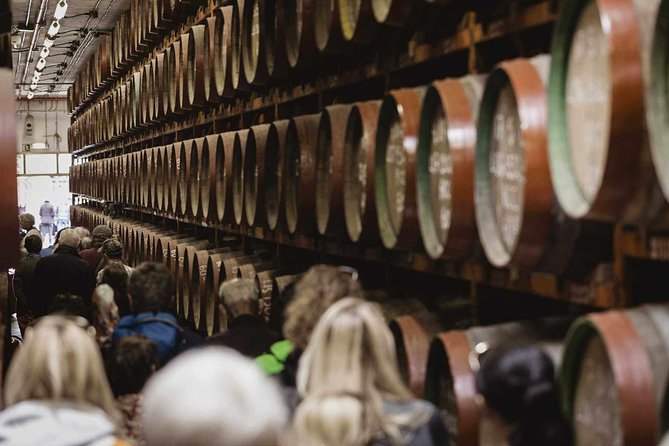
- Oldest rum cellar vibe with 4,308 American oak casks used for ageing
- Five-stage route that includes ageing, production rooms, and the bottling plant
- Tasting at the end featuring a wide selection of rums and liqueurs
- Guides can make it click (Elena and Sofia are specifically praised)
- Small-ish groups, still busy: capped at 30, and narrow areas can be hard to hear in
- Arucas town stop adds local atmosphere beyond the distillery
Where You Meet and What the 1-Hour Schedule Really Means
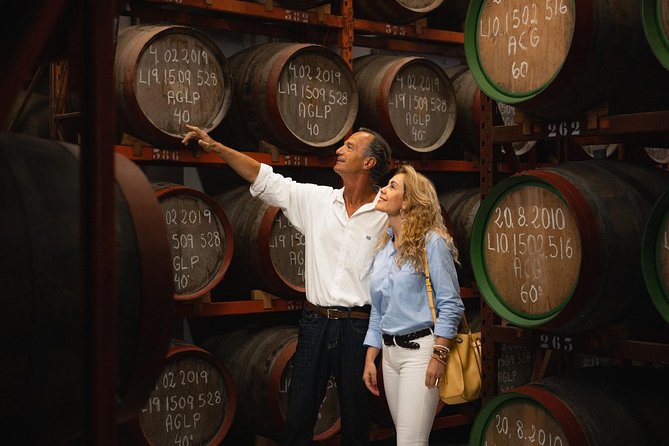
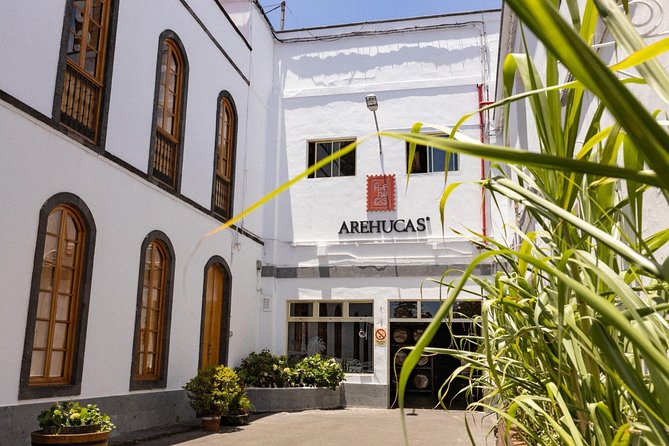
The tour starts at Destilerías Arehucas in Arucas (Lugar Era de San Pedro, 2, 35400). It ends back at the same meeting point, so you’re not left figuring out logistics after your tasting.
Expect about 1 hour on the clock. That’s short enough to be realistic on a vacation schedule, but it also explains why the pacing can feel fast. The good news: you’ll still see the key parts of rum production in a structured way, rather than wandering a museum-like space.
Two other practical points matter here. First, the tour is offered in English, so you can follow along without guessing. Second, the group size is capped at 30, and some spaces are tight, long, and narrow—exactly where it gets tougher to hear your guide if you end up not close to the front.
If you’re driving, give yourself breathing room. Reviews highlight tight parking, so arriving early is your friend. If you’re using public transport, it’s described as near public transportation, but you may still find signage is not very loud or obvious once you’re close.
You can also read our reviews of more guided tours in Gran Canaria


Inside Destilerías Arehucas: The 4,308 Casks Aging Story
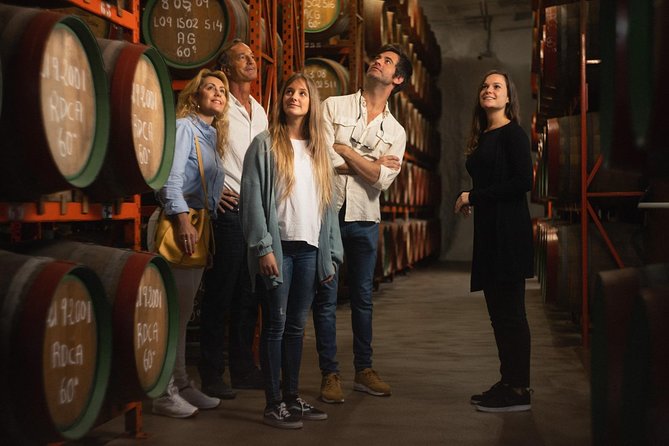
Your first big visual moment is the rum ageing cellar, described as one of the oldest rum cellars in Europe. The standout number is 4,308 American oak casks—and even if you don’t memorize it, that scale helps you understand the brand’s focus on time and storage.
This is where the tour earns its keep. A tasting without context is fun, but a tasting after you’ve seen the ageing setup gives your brain something to hold onto: why rum changes, how time and wood influence flavor, and why distillation is only part of the story.
The guide sets the scene with the origin of Arehucas and the history/traditions behind the site. Then the route leads you into the cellar area and keeps moving. The cellar itself is not just a pretty backdrop; it’s part of the production chain you’re learning about.
One thing to be aware of: cellars and production areas can be busy and echo-y. If you’re sensitive to sound or you like to stay planted next to one spot, you may feel the need to move along just to keep up with the group.
The Five Stops: From Origin Talk to Bottling Plant
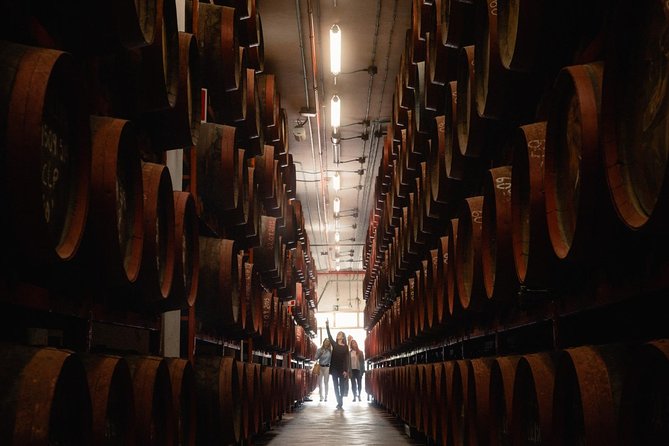
The tour is built in five stages, and that structure is exactly what makes it easier than doing this independently. You’re not just being told trivia. You’re walking through the key workflow areas and getting the production process explained step-by-step.
Here’s what that path looks like in plain terms:
1) Introduction to the origin of Arehucas
You start with background that frames why the process is the way it is for the Canaries. If you’re new to rum, this helps you stop treating everything as one generic category of alcohol.
2) Visit to the ageing cellar
This is where the cask number becomes more than a fact. You’ll see the storage setting and connect it to flavour development.
3) Production rooms: the mill, fermentation, and distillation
This is the core of the factory visit. You’ll get explanations tied to each step and see where the process happens. The tour specifically mentions the mill, plus fermentation and distillation rooms—so you’re not just hearing about ageing and finishing.
4) Bottling plant
This step is surprisingly useful if you like to understand the full chain. You’ll see how the output becomes product you might recognize in shops back home.
5) Tasting of the wide range of rums and liqueurs
This is the end payoff, and it’s where the tour tends to turn into a big smile moment for most people.
The tradeoff of a short route is detail depth. Some people loved the explanations, while others felt the distillery walking portion could have used more time to look at machinery up close. If you’re the type who loves technical details and quiet inspection, plan to treat this as an overview tour—excellent for context, not an engineering workshop.
The Best Part: Rum and Liqueur Tasting (and How to Pace Yourself)
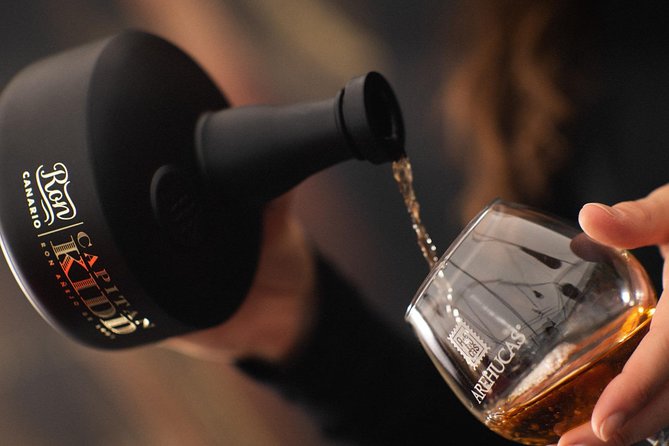
The tasting at the end is the reason many people rate this tour highly. You’ll sample from a wide range of rums and liqueurs, and the tasting is repeatedly described as generous—with multiple mentions of sampling four rums or four shots.
Because it comes at the end, it’s also your chance to translate what you saw earlier into something you can taste. After the ageing story and the production walk, you’ll start noticing differences that connect to those steps. That’s the mental link that makes the tasting more than just free pours.
A practical tip: don’t show up with a hangover or empty stomach. People explicitly recommend not going in that condition because the tasting can be more than a tiny sip. Even if you pace yourself, you’ll still likely feel the alcohol.
Also, don’t assume you’ll have time to slow down and savor every single sample. Since groups can be large, the flow may feel like it moves straight from explanation to tasting to the shop.
Speaking of the shop: you can buy Arehucas rum products at the end of the visit. Reviews mention reasonable gift shop prices, which is a big deal because distillery shops can swing either way—some are overpriced, some are fair. In this case, people say the pricing is in the reasonable zone.
Arucas Town Stop: A Bonus Beyond the Distillery Rooms
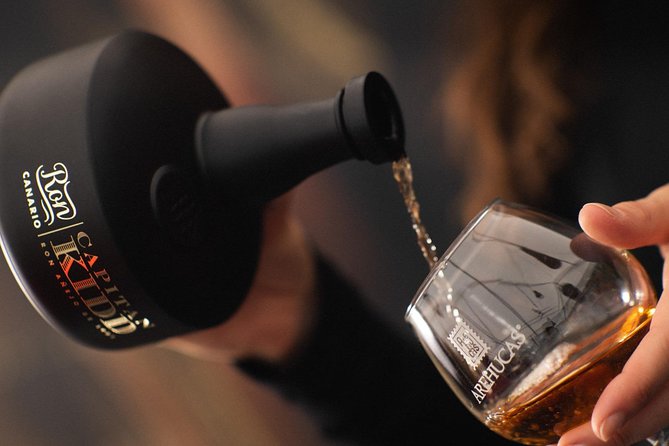
You also get a stop in Arucas town. The time isn’t described in detail, so I wouldn’t expect this to replace a full sightseeing day. Still, it’s a nice counterbalance to factory-only tourism.
This matters because it turns the visit into part of a place, not just a building. One review highlights that the village is worth seeing, and I agree with that logic. Arucas has that local texture you can’t get from hotel strips, and adding a town stop makes the day feel less like a checklist.
What to do with this time? Use it for quick photos, a short stroll, or just stepping out of the rum-and-tiles world for a bit. If you only do one attraction in the north, this is the kind of tour that gives you a reason to wander a little.




Price and Value: A Budget Tour With Real Payoff
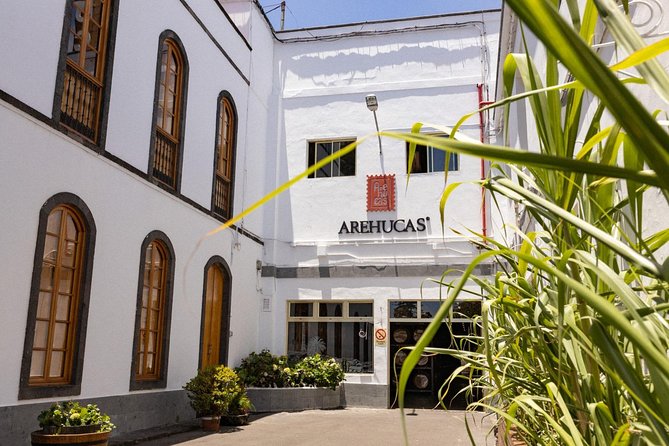
At about $13.31 per person, this is priced low for a guided factory walk plus a tasting. That’s a key value point: you’re not paying museum-level prices for an overview.
But value isn’t only about cost. It’s also about what you actually get in the time you have. Here, you get:
- a structured walk through key production areas,
- a guided explanation in English,
- and a tasting of rums and liqueurs at the end,
- with the option to purchase products.
Where value can feel mixed is the pacing. A shorter visit is efficient, but some people feel the tour is pushed through quickly. If you’re hoping to spend extra minutes at each room, you may feel the schedule is too tight.
Still, if you come with the right expectations—overview plus tasting—this is one of those tours that feels like it delivers more than it costs.
Logistics That Matter: Parking, Sound, and Getting There on Time
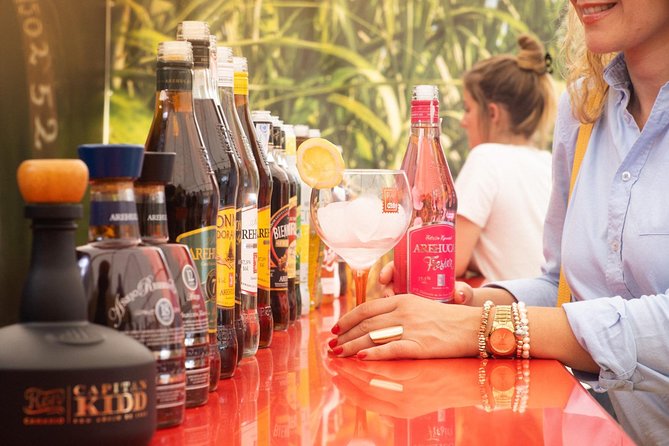
This is the part where you can make or break your experience. Two issues come up again and again: parking and group flow.
Parking: the area can be tricky. The advice is simple: arrive early so you’re not stressed while you hunt for a space.
Sound and visibility: group size is max 30, and some areas are narrow. That means if you’re not near the front, you might struggle to hear. You can help yourself by staying where you can see the guide clearly, not just where you have the best view of a wall.
Public transport: it’s described as near public transportation, but signage details may be spotty once you’re close. Keep an eye on local guidance and give yourself extra time if you’re planning to walk the last stretch.
Ticket note: the tour accepts paper tickets. Even though mobile ticketing is mentioned in the summary info, the activity notes specifically say paper is accepted—so plan to have a printable version or the paper copy in hand.
Tips to Get More Out of Your Rum Factory Tour
If you want the best experience from a short visit, do these:
- Arrive early to handle parking or any last-mile confusion.
- Wear shoes that work in moving-through-a-factory spaces. You’ll be standing and walking continuously for the full hour.
- If your English is solid but hearing is the issue, stand closer to the guide where people can see them and talk back if you have a question.
- Pace yourself at the tasting. It’s tempting to gulp and compare, but you’ll enjoy it more if you sip slowly and connect it to what you learned in the production rooms.
- If you plan to buy bottles or gifts, remember you’ll have the shop time after the tasting—so you’ll be making decisions while your senses are warmed up.
And if you get a guide like Elena or Sofia, lean into it. Several people praised specific guides for being clear and fun. A good guide can turn a quick tour into a satisfying one.
Who Should Book This Guided Arehucas Visit
This tour is a strong match for you if:
- you like rum and want to understand how it’s made, not just drink it,
- you want a guided overview that fits into a busy Gran Canaria day,
- you’re okay with a group pace,
- and you value an end-of-tour tasting.
It’s also a great choice if you’re traveling with someone who isn’t a rum expert. The structure makes it accessible, and the tasting gives everyone something tangible to enjoy.
If you’re the type who hates rushed schedules, set your expectations early. The format is designed to cover the full factory route, then tasting, within about an hour. Slow, detailed inspection isn’t what this tour is built for.
Should You Book the Arehucas Rum Distillery Tour?
I’d book it if you want a high-value guided experience with a real payoff at the end. For the price, you’re getting more than a quick photo stop. You get a clear route through production spaces, a strong ageing-cellar story, and a tasting people keep calling generous.
I’d skip it only if you know you’ll be frustrated by tight pacing and you need time to linger in machinery rooms. In that case, you might prefer a longer, less structured distillery visit.
For everyone else, this is a smart add-on for a Gran Canaria trip—especially if you’ll be in Arucas anyway. You’ll walk away understanding the process and tasting the results.
FAQ
How long is the Arehucas guided tour?
The visit lasts about 1 hour.
Where does the tour start?
It starts at Destilerías Arehucas, Lugar Era de San Pedro, 2, 35400 Arucas, Las Palmas, Spain.
Does the tour end at the same place?
Yes, it ends back at the meeting point.
What language is the tour offered in?
The tour is offered in English.
Is there a tasting at the end?
Yes. The tour includes a tasting of rums and liqueurs at the end.
How many people are in a group?
The tour has a maximum of 30 travelers.
What ticket type is accepted?
The activity notes that only paper tickets are accepted.
Can I buy rum products during the visit?
Yes. Products can be purchased at the end of the tour.
What if the weather is poor?
The experience requires good weather. If it’s canceled due to poor weather, you’ll be offered a different date or a full refund.
How far in advance is it typically booked?
On average, it’s booked about 12 days in advance.