REVIEW · GRAN CANARIA
2-Hour Dolphin and Whale Watching in Gran Canaria
Book on Viator →Operated by VIMOTIONS · Bookable on Viator
A day on open water, minus the guesswork. This dolphin and whale watching trip from Puerto Rico focuses on spotting Atlantic marine life with a crew that scans carefully and explains what you’re seeing.
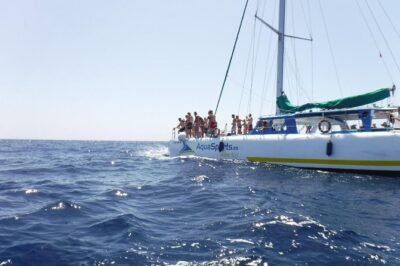
I like that you’re on a large, stable boat (Lineas Salmón), so the ride feels safer than the tiny-fishing-boat version. You’ll also get classic coastline views from the water, with sun on the deck and an onboard bar for the grown-up hydration plan.
My second favorite part is the human touch: the guide actively points things out and helps you time your photos and watching. Names like Mario and Juan show up with lots of credit, and the best sessions include quick advance notice when sightings happen.
One thing to consider: this isn’t a guaranteed-wildlife safari. If the sea is rough or luck is low, you may get dolphins only, or even no mammals at all.
In This Review
- Key Points at a Glance
- Setting Sail in Puerto Rico: Where You Meet and How the Trip Flows
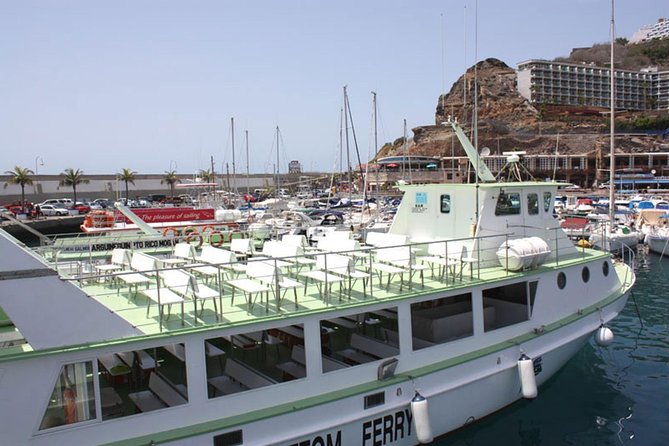
- The Boat Experience: Big Enough for Comfort, Not Too Big for Crowds
- What “2.5 Hours” Feels Like on the Water (and Why It’s a Good Chunk)
- Wildlife Reality Check: Dolphins Are Common, Whales Are a Bonus
- The Onboard Guide Moment: How Explanations Improve Your Spotting
- Deck Views, Photos, and the Practical Stuff (What You’ll Actually Use)
- Motion Sickness and Rough Water: The Main Trade-Off
- Group Size and Comfort: What “Up to 150” Means for You
- Price and Value: Is $42.05 Worth It?
- Booking Smart: Weather, Cancellation, and When to Go
- Who Should Book This Tour (and Who Might Skip It)
- Should You Book This Dolphin and Whale Tour?
- FAQ
- How long is the dolphin and whale watching tour?
- Where do I meet for the tour in Puerto Rico?
- What time does the tour start?
- Is there a bar on the boat, and are drinks included?
- Is the tour offered in English?
- What is the cancellation policy?
Key Points at a Glance
- Large, stable Lineas Salmón boat with room for about 150 people (max)
- Guides actively scan and explain behavior when they call a sighting
- Deck time for spotting and photos, plus a bar aboard (drinks not included)
- Sightings vary by conditions, so manage expectations for whales in particular
- Sea sickness is real on choppier days—plan for it
Setting Sail in Puerto Rico: Where You Meet and How the Trip Flows
The tour starts in Puerto Rico, Gran Canaria, at Calle Puerto Escala (C. Puerto Escala, 35130 Puerto Rico, Las Palmas, Spain). The meeting point is at this street address, near public transportation, which makes it easy to reach without a taxi drama.
Timing can feel a bit tricky. Your start time is listed as 10:15 am at the meeting point, while the departure is described as starting from Puerto Rico at 11:00. My advice is simple: arrive early, get settled, and then go with the crew’s flow once boarding begins. Late departures show up as a complaint sometimes, so building in patience helps.
Once you’re onboard, you’re set for a steady offshore search out in the Atlantic. The ride is planned around finding wildlife rather than just cruising, so your time usually feels purposeful: scan, spot, pause, and watch.
You can also read our reviews of more whale watching tours in Gran Canaria
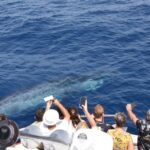
The Boat Experience: Big Enough for Comfort, Not Too Big for Crowds
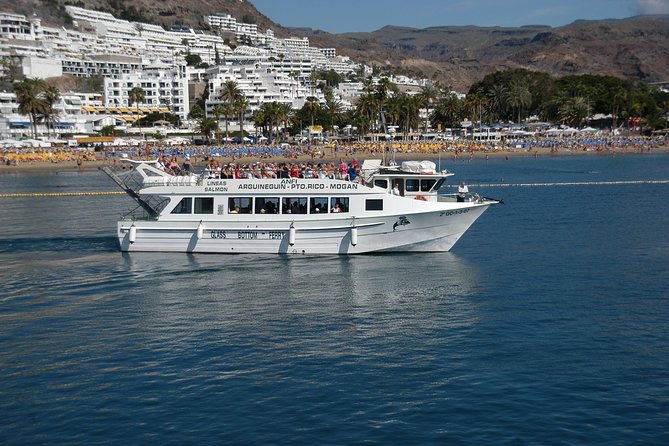
You’ll sail on a boat called Lineas Salmón. It’s described as almost 150 capacity, and that matters because it affects how comfortable the ride feels when waves pick up.
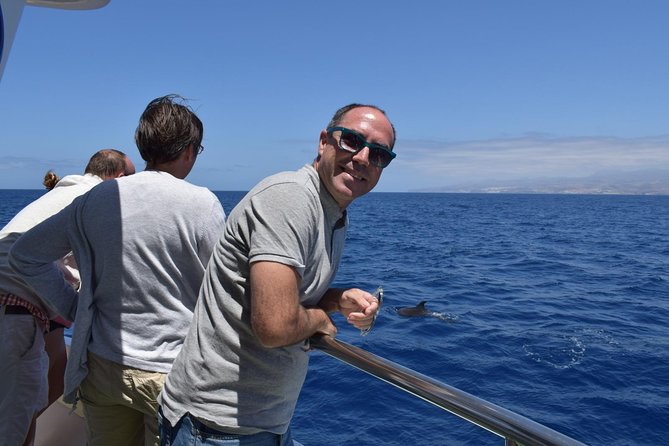
Several passengers call out that the boat size helps with stability—still a boat in the sea, but less “roller coaster” than smaller vessels. At the same time, some feedback mentions the boat can feel full, so don’t expect endless personal space. If you like elbow room, arrive early and stake out your preferred viewing spot before everyone crowds the best angles.
The physical vibe is part of the deal:
- You’ll want to be on deck for spotting
- You’ll want shade or a wind layer if it’s cool or breezy
- You’ll want to keep your phone and camera secure when the boat moves
And yes—there’s a bar aboard. Drinks are not included in the price, and on busier trips the bar stock can feel limited, so don’t count on specialty cocktails as part of your plan.
What “2.5 Hours” Feels Like on the Water (and Why It’s a Good Chunk)
The total duration is about 2 hours 30 minutes. That usually translates to a meaningful stretch out at sea—not a quick in-and-out photo stop.
From there, what you actually “do” is straightforward:
- Board and head out
- The guide scans for marine mammals
- When wildlife appears, you get focused viewing time
- You return, and the activity ends back at the meeting point
For many people, this length hits a sweet spot. It’s long enough to make wildlife spotting realistic, but short enough that you still keep your day. You’re not stuck for half a day if you only want a single excursion in Gran Canaria.
Wildlife Reality Check: Dolphins Are Common, Whales Are a Bonus
This trip is advertised for dolphins and whales, and that’s exactly how it runs: you’re looking for both in the Atlantic. The key phrase for your expectations is “search.” Marine life follows conditions, not schedules.
Here’s what tends to happen based on actual outcomes from past departures:
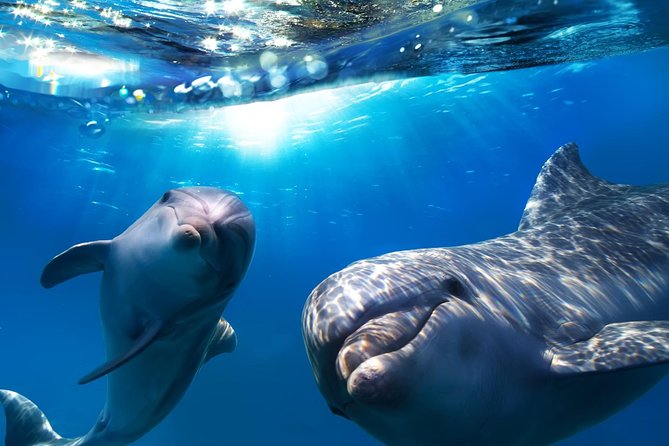
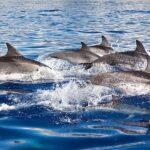
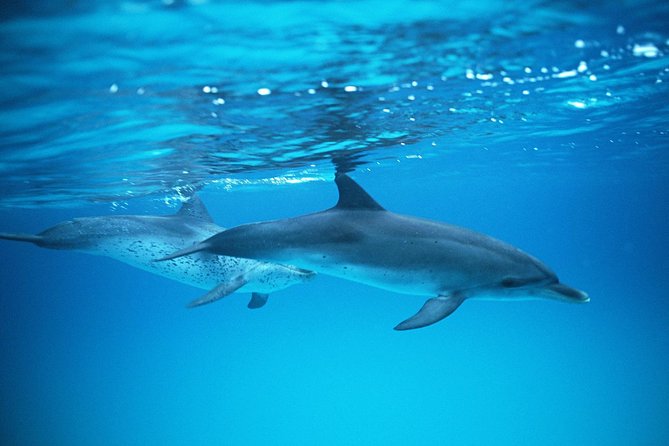
- Dolphins show up frequently, often in pods. People describe dolphins swimming close enough for clear viewing and sometimes staying around for a good stretch.
- Whales are more hit-or-miss. Some trips report whales like humpback sightings, but other days mention only dolphins, or no mammals at all.
- Bonus wildlife can appear in the same session—turtles and even flying fish are mentioned, and one departure notes a hammer shark sighting.
The guide’s job is to help you catch the moment. You’ll usually get behavior explanations when animals surface or travel. That turns the trip from a simple look-and-leave into something you can actually understand.
If you’re whale-focused, go with a flexible mindset. Think: whales are the dream, dolphins are the solid outcome, and everything else is a bonus gift from the sea.
The Onboard Guide Moment: How Explanations Improve Your Spotting
What makes this tour feel higher value than a basic boat ride is the guidance style. The crew is there to help you spot animals and also make sense of what you’re watching.
You’ll hear explanations at the right time—when a pod is near, when you should watch for surface behavior, and what the animals’ movements likely mean. Multiple mentions highlight guides giving timely minutes-ahead warnings before sightings, which helps you position yourself instead of staring at open water like it’s a lottery ticket.
Names that show up with strong credit include Mario and Juan. And one review mentions a small tech hiccup with a microphone; the guide still made extra effort to share information with everyone. That’s a good sign of how they handle chaos.
Bottom line: if you want more than a sightseeing cruise, this is the part that boosts the experience. The guide makes your time on deck more productive.
You can also read our reviews of more dolphin watching tours in Gran Canaria
Deck Views, Photos, and the Practical Stuff (What You’ll Actually Use)
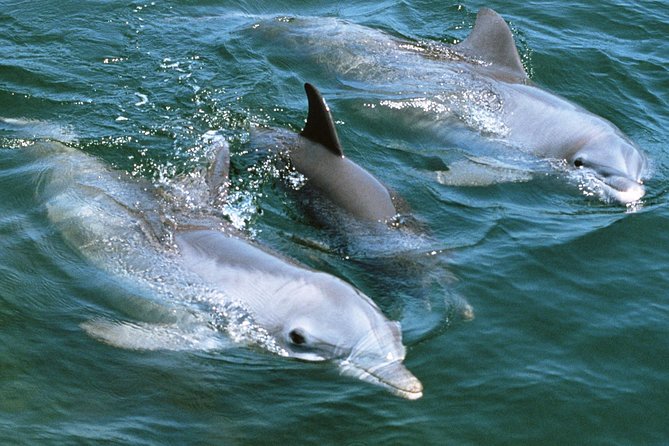
From the boat you get:
- Sea views and rolling Atlantic conditions
- Gran Canaria coastline views as you head out and come back
- Plenty of chances to watch, not just glance
If your plan includes photos, the key is timing. The crew typically helps everyone get a look when animals are near, and many passengers say there’s enough time for photos once the sighting happens.
You might also notice extra photo-related touches on board. One departure references photos taken on boarding and an additional craft item (a keyring) that some people purchase. Whether you care about that stuff is personal, but it’s nice if you want a souvenir beyond just “I saw dolphins.”
Motion Sickness and Rough Water: The Main Trade-Off
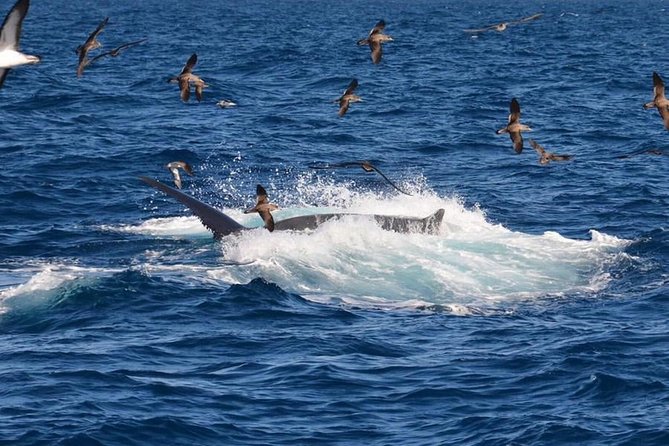
The biggest downside isn’t the wildlife—it’s the sea. If the ocean is choppy, you’ll feel it. Some passengers describe many people getting sick quickly on rougher days, with sick bags available aboard.
So here’s my blunt advice: if you’re prone to motion sickness, bring medication and use it before you feel awful. Don’t wait until your stomach votes to exit your body.
Also, follow crew guidance about where to sit and where not to move during boat turns. Crowding and moving around can make things worse. In particular, one account describes people running around rather than staying in their told positions, which turned the situation chaotic.
This is still a large boat, but “large boat” doesn’t mean “motion-free.” If you know your limits, you’ll have a much better time.
Group Size and Comfort: What “Up to 150” Means for You
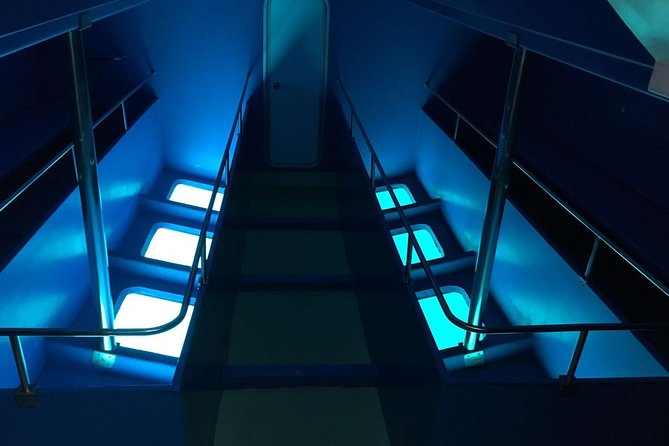
The group size is capped at 150 travelers, and the boat is described as almost 150 in capacity. That’s big enough for a stable ride, but it also means:
- The deck can get crowded when animals surface
- You may need to be quick if you want the best viewing spots
- Expect lines at busy times (boarding or bar moments)
The good news is that crew management seems to work well on most days, with people getting their turn for viewing. The less-good news is that on peak days it can feel full—one complaint calls out overcrowding and mentions missing marine wildlife.
If you want a calmer vibe, aim for steadier weather days and go in early enough to grab your spot.
Price and Value: Is $42.05 Worth It?
At about $42.05 per person, the price is positioned as a mid-range excursion. For dolphin watching in Gran Canaria, it’s not a bargain price, but it can still be good value if you care about guided searching and not just a generic cruise.
What makes the money make sense:
- You’re paying for a professional guide actively scanning
- The boat ride includes time out at sea for wildlife chances
- The duration is long enough to matter (not a 30-minute loop)
- You get the option of onboard drinks, so you’re not forced to leave for refreshments
What hurts the value:
- Wildlife sightings aren’t guaranteed. If your day is windy, choppy, or the animals don’t come close, the experience may feel like an anticlimax.
- Whales are especially variable. If your heart is set on whales, consider booking with flexible expectations.
My practical take: this is a strong choice if you’re happy with dolphins as the likely outcome and you want a guide-led boat trip. If you need whales guaranteed, this is not the right kind of product.
Booking Smart: Weather, Cancellation, and When to Go
This experience requires good weather. If it gets canceled due to poor weather, you’ll be offered another date or a full refund.
That matters because wildlife spotting is tied to sea and wind conditions. On rough days, the search may be harder, and your comfort may drop fast. On calm days, you’ll likely enjoy both the viewing and the ride.
Also note the booking pace: it’s often booked about 9 days in advance. If your dates are fixed, don’t wait until the last minute, especially in peak periods.
Mobile ticketing is used, so you’ll have an easier day once you’re at the pier.
Who Should Book This Tour (and Who Might Skip It)
This tour fits best if you:
- Want a guided dolphin-and-whale search, not just a cruise
- Like being on deck and watching the sea for changing action
- Can handle some motion and know how to prevent sea sickness
- Are okay with wildlife being unpredictable (that’s the whole ocean game)
You might think twice if you:
- Need a calm, guaranteed on-water experience
- Are highly sensitive to motion sickness and can’t take steps to manage it
- Are only interested in whales and will feel disappointed without them
Should You Book This Dolphin and Whale Tour?
If your priority is dolphins, and you want a well-run boat outing with a guide calling sightings and explaining behavior, I’d book it. The boat size, active searching, and the chance of bonus wildlife can make a two-hour stretch feel like a full memory.
If you’re whale-focused or motion-sensitive, book only with a smart plan: bring sea sickness meds, arrive early, and go in expecting dolphins as your likely win. For some days, whales show up. For others, the ocean keeps the secret. When it goes right, it’s genuinely special—and when it doesn’t, at least you know what you were signing up for.
FAQ
How long is the dolphin and whale watching tour?
The tour duration is about 2 hours 30 minutes (approx.).
Where do I meet for the tour in Puerto Rico?
The meeting point is Calle Puerto Escala, C. Puerto Escala, 35130 Puerto Rico, Las Palmas, Spain. The activity ends back at the same meeting point.
What time does the tour start?
The start time is listed as 10:15 am at the meeting point, and the trip is described as starting from Puerto Rico at 11:00.
Is there a bar on the boat, and are drinks included?
There is a bar aboard, but drinks are not included in the price.
Is the tour offered in English?
Yes, the tour is offered in English.
What is the cancellation policy?
You can cancel for a full refund up to 24 hours in advance. The experience requires good weather, and if it’s canceled due to poor weather you’ll be offered another date or a full refund.
If you want, tell me when you’re traveling (month + general time window) and whether you get seasick. I can help you decide if this is the right day to pick for smoother water.