REVIEW · GRAN CANARIA
Gran Canaria Tour: Past and Present
Book on GetYourGuide →Operated by First Minute Travel · Bookable on GetYourGuide
Caves, volcano rocks, and palms in one day. This tour is interesting because it links the island’s past to its living midlands today, with a day of village stops and big panoramic driving. I especially like the Guayadeque Valley cave dwellings and the way the guide keeps the story moving across the island. One watch-out: with hotel pick-ups and lots of stops, the schedule can feel hectic and you may spend more time on the bus than you expected.
I also like that you get more than one side of Gran Canaria: terraces and towns in the interior, sacred volcanic scenery at Roque Nublo, and then the canyon vibe of Fataga. If you want history, views, and “how people live” without renting a car, this is an efficient way to do it.
In This Review
- Key Things to Know Before You Go
- A One-Day Route That Really Covers the Island
- Guayadeque Valley and Its Cave Dwellings: The Day’s Most Memorable Stop
- Teror, Valleseco, and Agüimes: Town Stops With Real Character
- Teror and the Basilica of Our Lady of the Pine
- Valleseco and lunch on your own
- Agüimes as an ancestral starting point
- Roque Nublo: Sacred Volcanic Rock and a Modern Symbol
- The Middle Mountain Region Drive: The Panoramas Between Stops
- Fataga Valley of Thousand Palms and the Aloe Vera Estate
- Fataga: Canyon scenery on the way back
- Aloe vera estate visit: learn and taste the practical angle
- Price and Lunch Reality: Does $58 Feel Like a Good Deal?
- What’s included
- Logistics: Pickup Time, Bus Hours, and How to Sit for Better Views
- Seating tip
- Language balance
- The bus driver matters
- Who This Tour Suits Best (and Who Should Skip It)
- Should You Book the Gran Canaria Past and Present Tour?
- FAQ
- How long is the Gran Canaria Past and Present tour?
- Where does pickup happen?
- What does the tour include besides the bus ride?
- Is lunch included?
- What languages is the guide available in?
- What should I bring for this tour?
- How far in advance can I cancel for a refund?
- Can I reserve without paying right away?
Key Things to Know Before You Go
- Guayadeque Valley cave houses: A protected natural setting tied to pre-Hispanic settlement.
- Las Medianías midlands driving: You’ll see the island’s agricultural life change as you climb.
- Roque Nublo area: A volcanic rock that matters to the ancient islanders and today’s identity.
- Teror and Valleseco time on your own: Real breathing room in charming towns.
- Fataga Valley of a Thousand Palms: A dramatic canyon return route.
- Aloe vera estate visit: You stop at a local farm to learn about the plant.
A One-Day Route That Really Covers the Island
Gran Canaria isn’t just beaches. This tour gives you a guided “from ocean to mountains” feel, without you having to plan each turn in the road. You start with pick-ups across several southern bases (Playa del Inglés, Maspalomas, Costa Meloneras, San Agustín, Bahía Feliz, Taurito, and Puerto Mogán), then you head inland for a full day of scenery and stops.
The practical value is clear: you get a lot of geography packed into 8 hours with a professional guide. That means you’re not guessing where to go for caves, where to see midlands agriculture, or what that dramatic rock formation in the distance actually means.
One more thing I appreciate: the pacing is structured. Yes, it can be busy, but it’s busy in a purposeful way—each stop adds a different piece of the island puzzle.
You can also read our reviews of more tours and experiences in Gran Canaria.

Guayadeque Valley and Its Cave Dwellings: The Day’s Most Memorable Stop
If you only remember one part, make it Guayadeque Valley. This is a natural monument area where cave dwellings were inhabited since pre-Hispanic times. The guide route here matters, because you’re not just looking at caves from the roadside—you’re learning why this place worked for people long ago.
Expect a sense of lived-in history rather than museum-style facts. The setting is part of the story: sheltered spaces, a valley shape that creates different micro-climates, and a place that shows how people adapted to the island’s terrain.
This stop also helps you understand the tour’s theme—past and present aren’t separate chapters. You see how older ways of living shaped the island’s cultural identity, then you roll forward into modern villages and agriculture later in the day.
Teror, Valleseco, and Agüimes: Town Stops With Real Character
After the cave valley, the tour shifts from natural monument to everyday island life. You’ll visit Teror, plus Vallesco (with time to stroll) and Agüimes along the way. These towns are a good contrast to the dramatic inland viewpoints.
Teror and the Basilica of Our Lady of the Pine
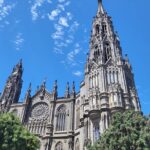
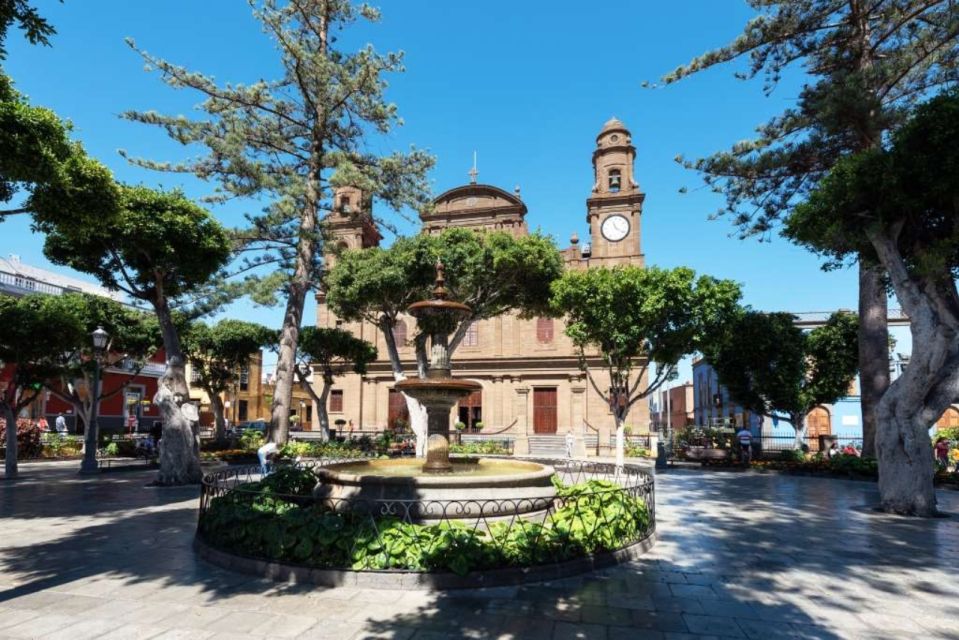
Teror is known for the imposing Basilica of Our Lady of the Pine. Even if you’re not the type who loves churches, it’s still worth your attention. A big landmark like this anchors the town’s identity and gives you something concrete to orient around as you walk and look.
Valleseco and lunch on your own
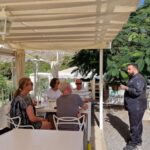
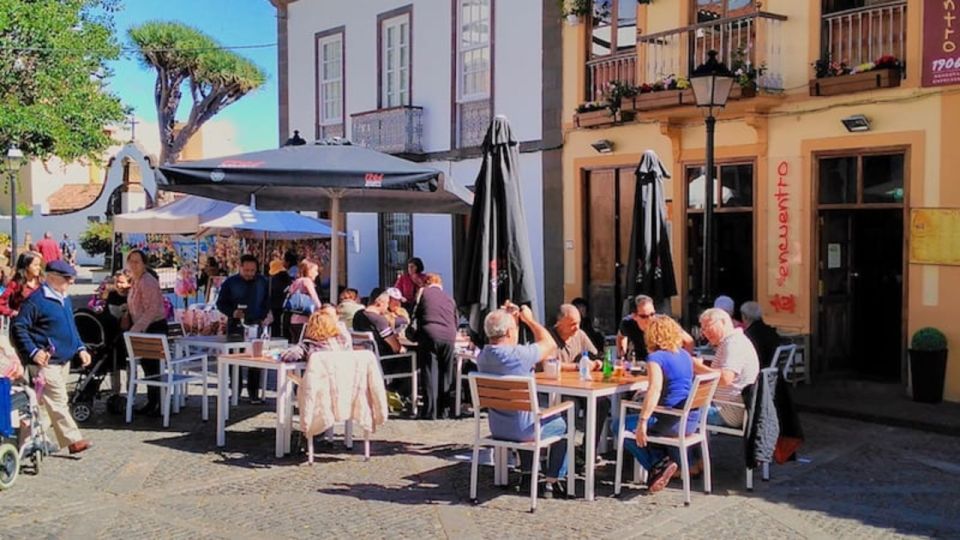
Valleseco sits in a protected natural space, and the tour gives you free time to stroll and enjoy lunch on your own. This is one of the parts where you control your day. If you want a slower pace, this is your chance—just factor in that the rest of the day will still stay on a timetable.

Agüimes as an ancestral starting point
The tour also frames Agüimes as an ancient aboriginal settlement stop, connecting you to the island’s earlier inhabitants before you head into the midlands and volcanic sights. If you’re trying to understand Gran Canaria beyond today’s resorts, this matters.
Roque Nublo: Sacred Volcanic Rock and a Modern Symbol
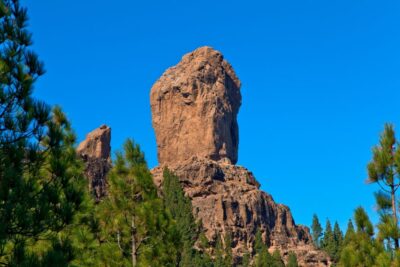
One of the iconic moments is reaching the Roque Nublo area. This volcanic rock formation is described as holding sacred significance for the ancient islanders and also serving as a present-day symbol of Gran Canaria.
What makes Roque Nublo compelling is that it works on two levels at once:
- It’s a dramatic landmark you can recognize in the distance.
- It’s tied to older beliefs, which gives the views context rather than just scenic photos.
This is the kind of stop where the guide’s storytelling changes how you look around. Instead of only seeing a rock, you start noticing why it became meaningful.
If you like photography, plan to use your time efficiently here, because this is the type of viewpoint where the light can shift quickly as the bus keeps moving.
The Middle Mountain Region Drive: The Panoramas Between Stops
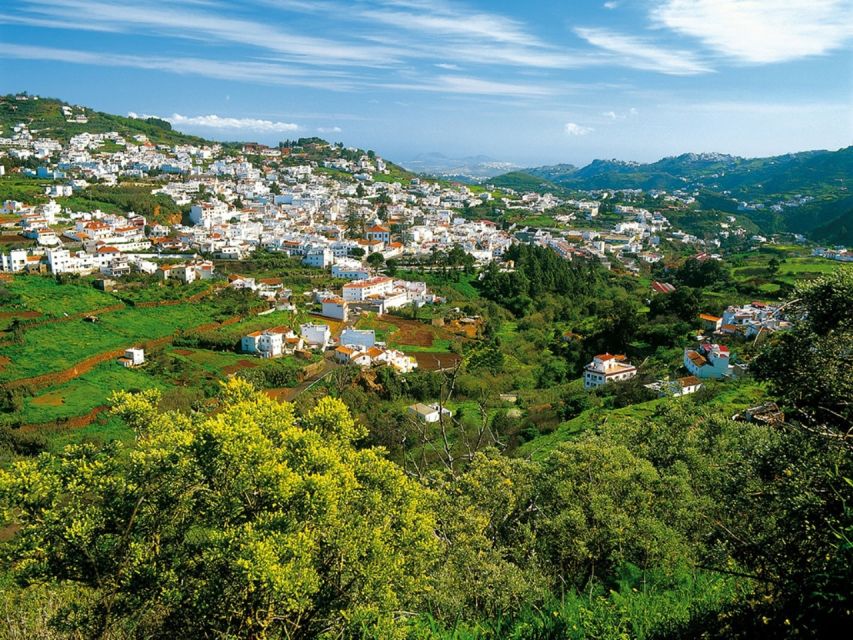
A big part of why this tour feels like more than a checklist is the panoramic driving. The route is built around the Middle Mountain Region and the area known locally as Las Medianías, the midlands.
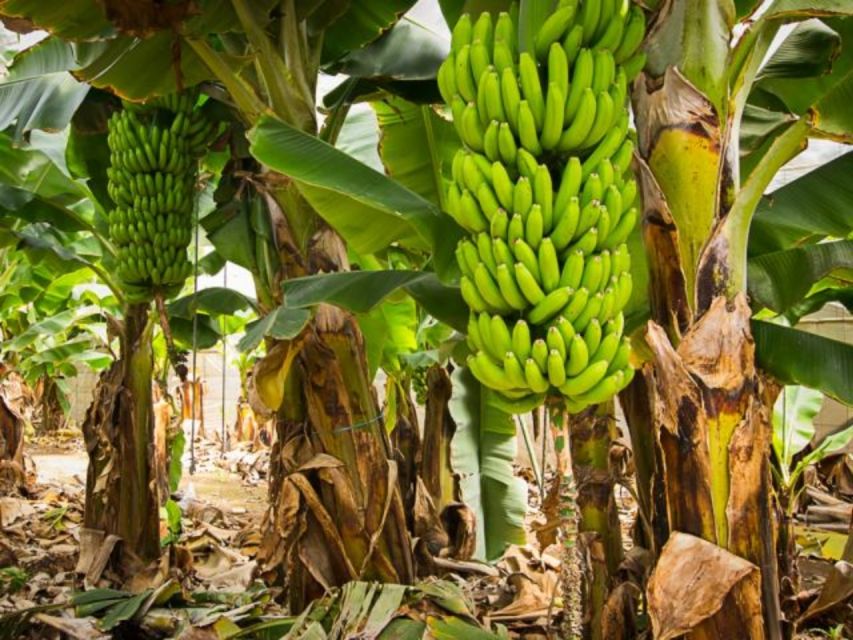
You’ll see how the island’s farming changes as you climb—lush greenery and agricultural and livestock areas, plus a view of banana plantations around Arucas before you reach Teror. That Arucas banana-plantation moment is a useful contrast to the cave valley and the rock formations later.
This segment is also where you’ll feel the benefits of having an experienced bus driver. Narrow roads and mountain curves are part of the deal here, and the driving matters. When you’re not steering and parking, you can actually watch the scenery and listen at the same time.
Fataga Valley of Thousand Palms and the Aloe Vera Estate
Fataga: Canyon scenery on the way back
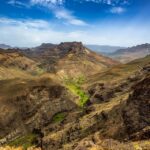
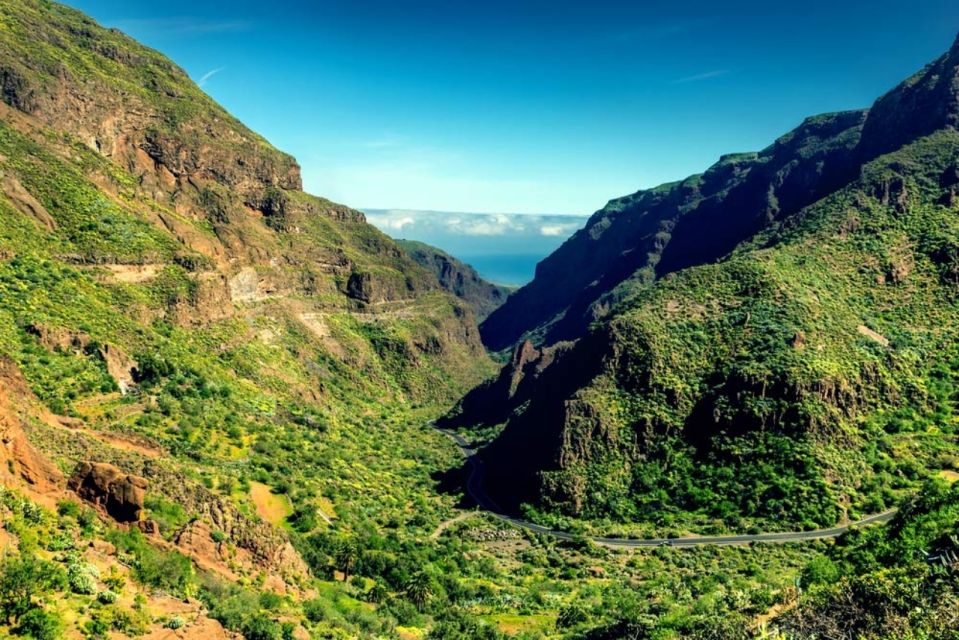
On your return, you’ll pass through the Valley of the Thousand Palms, known as Fataga. This is the tour’s “wow” canyon moment, and it gives you a final change of scenery before you head back to the south coast.
Even if you’ve seen palms in Gran Canaria before, a canyon view can feel totally different. The valley setting adds depth, and it’s a natural place to finish the day visually.
Aloe vera estate visit: learn and taste the practical angle
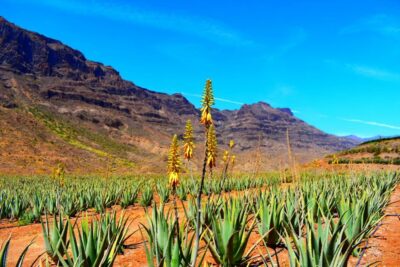
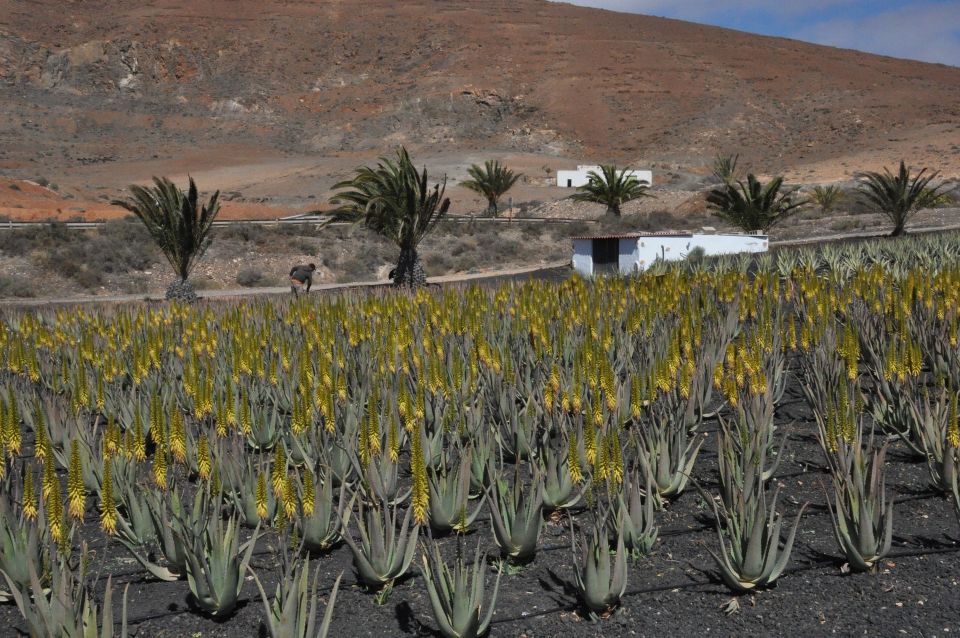
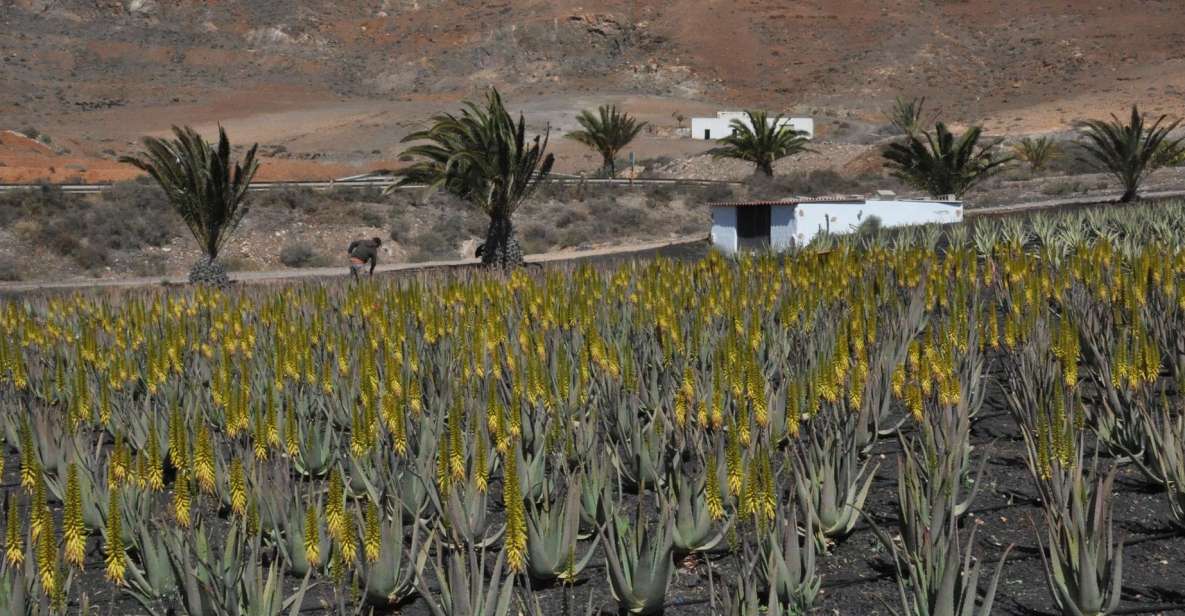
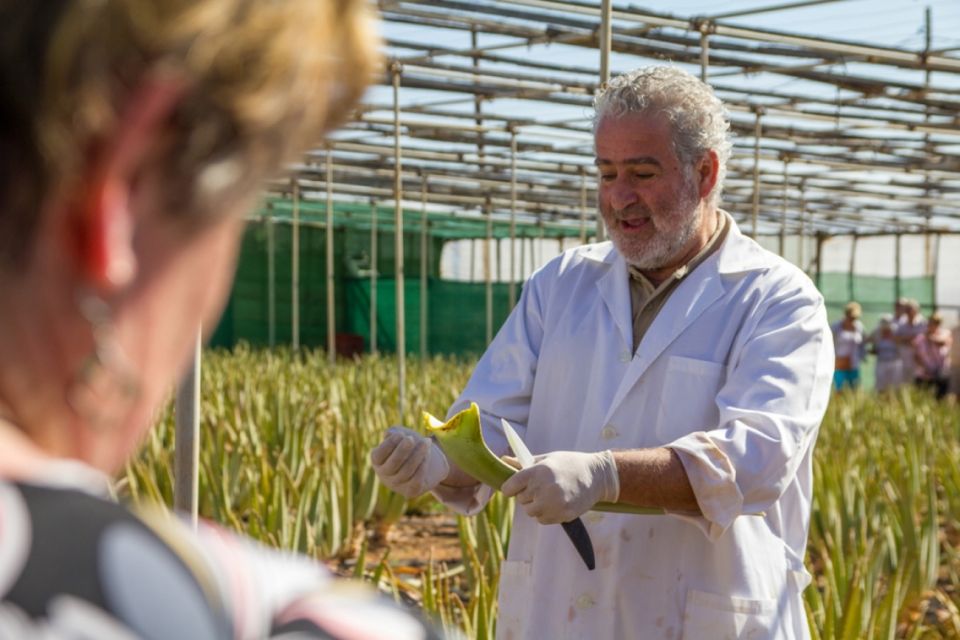
The day also includes a visit to an aloe vera estate (a local farm where you can learn about the plant and why it’s valued). Aloe is one of those island realities that shows up in products, homes, and local remedies. Here, you get the plant-focused stop that turns a “health ingredient” into something with an actual place behind it.
This part isn’t just a photo stop. It’s educational in a grounded way—how the plant is grown and why it matters locally.
Price and Lunch Reality: Does $58 Feel Like a Good Deal?
At about $58 per person for an 8-hour bus day, you’re paying for organization: transport, a professional guide, and the guided visits that string together multiple regions. If you’re staying in the south and don’t want to rent a car, that value can be solid.
But you should go in with clear expectations about meals:
- Lunch and drinks aren’t included.
- The tour provides time for lunch on your own (especially around Valleseco).
- Some days include a lunch option where you pay a set price, and quality can be hit-or-miss depending on the set menu.
So I’d treat lunch as a budget item rather than a surprise. If your priority is great food, use the free-time window to choose what fits your taste instead of feeling locked into whatever’s offered.
What’s included
What you’re getting for your money is the structure:
- Professional tour guide
- Pickup from multiple southern areas
- Stops/visits including Guayadeque and its cave houses, Teror, the Roque Nublo area, Tunte, plus the aloe vera estate
- Leisure time to explore Valleseco
That’s why the price can work: you’re not paying just for the bus ride, you’re paying for guided access and sequencing.
Logistics: Pickup Time, Bus Hours, and How to Sit for Better Views
This is the one area where your expectations need calibrating. The tour includes pickup across a wide area, and pick-up and drop-offs can take time. On some departures, people report returning later than expected, mainly because multiple zones are involved.
That means:
- You should bring patience for a long day.
- You may spend more time on the bus than the 8-hour headline suggests, depending on your start point.
Seating tip
You’ll likely get views from any seat, but if you’re someone who cares about angles and sight lines, pick a side early and stick with it. Since the route includes both valley and midland drives, changing seats constantly can waste time and stress.
Language balance
The guide operates in English, Spanish, and German. On the best days, explanations flow well in multiple languages. On tougher days, the emphasis can shift depending on the group mix, so if you’re traveling in English or Spanish and want every detail, ask the guide to clarify when switching languages.
The bus driver matters
This tour depends on mountain roads. Having an experienced driver is a genuine part of your comfort and safety, not a minor detail. The good news: when the driving is smooth, you can focus on the scenery and storytelling instead of bracing for every turn.
Who This Tour Suits Best (and Who Should Skip It)
This tour is a great fit if you:
- Want a structured way to see interior Gran Canaria from the south
- Like history framed through real places like caves and old settlements
- Want both viewpoints and village time, not just endless scenic stops
- Prefer guided sequencing over self-drive planning
You might want to skip it if you:
- Hate long bus days or get motion-sick easily
- Want very flexible timing with no schedule pressure
- Are picky about lunch quality and dislike set-menu options
- Need a slower, more relaxed pace without back-to-back stops
Should You Book the Gran Canaria Past and Present Tour?
If you want a fast, guided “past meets present” day that covers caves, sacred volcanic scenery, canyon views, and a practical aloe stop, this is an easy yes. The value is strongest when you want all the driving and interpretation handled for you, especially if you’re staying around Playa del Inglés or Maspalomas.
Just book with eyes open. Bring comfortable shoes, a windbreaker, and expect a day that can feel busy. If you’re the type who likes control, plan to choose your lunch during your free time in Valleseco rather than treating meals as a sure thing.
FAQ
How long is the Gran Canaria Past and Present tour?
It runs for 8 hours.
Where does pickup happen?
Pickup is available from Playa del Inglés, Maspalomas, Costa Meloneras, San Agustín, Bahía Feliz, Taurito, and Puerto Mogán.
What does the tour include besides the bus ride?
You get a professional tour guide, plus visits and stops including Guayadeque and its cave houses, Teror, the Roque Nublo area and Tunte, an aloe vera estate visit, and leisure time to explore Valleseco.
Is lunch included?
No. Lunch and drinks are not included. You’ll have leisure time in Valleseco where you can have lunch on your own.
What languages is the guide available in?
The live tour guide is available in Spanish, English, and German.
What should I bring for this tour?
Bring comfortable shoes, a windbreaker, and comfortable clothes.
How far in advance can I cancel for a refund?
You can cancel up to 24 hours in advance for a full refund.
Can I reserve without paying right away?
Yes. The option is reserve now & pay later (book now and pay nothing today).