REVIEW · GRAN CANARIA
Full-Day Gran Canaria Island Tour – Cumbres
Book on Viator →Operated by VIMOTIONS · Bookable on Viator
Gran Canaria from bus windows is one thing. Gran Canaria by guided circuit is another, and this full-day Cumbres tour is built for getting your bearings fast. I really liked the included viewpoints around Roque Nublo and Cruz de Tejeda, and I also appreciated how the guide talk ties the scenery to what you’re seeing. The main drawback is that the schedule is tight, so some stops feel more like quick photo breaks than real hangs out.
A big part of the experience is how the day flows from north-side towns down toward the mountains. You’ll get professional guiding (often in multiple languages at once) and an air-conditioned vehicle for long stretches, but you should also expect plenty of sitting time and winding road travel. If you’re staying in the south, hotel pickup and drop-off can be available; if not, you’ll use the meeting point near public transport.
In This Review
- Key things I’d pin to the top of your list
- A fast way to connect the dots on Gran Canaria
- Price and what you truly get for $51.59
- Pickup reality: who gets hotel pickup and who should plan around the meeting point
- Parque Rural del Nublo: the hour that makes the day feel worth it
- Telde, Arucas, and Firgas: town stops with mixed time and payoff
- Cruz de Tejeda and Roque Nublo: the iconic stops that make the camera work
- Fataga and Valleseco: the switch from big views to local rhythm
- San Bartolomé de Tirajana: how the day lands back toward the coast
- The aloe vera farm stop: extra time or extra sales?
- Guides and drivers: why multi-language days can be both fun and tricky
- What to watch for: the tight timing problem
- Who this tour is perfect for (and who should skip it)
- Should you book the Cumbres tour?
- FAQ
- How long is the Gran Canaria Cumbres tour?
- What time does it start?
- Is hotel pickup included?
- Is lunch included in the price?
- What landmarks will I see?
- How big is the group?
- Can the tour be canceled for a full refund?
Key things I’d pin to the top of your list
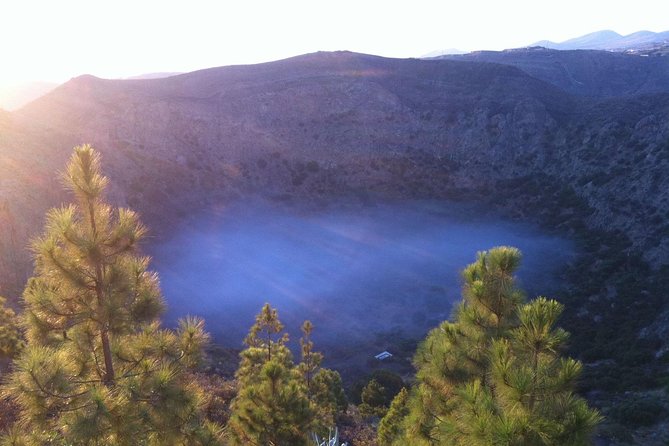
- Roque Nublo and Cruz de Tejeda photo stops: you get the famous angles without having to drive mountain roads yourself
- Parque Rural del Nublo is booked-in for an hour: not just a drive-by, you actually have time to look around
- Village stops spread out the day: Telde, Arucas, Firgas, Fataga, Valleseco, and San Bartolomé de Tirajana keep it from feeling repetitive
- Lunch is optional and on your own: you control what you eat, but you must budget extra
- Small-to-mid group feel (max 50): easier chatting, quicker boarding, and less chaos than big mass tours
- Potential aloe vera farm stop at the end: some people love the extra stop, others don’t want the sales pitch
A fast way to connect the dots on Gran Canaria
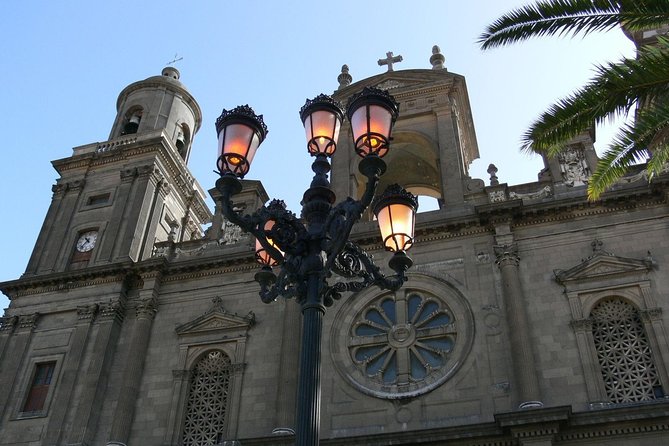
This tour is basically a whole-island crash course, designed for days when you have one shot to see a lot. The route aims to mix coastal-and-town textures with the interior’s big landscape drama. If you’re new to Gran Canaria, this kind of guided overview helps you understand why locals talk about the mountains the way they do.
What makes it work is the balance of driving, short structured stops, and at least a few moments where you can step out and actually take in the views. It’s not a slow, wandering day. Think of it as a steady feed of places, with the guide adding context as you go.
You can also read our reviews of more tours and experiences in Gran Canaria

Price and what you truly get for $51.59
At $51.59 per person for a roughly eight-hour day, the value mostly comes from what’s bundled: round-trip transport, a professional guide, insurance, and entrance fees tied to the main visit (including the Parque Rural del Nublo time slot). You’re also not paying extra to get to the mountains and back, which is where driving logistics can get annoying fast.
Where the math gets personal is lunch. Lunch is listed as 11€ in the day’s add-on information, but you should plan for it to run closer to 13€ based on what people reported on the day. Either way, you’re choosing an optional meal rather than being locked into a long sit-down experience.
If you’re the type who hates navigating unfamiliar roads, this is a strong trade: you pay for the convenience and the guiding, not for long free time.
Pickup reality: who gets hotel pickup and who should plan around the meeting point
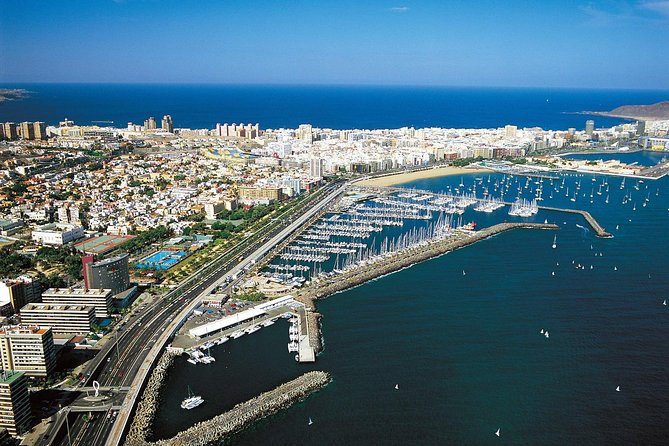
Pickup is a key part of the day, but it isn’t universal. Hotel pickup and drop-off is only available for people staying in the south of Gran Canaria. If you are in the south, pickup might be right at your hotel or at the nearest pick-up point if your hotel isn’t used for boarding.
If you’re not in the south, you should plan to meet near public transportation. In that case, it’s smart to arrive early with time to spare. This isn’t a “late is fine” tour. The roads and the schedule won’t wait around for stragglers.
Parque Rural del Nublo: the hour that makes the day feel worth it
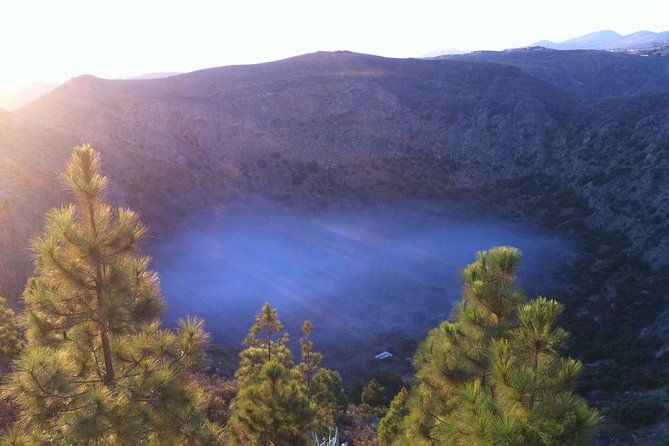
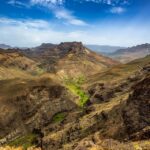
Your day starts with Parque Rural del Nublo, and you get a full one hour there with admission included. This is the stop where you can start to feel what makes Gran Canaria different from beach-only pictures. The setting is all about altitude, rock formations, and the sense of being in the middle of the island, not just looking at it.
This is also where a good guide earns their keep. One of the best parts of the experience is having someone explain what you’re seeing as you look around. Even when the group is on a tight timetable, this hour is your best chance to slow down and really study the landscape for a few minutes at a time.
Practical tip: wear shoes you’re comfortable walking in. Even short stops involve uneven ground and quick transitions.
Telde, Arucas, and Firgas: town stops with mixed time and payoff
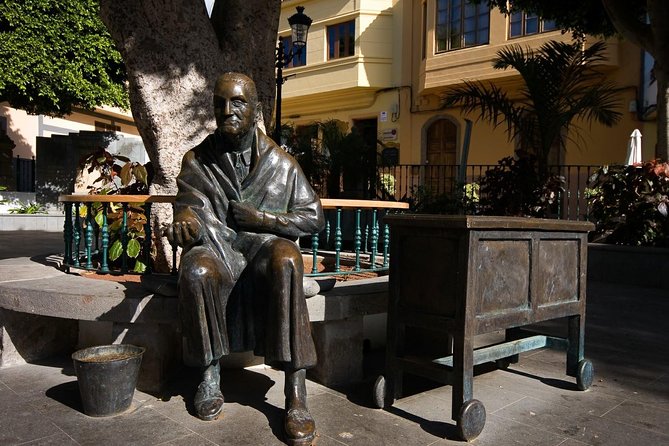
After the first scenic chunk, the day shifts into villages and towns. You’ll see places like Telde, Arucas (a 30-minute stop with no admission fee), and Firgas, plus other town stretches tied to Fataga, Valleseco, and San Bartolomé de Tirajana.
Here’s the key thing to know: these town moments often feel like photo-and-walk breaks. For example, Firgas can be quick, with time mainly for seeing the church area from outside and then moving on. There may also be practical bottlenecking like limited public toilet availability, which turns waiting into part of the “experience.”
Arucas is short enough that you’ll likely focus on the main sights and atmosphere rather than trying to do more than one thing. If you love architecture and street life, you’ll enjoy the variety. If you want long guided wandering, just keep expectations realistic.



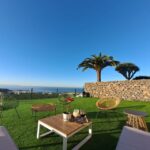
Cruz de Tejeda and Roque Nublo: the iconic stops that make the camera work
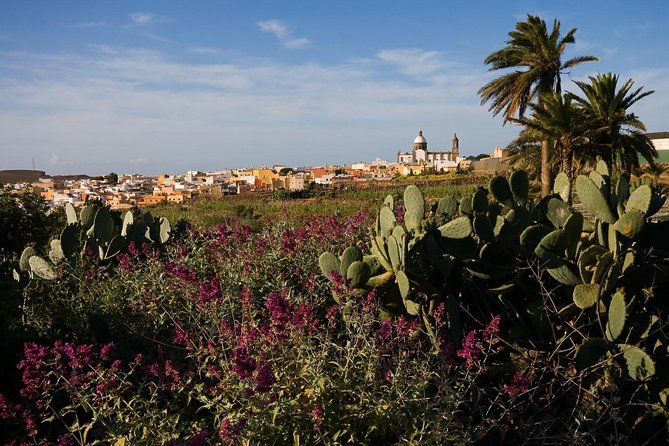
Photo stops at Cruz de Tejeda and Roque Nublo are the headline sights for a reason. This is where you’ll see the dramatic mountain silhouettes people associate with Gran Canaria. Even if you’ve seen these landmarks online, seeing them in person is different because of scale and the way the light changes across the rocks.
This is also where timing matters. Photo stops aren’t long enough to treat them like a hike-and-linger spot. You’ll get enough time for photos and quick viewing, but the real value is the guide helping you see what to look for so your photos don’t end up looking like random rock shots.
If you can, bring sunglasses and a hat. Elevation can mean stronger light and wind than you expect on a full-day tour.
Fataga and Valleseco: the switch from big views to local rhythm
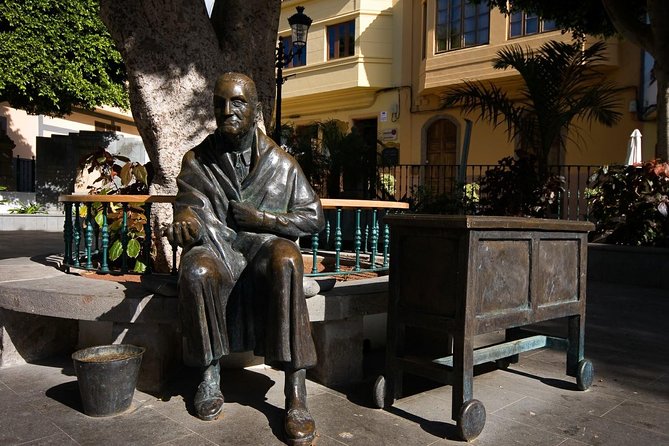
This tour doesn’t just do one kind of scenery. It mixes the high-impact viewpoints with inland towns and valley areas such as Fataga and Valleseco. These are the places where the island’s character shows up in the details: village layouts, smaller roads, and the way the scenery changes as you move through altitude.
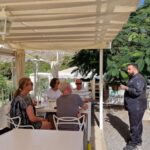
Lunch happens around Valleseco and is own expense. That can be a plus if you like choosing what fits your mood. The trade-off is you don’t pick from endless restaurants. The lunch option is tied to the day’s schedule, so you should go into it hungry and prepared to spend a bit.
One useful takeaway from people who did the lunch add-on: the meal is okay, but it’s not a food festival. If you’re picky or you love desserts, don’t rely on the add-on to wow you.
San Bartolomé de Tirajana: how the day lands back toward the coast
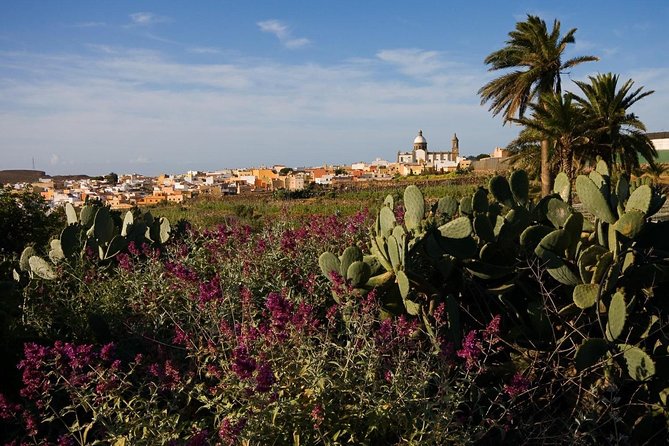
By the time the route reaches San Bartolomé de Tirajana, you’re shifting from the high, scenic core back toward more familiar island life. This is when you’ll appreciate the guide’s running commentary a lot more, because you can start to connect why the towns are where they are and how the terrain shapes life.
It’s also when fatigue can set in. The day’s pace is structured, and you’ll spend plenty of time on the vehicle as you move between areas. If you’re sensitive to long bus time, plan a “do less afterward” kind of evening.
The aloe vera farm stop: extra time or extra sales?
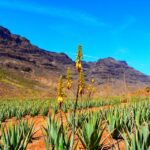
In some versions of the day, you’ll end with a stop at an aloe vera farm, which can come with a sales element. People’s reactions split here. Some like the extra break from the driving. Others felt it turned into a sales pitch and didn’t match what they hoped for.
My practical advice: treat it as a bonus, not the core. If you’re mainly there for the mountains and landmarks, you’ll still get your money’s worth even if the farm stop isn’t your favorite part.
If you do go along, keep an eye on your time. This is one of the moments where you can easily feel like you’re inside a commercial stop rather than an authentic, stop-and-look moment.
Guides and drivers: why multi-language days can be both fun and tricky
A lot of the day’s success depends on the guide and driver. Some days include guides like Tom or Simon, with commentary that keeps the group engaged and makes the landscape understandable. Drivers like Manolo also matter here. The roads can be steep and bendy, and the driver’s confidence changes the vibe inside the bus.
The slight downside to multi-language guiding is that when the guide talks in more than one language, you can lose your place. One language might land for you while another feels like repeat listening. You can handle this by tuning in during the most visual moments. When you’re standing outside, you’ll hear less of the explanation and you’ll rely more on what you can see. That helps.
What to watch for: the tight timing problem
The schedule can feel like a “whistle stop” day. Some stops run short, and you may only get around 20 to 30 minutes in a given town. That’s not unusual for an eight-hour circuit, but it does mean you should come with a clear goal: views, landmarks, and an overview.
There’s also a reality of parking and narrow roads. On steep mountain routes, it’s possible for a stop to be limited by where the bus can safely stop. That can mean missed or shortened moments, depending on the day.
If you want slow travel, this isn’t that. This is for collecting highlights and moving on.
Who this tour is perfect for (and who should skip it)
This tour is a good match if you:
- are visiting for a short time and want an island overview without driving
- love big viewpoints like Roque Nublo more than long shopping detours
- prefer guided context over guessing why a landscape looks the way it does
- enjoy meeting multiple towns in one day, even if each stop is brief
You might skip it if you:
- hate bus time and want mostly walking time
- want a more flexible itinerary where you linger where you like
- are very food-focused and don’t want to rely on the optional lunch structure
- expect highly personalized, stop-for-your-interest timing
A simple rule: if you want highlights and guidance, book it. If you want freedom and deep wandering, renting a car might suit you better.
Should you book the Cumbres tour?
I think you should book this tour if you’re on a time crunch and you want the classic mountain sights plus a route that covers both town life and interior views. The included transport and entry fees make it a clean, low-stress way to see a lot in one day, especially if you don’t want to handle mountain driving.
But book it with eyes open. It’s structured, and you’ll spend plenty of time moving from stop to stop. The town moments are quick. The lunch is optional and average-to-fair rather than memorable for most.
If your top priority is getting to Roque Nublo and Cruz de Tejeda without planning logistics, this tour delivers. If you want slow, detailed exploration, you’ll feel the schedule pinch.
FAQ
How long is the Gran Canaria Cumbres tour?
The tour runs for about 8 hours.
What time does it start?
It starts at 9:00 am.
Is hotel pickup included?
Pickup is offered, but only for people staying in the south of Gran Canaria. Pickup can be at your hotel or at the nearest pick-up point.
Is lunch included in the price?
Lunch is not included. It’s available to purchase, listed as 11€ in the tour information, though some people reported a higher price on the day.
What landmarks will I see?
You’ll have photo stops at major highlights including Cruz de Tejeda and Roque Nublo, and you’ll spend time in the Parque Rural del Nublo area.
How big is the group?
The tour has a maximum of 50 travelers.
Can the tour be canceled for a full refund?
Yes. You can cancel up to 24 hours in advance for a full refund.