REVIEW · GRAN CANARIA
PADI Rescue Diver Course in Gran Canaria
Book on Viator →Operated by Blue Water Diving · Bookable on Viator
Rescue skills change how you feel underwater. This two-day PADI Rescue Diver Course in Gran Canaria focuses on practical emergency response, with step-by-step instruction and scenario practice led by instructors like Kate and Chris. What I like most is how the training mixes calm classroom-style theory with real-world skill drills, so you’re not just memorizing checklists. One thing to consider: it’s aimed at already-certified divers, and you’ll need to meet the health/fitness requirements and complete a questionnaire before getting in the water.
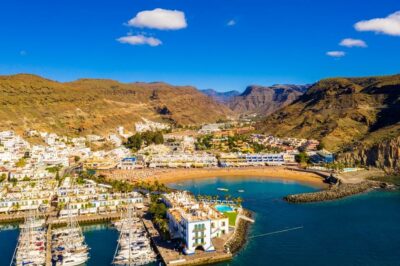
Gran Canaria’s west coast setting also helps. Day 1 is done either in the local bay of Amadores or in an on-site pool, then Day 2 goes to Amadores Beach for the actual rescue scenarios. If you’re hoping for a long, relaxing vacation day, this course is more like “training with a view,” not a slow beach stroll.
In This Review
- Key highlights you’ll care about
- PADI Rescue Diver Course in Gran Canaria: where the training happens
- What you actually learn: self-rescue and handling unresponsive divers
- Day 1 skills: Amadores bay or an on-site pool
- Day 2 at Amadores Beach: the two rescue scenarios
- Instructor quality at Blue Water Diving: clear teaching and a safety-first vibe
- Price and value: what $397.58 includes (and why it matters)
- Logistics that can make or break your day
- Before you go: health questionnaire, flying timing, and fitness
- Who should book this course (and who should pause)
- Should you book the PADI Rescue Diver Course in Gran Canaria?
- FAQ
- What certification do I need for the PADI Rescue Diver Course?
- How long is the course?
- Where does Day 1 training take place?
- Where are the rescue scenarios completed?
- What’s included in the price?
- Are food and drinks included?
- Is hotel pickup available for every hotel in Gran Canaria?
- What time does the activity start?
- Where is the meeting point?
- Do I need to complete a health questionnaire?
- Can I cancel for free?
Key highlights you’ll care about
- 2-day schedule that keeps momentum: theory + skills Day 1, scenario rescues Day 2
- Amadores is the real test: the course’s two rescue scenarios happen at Amadores Beach
- Small group size (max 6): you get more direct attention when it counts
- Safety-first coaching from Kate and Chris: clear teaching with a friendly, supportive feel
- Price includes certification fees + insurance: you’re not guessing what the final cost will be
- Hotel pickup for selected hotels: fewer logistics headaches once you’re there
PADI Rescue Diver Course in Gran Canaria: where the training happens
This course is based on Gran Canaria’s west coast, using the area around Amadores as your main training zone. Amadores is a smart choice for rescue training because you can build skills in controlled conditions, then use a real beach setting for the scenarios.
The day-to-day logistics are also pretty straightforward. You start at 9:00 am from Euronet ATM Manixa (C. Doreste y Molina, 18, 35130 Puerto Rico), and the activity ends back at the meeting point. There’s also hotel pickup and drop-off, but only for selected hotels—so it pays to confirm whether your accommodation is in the pickup list before you book.
Another practical detail: the course runs with a maximum of 6 travelers, which matters in a rescue course. In an emergency-themed program, you don’t want to feel like you’re waiting your turn while everyone else practices. A smaller group usually means better feedback, tighter supervision, and fewer awkward pauses.
You can also read our reviews of more tours and experiences in Gran Canaria.

What you actually learn: self-rescue and handling unresponsive divers
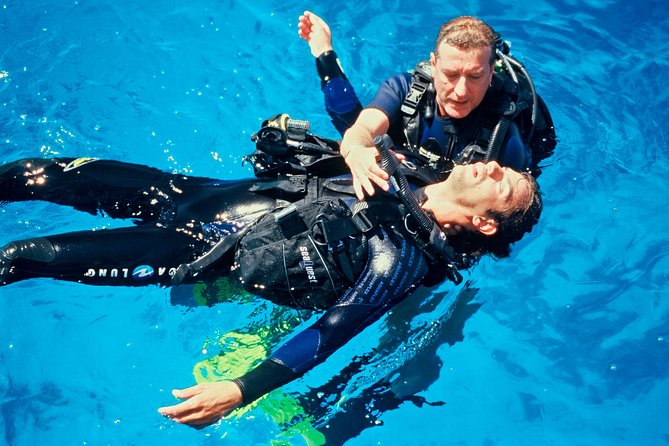
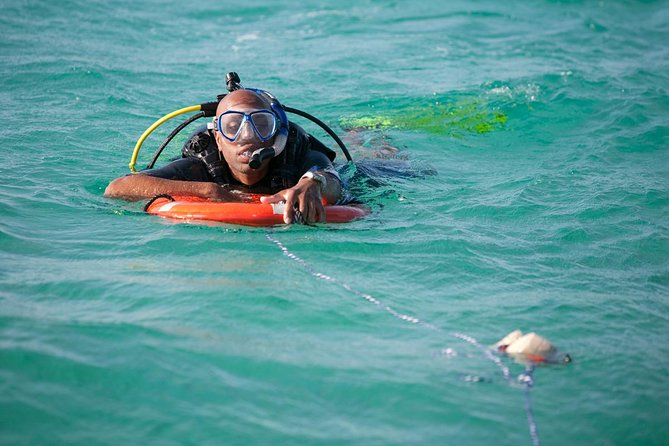
The big promise of the PADI Rescue Diver Course is that you’ll practice how to respond when things go wrong—not just how to avoid trouble. Over two days, you work on both self-rescue techniques and rescue response for an unresponsive/unconscious diver.
That combination is what makes this course useful for real life. You learn that rescue isn’t only about towing someone to safety. It starts with keeping yourself in control. If you don’t manage your own breathing, position, and awareness, you can turn a simple problem into a second emergency.
The program covers two arenas:
- Underwater response skills, including how to recognize the situation and move properly
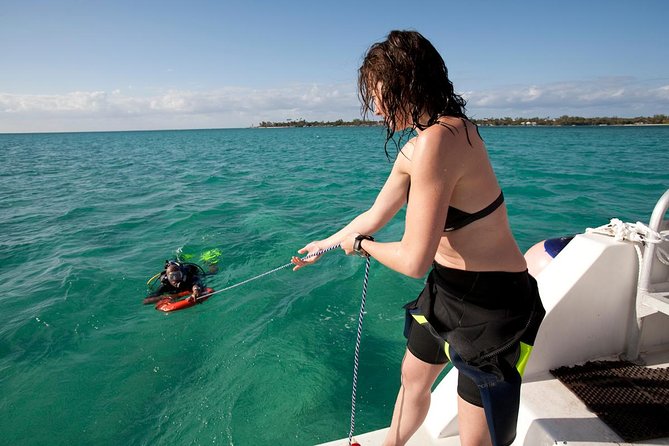
- Surface response skills, where you handle the diver after the underwater part and keep the response organized
You’ll also go through simulated rescue situations, designed to test decision-making under pressure. The goal isn’t to turn you into a movie hero. It’s to help you react in a way that’s calm, repeatable, and grounded in a clear process.
Day 1 skills: Amadores bay or an on-site pool
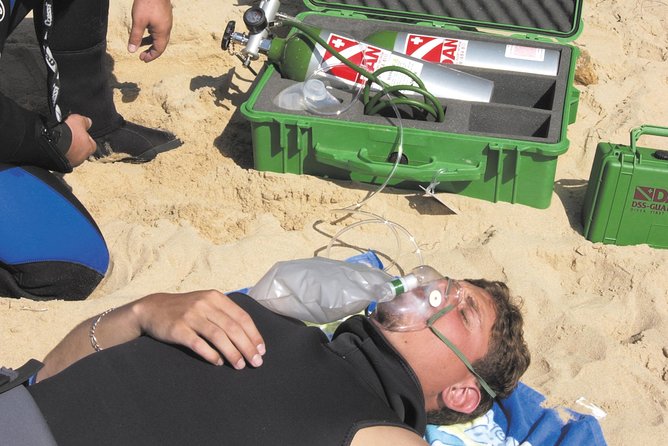
Day 1 is where you build the foundation. The instruction starts with the skills being shown either in the local bay of Amadores or in an on-site pool. That split is important. A pool lets you focus on technique without surface variables, while a bay setting can help you start getting comfortable with the natural water environment.
Either way, your first day is about getting your body and your mind synced to rescue steps. Expect instruction that walks you through key actions, then gives you room to practice them safely. Rescue training works best when you can repeat movements without feeling rushed, so the early pace is deliberate.
This is also the day you’ll likely feel the biggest change in mindset. Many newly Open Water certified divers are still thinking about buoyancy and navigation. Rescue training adds a new layer: you’re learning how to spot problems early, and how to move with purpose rather than panic.
And yes, you’ll still be learning in a scenic place. Amadores’ setting helps keep the mood light even when the subject matter is serious. You can take the whole “emergency response” thing seriously without making it feel grim.
Day 2 at Amadores Beach: the two rescue scenarios
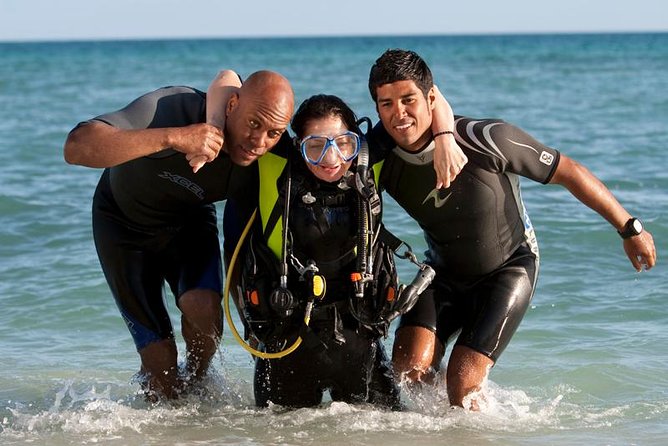
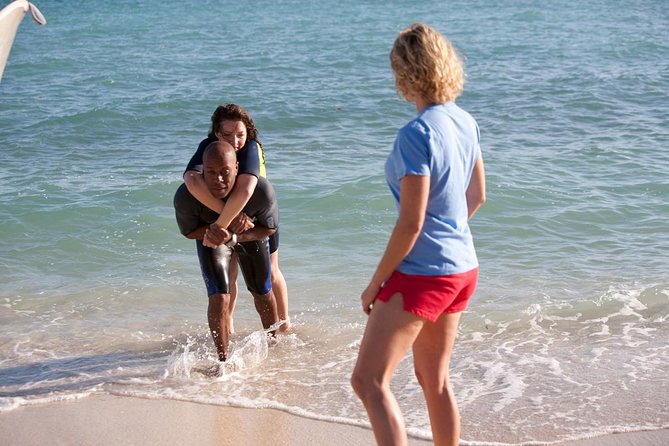
Day 2 is where the course becomes more intense and more real. You head to Amadores Beach to complete the two rescue scenarios.
Scenarios matter because they force you to apply skills in sequence. It’s one thing to perform a technique when someone says exactly when to start. It’s another thing to recognize a problem, decide what to do, execute without losing control, then manage the diver’s state both underwater and on the surface.
By the end of Day 2, you should be able to connect the dots:
- Self-rescue first, so you don’t become the second person needing help
- Rescue approach and response procedures underwater
- Surface steps for an unresponsive/unconscious diver, with organized handling
This is the moment where confidence grows. Not “I’m invincible” confidence. More like: I know what to do next, even if it’s stressful.
Instructor quality at Blue Water Diving: clear teaching and a safety-first vibe
The standout from real training experiences is usually the instructor team. At Blue Water Diving, the tone comes through as professional, friendly, and easy to communicate with.
Kate is repeatedly mentioned as the person who keeps logistics smooth and communication clear, and Chris is highlighted as an instructor who teaches the required skills in a way that’s both professional and approachable. That combination matters for this specific course. Rescue training has enough complexity already; you don’t want to struggle with unclear instructions while you’re learning high-stakes procedures.
You’ll also benefit from the teaching style that other students describe as supportive and well organized. When the atmosphere is calm, rescue skills land better because your brain isn’t fighting chaos. And when you feel safe, you’re more willing to practice the technique fully, not halfway.
If you’re the type who likes to understand why you’re doing each step, this kind of instruction is a good match. The course isn’t just about compliance—it’s about building reliable instincts.



Price and value: what $397.58 includes (and why it matters)
The listed price is $397.58 per person for approximately two days. For many scuba training courses, the real question isn’t the sticker price—it’s what you’re getting when the dust settles.
Here’s what’s included:
- Professional guide
- Hotel pickup and drop-off (selected hotels only)
- PADI materials and certification fees
- Insurance
That included set is what makes the price feel more predictable. You’re not trying to piece together materials, fees, and protection separately at the last minute.
What’s not included:
- Food and drinks
So plan on buying your own meals and water. Keep that simple—bring snacks if you tend to get hungry between sessions, but don’t count on food being provided.
One more value angle: the course caps at 6 travelers. That smaller group structure can justify the price, because it supports hands-on coaching rather than a “watch and wait” experience.
Logistics that can make or break your day
If you want this course to feel smooth, the details are the details.
Start time: 9:00 am
Meeting point: Euronet ATM Manixa, C. Doreste y Molina, 18, 35130 Puerto Rico
End point: back at the meeting point
Ticket: mobile ticket
You’re also told the area is near public transportation. That’s helpful if you’re not staying in a hotel that’s on the pickup list.
Pickup is only for selected hotels. If you’re staying close by but not officially included, you might end up meeting at the main point. Either way, you’re covered—you just need to know which version applies to your accommodation.
Finally, keep in mind the course includes practical water time across two days. A little planning for the in-between stretches—getting to the meeting point, staying hydrated, and wearing comfortable, easy-to-change clothes—will help you focus on the training.
Before you go: health questionnaire, flying timing, and fitness
Rescue training can’t ignore real medical and safety checks. You’ll need to provide evidence of your scuba certification. And you’ll also be asked to complete a health questionnaire prior to diving.
Some conditions can prevent you from diving, with examples given such as asthma and heart conditions. The advice is clear: if you have pre-existing medical issues, talk to your doctor first.
There’s also a timing guideline: diving within 48 hours of flying is not recommended. If your travel days are tight, build in a buffer.
On the physical side, the course asks for moderate physical fitness. That doesn’t mean you need to be an athlete, but you should be comfortable with active training in the water and with the general demands of rescue drills.
If you’re unsure whether you fit the requirements, double-check before booking so there are no surprises when the questionnaire is reviewed.
Who should book this course (and who should pause)
This is a great match if you’re already Open Water certified and you want practical emergency competence. The course is designed for divers who want more confidence, especially when responding to unresponsive divers and using self-rescue skills to avoid turning emergencies into bigger emergencies.
You might especially enjoy it if:
- you like structured training with clear steps
- you want hands-on scenario practice (not just theory)
- you value a small group and direct instructor attention
You should pause if:
- you’re not yet comfortable with core scuba skills from earlier certification
- your schedule makes it hard to follow the health questionnaire and the flying-time guideline
- your hotel isn’t in the selected pickup area and you’ll struggle to get to the 9:00 am meeting point
And one more reality check: it’s two days. This won’t replace ongoing practice. Think of it as a confidence boost and a skill upgrade you can build on afterward.
Should you book the PADI Rescue Diver Course in Gran Canaria?
Book it if you’re Open Water certified, want a focused, two-day rescue upgrade, and like learning in a small-group setting with clear, friendly coaching. The mix of self-rescue skills, unresponsive diver response (underwater and on the surface), and the two Rescue scenarios at Amadores Beach gives you training you can actually reuse.
Skip or delay it if you’re not ready for the health/fitness requirements, or if you know you won’t manage the logistics of a 9:00 am start and your own meals. Also, if you’re hoping for a purely relaxing vacation, this is training-first.
If you do book, bring your certification proof, plan your trip with the 48-hour flying guideline in mind, and show up ready to practice. Rescue skills feel awkward at first. Then they click—and that’s the point.
FAQ
What certification do I need for the PADI Rescue Diver Course?
You need to be already certified (PADI Open Water certification is the required level mentioned) and you must show evidence of your certification before participating.
How long is the course?
The course runs for 2 days (approx.).
Where does Day 1 training take place?
On Day 1, skills are shown either in the local bay of Amadores or in an on-site pool.
Where are the rescue scenarios completed?
On Day 2, the course goes to Amadores Beach and completes the two rescue scenarios.
What’s included in the price?
Included items are a professional guide, hotel pickup and drop-off (selected hotels only), PADI materials and certification fees, and insurance.
Are food and drinks included?
No. Food and drinks are not included.
Is hotel pickup available for every hotel in Gran Canaria?
Pickup is available from selected hotels only. If your hotel isn’t included, you’ll likely meet at the meeting point.
What time does the activity start?
The start time is 9:00 am.
Where is the meeting point?
The meeting point is Euronet ATM Manixa, C. Doreste y Molina, 18, 35130 Puerto Rico, Las Palmas, Spain.
Do I need to complete a health questionnaire?
Yes. You must complete a health questionnaire prior to diving, and some medical conditions may prevent you from diving.
Can I cancel for free?
Yes, you can cancel for a full refund up to 24 hours in advance of the experience start time. Within 24 hours, the amount paid is not refunded.