REVIEW · GRAN CANARIA
Hiking experience in the north of Gran Canaria
Book on Viator →Bookable on Viator
North Gran Canaria feels wilder than the beaches. A small-group hike here lets you see why this island is part of Macaronesia—gorges, caves, craters, and coastal views change with the weather.
What I like first is the route planning. The guide picks the best trail for the day and season, aiming for great views and good conditions, even factoring in things like what’s blooming.
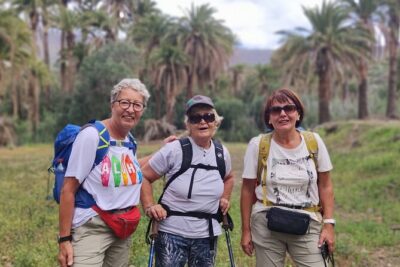
Second, I like the guide energy. In the feedback I saw a theme of very experienced local knowledge—flora and fauna details, plus an easy sense of humor. My only caution: you’ll be hiking in active terrain, and the company checks your shoes and expects moderate fitness.
In This Review
- Key Things To Know Before You Go
- A North Gran Canaria Hike That Actually Matches the Day
- Price and Value: What $84.11 Gets You (and What It Doesn’t)
- Meeting at Maspalomas: How the Start Works
- The Route of the Week: How the Guide Chooses Your Day
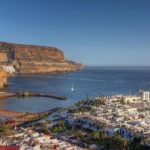
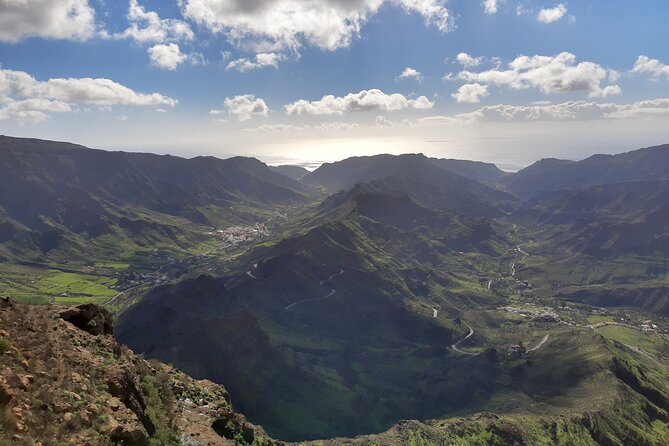
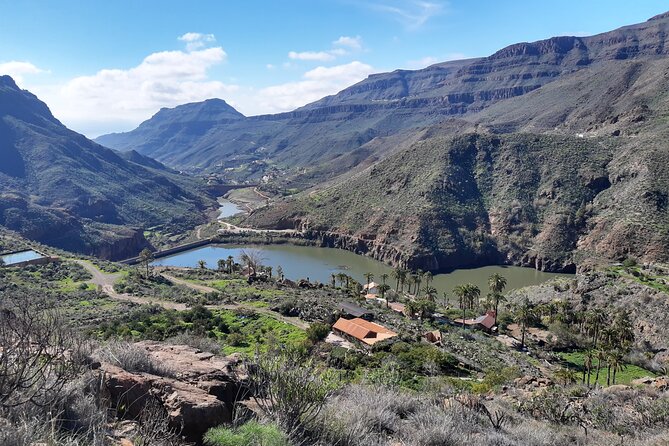
- What You’ll Actually See: Gorges, Caves, Craters, and Coast Views
- Hiking Gear That Keeps You Comfortable (and Safe)
- Lunch: Restaurant Stop or Picnic Plan
- Fitness Level: The Only Real Gatekeeper
- Group Size: Why Max 8 People Is a Big Deal
- Weather and Rescheduling: What Happens When Conditions Change
- A Note on the Summer Gap (July and August)
- Should You Book This North Gran Canaria Hiking Day?
- FAQ
- What is the duration of the hiking experience?
- How much does the tour cost?
- What is the start time?
- Do you pick up from Las Palmas de Gran Canaria?
- Are trekking or sports shoes required?
- What lunch should I expect?
- What ages are recommended for children?
Key Things To Know Before You Go
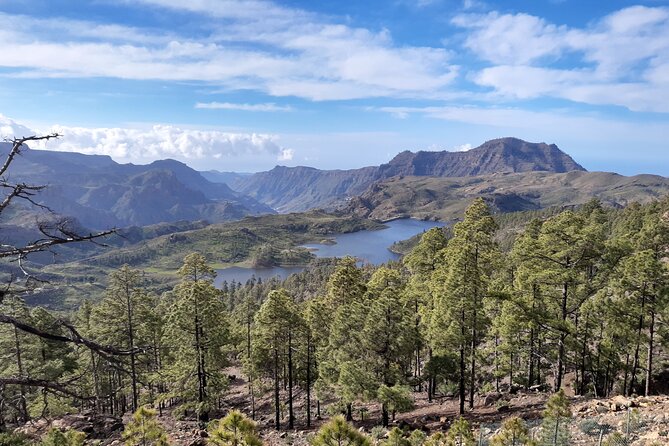
- Weather-based route of the week: Your trail can shift day to day to match conditions and seasonal bloom.
- Small group size (max 8): You’ll get a more personal pace and easier navigation on uneven paths.
- North-side change of scenery: Expect a big contrast to the more resort-focused parts of the island, with gorges, caves, and craters in the mix.
- Lunch may become a picnic: Depending on logistics, you might eat a sandwich, fruit, an energy bar, and carry your water.
- Shoes are mandatory: Trekking or sports shoes with solid grip are checked before you start.
- Summer schedule note: From 1 July to 31 August, hiking trips aren’t organized.
A North Gran Canaria Hike That Actually Matches the Day
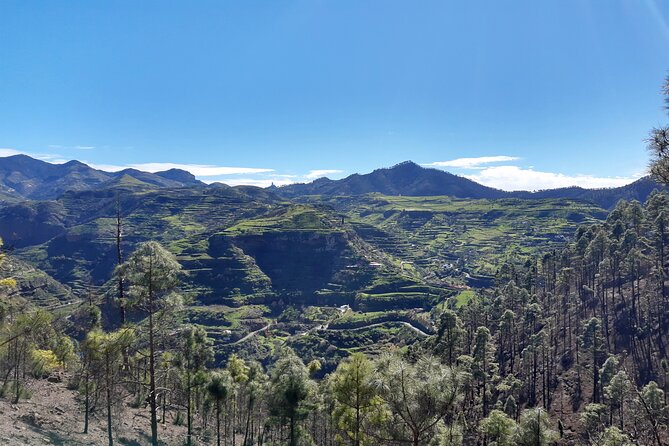
Gran Canaria is famous for sun and sea, but the north side is where the island’s mood changes. This hike is built around that idea: instead of forcing the same itinerary no matter what the weather is doing, your guide picks the route based on daily conditions and season.
That matters more than it sounds. In the north, a trail that’s perfect in dry visibility can turn miserable in wind or low cloud. Here, they try to avoid rainy days and choose paths that make sense for the day you’re there. In colder months (roughly October to March), expect more frequent rain, and the tour may adjust plans if weather swings.
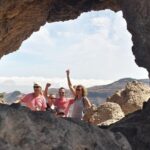
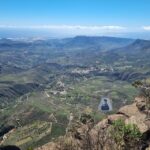
The experience also leans hard into nature. They specifically want to show you things like gorges, beaches, caves, and craters. You don’t get that by strolling a flat boardwalk. You get it by hiking through the island’s different habitats—where you can look for birds, learn plant names and growth stages, and watch how the terrain shapes the views.
You can also read our reviews of more hiking tours in Gran Canaria
Price and Value: What $84.11 Gets You (and What It Doesn’t)
For about $84.11 per person and roughly 9 hours on the clock, you’re paying for four things: guided route selection, transportation pickup service (from many southern resorts), small-group organization, and a hike that’s planned around good conditions.
Is it a bargain? It’s priced like a focused guided outdoor outing, not a long bus tour with stops. The value comes from the guide’s decision-making. When the route is weather-proofed and season-aware, you’re less likely to get stuck on a trail with no views.
What you shouldn’t expect is luxury logistics. It’s an active day with required trekking shoes, and lunch can be a picnic depending on logistics. That’s not a bad thing—just align your expectations. If you want a relaxed walk, this won’t be it. If you want a real north-side taste of Gran Canaria, it makes sense.
Also, the tour caps out at 8 people. That usually translates to less waiting and more time on the trail with your guide.
Meeting at Maspalomas: How the Start Works
You’ll start at 9:00 am, but the most important detail is that the displayed time isn’t the pickup time. Pickup happens first, and you’ll receive your exact pickup time the evening before via email or text.
There’s pickup from many areas in the south, with set windows like:
- Meloneras around 08:35
- Playa del Inglés around 08:40–08:50
- San Agustín around 08:45–08:55
- Bahia Feliz around 09:00
And there are a couple of general ranges for places like the International field.
One practical thing to flag: there is no pickup from Las Palmas de Gran Canaria (north side), or from a set of south towns like Puerto de Mogán, Taurito, Playa del Cura, Puerto Rico, and Arguineguín. So if you’re already staying on the north side, you may need to make your own way to the meeting point area.
When pickup is late by a few minutes, it’s still normal. That’s not about speed; it’s about coordinating multiple hotels.
The Route of the Week: How the Guide Chooses Your Day
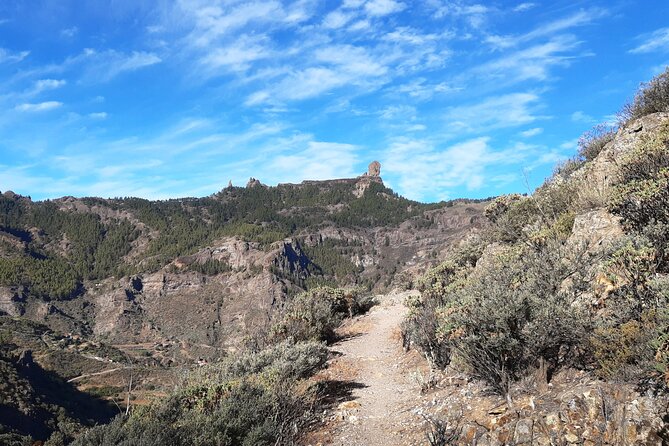
This is the heart of the tour. The guide doesn’t just lead you along a fixed track. They choose the best route in the north based on the weather and season.
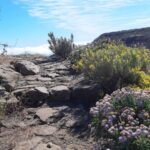
They also try to account for what’s happening in nature—like flora in bloom—and other timing factors that can make the route more attractive. That’s a subtle but important difference. Instead of you walking through the same plants year-round, you might see different growth stages and seasonal colors.
Think about what that does to your experience. If you hit a day with good light and visibility, your views of gorges and coast take on a sharper look. If the air is clear, the craters and ridges feel more readable. If it’s not so great, you still hike, but the guide’s job is to keep the day worthwhile.
The north side is also part of the broader Macaronesia region, which is known for island ecosystems shaped by isolation. Practically, it means you’re hiking in a place where the plant life and landforms can look different from what you’d expect on the more urban or resort-focused stretches.
What You’ll Actually See: Gorges, Caves, Craters, and Coast Views
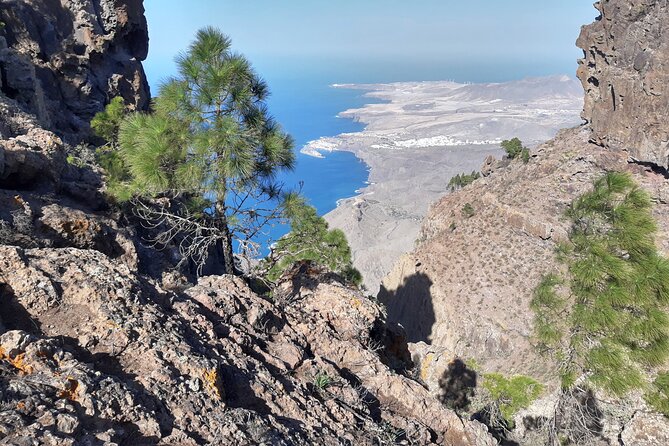
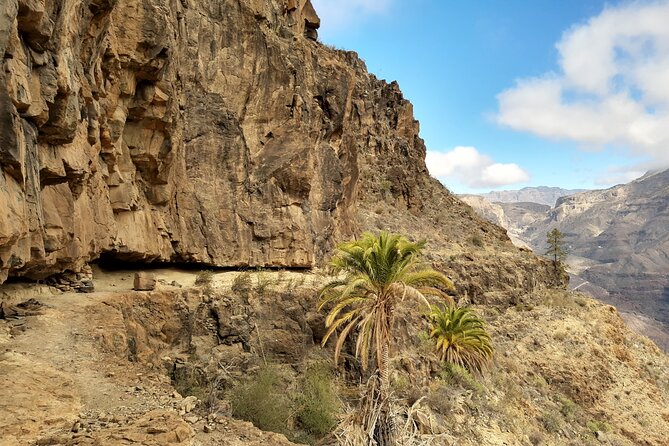
Even though your exact path can change, the tour’s focus is consistent. You’re meant to see natural highlights like:
- gorges (the terrain cuts and drops that shape the island)
- caves (natural openings and rock formations you can spot along the way)
- beaches (the kind you don’t usually reach from a quick viewpoint)
- craters (volcanic shapes that remind you Gran Canaria is geologically active in spirit)
This is one reason the weather-based routing is so valuable. These features are all about sight lines. If cloud and wind flatten the visibility, your route can become less satisfying, even if the hike itself is fine.
When conditions cooperate, the contrast is big. You’re not just moving through a “nice area.” You’re moving through a chain of environments that feel like separate worlds: rock textures, vegetation pockets, and sudden views that make you stop and stare.
And the guide’s knowledge matters here. In the feedback I saw, guides were praised for being experienced and for knowing flora and fauna. That helps because you’re not just admiring scenery—you’re learning what you’re looking at while you walk.


Hiking Gear That Keeps You Comfortable (and Safe)
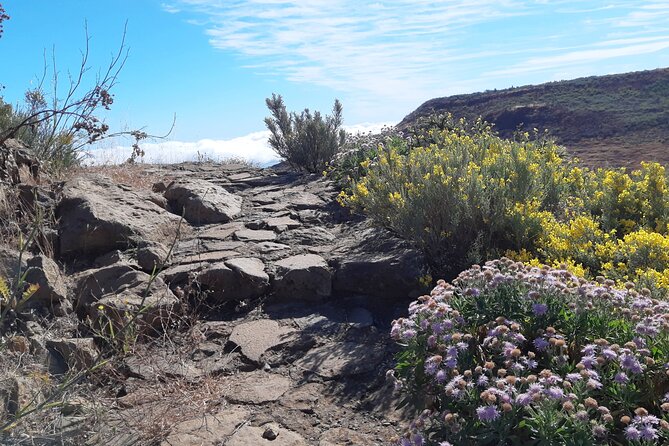
This tour is clear about one thing: shoes matter. Sports or trekking shoes with good grip are mandatory, and the guide checks them before you start.
That means:
- skip thin soles
- avoid slick sandals
- bring something that handles uneven ground and likely dusty or rocky sections
For clothing, they suggest sportswear or mountain clothing. It’s also smart to dress in layers:
- April to September: rainfall is low, and temperatures even in higher areas are around 22°C, with peaks up to about 26°C in June–August. A T-shirt is often fine, but long-sleeved layers can help.
- October to March: more variable rain and cooler, with guidance to bring warm long sleeves and a waterproof jacket that can also block wind.
Even if it’s warm, the north can feel different once you’re higher or exposed. Layering is the simplest way to stay comfortable the whole day.
Lunch: Restaurant Stop or Picnic Plan
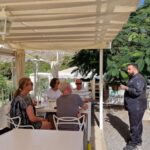
You’ll normally eat lunch at a restaurant the tour offers during excursions. But for logistical reasons during the weekly route, lunch may be replaced by a picnic.
If you get the picnic version, it’s typically:
- sandwich
- energy bar
- fruit
- 1.0 liter bottle of water
This affects how you plan your day. If you’re the type who likes to snack all day, you’ll want to balance what’s provided with whatever extras you personally need. And even if you’re not usually picky, you should be prepared for the idea that this is not a sit-down, slow-lunch experience. It’s a fuel break that keeps the hike moving.
Fitness Level: The Only Real Gatekeeper
The tour asks for moderate physical fitness. That’s not a vague label here; it’s a signal that you should feel comfortable walking for long stretches on uneven ground.
Minimum age is 8 years, which tells you the pace isn’t meant to be extreme, but it also implies this is not a stroller-friendly outing.
If you’re recovering from an injury or you don’t handle hills well, consider carefully. The route changes, and your day may include stairs, rockier steps, or sections where footing matters.
Group Size: Why Max 8 People Is a Big Deal
At a maximum of 8 travelers, you get a few practical benefits:
- less waiting at junctions
- fewer people competing for the guide’s attention
- a more adaptable pace if conditions change
It also makes the guide’s role feel real. When someone knows local flora and fauna and has good humor, that shines in a small group. In a big group, you’d just keep moving. Here, there’s more chance for you to ask questions and get direct answers.
And it fits the whole theme: route of the week, not a “follow the leader” line through a checklist.
Weather and Rescheduling: What Happens When Conditions Change
This experience requires good weather. If poor weather forces cancellation, you’ll be offered another date or a full refund.
There’s also a force majeure clause: if weather or other safety issues prevent the excursion or endanger health and life, the organizer can modify the route, switch to another tour or change the date, or cancel.
That means you should treat it as a nature-based hike, not a guaranteed fixed route. If your schedule is flexible, you’ll get more value out of that safety-first approach.
Also note the seasonal difference:
- April to September: lower rainfall, more stable conditions, warmer overall.
- October to March: rain is more common, and the tour recommends waterproof outer layers.
A Note on the Summer Gap (July and August)
From 1 July to 31 August, hiking trips are not organized. If your vacation falls in that window, this exact experience won’t be available, and you’ll need to plan a different Gran Canaria day.
If you’re visiting outside that range, it’s a strong way to see the north without spending all day figuring out bus connections or trail planning.
Should You Book This North Gran Canaria Hiking Day?
Book this tour if you want:
- a small-group hike with an experienced guide
- a north-side route that’s chosen for the day’s conditions
- real nature time: gorges, caves, coast, and volcanic craters
- a structured day that includes pickup and lunch or picnic planning
Skip it (or consider alternatives) if:
- you want a flat, easy walk with minimal gear checks
- you don’t have proper footwear with grip
- you’re staying in one of the areas with no pickup and don’t want to arrange your own start
- your travel dates are within 1 July–31 August
If you’re a practical hiker and you like learning as you walk, this is a smart buy. The best part is the route planning itself—when the guide gets the day right, you feel it immediately in the views and in how the hike flows.
FAQ
What is the duration of the hiking experience?
It runs for about 9 hours.
How much does the tour cost?
The price is $84.11 per person.
What is the start time?
The start time is listed as 9:00 am, but the pickup time is shared the evening before and may be earlier than the meeting start.
Do you pick up from Las Palmas de Gran Canaria?
No. There is no pickup option from Las Palmas de Gran Canaria (north of the island).
Are trekking or sports shoes required?
Yes. Sports or trekking shoes with good grip are mandatory and the guide checks them before starting.
What lunch should I expect?
Lunch may be at a restaurant, but during the weekly route it can be replaced by a picnic (sandwich, energy bar, fruit, and 1.0L bottle of water).
What ages are recommended for children?
The recommended minimum age for children is 8 years.