REVIEW · GRAN CANARIA
Gran Canaria: Canyoning Adventure in the Green Heart Jungle
Book on GetYourGuide →Operated by RockNatour · Bookable on GetYourGuide
Forget the beach; try Gran Canaria’s canyon. This guided canyoning day takes you into a year-round water-filled canyon in the island’s green heart jungle, where local experts teach the moves and keep things safety-first. I love two things most: the small group of up to 8 (so you get real attention) and that no prior experience is needed. The one drawback to plan for is physical effort: you hike about 4.5 km with around 250 m of slope, and you’ll feel it.
You’ll be kitted out with wetsuit, helmet, harness, and rope equipment, then go from playful rock pools to serious waterfall descents. Expect abseils from four different heights, plus a walk through the canyon’s most dramatic section, then out again with hot tea, snacks, and a Canarian picnic-style break. And yes, they capture photos along the way, so you leave with a free photo report and can actually relive the day later.
In This Review
- Key things that make this canyoning day worth it
- Gran Canaria’s green heart jungle: what you’re really signing up for
- Safety and instruction that make first-timers comfortable
- What happens before you start: gear up and get your bearings
- The 20-minute hike in: where the canyon day begins
- First contact with canyoning: rock slides and waterfall techniques
- Abseil from four different heights: the highlight section
- The hike out, tea break, and that Canarian snack reset
- Price and what $81 buys you (and why it feels fair)
- Who should go, and who should skip it
- How to dress and pack for canyoning in Gran Canaria
- Practical logistics: starting times, transport, and showing up on time
- Should you book this canyoning adventure in Gran Canaria?
- FAQ
- How long is the canyoning experience?
- Do I need previous canyoning experience?
- What’s included in the price?
- Where is the meeting point and is there hotel pickup?
- What should I bring, and can I rent shoes?
- Who is the tour not suitable for?
Key things that make this canyoning day worth it
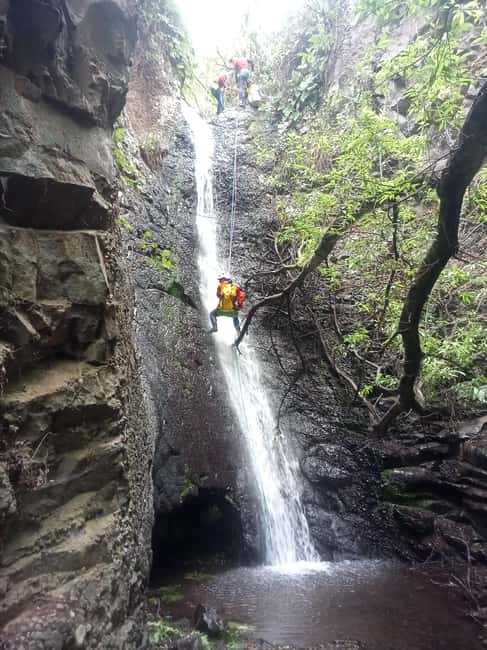
- Year-round water canyon in a protected forest, so you’re not gambling on seasonal trickles
- Small group (max 8) keeps instruction tight and waiting times low
- Safety gear and sport insurance included, with rope skills taught step-by-step
- Four abseil heights plus natural slides for variety, even if it’s your first time
- Hot tea, snacks, and Canarian bites during the hike out
- Photos included so you don’t spend your energy fumbling with your phone
Gran Canaria’s green heart jungle: what you’re really signing up for
This isn’t a sit-and-watch activity. You’re doing canyoning in one of Gran Canaria’s rare spots where water runs through the canyon year-round, inside a protected forest area. That matters, because canyoning lives or dies on the water and rock features being there when you arrive.
The big appeal for me is the contrast. At first, it feels playful—smooth rock pools, wading in jungle-like surroundings, and that first moment when you realize you’re actually moving through a real canyon system. Later, the vibe shifts to skill: rope descents, controlled abseiling, and careful footwork on wet rock.
And it’s guided for a reason. This kind of terrain is technical and slick. You’re not just shown a route; you’re taught how to use the gear and how to descend safely with a guide close by.
You can also read our reviews of more tours and experiences in Gran Canaria.

Safety and instruction that make first-timers comfortable
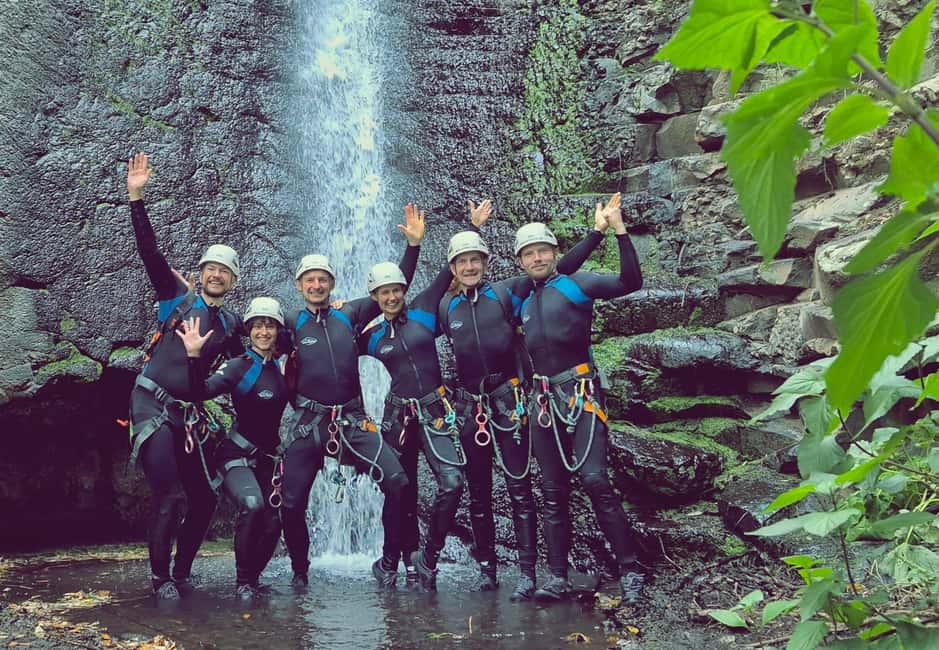
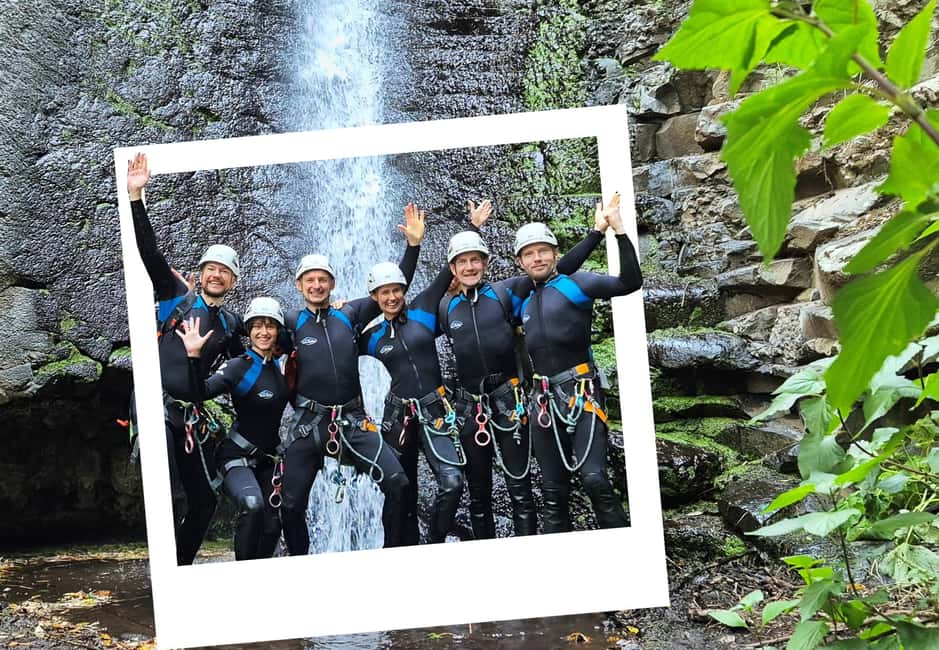
The safety setup is a core part of the value here. You’re provided with high-quality safety equipment including a harness and rope hardware (carabiners and a descender), plus the wet-weather protection you’ll need: a neoprene wetsuit and helmet. You’ll also get neoprene socks for your shoes, which help with comfort and grip while your feet deal with wet surfaces.
What really impressed me from the guide stories people shared is how calm and clear the instruction feels—especially for beginners. I saw patterns in the details: guides explain what to do, coach technique, and keep the group involved instead of letting you feel lost. Names that came up directly included Pablo and Pedro, and both were described as competent, friendly, and able to teach in a way that makes the rope work feel doable rather than scary.
Small group size makes this easier. When there are fewer people, the guide can slow down for questions, adjust pace, and keep everyone synced for the abseil sections.
What happens before you start: gear up and get your bearings
Your day starts with a straightforward meeting point: a parking area close to the road near the canyon area (about 25 minutes from Telde). There’s no hotel pickup, so you’ll drive or taxi in and meet on time. If you arrive late, the schedule gets tight fast, because the hike and canyon access depend on timing.
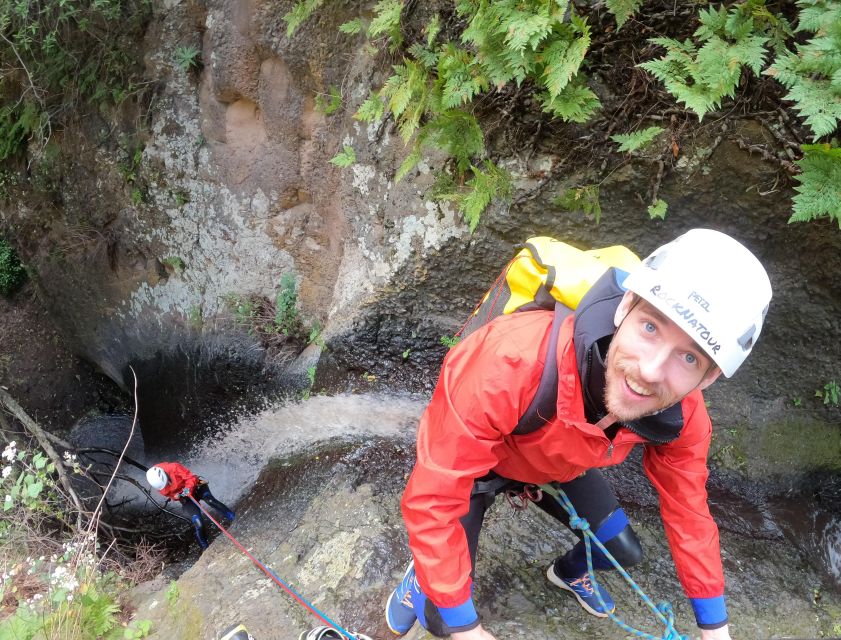
Once you meet, you’ll get fully geared up. Think of this as your warm-up, mentally and physically: wetsuit on, helmet on, harness fitted, backpack adjusted, and a quick safety briefing so you know what the guide expects from you. They also cover the basics you’ll need for the rope sections, including how the descents are managed.
If you’re trying this for the first time, this pre-start phase is where you’ll decide whether the day feels friendly. The guides’ job isn’t just to lead; it’s to make the equipment feel normal, so you can spend attention on what matters: moving well and trusting the system.
The 20-minute hike in: where the canyon day begins
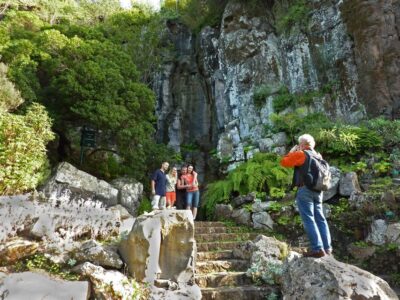
After gear-up, there’s a scenic hike of about 20 minutes into the forest area before you reach the first canyon zone. This hike isn’t the main “adventure,” but it sets the tone. You go from normal roads and parking lots into the protected green corridor that the activity is built around.
It’s also a good reality check for your fitness. You’re not asked to be an athlete, but you should be comfortable walking on uneven ground. If you’re the type who gets winded climbing stairs, keep that in mind—this isn’t a gentle stroll.
Once you reach the canyon area, the fun starts right away with easy-to-moderate movement: sliding over smooth rock pools, wading through watery spots, and learning how your body feels when you move on wet rock.
First contact with canyoning: rock slides and waterfall techniques
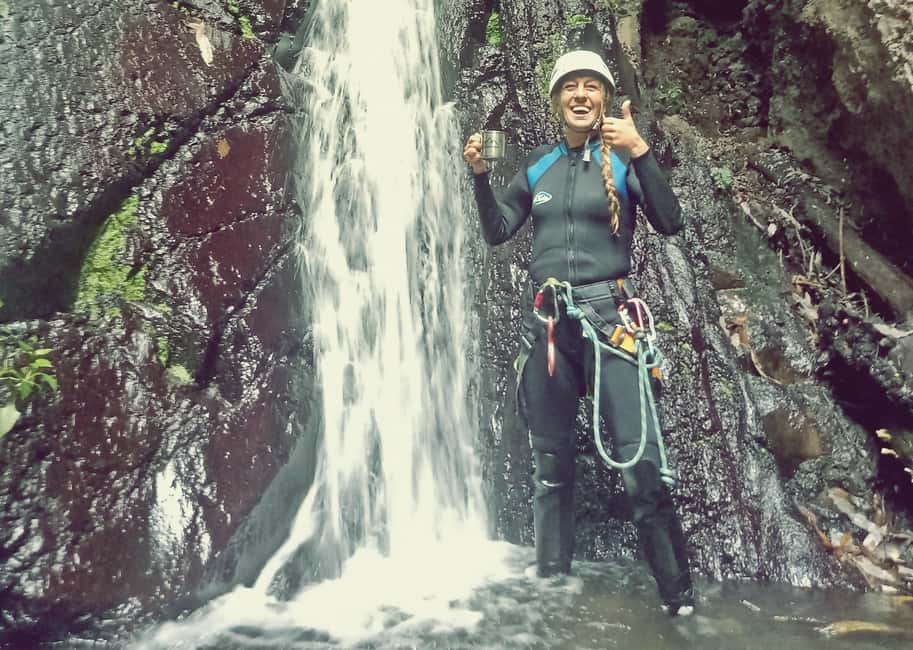
The early part of the canyoning route is like the training wheels, but fun ones. You’ll be in and around flowing water year-round, and you’ll get chances to move in a hands-on way—wading, sliding, and adjusting your balance. It’s not about speed. It’s about getting your brain used to the canyon environment.
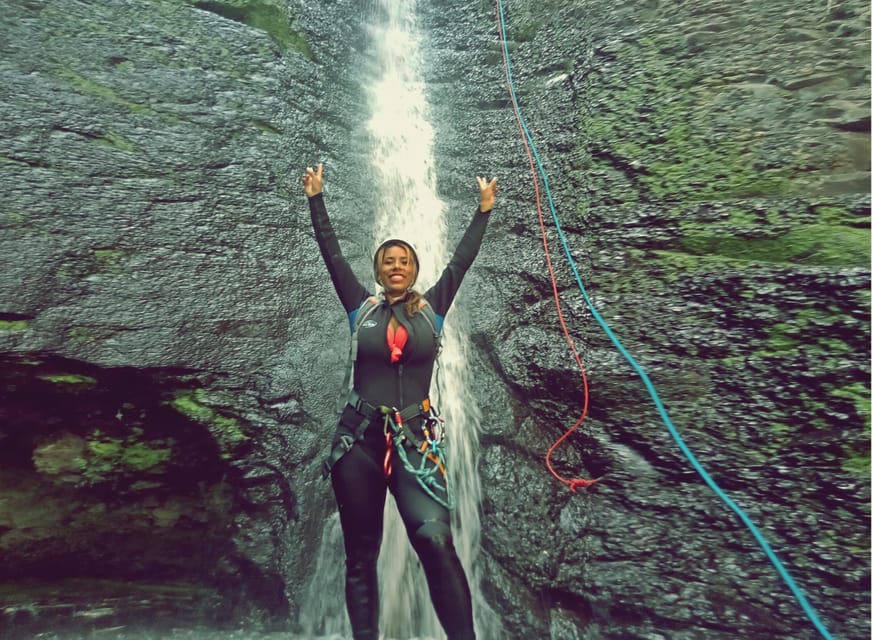
Then the main skill moments come: descending waterfalls with rope support. Even if you’ve never done canyoning or abseiling before, the guide shows you how the descent works, how to handle your position, and how the group manages safety together. You’re not left to figure it out mid-air.
One detail that matters: the guide is managing the ropes and ensuring everything is controlled. That takes stress off you. Your job is to follow instructions, keep your movements deliberate, and stay aware of where the rock is smooth and where it’s not.


Abseil from four different heights: the highlight section
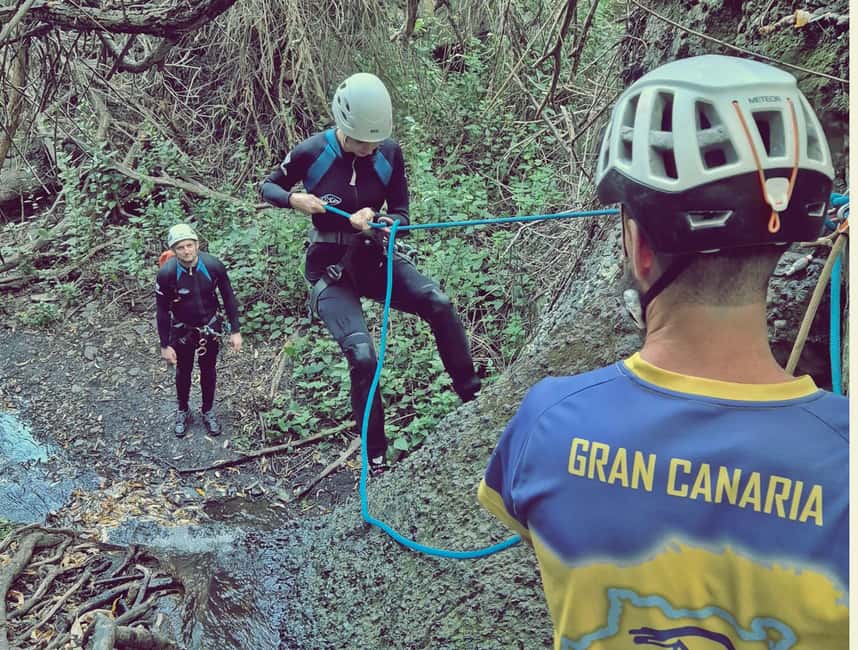
This is the heart of the experience for most people, and you’ll do it multiple times. You’ll abseil from four different heights, and each descent has its own technique and challenge. That variety is the point. You get the satisfaction of learning one core skill, then refining it across different setups and angles.
From a value perspective, four abseils within one 4-hour outing is a lot. Many activities offer a single big moment. Here, the day keeps delivering another dose of “I can’t believe I’m doing this,” but in a guided way.
Also, if you’re worried about feeling like the only newbie: the approach is designed for people without experience. Guides focus on technique and safety steps rather than assuming you already know rope work.
The hike out, tea break, and that Canarian snack reset
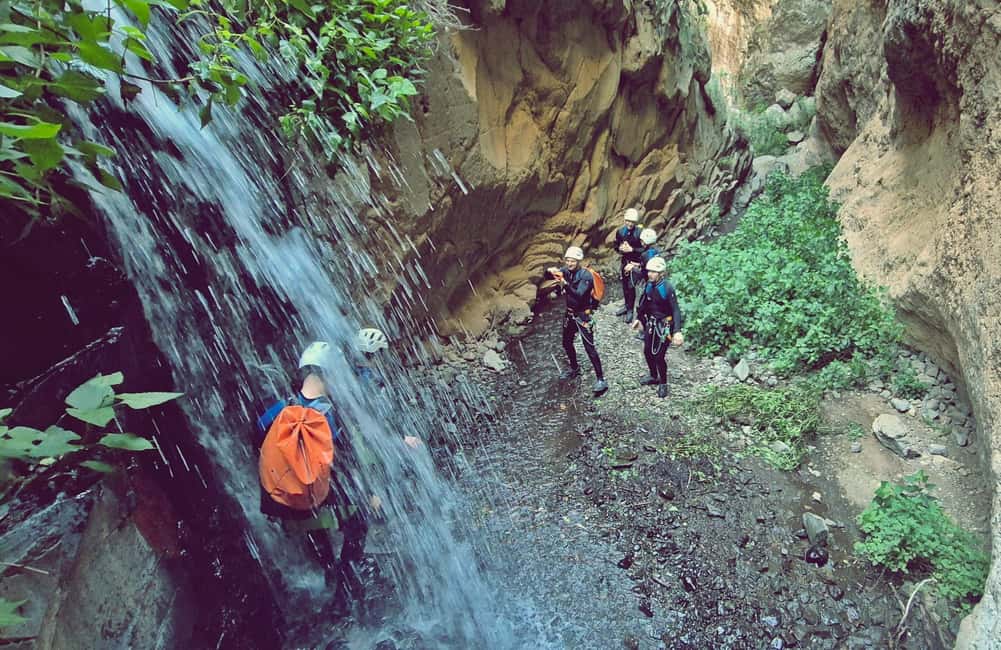
After the last descent, you’ll continue through the canyon’s most breathtaking stretch—towering walls, flowing water, and a sense of being inside a narrow world. Then you hike out along an adventurous trail.
This is where you’ll feel the earlier training pay off. You’re still walking on a route that totals about 4.5 km and includes about 250 m of slope. The guide pace and the stops help, but you should treat this as an active half-day, not a light stroll.
They also build in a reset: a refreshing picnic stop with hot tea and snacks. It’s simple, but it’s smart. The combination of wet activity plus rope work can make you tired in a way that doesn’t show until you stop. The tea and snacks bring you back to normal, and you get a moment to look around without thinking about safety gear.
When you finish, you return to the meeting point, change into dry clothes, and receive the RockNatour Gran Canaria Traveler’s Guide as a little extra for planning your next day.
Price and what $81 buys you (and why it feels fair)
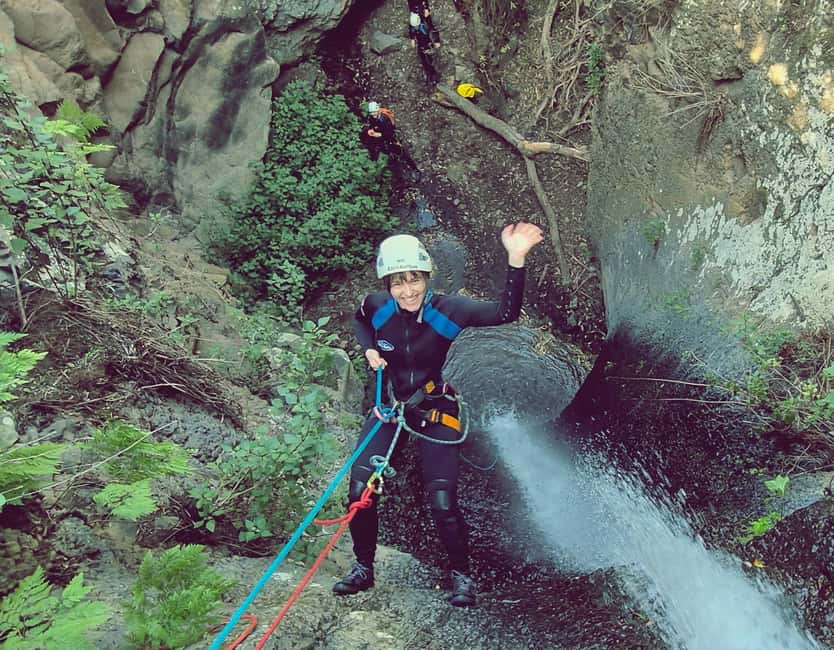
At around $81 per person for about 4 hours, this canyoning adventure is priced like a guided activity should be: you’re paying for local expertise, a controlled safety system, and the convenience of professional equipment.
What makes it good value is what’s included:
- first-quality safety equipment and harness setup
- sport insurance
- hot tea and snacks
- photos taken during the action (free photo report)
- neoprene wetsuit/helmet setup through the gear provided
If you were to DIY anything like this—transport, safety gear, guide expertise, insurance, and photo documentation—you’d likely spend more time and money, and you’d take on the learning curve yourself. Here, the learning curve is part of what you pay for.
The small group limit (up to 8) also supports the price. You’re not sharing rope time with a huge crowd.
Who should go, and who should skip it
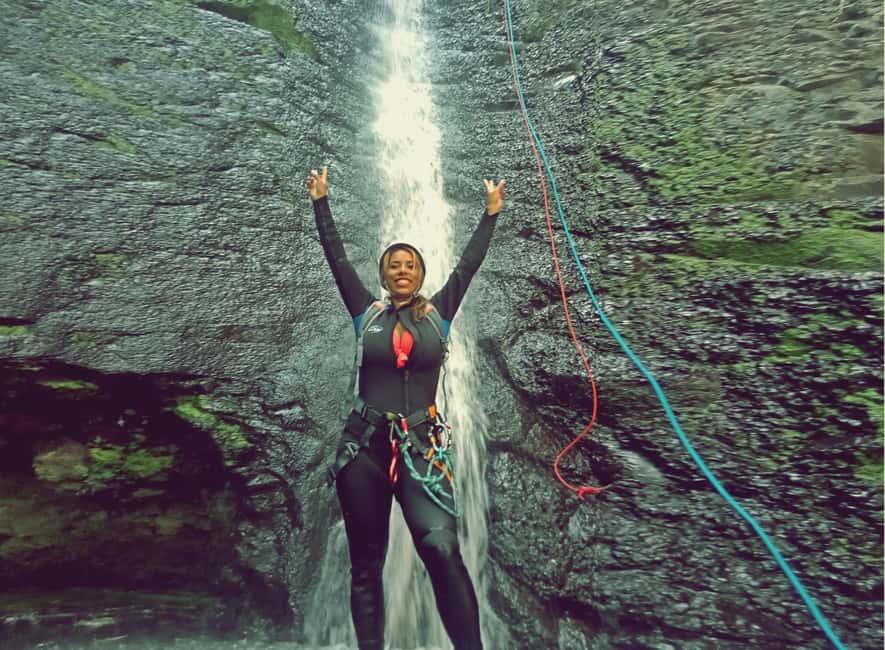
This is best for people who want action without needing prior training. Normal fitness is enough, but you shouldn’t show up expecting zero physical effort.
It’s explicitly not suitable for:
- children under 15
- pregnant women
- people with back problems
- people with heart problems
- wheelchair users
- people over 243 lbs / 110 kg
- people with pre-existing medical conditions
- anyone with low level of fitness
If you’re unsure where you fall, treat this as a “get honest with your body” situation. Wet rock plus rope descents demand balance, confidence, and attention.
That said, first-timers often find it surprisingly manageable because the guide teaches technique and keeps things safe. Just don’t confuse beginner-friendliness with a couch-to-canyon jump.
How to dress and pack for canyoning in Gran Canaria
Here’s the practical packing list you’ll want to follow:
- swimwear
- change of clothes
- towel
- hiking shoes
- sunscreen
- water
- sports shoes
- personal medication
You should also plan for clothing for before and after. One simple tip that came up: don’t assume you’ll be in beach mode the whole time. Wearing longer layers like long pants and a vest can help before you’re fully warmed up and after you dry off.
Shoes are a big deal because you’ll be stepping on wet rock. They recommend proper footwear and also offer shoe rental for 5€ if you don’t have the right shoes or you don’t want to get your own wet. Neoprene socks are provided for shoes, which helps comfort during the watery parts.
Practical logistics: starting times, transport, and showing up on time
This activity runs for about 4 hours, and starting times depend on availability. Because there’s no hotel pickup, you’ll need to handle your own transport to the meeting point near the road.
The parking is close, and it’s around 25 minutes from Telde. If you’re taking a taxi, contact them for directions for the taxi driver. And yes: be on time. The hike and canyon access aren’t built around late arrivals.
If the tour is full, you can ask to be put on a waiting list.
Should you book this canyoning adventure in Gran Canaria?
Book it if you want a genuine outdoor day that’s more active than sightseeing and more memorable than another beach afternoon. The combination that sells it is clear: year-round water canyon, expert-guided rope technique, and a small group size that keeps instruction personal.
Skip it (or ask for advice first) if you have a medical issue listed for unsuitability, or if you know your fitness level struggles with hikes and climbs. Also, go into it expecting wet gear, careful movement, and a few physical moments—not just “fun splashing.”
If you want an adventure where safety and instruction are built into the experience, this one earns its strong rating. And when you get that photo report later, you’ll be glad you didn’t just watch from the sidelines.
FAQ
How long is the canyoning experience?
The tour lasts about 4 hours. Starting times depend on availability.
Do I need previous canyoning experience?
No experience is needed. You’ll be guided through rope work and descending techniques, with safety support from the expert leader.
What’s included in the price?
You get an expert guide, sport insurance, first-quality safety equipment, snacks, hot tea, photos, and neoprene socks for your shoes. Shoes can be rented for an extra fee if needed.
Where is the meeting point and is there hotel pickup?
You meet at a parking area close to the road. There’s no hotel pickup or drop-off. The meeting point is about 25 minutes from Telde, and if you use a taxi you should contact the provider for taxi-driver directions.
What should I bring, and can I rent shoes?
Bring swimwear, a change of clothes, a towel, hiking shoes, sunscreen, water, sports shoes, and any personal medication. If you don’t have proper shoes or don’t want your own footwear to get wet, you can rent shoes for 5€.
Who is the tour not suitable for?
It isn’t suitable for children under 15, pregnant women, people with back problems, people with heart problems, wheelchair users, people over 110 kg (243 lbs), people with pre-existing medical conditions, or people with low fitness levels.