REVIEW · GRAN CANARIA
Las Palmas: Las Canteras Beach Snorkeling Trip
Book on GetYourGuide →Operated by Emoción Apnea, S.L. · Bookable on GetYourGuide
Snorkeling off a city beach feels almost unfair. At Las Canteras Beach in Las Palmas, you’re in guided, crystal-clear water with a pro who helps you spot the animals that live right under the rocks. I love the combination of gear included and hands-on attention, and I also like that you get tools to identify what you’re seeing. One thing to plan for: the water can feel cold after about 1h30, even with wetsuits.
I also like how the experience is built for real humans. You’re kept comfortable and safe, you snorkel mostly in shallow areas, and the guide stays focused on your group so the trip feels manageable. If you want an underwater lesson without turning it into a hard workout, this is a strong fit. Do note that start times can shift with tides and weather, so you’ll want flexibility.
In This Review
- Key Highlights You’ll Feel Right Away
- Why Las Canteras Snorkeling Works in the Real World
- Meeting Emoción Apnea and Getting Your Gear Ready
- Equipment, Wetsuits, and the Brief Safety Tutorial
- The Actual Snorkeling Time: Shallow Water, Then a Little More
- What You’ll See Under the Surface: Fish, Octopus, Rays, and Rocks
- Learning While You Float: Geology and Ecosystem Stuff That Sticks
- Instructor Attention: Feeling Safe Without Feeling Controlled
- Timing Flex: Weather, Tides, and What to Plan Around
- Comfort Checklist: What to Bring and What the Team Won’t Allow
- Value at $46: What You’re Really Paying For
- Who This Snorkeling Trip Is Best For
- Should You Book This Las Canteras Snorkeling Tour?
- FAQ
- FAQ
- Where is the meeting point for the Las Canteras snorkeling tour?
- How long is the tour, and how much time is spent snorkeling?
- How deep will we go?
- What snorkeling gear is provided?
- What should I bring, and what is not allowed?
- What languages are the instructors available in?
Key Highlights You’ll Feel Right Away
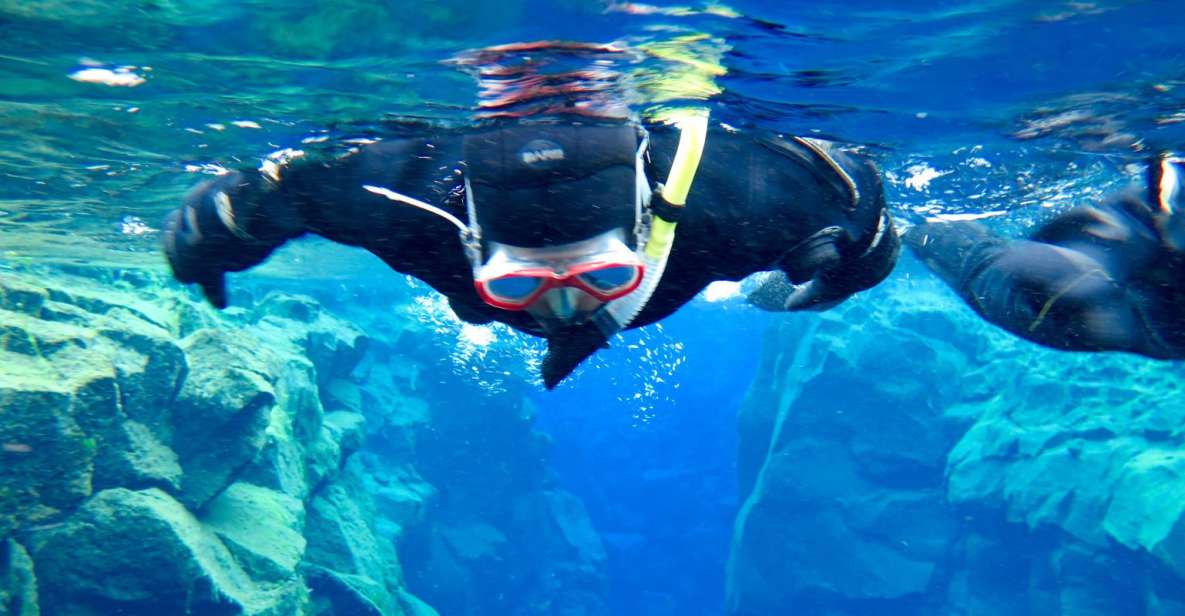
- A true urban-beach reef: Las Canteras is known for life close to shore, so you don’t need to go far to see fish.
- Beginner-friendly depth limits: you’ll reach a maximum depth of 5 meters during the snorkeling time.
- Species ID made simple: small identification boards help you match fish to names in real time.
- Guides actively help you spot animals: octopus, rays, parrotfish, sea cucumbers, and more are part of the usual mix.
- Safety plus freedom: you get a short safety briefing, then time to explore while the guide keeps eyes on everyone.
- Post-snorkel photos are common: many groups are photographed underwater and share the images afterward.
Why Las Canteras Snorkeling Works in the Real World
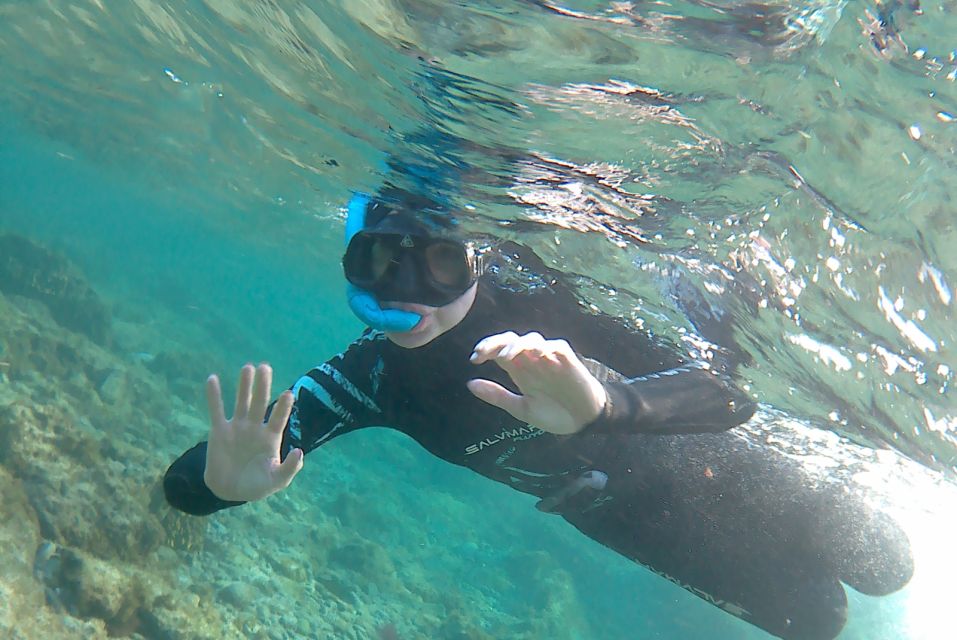
Las Canteras is one of those rare spots where the “wow” factor comes quickly. You’re not relying on luck deep out at sea. Instead, the seabed off Playa de Las Canteras is lively right near the beach, including areas around rocks where marine life likes to hide.
I like this because it lowers the friction. If your goal is to see fish and feel calm in the water, you usually get there fast. And because the group snorkeling time is short and structured (about 1 to 1.5 hours), the experience stays fun rather than tiring.
You can also read our reviews of more snorkeling tours in Gran Canaria
Meeting Emoción Apnea and Getting Your Gear Ready
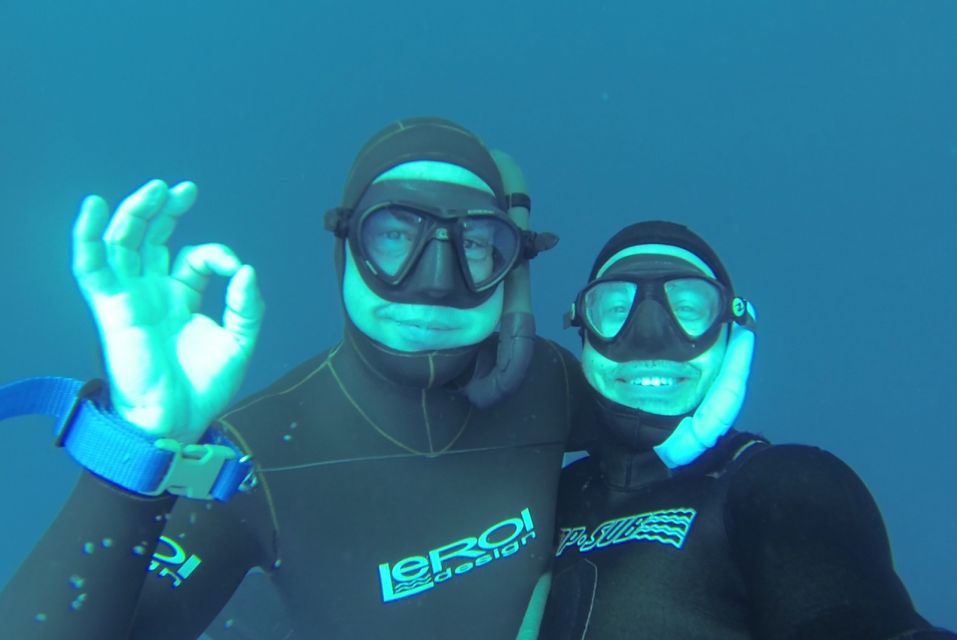
You meet at the Emoción Apnea office. From there, you’ll get organized as a group and head down toward the water (in practice, it’s a short walk). The big win here is that you’re not hunting for equipment or figuring out how it all works while the tide does its own thing.
Once you’re at the beach, you’ll put on your snorkeling equipment after a brief intro. That intro matters because snorkeling is easy until you’re in the water and your snorkel acts up. Having the basics sorted early helps you spend your energy looking at fish instead of fighting the mask.
Equipment, Wetsuits, and the Brief Safety Tutorial
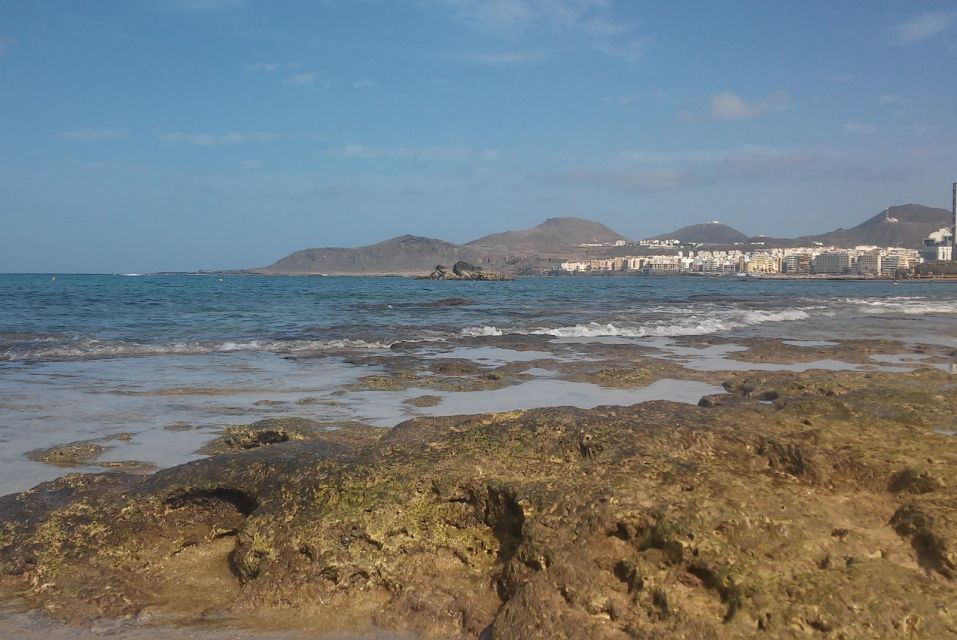
This trip includes snorkeling gear and a qualified instructor. In the field, that often means wetsuits too, which is important along this stretch of the Atlantic. One of the most practical takeaways: even when the air is comfortable, the water can feel cold later in the session. If you’re the type who starts shivering at hour two, take that seriously and treat the wetsuit as non-optional.
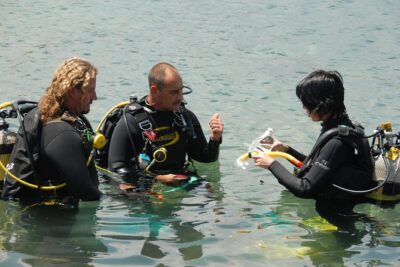
You’ll receive a safety tutorial before you get in. The guides also tend to stay close while you’re learning your breathing rhythm and keeping track of where you are in relation to the group. That is exactly what you want on a first snorkel, and it’s also what experienced snorkelers appreciate because it keeps everyone relaxed.
The Actual Snorkeling Time: Shallow Water, Then a Little More
Here’s what the structure really means for your body. The snorkeling portion is capped at 1 to 1.5 hours, and the maximum depth is 5 meters. In many parts of the experience, you’ll be over very shallow water, so you can reset quickly if you need to.
One practical detail I’d plan around: some people start out wearing a life vest, especially if they expect deeper areas. Then, once they realize how shallow parts are, they find they can float and move without it. If you’re a confident swimmer, you’ll likely feel more at ease once you see the conditions under you. If you’re not as confident, start with the extra support and let the guide guide you to what’s comfortable.
What You’ll See Under the Surface: Fish, Octopus, Rays, and Rocks
The point of this tour is simple: meet the local sea life face-to-face. The usual highlights include octopi, parrotfish, sea cucumbers, and rays, plus other fish native to the area. The guides help you spot animals hiding in the rocks, where motion and color can disappear fast if you’re not looking with intent.
In real terms, the underwater experience often turns into mini-quests. Spot something dark in a crevice, follow the movement, then confirm the species name when the guide points it out. This is where the identification boards help a lot. They make the trip feel like more than just seeing fish—you learn what those fish are.
You might also spot things like starfish and puffer-type fish depending on the day and what’s active. The key is that the guide doesn’t just point once and move on. They’ll keep track of what each person is seeing and make the experience feel personal, not rushed.




Learning While You Float: Geology and Ecosystem Stuff That Sticks
This isn’t a silent swim. You’ll get explanations about the geology and the ecosystem off Playa de Las Canteras. The best part is that the lessons connect directly to what you’re doing in the water.
For example: when you’re looking at fish around rock structures, it’s easier to understand why they hang out there. When you see sea cucumbers or other animals along the seabed, the talk helps you recognize the habitat logic instead of treating it like random scenery. That’s the difference between watching and understanding.
The guides’ style can matter, too. I’ve seen that names like Yemi, Juan Carlos, and Jenni/Jenni come up in experiences like this, and the common thread is attention and patience. If you’re new to snorkeling, that patience is a big deal.
Instructor Attention: Feeling Safe Without Feeling Controlled
One of the most praised aspects is how the guides keep a steady eye on everyone. People often mention that the guide points out animals during the swim and checks in so they never feel unsafe. That blend is the goal: you’re exploring, but you’re not on your own.
There’s also a quality-of-life element to the instruction. Guides adjust to the group. If someone has issues with their snorkel setup, the guide stays on it. If someone needs a slower pace, the guide doesn’t treat it like a problem.
At least one experience also mentioned that the guide is connected with a local scuba center, which usually means strong practical know-how. Either way, you should expect a competent, calm presence in the water.
Timing Flex: Weather, Tides, and What to Plan Around
Your start time is flexible based on weather conditions and tides. The exact time gets confirmed after booking. In a place like Las Palmas, that flexibility makes sense—water conditions change and the team wants the snorkeling experience to be worth your time.
So plan your day accordingly. If you have tight connections or a “must be elsewhere at 11:00” schedule, keep some buffer. The tour is short overall (about 2.5 hours), but the start time isn’t fixed in stone.
Comfort Checklist: What to Bring and What the Team Won’t Allow
You don’t need to pack a snorkel bag worth of gear. The trip includes the snorkeling equipment, but you do need a few basics.
Bring:
- Swimwear
- Towel
- Sandals
Don’t bring:
- Alcohol and drugs
That’s it for the “bring” list, which is rare luxury. It means you can travel light. If you’re sensitive to cool water, wear/bring layers under your wetsuit setup only if the staff tells you it’s okay, but the main comfort solution is simply using the wetsuit provided.
Value at $46: What You’re Really Paying For
At about $46 per person, this isn’t just a “rent gear and go” deal. You’re paying for three things that usually cost more if you do them separately:
- a qualified instructor and active guidance
- equipment included (which matters because cheap gear can ruin a snorkel day)
- insurance included in the package
You also get water and fresh fruit after the tour. That post-snorkel snack sounds small, but it helps you avoid the classic trap: getting cold and hungry right after the water time.
If you care about value, this is the kind of activity where guided attention changes everything. A casual snorkel can be “I saw fish.” A guided one can be “I learned what that fish was and where it lives.” That difference is usually worth the price.
Who This Snorkeling Trip Is Best For
This tour works for a wide range of comfort levels. First-timers are a good match because you get a safety briefing, structured snorkeling time, and close guide attention. If you’re confident in the water, you’ll likely enjoy exploring and spotting animals quickly, especially over the shallow sections.
It also suits people who don’t want a long excursion. With 2.5 hours total and 1–1.5 hours in the water, it’s easy to pair with the rest of your day in Las Palmas.
If you’re the type who needs lots of exact language during the instruction, also pay attention to the guide language. The tour lists English, Italian, and Spanish, and experiences vary depending on the person leading you.
Should You Book This Las Canteras Snorkeling Tour?
I’d book it if you want an easy, structured way to see serious marine life right off a city beach. You get guided spotting, species identification help, and equipment taken care of for you. The depth limit and the short snorkeling window keep it realistic, even if you’re new.
Skip it only if you’re the kind of swimmer who hates cold water even with wetsuits, or if your schedule can’t handle start times shifting due to tides and weather. Otherwise, this is a smart, high-value way to experience Las Palmas beyond the sand and seaside strolls.
FAQ
FAQ
Where is the meeting point for the Las Canteras snorkeling tour?
Meet at the Emoción Apnea office.
How long is the tour, and how much time is spent snorkeling?
The total duration is about 2.5 hours, including 1 to 1.5 hours of snorkeling.
How deep will we go?
The tour notes a maximum depth of 5 meters.
What snorkeling gear is provided?
Snorkeling equipment is included, along with a qualified instructor. You should also expect wetsuit-style protection based on how the tour is commonly run.
What should I bring, and what is not allowed?
Bring swimwear, a towel, and sandals. Alcohol and drugs are not allowed.
What languages are the instructors available in?
Instruction is listed in English, Italian, and Spanish.