REVIEW · GRAN CANARIA
CANYONING aquatic and fun route in Gran Canaria
Book on Viator →Operated by YUKAN Outdoor Gran Canaria · Bookable on Viator
Gran Canaria has a side you only reach by rope and water. This canyoning trip mixes volcanic scenery with real action like abseils and guided belays, plus it runs as a private reduced-group experience so you spend less time waiting around. I especially like how you get proper kit (wetsuit and helmet) and hands-on help during the rappels, though you should expect to get wet and deal with some cold and minor scrapes.
You start from Telde at 10:00 am and choose an aquatic or dry canyon route, depending on the day’s conditions and the style you want. The main drawback to plan for is that you need moderate physical fitness and comfort with heights and getting a bit banged up on uneven canyon terrain.
In This Review
- Key things I’d notice right away
- Gran Canaria canyoning in Telde: what makes this day feel worth it
- Aquatic vs dry canyon routes: pick the vibe you want
- The aquatic canyon route: green water, waterfall abseils, and staying warm
- The dry canyon route: hiking first, then ropes with volcanic layers
- How to choose between them
- Safety kit and guide technique: what keeps this from feeling chaotic
- The flow of your half-day adventure: how the time is used
- Price and value: why $78.58 feels fair for what you do
- Who this suits best: fitness, confidence, and ages
- What you should wear and expect to feel
- Weather and day-of changes: how to plan around nature
- Should you book YUKAN Outdoor Gran Canaria canyoning?
- FAQ
- What is the duration of the canyoning experience?
- How much does it cost per person?
- Is pickup available?
- What time does the tour start, and where does it meet?
- Do you do aquatic or dry canyoning?
- How safe is it, and is there support during rappels?
- Is the tour private or shared?
Key things I’d notice right away
- Certified guides belay you throughout, not just at the start
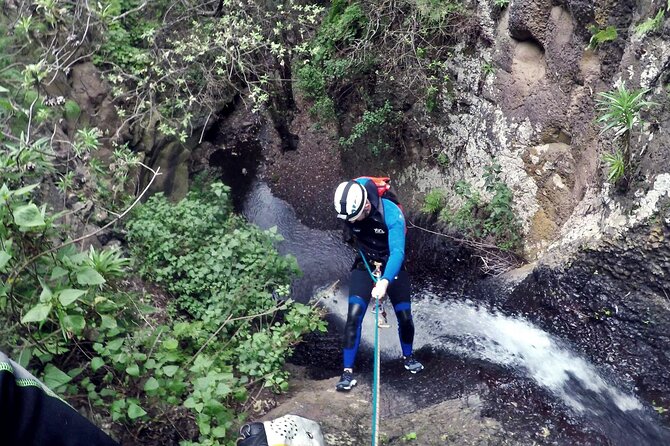
- Aquatic canyon route through a fresh green forest and waterfall abseiling
- Dry canyon option with a hike and rappels up to 9 meters
- Reduced-group pacing means less idle waiting
- Volcanic lava layers come into the story as you descend
- Photos can be shared for free, so you may rely less on your phone
Gran Canaria canyoning in Telde: what makes this day feel worth it
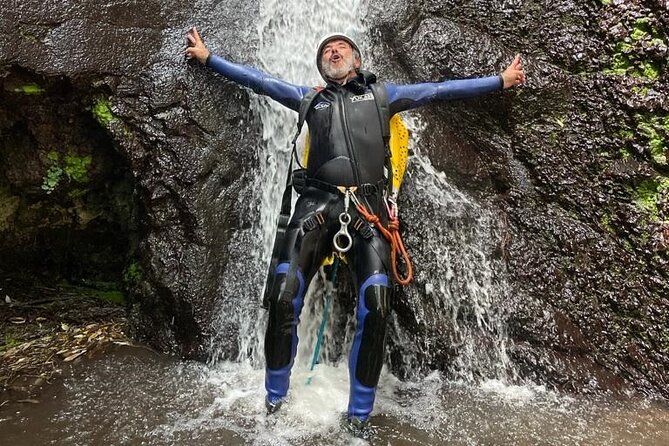
Canyoning on Gran Canaria is one of those activities that instantly turns the island into something you can’t just look at from a viewpoint. Here, you move through the island instead of around it. That matters because the experience is not only physical. It’s also sensory: you’ll feel the rock, hear the water (on the aquatic route), and get to see the canyon walls as they layer and change.
You’ll be based out of the Telde area, starting at Barranquismo Los Cernícalos, GC-130 (35211 Telde), and the activity ends back at the same meeting point. Starting at 10:00 am also helps. You get your adventure done before the heat and crowds really set in.
One thing I like about this trip style is that it’s built as a guided skill session as much as a thrill ride. You’re not just told what to do. You’re shown how to rappel, how the belay system works, and how to move safely when you’re wet, tired, and maybe a little nervous.
You can also read our reviews of more tours and experiences in Gran Canaria.

Aquatic vs dry canyon routes: pick the vibe you want
This is not one single canyoning “formula.” You get two paths, and each one changes how the day feels.
The aquatic canyon route: green water, waterfall abseils, and staying warm
On the aquatic option, you’ll travel toward a fresh green forest environment along the water course. Instead of dry rock and dust, this route leans into life around the stream: you’ll move with the water, and you’ll get to see local plant life follow the route.
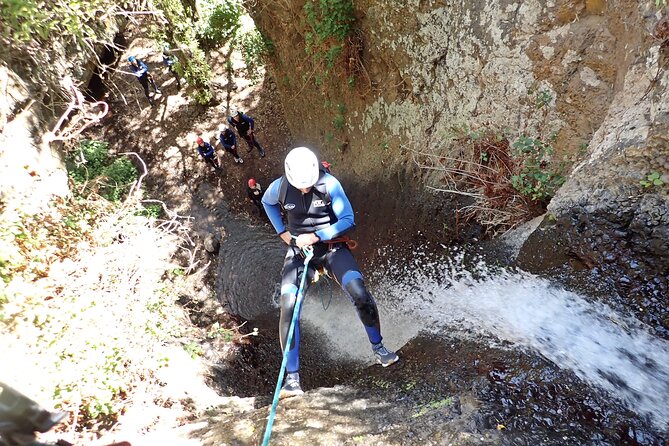
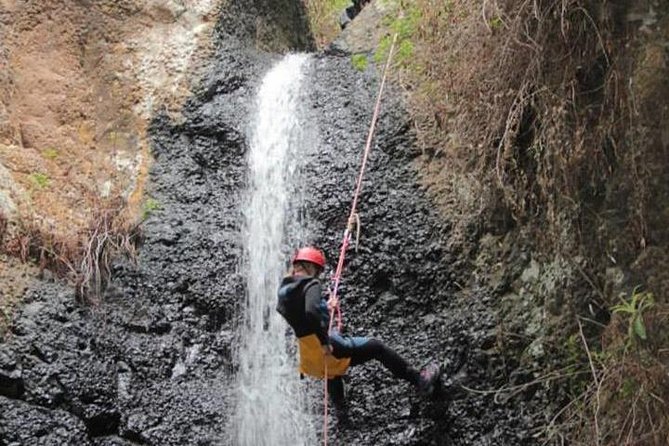
Your technical highlight is waterfall abseiling. That’s the moment most people remember because it combines rope work with something visual and physical: slick surfaces, moving water, and the payoff of reaching a lower point safely. You’ll learn how to rappel in a way that fits what you’re actually facing in the canyon, not generic theory.
The dry canyon route: hiking first, then ropes with volcanic layers
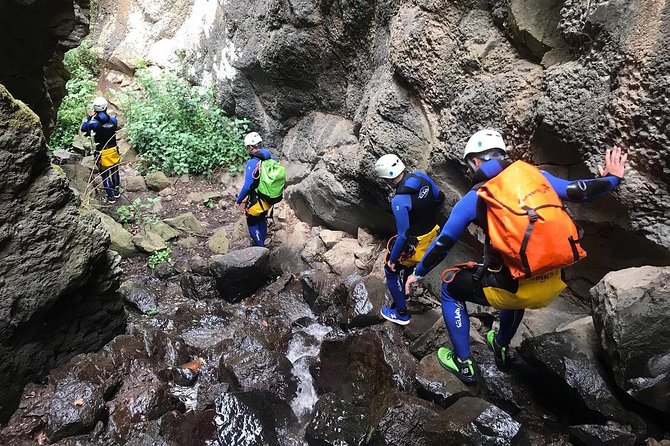
If you go dry, expect a hiking start that still has purpose. The goal is to reach the canyon section where ropes come into play, including rappels up to 9 meters.
Dry canyoning is often easier to mentally handle than water, but don’t mistake it for a walk in the park. You’re still working with canyon walls, changing footing, and the mental focus required to control your descent. The big “why this is special” factor here is the geology. You’ll be looking at different layers of volcanic lava as you move through the canyon walls.
How to choose between them
- Choose aquatic if you want the water-and-waterfall moment and a greener, wetter canyon feel.
- Choose dry if you prefer less cold-water time but still want rappels and the geology story.
Either way, you’ll be doing practical canyoning: hiking sections plus rope sections, guided step-by-step.

Safety kit and guide technique: what keeps this from feeling chaotic
Canyoning can look wild online. The reality is that it’s mostly controlled movement with a strong safety system. This trip leans hard into that.
You’re provided with a wetsuit to help with cold, and a helmet for head protection. That’s your baseline. Then comes the part that makes people relax: the guides belay and supervise you throughout the rappels.
Belaying matters because it changes the emotional load. When you trust the rope setup and someone is actively managing your safety, you can focus on technique instead of panic. In several accounts, guides named Nestor, Dani, and Pablo were praised for being clear, attentive, and patient, especially when people felt uncertain at first.
You’ll also have the normal canyoning “skills first” moment: learning how to rappel properly, understanding what to do if you’re unsure, and getting coached through tricky sections. One recurring theme is that some parts can feel tricky even for beginners, but the guide support makes it manageable. In other words, you’ll get adrenaline, but you won’t be left to figure it out alone.
The flow of your half-day adventure: how the time is used
The tour runs around 4 hours. That’s a sweet spot. Long enough to feel like a real experience, short enough that you’re not exhausted for the whole day.
Even without naming every minute, the rhythm is consistent:
- Start and briefing
You meet at the Los Cernícalos GC-130 location and start at 10:00 am. Expect time to get outfitted and learn the basic approach: how rappels are done, how the guides will belay you, and what the day’s main steps look like.
- Move to the canyon area
The day includes traveling to one of the best canyon areas on the island. The aquatic route heads toward a green, water-following section. The dry route leans into a hike that leads into the rope section.
- Hike and positioning
For the dry option, the hike is part of the fun and the build-up. For aquatic, the movement through the water course sets you up for where abseils come in.
- Rappels and controlled descents
This is where technique matters. You’ll abseil with guidance, and on the dry route you can reach up to 9 meters maximum. On the aquatic route, you’ll do waterfall abseiling.
- A rest moment in a beautiful spot
After the main rappels, you get a break in this special canyon place, then you return on an adventure trail.
- Return back to the meeting point
The experience ends back where it started. It keeps the day simple.
What makes the pacing feel good is the reduced-group setup. People report less waiting compared with bigger groups. That means more time moving, less time standing around hoping the next person finishes.
Price and value: why $78.58 feels fair for what you do
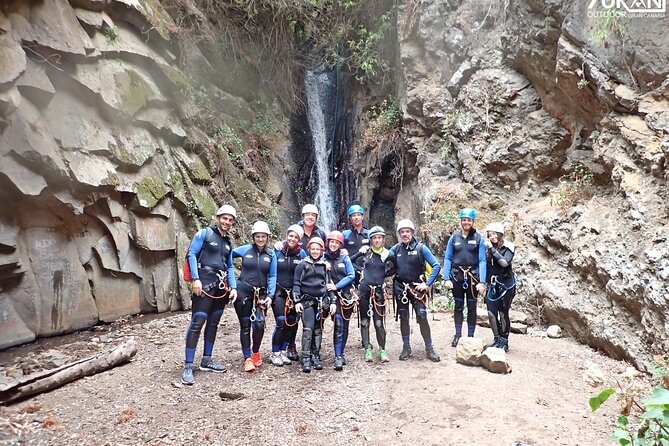
The price is $78.58 per person, and the trip is typically booked about 11 days in advance. To judge value, I look at two things: what you get that you can’t easily self-organize, and what safety/effort level you’re buying.
Here you’re paying for:
- Certified guide supervision and belaying on rappels
- Provided equipment like wetsuit and helmet
- The technical learning moment (how to rappel safely)
- A canyon experience that includes both movement through terrain and vertical rope work
- A setup that works as a private reduced-group experience, so the day stays efficient
If you’ve ever watched people attempt outdoor adventure with no coaching, you know why this is worth it. Rope work is not the place to improvise. This trip gives you instruction, structure, and safety systems, plus it gets you into canyon country you’d never stumble upon by accident.
Also, there’s practical “day-after usefulness”: some guides share free photos. One common detail is that pictures can be sent via WhatsApp, which is great if you want to focus on technique instead of worrying about your camera.
Who this suits best: fitness, confidence, and ages
This experience is listed as requiring moderate physical fitness. That sounds gentle, but canyoning still asks you to:
- walk on uneven terrain,
- manage wet footing (especially on the aquatic route),
- climb or reposition in rope/rock areas,
- and stay calm with heights while you descend.
The good news is that it’s widely recommended by people who start as beginners. Several accounts specifically call out first-time canyoning comfort. Families also did it with teens as young as 10 and 13. That suggests the tour can work for younger adventurous travelers, as long as they’re comfortable with instructions and getting wet.
If you’re the type who likes real physical activity (not just scenic sightseeing), you’ll likely enjoy this. If you’re hoping for a comfortable, dry walk with views, you might find it too hands-on.
What you should wear and expect to feel
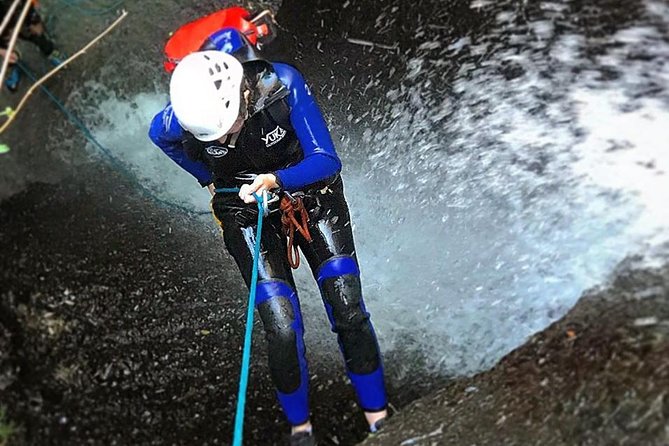
You will get wet. Plan for that as a feature, not a surprise.
Because you’re issued a wetsuit, you’ll be better prepared for cold than you would be in regular swimwear. Still, people talk about feeling cold, especially if you pause or if the water conditions are chilly.
Expect minor impacts too. Reviews mention things like bruises and scratches, and that’s normal for real outdoor movement on rock. Think of it like an active day outdoors with a little abrasion risk.
For gear, the most practical advice is attitude:
- keep your movements controlled,
- listen to guide instructions before you descend,
- and don’t treat the rope section like a video game. It’s guided technique, with belays doing the heavy lifting.
If you want to travel lighter, remember that photos may be handled for you by your guide. That means you might not need your phone out all the time, even though the day will be photogenic.
Weather and day-of changes: how to plan around nature
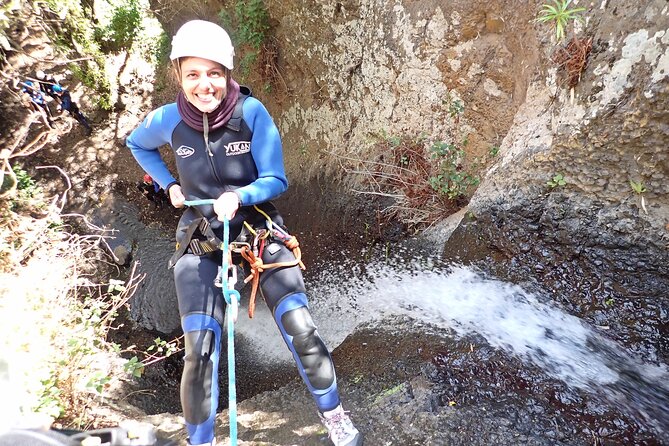
Canyoning is weather-dependent. This activity requires good weather, and if it’s canceled due to poor weather you’ll be offered a different date or a full refund.
Also, the tour requires a minimum number of travelers. If that minimum isn’t met, you’ll be offered another date/experience or a full refund.
So, if your schedule is tight, book it but keep a little flexibility. Outdoor adventure has a way of following the forecast.
Should you book YUKAN Outdoor Gran Canaria canyoning?
I’d book it if you want a real activity that mixes technique with scenery, not just a scenic walk. The biggest reasons are safety-focused guidance (constant belays, wetsuit and helmet, instruction on rappels) and the fact that you choose between aquatic and dry canyon routes. That lets you match the day to how you feel about water and cold.
You should skip or reconsider if:
- you’re not comfortable with getting wet and cold,
- you can’t manage moderate physical movement on uneven terrain,
- or you strongly dislike heights and rope work.
If you like adventure with structure, and you want to see Gran Canaria’s canyon and volcanic geology up close, this is the kind of half-day that earns its place on your trip.
FAQ
What is the duration of the canyoning experience?
The activity runs for approximately 4 hours.
How much does it cost per person?
The price is $78.58 per person.
Is pickup available?
Pickup is offered as a premium option. The activity also notes it’s near public transportation.
What time does the tour start, and where does it meet?
The start time is 10:00 am. The meeting point is Barranquismo Los Cernícalos, GC-130, 35211 Telde, Las Palmas, Spain. The activity ends back at the meeting point.
Do you do aquatic or dry canyoning?
You’ll have options for aquatic canyoning (with waterfall abseiling and a green forest water-course setting) or dry canyoning (hike first, then rappels up to 9 meters, with volcanic lava layers).
How safe is it, and is there support during rappels?
You’ll be provided with a helmet and wetsuit, and certified guides belay and supervise you during the rappels.
Is the tour private or shared?
It’s described as a private activity with reduced group, meaning only your group participates. The tour is offered in English.